

Yoga for Addiction Recovery: Benefits, Mindfulness, and Whole-Person Healing
Yoga can be a valuable, evidence-informed complement to addiction treatment, combining movement, breathwork, and mindfulness to lower stress and build skills that reduce relapse risk. This guide explains why yoga helps in recovery, how trauma‑aware sequencing and specific practices affect cravings and emotional regulation, and where yoga fits inside a structured treatment plan. People looking for support often want clear steps, safe adaptations for withdrawal, and practical program details; we cover mechanisms, typical session formats, instructor qualifications, and realistic outcomes. You’ll find straightforward explanations of the physiological and psychological benefits, the most helpful yoga styles for different stages of care, how mindfulness strengthens practice, and ways families can join the healing process. The article also shows how yoga is scheduled across detox, inpatient, outpatient, and counseling settings, shares anonymized patient vignettes, and ends with low-pressure next steps for connecting with a recovery program. Keywords like addiction yoga, yoga therapy, mindfulness yoga, trauma-informed yoga for recovery, and craving management yoga techniques are included to help readers and clinicians find clinically-aligned, practical information.
What Are the Key Benefits of Yoga for Addiction Recovery?
Yoga supports recovery by improving autonomic balance, lowering stress reactivity, and increasing tolerance for cravings through coordinated movement, breath, and focused attention. Physiologically, breathwork can influence vagal tone; mindfulness sharpens interoception (awareness of internal sensations); and gradual exposure to bodily discomfort builds distress tolerance. Clinically, these changes often show up as better sleep, reduced anxiety, shorter and less intense urges, and steadier emotion regulation during high‑risk moments. Research and clinical practice suggest that even brief daily practices and regular class attendance can produce measurable improvements in mood and relapse‑related outcomes over weeks to months. That’s why many programs integrate yoga alongside medical care, counseling, and peer support.
This section highlights core benefits and translates them into practical effects clinicians and participants can expect. The list below organizes outcomes commonly reported in clinical programs and current literature.
- Stress reduction and autonomic regulation: Breathwork and slow asana lower sympathetic arousal and support relaxation.
- Craving and impulse management: Mindful awareness and urge‑surfing decrease reactive responding and shorten craving episodes.
- Emotional regulation and trauma processing: Trauma‑informed sequencing increases safety and makes practice more tolerable for survivors.
- Sleep improvement and physical recovery: Restorative practices ease tension and support healthier sleep patterns.
- Improved mood and reduced anxiety: Regular practice provides behavioral activation and supports neurochemical balance.
Benefits at a glance: the table below maps common recovery goals to mechanisms and realistic outcomes, helping clinicians and patients identify priority targets for yoga in treatment.
This concise summary clarifies how targeted yoga interventions translate to measurable recovery outcomes and helps clinicians choose appropriate goals.
How Does Yoga Reduce Stress and Manage Cravings in Recovery?
Yoga reduces stress and manages cravings mainly through breath-centered practices and mindful attention that change autonomic reactivity and the felt intensity of urges. Diaphragmatic breathing and gentle movement activate parasympathetic pathways, slow heart rate, and create a calmer physiological baseline—weakening the link between stress and substance use. Simple, teachable techniques such as paced inhale–exhale cycles, box breathing, and a brief two‑minute grounding sequence offer immediate tools to interrupt escalating urges in residential and community settings. Clinicians often pair these micro‑practices with cue‑based homework so patients can use them when triggers appear, building self‑efficacy and lowering impulsive relapse. These processes explain how yoga operates as a practical relapse‑mitigation skill within a larger treatment plan.
What Emotional and Psychological Benefits Does Yoga Provide?
Emotionally, yoga increases self‑awareness, reduces reactivity, and boosts tolerance for uncomfortable feelings—skills that are central to recovery. Regular practice strengthens interoceptive awareness (noticing bodily signals linked to craving or anxiety) and supports cognitive strategies used in therapy, like reappraisal. Over time, many people report fewer panic episodes, more stable moods, and an improved ability to stay present during counseling—outcomes that enhance psychotherapy. Group classes also offer social connection that reduces isolation, while individual sessions allow trauma‑sensitive pacing. Together, these psychological gains make yoga a durable component of relapse prevention and long‑term wellbeing.
Which Types of Yoga Are Most Effective for Addiction Recovery?
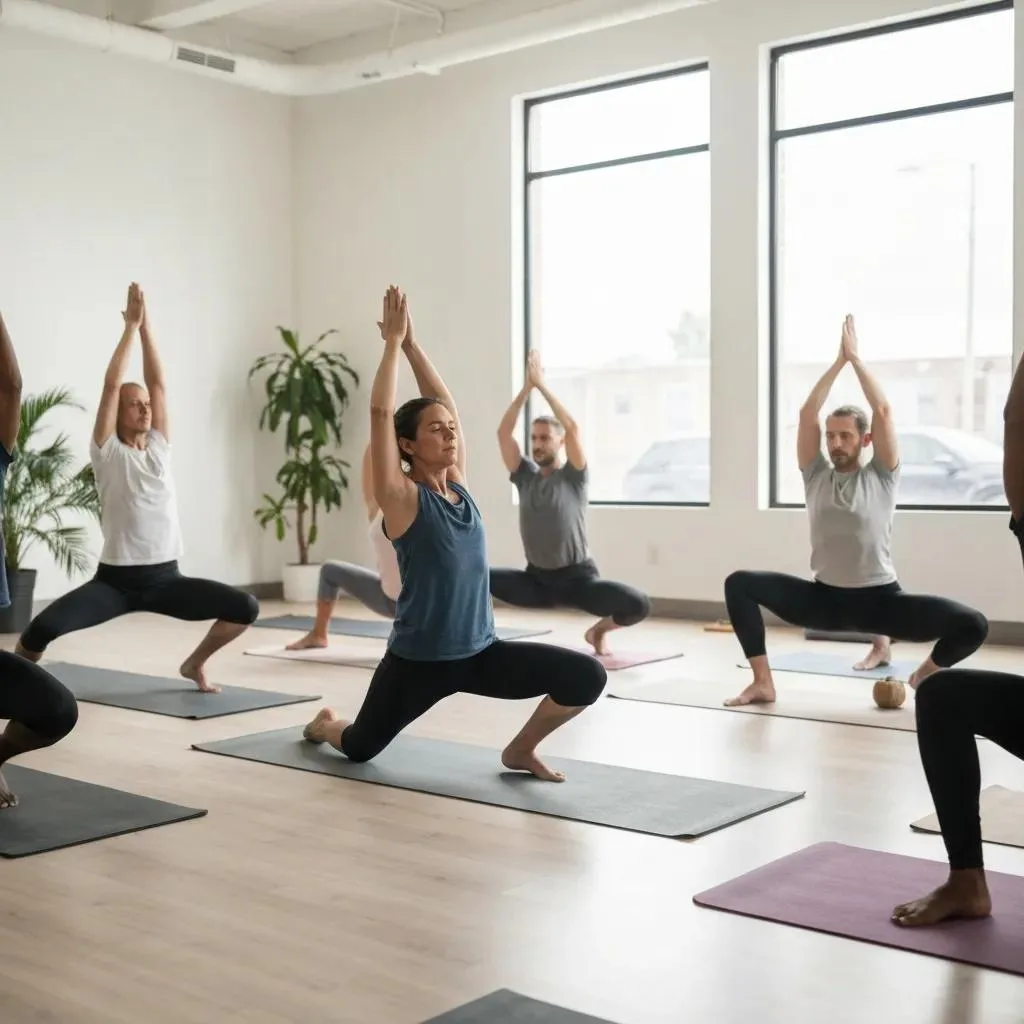
Choosing the right style depends on recovery stage, trauma history, and physical health. In practice, trauma‑informed, restorative, gentle Hatha, and breathwork‑focused approaches are most commonly recommended. Trauma‑informed yoga emphasizes choice, pacing, and neutral language to reduce retraumatization and foster agency. Restorative and gentle classes use supported poses and long holds to down‑regulate the nervous system—particularly useful during early recovery or medical detox. Breathwork‑focused sessions (pranayama plus mindfulness) target cravings and autonomic regulation directly, while more active practices may be introduced later as strength and stability return. Safe selection requires screening for trauma, withdrawal symptoms, and medical contraindications.
Before the comparison table: clinicians and program leaders should verify instructor qualifications—especially formal training in trauma‑informed approaches—to ensure sessions remain safe and collaborative. The short list below highlights key instructor credentials and class features to look for.
- Trauma‑informed certification or continuing education: instructors should use consent‑based language and pacing.
- Experience with substance use populations: prior clinical or recovery setting work improves adaptations.
- Ability to modify poses and use props: offering restorative and chair‑based options increases accessibility.
These criteria help programs match participant needs to class formats and guide referrals from medical and counseling teams so sessions are appropriately adapted.
Types at a glance: the following table compares common yoga formats used in recovery, with recommended uses and precautions so clinicians can plan targeted, safe offerings.
Program note: Emulate Treatment Center includes trauma‑informed yoga, restorative classes, and gentle Hatha in its programming, prioritizing instructors with trauma awareness and clinical experience. Sessions respect pacing and consent, and instructors coordinate with clinical staff to adapt sequences for withdrawal symptoms and co‑occurring conditions. This helps ensure yoga aligns with individualized treatment goals and safety plans.
What Is Trauma-Informed Yoga and Why Is It Important?

Trauma‑informed yoga centers safety, choice, and empowerment, recognizing that typical verbal cues and hands‑on adjustments can retraumatize some participants. Key principles include offering options instead of commands, avoiding unsolicited physical assists, and using language that normalizes varied responses to practice. In addiction recovery—where trauma and substance use often overlap—this approach reduces the risk of triggering and creates a consistent space for developing interoceptive skills. Proper training, credentialing, and intake screening help instructors recognize flashpoint responses and modify sessions. A safety‑first orientation increases accessibility and effectiveness for people in recovery.
How Do Restorative and Gentle Yoga Support Healing?
Restorative and gentle yoga support healing through slow, supported poses that reduce sympathetic activation and encourage restorative sleep and bodily comfort. Props—bolsters, blankets, straps—allow sustained relaxation without strain, which benefits people in early recovery who may have sleep disruption or chronic pain. These formats work well during medically supervised detox and early inpatient care because they minimize exertion while delivering autonomic benefits via guided relaxation and breath awareness. Clinicians often recommend short restorative sequences as between‑session homework to reinforce relaxation skills and ease physical discomfort tied to withdrawal and early abstinence.
How Is Yoga Integrated into Addiction Treatment Programs?
Programs typically integrate yoga using a staged model that matches practice intensity and goals to clinical needs: brief breathwork during detox, restorative and group classes in inpatient care, and structured supports during outpatient and counseling phases. Integration requires coordination with medical staff for contraindication screening, with counselors to align skills training, and with family programming for broader support. Typical schedules include short daily breathing practices during medical supervision, 2–5 group classes per week in inpatient programs, and weekly outpatient classes paired with home‑practice and relapse‑prevention homework. This coordinated approach treats yoga as a transferable therapeutic skill rather than an isolated wellness activity, supporting continuity across levels of care.
The stepwise list below summarizes how yoga is commonly integrated for featured‑snippet clarity.
- Intake screening and medical clearance: evaluate trauma history, withdrawal risk, and physical contraindications before participation.
- Detox phase: short, low‑intensity breathwork and grounding sessions, coordinated with medical monitoring to manage acute distress.
- Inpatient phase: regular group classes and optional individual sessions that reinforce coping skills tied to therapy goals.
- Outpatient and aftercare: community‑style classes, home‑practice routines, and coordination with counselors for relapse prevention.
These steps show how yoga fits into a continuum of care, ensuring safety and skill transfer across clinical stages to support lasting recovery.
Integration overview: the table below clarifies yoga’s role at each program stage, typical session formats, and key safety considerations for planning and patient expectations.
Program logistics: Emulate Treatment Center includes yoga across detox, inpatient, outpatient, and counseling settings. Intake screens for medical contraindications and trauma history, then schedules gentle breathwork in early detox and expands practice options as clients stabilize. Safety and privacy are emphasized through trauma‑informed class rules, optional one‑on‑one sessions, and clinical coordination so yoga supplements—but does not replace—medical and therapeutic care. Clear procedures help clients and families know what to expect.
What Role Does Yoga Play During Detox and Withdrawal Management?
In detox, yoga focuses on low‑risk breathwork, grounding, and gentle movement that reduce acute distress without taxing the body. Sessions are brief, emphasize autonomic regulation, and are coordinated with medical staff to respect medication timing and symptom severity. Techniques such as diaphragmatic breathing, seated grounding sequences, and progressive muscle relaxation are prioritized because they’re low‑exertion and usable during high‑anxiety moments. Programs must screen for cardiovascular or respiratory contraindications and ensure instructors adapt practices to symptom burden. When properly integrated, these micro‑practices can reduce agitation and complement pharmacologic and nursing care during withdrawal.
How Does Yoga Complement Inpatient and Outpatient Care?
In inpatient settings, yoga reinforces emotion‑regulation skills within a supervised group environment and provides nonverbal processing and social connection. Inpatient schedules often include multiple weekly classes that are coordinated with counseling topics—teaching breathing tools for craving moments discussed in group therapy, for example—to promote generalization of skills. Outpatient care emphasizes continuity: weekly community classes, home‑practice assignments, and booster sessions that support relapse‑prevention plans. Tracking engagement and outcomes—through attendance, self‑report measures, and coordination notes—helps clinicians tailor intensity and preserve continuity from residential care to sustained recovery.
How Does Mindfulness Enhance Yoga’s Effectiveness in Addiction Recovery?
Mindfulness strengthens yoga’s effects by refining interoception, lowering automatic reactivity, and creating a framework for observing urges without acting on them. Training attention to present‑moment sensations helps cravings be experienced as passing events rather than commands, which reduces relapse risk over time. Short mindfulness practices—body scans, urge‑surfing scripts, and focused breathing—integrated into yoga sessions create a compact, deployable skill set for high‑risk moments. Recent evidence through early 2024 shows that mindfulness‑integrated programs often achieve better retention and lower relapse rates than standard care alone, especially when practices are brief, frequent, and clinically supervised.
Practical techniques: below are simple mindfulness tools that pair well with yoga and are easy to teach in treatment settings.
- Urge‑surfing: Notice the wave of craving without reacting, tracking its rise and fall for several minutes.
- Body scan: Move attention from feet to head to increase interoceptive awareness and reduce dissociation.
- Focused breathing: Use paced inhales and longer exhales to regulate heart rate and steady attention.
These micro‑practices work because they’re brief, repeatable, and directly applicable during triggers. Used with yoga, they form a practical relapse‑prevention toolkit.
What Mindfulness and Meditation Techniques Support Relapse Prevention?
Techniques that support relapse prevention include short scripted practices—urge‑surfing, three‑minute breathing spaces, and guided body scans—that fit into therapy sessions and daily life. Urge‑surfing teaches patients to notice the craving pattern, label intensity, and observe impermanence—steps that weaken the urge‑to‑action link. Regular short meditations increase tolerance for discomfort and reduce impulsivity by strengthening attentional control through repeated practice. Clinicians can prescribe brief, cue‑based practices for use in high‑risk situations, integrating mindfulness into real‑world relapse‑prevention strategies.
How Does Mindfulness Improve Self-Awareness and Emotional Regulation?
Mindfulness improves self‑awareness by helping people detect subtle bodily and emotional signals that often precede relapse, enabling earlier coping. This enhanced interoception supports emotional regulation: noticing early anxiety signs lets patients apply breathing or grounding before escalation. Mindfulness also encourages cognitive reframing and reduces automatic negative thinking that can fuel substance use, lowering both the intensity and frequency of high‑risk episodes. Regular self‑monitoring—through journaling prompts or brief reflections—helps patients track progress and link practice to behavioral change.
How Can Yoga Support Families and Loved Ones in Addiction Recovery?
Family‑focused yoga gives caregivers and loved ones practical tools for stress reduction, better communication, and modeled coping that strengthen the recovery environment. Programs may offer caregiver‑only classes to address burnout, joint family sessions to practice attunement exercises, and partner breathing activities that foster shared regulation. These formats reduce caregiver stress, increase empathy, and teach concrete skills families can use during conflict or triggers to de‑escalate situations. When combined with family therapy, yoga aligns experiential practices with communication strategies from counseling.
Common family formats programs can adapt include:
- Caregiver‑only classes emphasizing stress management and self‑care.
- Joint family sessions incorporating partner breathing and mirroring exercises to rebuild connection.
- Short workshops teaching families how to support home practices and create safe routines.
Family yoga works best alongside family therapy and clear guidelines on consent, boundaries, and trauma sensitivity, so shared practice supports—not replaces—therapeutic goals.
What Are the Benefits of Yoga for Families Coping with Addiction?
Yoga boosts caregiver resilience by lowering physiological stress markers and providing practical calming techniques for crisis moments. Families often report improved listening, less reactive communication, and shared routines that increase predictability—factors that support recovery and reduce relapse triggers tied to relationship stress. Group family classes also offer peer support and normalize caregiving challenges, reducing isolation and shame. When sessions include psychoeducation about boundaries and consent, they create safer interactions that protect everyone involved.
How Does Family Yoga Foster Healing and Communication?
Family yoga uses partner activities, synchronized breathing, and reflective exercises to promote attunement and nonverbal connection. Simple practices—mirroring movements, coordinated breath, and guided joint relaxation—encourage presence and mutual regulation without forcing verbal disclosure. Clear rules about consent, pacing, and optional participation keep trauma survivors safe and lower the chance of retraumatizing interactions. Over time, regular shared practice can help replace reactive cycles with co‑regulation patterns that support long‑term recovery.
What Are Real Patient Experiences with Yoga in Addiction Recovery?
Anonymized patient reports show that yoga often produces quick anxiety relief and better coping with cravings, while sustained practice links to improved sleep and ongoing engagement in recovery supports. Clinic vignettes frequently note fewer panic episodes within weeks of regular breathing practice and improved sleep after adding restorative evening routines. Aggregated program data suggest clients who attend multiple weekly classes and practice short daily techniques have higher outpatient retention and report fewer relapses across six‑ to twelve‑month follow‑ups. These real‑world outcomes help set reasonable expectations for timelines and practice frequency.
Common themes in patient reports include immediate symptom relief, gradual gains in emotional control, and increased willingness to engage in therapy and peer supports.
- Rapid reduction in acute anxiety through breathing and grounding.
- Gradual improvement in sleep and mood with restorative evening routines.
- Greater capacity to tolerate triggers and use relapse‑prevention skills.
Taken together, these patterns show how yoga functions as a practical adjunct to therapy—providing both short‑term relief and long‑term skills that support sustained recovery.
How Has Yoga Helped Individuals Manage Anxiety and Cravings?
Many patients say brief breathing sequences and urge‑surfing are their first‑reach tools to interrupt escalation: short, focused practices give them time and perspective to avoid acting on urges. Clinically, this often means fewer emergency interventions and greater readiness to participate in counseling when distress appears. Examples include clients using two‑minute breathing practices before high‑risk social exposure with fewer relapse attempts, and others who found restorative naps with guided relaxation reduced late‑night cravings linked to insomnia. These micro‑practices bridge immediate symptom relief with longer‑term behavioral changes.
What Success Stories Demonstrate Yoga’s Impact on Long-Term Sobriety?
Longer‑term success stories emphasize consistency and community integration: people who kept short daily practices and attended weekly group sessions reported smoother social reintegration and less substance recurrence over months and years. Measurable behaviors linked to sustained sobriety include continued attendance at support meetings, adherence to home‑practice routines, and active engagement in family or peer activities that reinforce coping skills. These accounts make clear that yoga is not a stand‑alone cure but a complementary tool that strengthens other recovery elements and supports resilience.
Next steps and a low‑pressure invitation: If you’re considering a program that includes yoga, Emulate Treatment Center can help you explore options and connect with a supportive, clinically guided recovery plan. Typical next steps include an intake assessment to review health and trauma history, scheduling appropriate yoga formats within the individualized plan, and discussing privacy and safety measures used during sessions. Emulate Treatment Center emphasizes confidentiality, trauma‑informed intake, and coordination between instructors and clinical teams so individuals and families can move forward comfortably. If you’d like assistance, reach out through the center’s contact channels to request an intake form or check program availability; the process is supportive and respects privacy.
Final program summary: the table below reiterates yoga’s role by program stage, expected session frequency, and likely participant experience to help set realistic expectations for patients and families.
How Has Yoga Helped Individuals Manage Anxiety and Cravings?
Clients commonly report that short breathing routines and body‑focused mindfulness produce fast anxiety relief and a dependable strategy during cravings. Clinicians observe fewer crisis‑level incidents when clients regularly use these skills, complementing medication and therapy. Over several weeks, many people move from reactive coping to proactive self‑regulation, improving attendance in therapy and participation in recovery activities. These shifts demonstrate the tangible behavioral benefits of adding yoga to standard care.
Frequently Asked Questions
1. Can yoga be practiced during detoxification?
Yes. Yoga can be safe during detox when tailored to the person’s physical and emotional state. Gentle breathwork and grounding techniques are most appropriate for managing acute distress without overexertion. Sessions are typically brief and supervised by medical staff; the emphasis is on low‑intensity practices that support relaxation and autonomic regulation to help with withdrawal symptoms and anxiety.
2. How can families get involved in yoga during addiction recovery?
Families can join specialized classes for caregivers and loved ones that focus on stress management, communication, and shared coping skills. Joint family sessions and caregiver‑only classes help rebuild trust, teach de‑escalation tools, and provide practical strategies families can use at home. These offerings support both the person in recovery and their support network.
3. What should I look for in a yoga instructor for addiction recovery?
Look for instructors with trauma‑informed training and experience working with people in recovery. Important qualities include use of consent‑based language, ability to modify poses for varying abilities, and familiarity with the challenges of substance use disorders. A skilled instructor creates a safe, supportive environment that complements clinical care.
4. How does mindfulness integrate with yoga in addiction recovery?
Mindfulness deepens yoga’s benefits by helping people notice thoughts, emotions, and bodily sensations without immediately reacting. Practices like body scans and focused breathing are easily woven into yoga sessions to form a coherent skills set for managing stress and cravings, reducing relapse risk and supporting emotional regulation.
5. Are there specific yoga styles recommended for different stages of recovery?
Yes. During detox, gentle breathwork and restorative yoga are best to support relaxation and reduce anxiety. In inpatient care, trauma‑informed and group classes can enhance emotional regulation and social support. As clients stabilize and move to outpatient care, more active styles like Hatha may be introduced to restore strength and stamina. Tailoring style to stage and individual needs is essential for safety and effectiveness.
6. What are the long-term benefits of incorporating yoga into addiction recovery?
Long‑term benefits include improved emotional regulation, reduced anxiety, and stronger coping skills—factors that support sustained sobriety. Regular practice can improve sleep, physical wellbeing, and social connection through group classes, all of which contribute to long‑term recovery and quality of life.
7. How can I start practicing yoga for addiction recovery?
Begin by finding programs that offer trauma‑informed, recovery‑focused yoga—many treatment centers and local studios provide beginner‑friendly options. Communicate any health concerns or limitations to the instructor so practices can be safely adapted. You can also start with short, guided breathing and mindfulness exercises at home while exploring formal programs.
Conclusion
When integrated thoughtfully into a comprehensive treatment plan, yoga offers clear benefits: better emotional regulation, reduced anxiety, improved sleep, and practical tools for managing cravings. It supports whole‑person healing and builds a sense of community that reinforces recovery. If you’re curious about how yoga might fit into your or a loved one’s care, look for programs that prioritize trauma‑informed practice and clinical coordination. Reaching out to a trusted treatment provider is a small, confidential step toward a more balanced, resilient life.