


What to Expect From Holistic Addiction Therapy: A Practical Guide to Integrative Recovery Programs
Holistic addiction therapy treats substance use by caring for the whole person — body, mind, and community — instead of addressing only symptoms. This guide lays out how integrative recovery blends medically supervised care with complementary practices to lower withdrawal risks, build coping skills, and support long-term wellbeing. If treatment options feel confusing, you’ll find clear, step-by-step explanations of detox, residential and outpatient programs, counseling methods, typical timelines, and practical next steps to begin care. We map what happens in detox, a typical day in residential treatment, how outpatient tiers fit around work and family, and what counseling and aftercare look like. You’ll also find admissions guidance, Nevada-specific insurance information, safety and privacy expectations, family resources, and straight facts about Emulate Treatment Center’s integrative services. Read on for realistic timelines, actionable checklists, and tools to help choose the right level of care.
What Is Holistic Addiction Therapy and How Does It Work?
Holistic addiction therapy is a whole-person model that combines evidence-based medical care with complementary practices to stabilize the body, address psychological drivers, and rebuild social supports. In practice this means pairing medical supervision and symptom management with behavioral therapies, somatic work, and wellness practices so detox, mental health treatment, and lifestyle change happen together. The integrated approach lowers the risk of unmanaged withdrawal, strengthens coping with cravings, and supports both physical and emotional resilience. Knowing these core elements helps you see how holistic programs differ from strictly medical or purely psychosocial models and prepares you to choose the right level of care.
What Are the Core Principles of Mind-Body-Spirit Addiction Treatment?
Holistic programs follow clear principles that shape assessment, planning, and therapy: individualized care plans, coordinated medical and complementary services, trauma-informed practice, and attention to lifestyle factors. Individualized plans match interventions to medical needs, co-occurring mental health conditions, and personal recovery goals — not a one-size-fits-all checklist. Integration means clinicians coordinate medication management, psychotherapy, physical therapies, and spiritual or community supports to address root and maintaining causes. Trauma-informed care recognizes that past trauma commonly underlies substance use and adjusts pacing and techniques to avoid retraumatization. These principles set expectations for collaborative, regularly reassessed care.
How Does Holistic Therapy Differ From Traditional Addiction Treatment?
Holistic therapy broadens traditional models by keeping core medical and behavioral interventions while adding complementary therapies and lifestyle supports. Conventional care often focuses on medication-assisted treatment, detox stabilization, and cognitive-behavioral approaches; holistic models include those elements and layer on mindfulness, nutrition counseling, yoga, and expressive arts to support physical health and stress regulation. That complementary focus helps people establish daily routines and coping skills that reduce relapse triggers and improve quality of life. Where some traditional programs stop at discharge, holistic programs commonly include structured aftercare to bridge acute treatment and long-term recovery.
What Happens During the Holistic Detox Process?
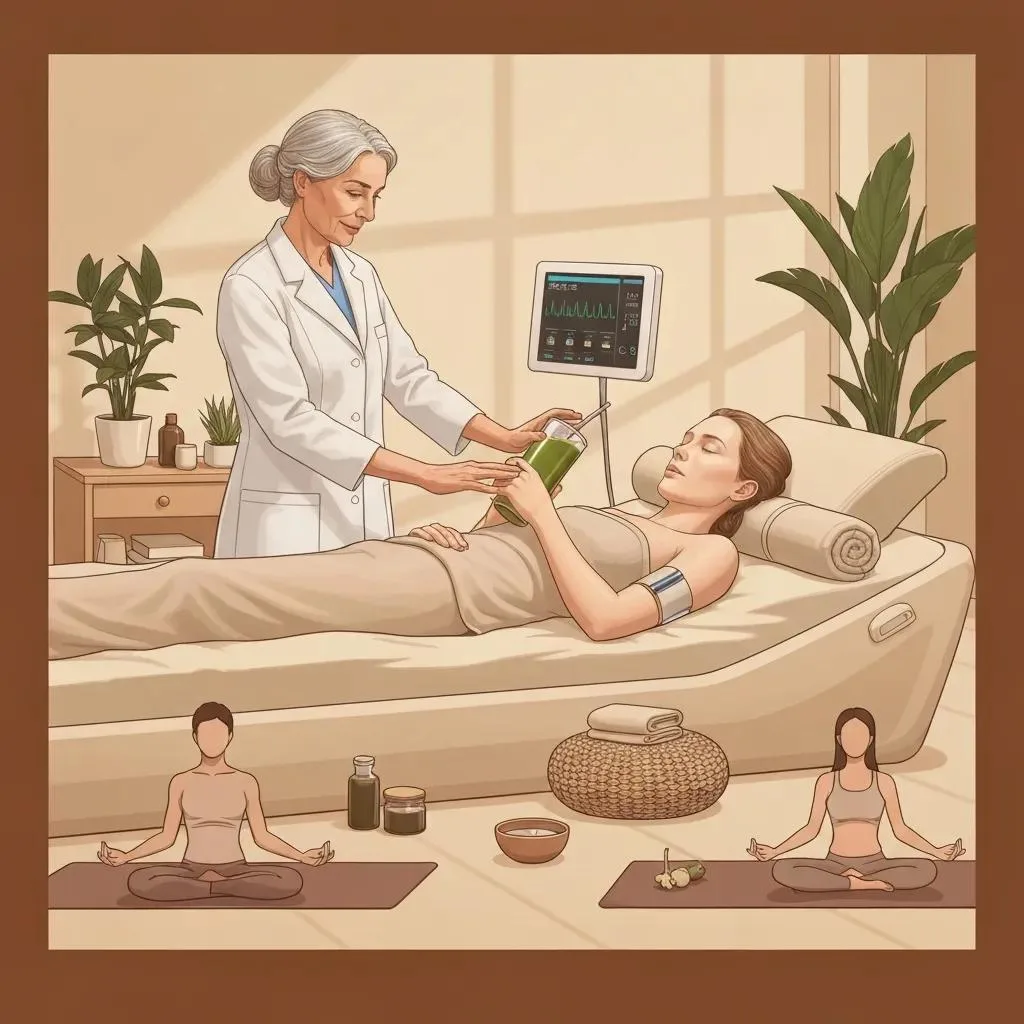
Holistic detox is a medically supervised withdrawal phase that pairs clinical monitoring with supportive therapies to reduce discomfort and risk. The process centers on medical stabilization — checking vitals, using medications when needed, and tracking withdrawal severity — while offering nutrition, hydration, sleep support, and short somatic or mindfulness practices to ease symptoms. Expect an initial medical and psychosocial assessment, regular monitoring with standardized withdrawal tools, and a clear escalation plan for any medical or psychiatric needs. Knowing these steps ahead of time lowers anxiety and helps families prepare for a safe transfer to the next level of care.
Below is a comparison that contrasts medically supervised detox with holistic-supportive detox across supervision level, typical duration, common symptoms, and core safety measures so readers can see practical differences.
This comparison shows that holistic-informed detox maintains medical safety while adding supportive practices that often improve comfort and symptom management during withdrawal.
What Are the Steps and Safety Measures in Holistic Detoxification?
Holistic detox generally follows a predictable sequence: pre-screening, intake assessment, stabilization, symptom management, and transition planning, all governed by safety protocols. The intake documents substance history, medical and psychiatric status, current medications, and immediate risks to set the right supervision level. Stabilization includes vitals monitoring, medication-assisted options when clinically indicated, and frequent reassessments with withdrawal scales to guide care. Supportive measures — hydration, targeted nutrition, rest, and brief mindfulness sessions — reduce symptom burden while staff stay ready to escalate care if complications arise.
How Long Does the Detox Phase Typically Last?
Detox timelines depend on substance type, use patterns, and individual health. Alcohol and benzodiazepine withdrawal often need longer, closely monitored detox because of seizure risk; short-acting opioids may have shorter acute phases but longer post-acute symptoms; stimulant withdrawal can bring extended fatigue and mood changes. Polysubstance use, chronic medical conditions, and severe psychiatric symptoms can lengthen detox and affect transfer timing to residential or outpatient care. Clear transition markers include stable vitals, acceptable withdrawal scores, and a safe, planned next step in treatment.
What to Expect From Inpatient Holistic Care Programs?
Residential holistic care blends structured clinical programming with daily routines designed for stabilization, therapy, and restorative practices inside a supervised community. Typical days include morning check-ins and meditation, therapy blocks for individual and group work, nutrition education and shared meals, movement or yoga sessions, and evening reflection to consolidate learning. Staff usually include medical personnel for ongoing oversight, therapists for evidence-based counseling, and practitioners for holistic modalities — all working from an individualized care plan. Knowing a residential day’s rhythm helps prospective patients pack appropriately, set expectations, and understand how the environment supports focused recovery.
What Does a Typical Day Look Like in Residential Holistic Treatment?
A sample residential day balances clinical therapy, holistic practices, and restorative downtime so participants build routines and resilience without being overwhelmed. Mornings often start with mindfulness or gentle movement to regulate stress, followed by nursing or medical check-ins and a therapy block focused on skills like relapse prevention or cognitive restructuring. Afternoons may include nutrition and lifestyle education, expressive arts or movement therapy, and time for individual counseling or family sessions when appropriate. Evenings emphasize reflection, peer support meetings, and sleep-hygiene routines that reinforce daytime learning and support ongoing progress.
Which Holistic Therapies Are Included in Inpatient Care?
Residential programs typically offer complementary therapies that support body regulation, stress reduction, and identity rebuilding alongside psychotherapy. Common options include mindfulness and meditation to lower craving intensity, yoga therapy for somatic regulation and stress response, nutrition therapy to restore metabolic and brain health after substance use, and art or expressive therapies to process emotions nonverbally. Each modality targets a specific recovery need — mindfulness for cravings, nutrition for physical repair, expressive arts for trauma processing — creating a layered support system that strengthens clinical care.
How Do Outpatient Holistic Addiction Treatment Programs Work?

Outpatient holistic care comes in different intensities so people can keep work, family, and community roles while receiving structured treatment. The model schedules therapies and supports to fit daily life: standard outpatient usually means weekly sessions, IOP includes several weekly group and individual meetings, and PHP delivers daytime-level intensity without overnight stays. Telehealth and community resources extend continuity with follow-up check-ins and remote counseling, maintaining accountability and reducing barriers. Matching outpatient intensity to clinical need prevents undertreatment and supports steady reintegration.
The list below outlines standard outpatient tiers, their session frequency, common treatment targets, and who typically benefits from each level.
- Standard Outpatient: One to two therapy sessions per week for maintenance and skill-building for mild to moderate needs.
- Intensive Outpatient Program (IOP): Multiple group and individual sessions per week, ideal for people stepping down from residential care or needing more structure at home.
- Partial Hospitalization Program (PHP): Daytime, near-residential intensity with multiple daily therapy blocks for those who need concentrated care without overnight admission.
What Are the Different Levels of Outpatient Care and Their Benefits?
Outpatient levels align intensity with clinical need: standard outpatient for maintenance, IOP for moderate intensity and skill-building, and PHP for near-residential daytime structure. Standard outpatient supports steady therapy and relapse prevention for stable patients; IOP adds peer support, routine reinforcement, and more frequent clinical contact to strengthen gains after detox or residential care. PHP offers concentrated therapeutic time for people with significant symptoms who don’t require overnight medical supervision but benefit from daily clinical input. Proper matching lowers relapse risk and eases the return to everyday life.
How Can Outpatient Programs Fit Into Daily Life and Support Recovery?
Outpatient programs use flexible scheduling, telehealth, and coordinated care plans to fit treatment around work, family, and school. Practical tips include time-blocking sessions around work hours, using employer documentation when needed for schedule adjustments, and relying on brief telehealth check-ins to keep momentum during busy times. Outpatient plans usually include homework-style practice — mindfulness, nutrition changes, and peer-support meeting attendance — to help transfer clinic skills into daily routines. These habits build resilience and reduce the need for future high-intensity care.
What Role Does Counseling Play in Holistic Addiction Recovery?
Counseling is the clinical thread that links medical stabilization to behavioral change and social recovery, using evidence-based methods to treat co-occurring issues and build relapse-prevention skills. Individual therapy addresses root causes like trauma or mood disorders and develops personalized coping strategies; group therapy offers peer learning and rehearsed social skills in a recovery-focused community. Family therapy repairs relationships and builds the support system that reduces relapse risk through communication training and boundary-setting. Together with holistic supports, counseling creates a coordinated plan that treats symptoms, teaches skills, and rebuilds the social infrastructure needed for sustained recovery.
What Types of Counseling Are Offered: Individual, Group, and Family?
Common counseling modalities include individual cognitive-behavioral therapy for targeted skills, group therapy for peer support and perspective, and family therapy for systemic change and planning. Individual sessions identify triggers, reshape unhelpful thinking, and teach coping tools for cravings and stress. Group therapy uses peer modeling, shared accountability, and skill practice to strengthen social connection. Family therapy helps loved ones understand addiction as a health condition, improves communication, and sets up practical relapse-prevention strategies for the home.
How Do Holistic Counseling Methods Address Underlying Addiction Issues?
Holistic counseling pairs cognitive tools with somatic and mindfulness-based approaches to address both conscious patterns and bodily responses that sustain substance use. Mindfulness-based CBT, for example, links thought restructuring with present-moment awareness to break craving cycles; somatic therapies teach people to notice and regulate bodily cues that can trigger relapse. Narrative and meaning-focused work rebuilds purpose and identity after addiction, helping fill the gaps substances once occupied. This layered approach builds durable skills across thinking, feeling, and physiology for long-term recovery.
How to Navigate Admissions, Insurance, and Treatment Timelines?
Navigating admissions and insurance is a stepwise process: initial contact and pre-screening, benefits verification, medical and psychiatric assessment, and scheduling the appropriate level of care. In Nevada, common payer routes include private insurance (often requiring prior authorization), state programs that need documentation of medical necessity, and self-pay or assistance options for underinsured patients — gathering detailed insurance information early speeds placement. Timelines can range from same-day triage for urgent medical needs to a few days for scheduled admissions; outpatient starts are often arranged within a week. Preparing documents and questions ahead of time shortens wait times and clarifies expectations for patients and families.
What Are the Steps for Admission and Intake at Emulate Treatment Center?
Starting intake at Emulate Treatment Center usually begins with a phone or online pre-screen to assess urgency and the right level of care. Next is benefits verification and a focused medical and psychosocial assessment to identify medical needs, co-occurring mental health conditions, and recovery goals that guide service recommendations. After assessment we coordinate scheduling and logistics, develop an individualized care plan, and handle any required pre-authorizations or transportation needs. Emulate prioritizes clear, non-pressured guidance at every step and helps families gather the documents and questions needed for a smooth admission conversation.
How Does Insurance Coverage Work for Holistic Addiction Therapy in Nevada?
Insurance for holistic programs often requires checking policy details, confirming in-network vs out-of-network status, and documenting medical necessity for higher-intensity services like PHP or residential care. Have your insurance ID, group number, and any diagnosis information ready for verification; ask about pre-authorization rules and daily inpatient limits. For people without sufficient coverage, programs may offer self-pay options or referrals to community and state-funded resources in Nevada. Early verification and clear documentation reduce delays and clarify out-of-pocket expectations.
How Is Safety, Privacy, and Professionalism Ensured During Treatment?
Safety and professionalism rest on clinical monitoring, qualified staff, and confidentiality practices that protect patients while delivering integrated care. Clinical safety includes routine vitals checks, validated withdrawal scales, medication-management protocols, and defined escalation routes to higher-level medical services when needed. Professionalism means licensed clinicians coordinating care plans, relying on evidence-informed practices, and documenting progress with transparent communication for patients and authorized family members. Privacy protections follow confidentiality standards that explain record handling and when information may be shared, so patients understand consent and limits to confidentiality.
What Safety Protocols Are in Place for Holistic Addiction Therapy?
Typical safety protocols include regular monitoring of vital signs, use of validated withdrawal assessment tools, medication management under medical supervision, and emergency response plans for medical or psychiatric crises. Staff follow escalation protocols that set thresholds for physician review or transfer to higher-level care to protect patients during acute instability. Supervision levels differ by program intensity — detox and residential settings offer continuous oversight while outpatient programs maintain scheduled clinical contact with rapid escalation options. These layered precautions let programs offer holistic modalities without sacrificing medical vigilance.
How Is Patient Privacy Protected Throughout the Recovery Journey?
Patient privacy is upheld through confidentiality practices like controlled record access, consent-based information sharing, and clear explanations of legal exceptions. Programs define who may view medical or therapy notes and require patient authorization for family involvement or external communication to preserve autonomy and trust. Secure record-keeping minimizes unauthorized disclosure, and staff explain limits to confidentiality — for example, imminent harm or legal obligations — during intake so patients and families understand boundaries. These measures ensure personal information is handled respectfully while enabling appropriate clinical coordination.
What Support Is Available for Long-Term Recovery and Aftercare?
Long-term recovery depends on ongoing therapy, peer support, medication management when needed, and daily wellness practices that sustain gains from formal treatment. Aftercare plans typically include scheduled individual or group therapy, connections to peer recovery groups, periodic telehealth check-ins, and referrals to community resources for employment, housing, and social reintegration. Relapse-prevention focuses on spotting early warning signs, keeping sober support networks, and maintaining routines that manage stress and cravings. A coordinated aftercare roadmap lowers the chance of disengagement and strengthens the path to sustained recovery.
The table below maps common aftercare resources to their purpose, typical frequency, and expected outcomes to help you plan post-treatment support.
What Are the Key Components of Aftercare and Relapse Prevention?
Key aftercare components include scheduled therapeutic contact, peer support participation, continued medical oversight when needed, and lifestyle changes that support wellness. Regular counseling reinforces skills like craving management and coping with triggers while addressing emerging mental health concerns. Peer groups provide lived-experience support and accountability that reduce isolation. Telehealth offers an accessible way to maintain clinical oversight during life transitions and prevent small issues from becoming crises.
How Does Holistic Therapy Support Sustained Wellness Beyond Treatment?
Holistic therapy teaches daily practices — nutrition, movement, mindfulness, and sleep hygiene — that regulate stress and lower physiological drivers of craving. These routines build stress tolerance, improve mood regulation, and help restore purpose and identity beyond substance use. When paired with community supports and ongoing therapy, clinic-based skills become habits that resist relapse. Over time, consistent wellness practices reduce the frequency and intensity of relapse triggers and strengthen resilience.
How Can Family Members Support Loved Ones During Holistic Addiction Therapy?
Family involvement is a powerful resource when balanced with healthy boundaries and self-care. Families can support recovery by learning about addiction, joining structured family therapy, and shaping a home environment that supports sobriety. Practical communication strategies include nonjudgmental, change-focused language, clear expectations about substance access, and participation in education sessions to spot relapse warning signs. Families should also tend to their own wellbeing through support groups and self-care to stay effective. These steps help align the home with therapeutic goals and reduce stressors that can undermine progress.
What Resources Are Available for Families Navigating Addiction Recovery?
Families can access educational workshops, support groups, and community resources that explain addiction, offer coping tools, and provide peer support for caregivers. Local and national groups often run structured family education programs that teach communication, boundary-setting, and how to support change without enabling. Nevada helplines and community mental health services can help with referrals and crisis guidance when needed. These resources help families move from confusion to informed, consistent support roles that benefit both the person in treatment and the whole family.
How Can Families Help Build a Supportive Environment for Recovery?
Families can create routines, secure medications, and offer emotional safety to lower relapse risk and encourage sustained recovery at home. Practical steps include safely storing prescriptions, setting predictable daily schedules for sleep and meals, and planning sober activities to replace substance-centered recreation. Open, non-blaming communication and participation in family therapy help repair relationships and set clear expectations. Family members maintaining their own therapy or support groups prevents caregiver burnout. Together, these actions shape a home environment that aligns with treatment goals and reduces common relapse triggers.
Why Choose Emulate Treatment Center for Holistic Addiction Treatment in Nevada?
Emulate Treatment Center offers integrated programs — detox, residential care, outpatient services, and counseling — within a mind-body-spirit framework to support comprehensive recovery in Nevada. Our role is to help people understand their options and connect them with safe, supportive care, prioritizing clarity, family involvement, and non-pressured guidance toward the next step. Emulate’s model combines medical stabilization with complementary therapies and transparent care planning so patients and families know what to expect from first contact through aftercare. For Nevada residents, we can assist with benefits verification and practical intake steps while linking people to local community resources.
What Makes Emulate’s Holistic Approach Unique in Nevada?
Emulate integrates clinical services — medically supervised detox and structured residential care — with holistic supports like mindfulness, nutrition guidance, and family education to create a coordinated recovery pathway. We emphasize trauma-informed practice and clear, compassionate communication to reduce overwhelm for patients and families, and we connect care with Nevada-specific community resources to support reintegration. This mix of clinical oversight, wellness modalities, and family-focused planning is designed to meet the full range of needs people face during recovery and help them make informed decisions.
How to Take the Next Step Toward Recovery at Emulate Treatment Center?
To prepare for first contact with Emulate, gather basic patient details, recent medical history, and insurance information to speed pre-screening and benefits verification. Typical next steps include a phone or online pre-screen to assess urgency and the right level of care, followed by a scheduled medical and psychosocial assessment that shapes an individualized treatment plan. We provide calm, non-pressured guidance during this process and help coordinate logistics like scheduling and benefit clarification. Bringing a list of current medications, recent records, and your insurance ID to the first call shortens placement time and clarifies expectations.
Frequently Asked Questions
What are the benefits of holistic addiction therapy compared to traditional methods?
Holistic addiction therapy looks beyond symptoms to address physical, emotional, and social contributors to substance use. Rather than relying only on medication and behavioral therapy, holistic care adds practices like mindfulness, nutrition, and movement to support overall wellbeing. This broader approach can strengthen coping skills, improve health and mood, and lower relapse risk by helping people build balanced routines that support lasting recovery.
How can family members effectively support a loved one in holistic addiction therapy?
Family members support recovery best by learning about addiction and joining structured family therapy when possible. Clear, nonjudgmental communication, consistent boundaries, and creating a recovery-friendly home environment reinforce treatment goals. Participating in family support groups helps caregivers stay informed and resilient, so they can assist loved ones without sacrificing their own wellbeing.
What role does nutrition play in holistic addiction recovery?
Nutrition is an important part of recovery: it helps restore physical health, supports brain function, and can ease withdrawal and cravings. Holistic programs offer nutritional education and practical guidance to help people rebuild energy, improve mood, and support detoxification. Good nutrition makes it easier to focus on therapy and maintain the routines that support long-term recovery.
How does mindfulness practice contribute to addiction recovery?
Mindfulness helps people notice thoughts, emotions, and cravings without immediately reacting. Practices like meditation and breathwork reduce stress, improve emotional regulation, and give people tools to interrupt automatic urges to use substances. Over time, mindfulness builds resilience and improves clarity, making healthier choices more available in challenging moments.
What are the common challenges faced during the detox phase in holistic therapy?
During detox, individuals may face physical withdrawal symptoms, emotional distress, and strong cravings. Holistic detox pairs medical supervision with supportive therapies — nutrition, mindfulness, and somatic practices — to ease discomfort and increase safety. Knowing what to expect and having a clear medical plan helps patients and families move through detox with greater confidence.
How can outpatient programs be tailored to fit individual lifestyles?
Outpatient care can be flexible: evening or weekend sessions, telehealth check-ins, and choice of intensity let people balance treatment with work, family, and school. Selecting the right level — standard outpatient, IOP, or PHP — and using remote options when needed makes it practical to stay engaged in care while meeting daily responsibilities.
What aftercare resources are essential for sustaining recovery post-treatment?
Essential aftercare includes ongoing counseling, peer-support groups, and regular medical follow-up when needed. Lifestyle practices — nutrition, exercise, and mindfulness — are also key. A structured aftercare plan that combines these elements, along with community resources for housing or employment if needed, significantly lowers relapse risk and supports a successful transition back into daily life.
Conclusion
Holistic addiction therapy offers a complete, practical approach that addresses physical, emotional, and social needs to strengthen long-term recovery. By combining evidence-based medical care with complementary practices, people can build sustainable coping skills and healthier daily routines. If you’re looking for clarity on your recovery path, exploring Emulate Treatment Center’s options can be an important next step. Reach out to us today to start the conversation.