


What to Expect from Addiction Recovery Programs in California — a Practical, Step‑by‑Step Guide
The addiction recovery process in California follows a series of clinical and psychosocial steps designed to stop substance use safely, treat medical and behavioral needs, and rebuild everyday life with therapy and ongoing support. This guide walks you and your family through each stage — from intake and medically supervised detox to inpatient and outpatient care, evidence‑based counseling, and aftercare planning — so you finish with clear, practical next steps. We know choices feel overwhelming; this article lays out a straightforward roadmap, explains typical timelines and sample schedules, and lists the key questions to ask insurers and providers. The sections that follow describe the overall recovery pathway, how medical detox works (including a withdrawal timeline), what residential inpatient programs look like (with a sample daily schedule), how outpatient care compares (IOP vs PHP), the main therapy modalities used in California, and step‑by‑step insurance verification and payment options. Wherever appropriate, we reference national guidance and point out how a treatment provider can help with intake, insurance checks, and next steps — always without pressure.
What is the addiction recovery process in California?
In California, the addiction recovery process is a coordinated pathway that starts with an intake assessment, moves through medical stabilization when needed, and proceeds to structured treatment and long‑term relapse prevention to restore health and functioning. The pathway matches a person’s medical needs and psychosocial risks to an appropriate level of care — from medically supervised detox to residential treatment or outpatient services — and layers evidence‑based therapies and case management to support lasting recovery. The main advantage is a stepwise, clinically informed plan that lowers medical risk, treats co‑occurring conditions, and connects people to community supports once formal treatment ends. Knowing these stages helps families choose the right level of care and understand what to expect at each transition.
Below are the typical transitions and approximate timelines, followed by practical notes on intake paperwork and the decision factors clinicians use to determine level‑of‑care placement.
This ordered list shows common stages people move through during addiction recovery in California:
- Intake and clinical assessment: gathering medical, psychiatric, and substance‑use history to determine the right level of care.
- Medically supervised detox (if needed): short‑term stabilization focused on withdrawal safety and symptom management.
- Inpatient or residential rehab: 24/7 staffed care offering structured therapy and stabilization when medical or behavioral risks are high.
- Outpatient care (PHP/IOP/standard outpatient): step‑down treatment centered on therapy and reintegration into daily life.
- Counseling and family therapy: individual, group, and family sessions to build coping skills and repair relationships.
- Aftercare and relapse prevention: sober living, alumni groups, and community supports that help maintain progress.
These stages reflect clinical priorities for safety and continuity. After intake, the assessment determines whether immediate medical detox is necessary; from there a treatment plan — inpatient or outpatient — is developed based on severity and stability. The sections that follow explain each stage in more detail and why professional care matters.
What are the key stages of addiction treatment?
The core stages are assessment, stabilization, active treatment, and aftercare — each has a clear clinical purpose and contributes to long‑term recovery. Assessment identifies withdrawal risk, co‑occurring mental health conditions, and social factors that influence care. Stabilization (often via medically supervised detox) reduces acute medical risk and prepares someone for therapy. Active treatment — whether inpatient, PHP, IOP, or standard outpatient counseling — delivers evidence‑based therapies like CBT and DBT to change behavior and strengthen coping skills. Aftercare connects people to community supports and relapse‑prevention strategies. Movement between stages depends on clinical response, and teams reassess regularly to adjust the intensity and supports so people can move safely from higher‑ to lower‑intensity services when ready.
Why is professional treatment necessary for addiction recovery?
Professional treatment is important because unmanaged withdrawal can carry serious medical risks, and many people have co‑occurring psychiatric conditions that need integrated care. Clinical teams can provide medication‑assisted treatment, monitor vital signs during withdrawal, and deliver trauma‑informed therapies that address underlying causes of substance use. These combined services reduce immediate danger and improve the chances of sustained recovery. Treatment settings also offer structure, peer support, and measurable treatment plans families can follow — which supports accountability and continuity of care. For these reasons, clinical treatment is particularly important when withdrawal risk, medical complexity, or behavioral health needs are present.
How does medically supervised detox work in California?

Medically supervised detox is a short‑term clinical process that manages acute withdrawal symptoms with medical monitoring, symptom‑directed medications when appropriate, and stabilization to prepare someone for the next level of care. The process relies on continuous clinical assessment, medication management to ease physiological distress, and nursing observation to spot complications early. The main benefit is risk reduction: supervised detox lowers the chance of severe withdrawal events and creates a safer transition into ongoing rehabilitation. The paragraphs below outline what happens during detox and include a compact table comparing common substances, symptoms, and typical timelines so families know what to expect.
The first step is a thorough intake medical assessment documenting substance‑use history, prior withdrawal episodes, and any co‑existing health issues. Clinicians then create a monitoring plan, order relevant labs, and begin symptom‑targeted care. Stabilization typically includes scheduled or as‑needed medications, hydration, nutrition and sleep support, and frequent vital‑sign checks. A good detox plan also includes clear transition steps so patients move quickly into therapy or residential care when appropriate. Families should expect clinicians to explain next steps, prioritize safety and continuity rather than abrupt discharge, and provide guidance on visiting, privacy, and what monitoring will look like.
This table compares common withdrawal profiles, onset, and typical clinical management to illustrate timelines and warning signs.
This comparison shows that timelines and management vary by substance. Medical escalation is necessary when vital signs are unstable, seizures occur, or severe psychiatric symptoms are present. Knowing these patterns helps families recognize when medically supervised detox — not home withdrawal — is the safer choice.
What happens during the medical detox process?
Detox generally follows a clear sequence: intake assessment, stabilization with symptom‑targeted interventions, continuous monitoring, and planned transfer to a treatment program or aftercare. During intake, clinicians document substance use history, prior withdrawal severity, current medications, and other health factors; that information guides decisions about medication‑assisted strategies and observation frequency. Stabilization focuses on relieving acute symptoms — anxiety, nausea, insomnia — using evidence‑based protocols and supportive care to keep the person safe. The final detox step is transition planning: arranging inpatient or outpatient placement, coordinating family communication, and listing immediate aftercare steps to keep momentum toward recovery.
What are common withdrawal symptoms and detox timelines?
Withdrawal signs and timelines vary by substance, individual physiology, and pattern of use, but some patterns are consistent enough to aid planning. Alcohol and benzodiazepine withdrawal carry the highest immediate medical risk and often require inpatient monitoring and gradual tapering. Opioid withdrawal is intensely uncomfortable but less often life‑threatening and can be managed with medication‑assisted treatment. Stimulant withdrawal commonly presents with deep fatigue and low mood, which may need psychiatric support and safety monitoring. Watch for danger signs — seizures, severe dehydration, suicidal thoughts — and advocate for medical escalation when they appear.
Community‑Based Strategies for Opioid Use Disorder Detoxification
Evidence for community‑based strategies to reduce inpatient detoxification readmission for opioid use disorder (OUD) is limited. A pilot program offered individualized, structured treatment plans — addressing prolonged withdrawal symptoms, family/system assessment, and contingency management — to reduce readmission after an index inpatient detoxification.
… of 90‑day inpatient detoxification readmission for opioid use disorder by a community‑based life‑changing individualized medically assisted evidence‑based …, Z Luo, 2022
What should you expect from inpatient rehab programs in California?
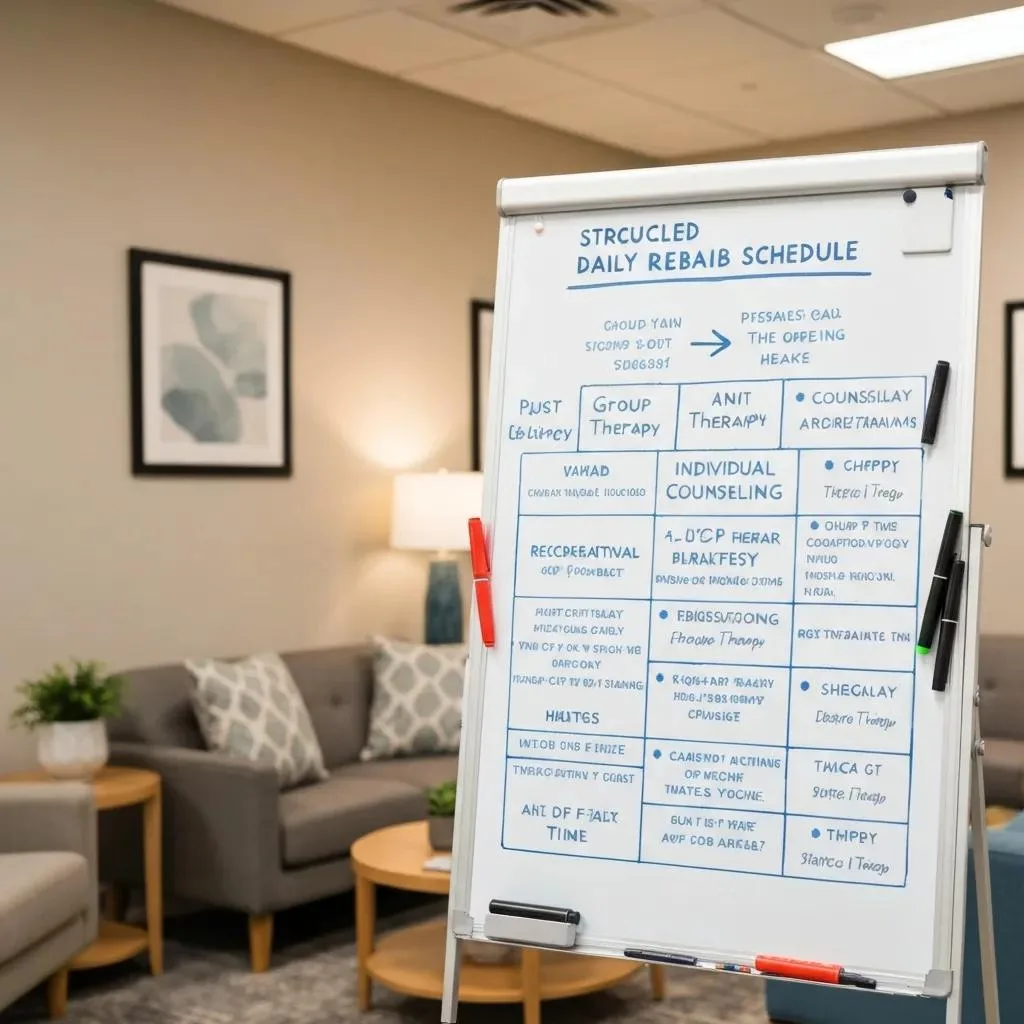
Inpatient or residential rehab in California offers 24/7 clinical staffing, a structured daily routine, and focused therapy that together support medical stabilization, behavioral change, and practical skills‑building in a protected setting. The model combines around‑the‑clock supervision with scheduled individual and group therapy, case management, and medical oversight — reducing exposure to triggers and creating space for intensive work. The main benefits are safety, immersion in recovery activities, and coordinated discharge planning that sets people up for the next step. Below is a sample daily schedule to show how time is commonly organized and to set realistic expectations for a typical day in residential care.
Residential programs usually balance therapy, medical checks, meals, and recovery activities so patients can practice new routines and coping skills in a supportive environment. Programs also follow privacy and safety practices — confidential clinical records, secure living areas, and staff‑led checks — to protect patient wellbeing. Emulate Treatment Center supports families through this continuum by explaining admissions, intake expectations, and how transition planning works from first contact through ongoing care, offering information and guidance without pressure.
What is a typical daily schedule in residential treatment?
A residential day blends medical check‑ins, multiple therapy sessions, meals, and restorative activities to build routine and practical skills. Mornings often start with a health assessment and a brief individual session to set goals for the day, followed by educational or process groups that teach relapse prevention and coping strategies. Afternoons focus on intensive group modalities and skills workshops, and evenings are reserved for reflection, peer connection, and optional family engagement. That rhythm supports learning, reduces exposure to triggers, and creates repeated practice opportunities for new behaviors.
Which evidence‑based therapies are offered in inpatient care?
In California, inpatient programs commonly offer a combination of evidence‑based therapies: cognitive behavioral therapy (CBT), dialectical behavior therapy (DBT), motivational interviewing (MI), trauma‑informed care, and structured group process work. CBT helps people identify and reframe thinking patterns that lead to substance use and teaches concrete relapse‑prevention skills. DBT focuses on emotion regulation and distress tolerance — useful when substance use is tied to mood instability or impulsivity. Programs typically mix individual therapy, group sessions, and family meetings to address relationship dynamics and rebuild support systems that affect recovery.
How do outpatient addiction treatment programs work in California?
Outpatient treatment comes in different intensities — from standard weekly counseling to intensive outpatient programs (IOP) and partial hospitalization programs (PHP) — allowing people to receive structured care while living at home. These programs provide therapeutic contact and medical oversight at frequencies matched to clinical need, which makes it possible to keep working or caring for family while treating substance use. Benefits include greater flexibility, lower cost than inpatient care, and an easier return to daily life; outpatient programs do require medical stability and a supportive home environment to succeed. The table below compares IOP and PHP and includes telehealth or hybrid options to clarify session frequency and who they typically fit.
Many outpatient programs offer telehealth or hybrid models that combine in‑person groups with remote individual sessions to improve access and continuity. These formats need reliable technology and clinician coordination. Typical transition pathways move from inpatient to PHP to IOP as patients stabilize, or from IOP to standard outpatient once skills are consolidated. Providers help coordinate step‑down planning and referrals so patients can maintain gains between levels of care.
This comparison highlights differences in intensity and location. Clinicians decide the best level based on medical stability, relapse risk, and social supports so care is personalized and stepped as needed.
What are the differences between intensive outpatient programs and partial hospitalization programs?
IOP and PHP primarily differ in hours, intensity, and day structure. PHP looks like a daytime hospital program with near full‑day clinical contact; IOP provides several weekly sessions totaling fewer hours and allows more home time. PHP suits people needing frequent clinical observation or a step‑down from inpatient care; IOP fits those who are medically stable but still benefit from several days of structured therapy each week. PHP often includes more integrated medical oversight and case management, so understanding these differences helps families choose a program that balances clinical need with life obligations.
Who is best suited for outpatient addiction treatment?
Outpatient care is best for people who are medically stable, have low withdrawal risk, and have reliable housing and social supports that reinforce recovery. Candidates often keep responsibilities like work or school and need more flexibility than residential care allows, while still benefiting from structured therapy and medication management when necessary. Outpatient care is a common step‑down after inpatient stabilization or a primary option for lower‑severity cases. If safety concerns or a history of severe withdrawal exist, clinicians typically recommend higher‑intensity care before moving to outpatient services.
What types of counseling and therapy are available in California addiction treatment?
California programs use a range of counseling and therapy modalities to address the cognitive, emotional, and social aspects of substance use disorders. These approaches teach skills, change behavior, and repair relationships to support long‑term recovery. Core therapies include cognitive behavioral therapy (CBT), dialectical behavior therapy (DBT), motivational interviewing (MI), trauma‑informed care, family counseling, and group therapy — each offering specific mechanisms like thought restructuring, emotion regulation, or engagement enhancement. The practical value lies in skill building: CBT strengthens relapse‑prevention strategies, DBT targets impulsive behaviors, and combined approaches usually work better than a single modality alone. The subsections below explain CBT, then DBT and family counseling, in more detail.
Programs blend individual and group formats so patients get personalized attention and peer learning. That mix helps people practice new skills in social settings and receive clinician and peer feedback. California clinicians often tailor modalities to co‑occurring disorders and follow evidence‑based protocols aligned with national guidance.
How does cognitive behavioral therapy support recovery?
Cognitive behavioral therapy helps by identifying and reframing unhelpful thoughts and beliefs that lead to substance use, then teaching behavioral experiments and concrete coping skills to change reactions to cravings and triggers. CBT links thoughts to behaviors, so patients can test assumptions, interrupt automatic patterns, and replace them with healthier responses. Practical CBT tools include thought records, activity scheduling, and relapse‑prevention planning — techniques used in session and practiced in daily life. Over time, CBT strengthens alternative responses and increases awareness of risky situations, lowering relapse risk.
What are the roles of dialectical behavior therapy and family counseling?
Dialectical behavior therapy teaches mindfulness, distress tolerance, emotion regulation, and interpersonal effectiveness — skills that help people manage intense feelings and reduce impulsive substance use. DBT is particularly helpful when emotional dysregulation or self‑harm risk co‑occurs with addiction. Family counseling focuses on improving communication, setting boundaries, and rebuilding trust; structured sessions teach relatives how to support recovery while keeping healthy limits. DBT and family therapy together reduce relationship‑based relapse triggers and strengthen a patient’s social safety net. Families can expect therapists to set goals, assign skills practice, and guide honest, safety‑focused conversations that support long‑term recovery.
How can you navigate insurance and costs for addiction treatment in California?
Navigating insurance and costs works best as a step‑by‑step verification process: gather plan and member details, call the insurer to confirm specific rehab benefits, ask exact questions about prior authorization and limits, and get written confirmation of what’s covered. Insurers often treat inpatient and outpatient services differently and require specific documentation; following a checklist reduces surprises and speeds admissions when clinically appropriate. The main benefit is clarity about likely out‑of‑pocket costs and authorization timeframes so families can plan for timely access to care. The steps below offer a practical verification checklist and follow‑up suggestions.
Start by collecting the member ID, group number, plan name, and the insurer’s phone number. Ask whether inpatient detox or residential treatment is covered, whether outpatient or IOP/PHP services are included, what prior authorization rules apply, any day or session limits, and whether out‑of‑network benefits exist. Ask about co‑pays, deductibles, and the plan’s out‑of‑pocket maximum. Request written confirmation or an authorization number and record the representative’s name and callback details. Many providers, including intake or financial counselors at treatment centers, will help verify benefits, translate payer language, and explain next steps without pressuring you to choose a specific program.
- Gather Plan Details: Have the member ID, group number, plan name, and insurer phone number ready before you call.
- Ask Specific Benefit Questions: Confirm inpatient versus outpatient coverage, prior authorization requirements, and any day limits.
- Confirm Financial Responsibility: Ask about co‑pays, deductibles, out‑of‑pocket maximums, and out‑of‑network rates.
- Get Written Confirmation: Request an authorization number or written verification and note the representative’s details.
After verification, follow up with the provider’s intake or financial counselor to coordinate authorizations and scheduling. Many programs can submit authorization requests on your behalf or explain self‑pay and financing options if coverage is limited. Emulate Treatment Center, for example, focuses on providing clear information to help families understand benefits and next steps while respecting their decision process.
How do you verify insurance coverage for rehab programs?
Verifying coverage means calling the insurer with member information, asking a set list of questions, and documenting the responses to confirm what services are covered and what authorizations are needed. Key questions include whether inpatient detox or residential treatment is covered, whether outpatient or IOP/PHP services are included, what prior authorization criteria exist, and any numerical limits on days or sessions. Insurers sometimes apply different rules to medical detox versus behavioral health services, so ask clarifying questions and note any distinctions. Written confirmation and the insurer’s contact details smooth the admission process and reduce the risk of unexpected bills.
What payment options and financial assistance are available?
Common payment options include private insurance, Medicaid/Medi‑Cal for eligible individuals, self‑pay, sliding‑scale fees, and payment plans; eligibility and program policies vary, so verification is essential. Many providers offer financial counseling to explore alternatives, and public payers may cover a range of services for qualifying members. Ask providers about sliding‑scale fees, emergency assistance, or phased payment options while you verify plan coverage. If gaps appear, clear clinical documentation and appeals can sometimes secure additional payer approval for necessary services.
Frequently Asked Questions
What is the role of family involvement in addiction recovery?
Family involvement can be a powerful support. Family therapy helps improve communication, rebuild trust, and set healthy boundaries. When family members learn about addiction and practical coping strategies, they can better support the person in recovery while protecting their own wellbeing. Involving families often increases motivation and accountability — but healthy boundaries and professional guidance are key.
How long does the addiction recovery process typically take?
There’s no single timeline. Detox can last a few days to a week; inpatient rehab commonly ranges from 30 to 90 days; and outpatient care may continue for months depending on needs and intensity. Long‑term recovery often involves ongoing aftercare and community supports that can last for years to maintain progress. Treatment plans are individualized to clinical need and personal goals.
What are the signs that someone may need addiction treatment?
Warning signs include decline in work or school performance, withdrawal from social activities, dramatic mood or behavior changes, and physical signs like weight loss or neglected hygiene. Experiencing cravings, increased tolerance, or withdrawal symptoms when not using are strong indicators that professional help is needed. If you’re unsure, an intake assessment can clarify the level of care needed.
Can addiction recovery programs accommodate co‑occurring mental health disorders?
Yes. Many programs provide integrated treatment for co‑occurring disorders such as anxiety, depression, or PTSD. Treating both substance use and mental health conditions together improves outcomes. Ask providers about their dual‑diagnosis capabilities and how they coordinate psychiatric care with addiction treatment.
What should I look for when choosing an addiction treatment program?
Look for accreditation, evidence‑based treatments, and qualified clinical staff. Consider whether the program addresses co‑occurring disorders, offers family involvement, and provides aftercare support. Ask about success measures, program structure, and whether they help with insurance verification or referrals. A good program will explain options clearly and respect your decision‑making process.
How can I support a loved one going through addiction recovery?
Support looks like patience, education, and steady encouragement. Learn about addiction, listen without judgment, and validate their efforts. Encourage therapy and support groups, help them maintain healthy routines, and set boundaries that protect both of you. Self‑care and outside support for family members are also important during this process.
Conclusion
Understanding the addiction recovery process in California helps individuals and families navigate treatment choices with more confidence. This guide outlines the key stages — from intake through aftercare — and underscores the value of professional support in building lasting recovery. Taking the first step can feel daunting; reaching out to a treatment provider can clarify options and next steps. Explore our resources to find the right support for your journey today.