



Share This Virtual Mental Health Support Guide
Virtual mental health support means getting behavioral health care through digital channels — video, phone, secure messaging, and group platforms — so people can access therapy, counseling, psychiatric follow-up, and care coordination without traveling to a clinic. This guide explains how virtual care operates, walks through intake and scheduling, and shows how remote services fit alongside traditional levels of care like detox, inpatient, and outpatient programs. Many people looking for help don’t know where to start; this article offers clear, step‑by‑step guidance to reduce uncertainty and set realistic expectations around sessions, privacy, and crisis planning. You’ll find what to expect in remote therapy, which issues are commonly treated online, how families can support someone using virtual services, and the trends likely to shape telehealth through 2025. Keywords such as virtual mental health support, online therapy, telehealth mental health, virtual counseling, and online support groups are integrated throughout to help readers locate reliable, practical answers.
What Is Virtual Mental Health Support and How Does It Work?
Virtual mental health support delivers therapy, counseling, psychiatric consultation, and peer or group support using telecommunications technology so care can happen across distance. Clinicians use secure video platforms, phone calls, and encrypted messaging to conduct assessments, deliver evidence‑based treatments, and coordinate with other providers; remote delivery preserves the structure of care while removing some access barriers. Practical benefits include more flexible scheduling, less travel, and the option for asynchronous check‑ins that keep treatment on track. Knowing the main delivery methods clarifies which format best fits someone’s needs and when an in‑person or higher‑acuity visit is necessary.
How virtual mental health care commonly works:
- Video sessions mirror face‑to‑face therapy on secure, HIPAA‑compliant platforms.
- Telephone or audio‑only appointments offer an accessible alternative when video isn’t possible.
- Asynchronous messaging and secure portals enable brief check‑ins, homework exchange, and care coordination.
These platform options guide modality choice based on clinical goals and technical access; the next section outlines common platform types and the clinician roles in virtual care.
What Are Online Therapy Services and Virtual Counseling Platforms?
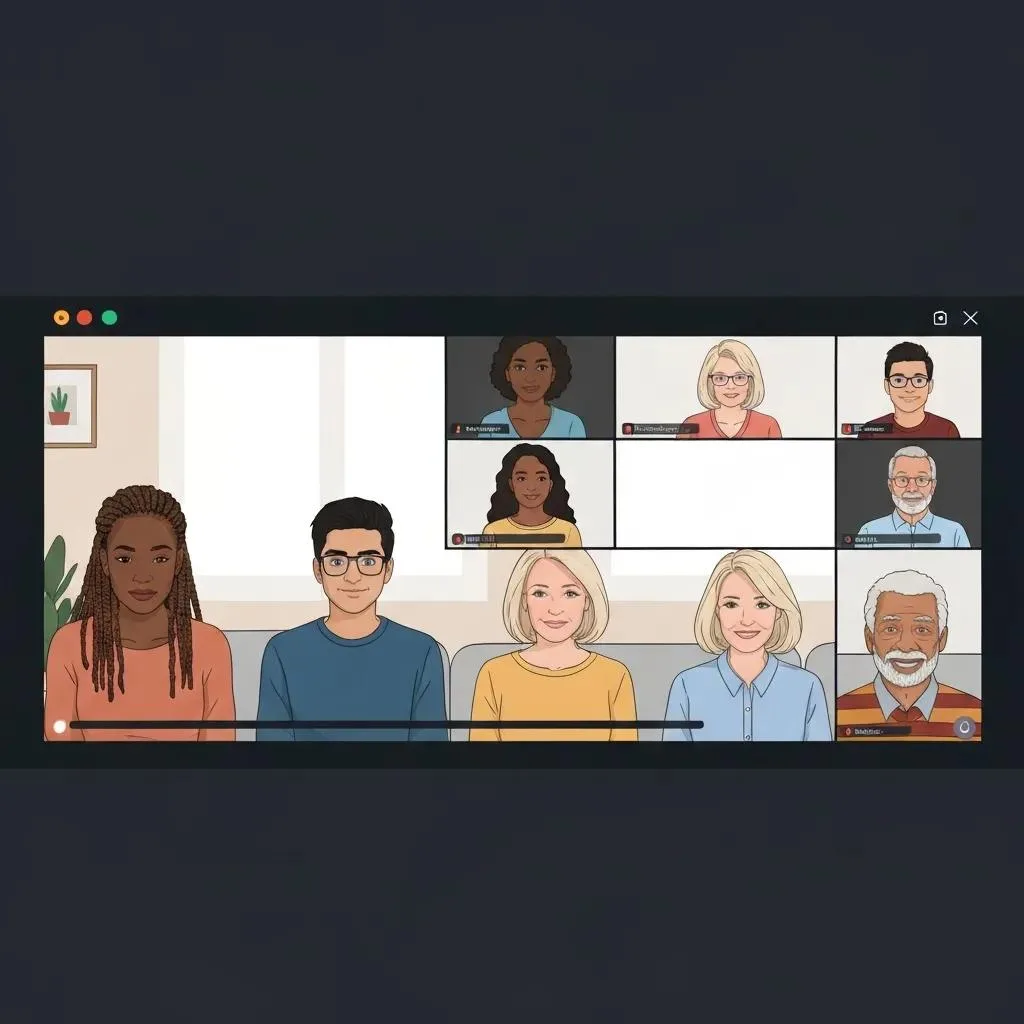
Online therapy services and virtual counseling platforms range from live video visits to text‑based care and moderated group formats, each designed to match therapeutic style to need. Licensed therapists and psychiatrists deliver interventions — for example, cognitive behavioral therapy (CBT) and dialectical behavior therapy (DBT) — by video or structured messaging, while virtual group therapy combines peer support with a clinician facilitator. Each approach has trade‑offs: video preserves nonverbal cues and session rhythm, messaging increases flexibility, and groups offer connection and cost efficiency. Knowing these differences helps people choose the modality most likely to support their goals and sets realistic expectations for how sessions will run.
How Does Telehealth Mental Health Improve Access to Care?
Telehealth improves access by reducing geographic, mobility, and scheduling barriers that often delay care, especially in rural and underserved communities. Remote care can reduce stigma by offering more privacy and the comfort of a familiar environment, and it supports continuity after discharge from higher‑acuity settings by enabling follow‑up without transportation. Telehealth does have limits: it depends on reliable internet, device access, and a private space at home, and some clinical situations still require in‑person assessment or higher levels of care. Recognizing these trade‑offs helps match a person’s needs to the right care pathway and informs decisions about escalation to in‑person or inpatient services.
For a real‑world example of how a provider organizes virtual offerings, Emulate Treatment Center provides online therapy, virtual counseling, telehealth psychiatry, and virtual support groups that explain options and guide intake and scheduling; that model shows how remote services can be coordinated into a broader recovery plan.
How Can You Navigate the Virtual Mental Health Treatment Process?
Navigating virtual treatment follows a predictable sequence: initial contact, screening, intake and assessment, scheduling, the first session, and ongoing follow‑up with measurement and care coordination. A clear process helps people prepare, understand what happens during assessments, and see how virtual care connects to detox, inpatient, or outpatient services when needed. A methodical approach lowers anxiety and improves engagement because expectations are set and support people can involve themselves appropriately.
If you’re ready to begin, follow these quick‑start steps:
- Gather basic items: photo ID, a current medication list, and notes about symptoms or recent crises.
- Complete a screening or intake form so clinicians can triage urgency, match you with the right provider, and plan the assessment.
- Schedule the assessment, confirm the platform and privacy settings, and set up a private space for the session.
- Attend the first assessment, review goals and a safety plan, and agree on follow‑up timing and communication preferences.
- Engage consistently with scheduled sessions and use secure messaging for interim check‑ins or coordination when available.
These steps set expectations and lead into the table below, which summarizes intake phases and preparation to make scheduling clear and actionable.
Introductory table describing intake steps and preparation:
This comparison clarifies time expectations and helps people prepare focused, efficient intake conversations; the next section describes a typical virtual therapy session so you can make the most of remote care.
What Are the Steps in the Virtual Intake and Scheduling Process?
The intake and scheduling workflow starts with contact and ends with a planned first session. During intake, clinicians gather history, assess risk, and determine whether telehealth is appropriate or if in‑person or higher‑acuity referral is needed; intake also surfaces technical and privacy needs so sessions run smoothly. Scheduling usually offers flexibility — weekday and evening options — and confirms platform instructions and consent. Preparing ID, medication lists, and a brief symptom summary speeds the process and lets clinicians focus assessment time on care planning.
Practical preparation tips include charging your device, testing audio/video before the appointment, and choosing a private room. These steps reduce technical interruptions and help keep sessions clinically focused, which leads into the section on session structure and tech best practices.
What Should You Expect During Virtual Therapy and Counseling Sessions?
Virtual therapy sessions typically follow the same clinical structure as in‑person care: brief check‑in, set an agenda, therapeutic work, and plan for between‑session tasks. Sessions commonly last 45–60 minutes. Clinicians may use technology to share worksheets, send secure messages, or assign digital homework, and they often begin with a quick tech check and review of emergency contacts. If technical problems occur, clinicians will switch to a phone call or reschedule, and contingency planning is included during intake to maintain safety. Using a quiet, private space and headphones improves confidentiality and focus.
Knowing the session flow helps clients come prepared with clear goals and topics, which improves the effectiveness of remote therapy and makes it easier to track progress over time.
What Are the Key Benefits and Safety Measures of Remote Mental Health Care?
Remote care delivers practical benefits — expanded access, scheduling flexibility, reduced stigma, and smoother continuity after acute care — while depending on safety and privacy practices to protect patients. Benefits are most meaningful when telehealth matches clinical need and is supported by secure platforms and explicit crisis workflows; together, these elements create safe, effective care pathways. Below is a concise list of core advantages and a clear look at the privacy and safety measures commonly used in virtual settings.
Key benefits of virtual mental health support:
- Accessibility: Removes travel and geographic barriers for people in remote or underserved areas.
- Convenience: Easier scheduling, fewer missed appointments, and faster follow‑up after higher‑acuity care.
- Continuity: Supports seamless transitions between levels of care and ongoing outpatient treatment.
These benefits rely on standardized safety protocols and privacy safeguards, which the following table compares in practical terms.
Privacy and safety features compared:
These safeguards — technical and procedural — work together to protect patients; the next section digs into privacy specifics and patient responsibilities when using digital mental health services.
How Is Privacy Ensured in Digital Mental Wellness Services?
Privacy in digital mental wellness is supported by encrypted platforms, access controls, and clear informed consent that explains data use and record‑keeping. Clinicians choose platforms that meet legal and regulatory standards and discuss limits of confidentiality (for example, mandated reporting or emergency disclosures) during intake. Patients are encouraged to use private spaces and secure networks to reduce exposure. Patients also help protect information by keeping devices updated, using strong passwords, and reviewing privacy notices. When both clinicians and patients understand these shared responsibilities, it strengthens the protection of health information.
Understanding privacy basics naturally leads into how clinicians manage crisis and safety remotely.
What Safety Protocols Are in Place for Virtual Therapy?
Safety protocols for virtual therapy include routine risk screening, collecting local emergency contacts and resources during intake, and predefined escalation workflows for crises. Clinicians document a safety plan and review it regularly. If imminent risk is identified, clinicians coordinate with local emergency services or designated supports and may involve family members when permitted and clinically appropriate; this local coordination extends the safety net beyond the virtual visit. Providers typically receive telehealth‑specific training in risk assessment and documentation to ensure consistent, reliable responses. Patients and families benefit from knowing these steps ahead of time — it builds trust and readiness.
To illustrate how organizations operationalize these protections in practice: Emulate Treatment Center emphasizes clear discussions about treatment options, intake pathways, and safety/privacy procedures during initial conversations, and uses standard protocols to support confidentiality and crisis planning.
Which Mental Health Conditions Are Treated Through Virtual Support?

Virtual services commonly address conditions such as anxiety disorders, depressive disorders, PTSD, and many cases of substance use disorder (SUD) through outpatient therapy and ongoing support. Some presentations still require in‑person evaluation or higher levels of care. Remote modalities adapt evidence‑based treatments — CBT for anxiety and depression, exposure‑informed approaches for PTSD, and structured telehealth check‑ins for SUD recovery — while clinicians watch for signs that call for escalation to detox or inpatient services. Knowing which conditions respond well to remote therapy helps set realistic expectations and informs when a blended or in‑person approach is preferable.
Below is a concise comparison of conditions and typical virtual treatments to guide suitability decisions.
This table clarifies which presentations are commonly managed remotely and what prompts referral to higher‑acuity care; next we look at virtual treatment approaches for anxiety, depression, PTSD, and SUD.
How Does Virtual Therapy Address Anxiety and Depression?
Virtual therapy treats anxiety and depression primarily with adapted CBT, behavioral activation, and telepsychiatry for medication management. For many people, remote delivery produces outcomes similar to in‑person care. Clinicians structure sessions with skill practice, homework, and symptom monitoring using secure platforms, and telepsychiatry supports medication initiation and follow‑up when appropriate. Flexible scheduling and consistent follow‑up help maintain momentum; when comorbidities or severe impairment are present, blended or in‑person care may be recommended. Clear communication about goals, timelines, and outcome measures keeps expectations realistic and progress measurable.
Can Virtual Care Support PTSD and Substance Use Recovery?
Virtual care can support PTSD with trauma‑focused protocols adapted for remote use, including safety planning and clinician‑guided exposure where appropriate. For substance use recovery, telehealth provides counseling, remote check‑ins, and access to virtual support groups. These adaptations are effective for many people, but clinicians continuously evaluate safety and symptom severity to determine if in‑person exposure therapy, residential treatment, or medically supervised detox is required. Family involvement and coordination with local supports are particularly important in SUD cases where withdrawal or medical risk exists. Clear escalation criteria help ensure people receive the right level of care as their needs change.
How Can Families Support Loved Ones Using Virtual Mental Health Services?
Families are often essential in helping someone engage with virtual mental health care. Practical support includes setting up technology, maintaining privacy boundaries, joining family sessions when appropriate, and taking part in safety planning. Family involvement should follow clear consent and boundary agreements that respect adult autonomy while ensuring help is available during crises; clinicians can coach families on ways to support treatment adherence and recognize warning signs. Simple steps — creating a private space for sessions, setting scheduling reminders, and learning common red flags — strengthen continuity and make remote treatment safer.
Resources for family members typically include educational modules, caregiver guides, and family therapy options. The list below highlights common supports families can request or seek out.
- Educational Modules: Short, practical lessons on diagnoses and ways to support recovery.
- Family Therapy Sessions: Structured virtual meetings focused on communication and boundaries.
- Support Groups: Peer‑ or clinician‑led online groups that share strategies and encouragement.
These resources help families provide useful support without overstepping privacy. The table below is a simple checklist families can use during intake and decision‑making.
Family decision‑making checklist:
After reviewing these steps, families who want help starting virtual care can contact a provider to discuss intake and scheduling; for example, Emulate Treatment Center offers guided intake, scheduling assistance, and family‑focused program structure to help families take the next steps without pressure.
If you’re considering next steps, here are low‑pressure options:
- Request an initial phone or online intake to ask questions and explore options.
- Submit a scheduling request to arrange an assessment at a convenient time.
- Ask about family‑session options and privacy consent during intake to plan support roles.
These choices respect autonomy while giving concrete actions to get started; the next section covers trends shaping the future of virtual mental health.
What Are the Future Trends and Innovations in Virtual Mental Health Support?
The future of virtual mental health blends AI‑driven intake and personalization, expanded telepsychiatry, virtual intensive outpatient models, and therapeutic technologies such as VR for exposure work — all aimed at greater personalization and scalability. AI is already used for triage, measurement‑based care, and tailoring resources, but it raises ethical and privacy questions that need oversight and validation. Policy changes that expand reimbursement for telehealth and clarify cross‑state licensure will also influence access and the scope of services. As these technologies evolve, addressing the digital divide and maintaining rigorous safety and privacy standards will determine how broadly benefits are realized.
How Is AI and Telehealth Shaping Digital Mental Wellness?
AI supports telehealth by automating intake triage, enhancing symptom measurement, and suggesting personalized content or session priorities, which can improve efficiency and help clinicians focus on complex cases. These tools act as assistants — clinicians remain responsible for clinical judgment while AI supports workflow and personalization. Limitations include potential algorithmic bias, data security concerns, and the need for clinical validation to ensure safety and effectiveness. Responsible AI deployment requires transparency, clinician oversight, and clear patient consent to preserve therapeutic integrity and trust.
What Policy Changes Affect Access to Virtual Mental Health Care?
Recent policy shifts continue to influence telehealth access by clarifying reimbursement, permitting certain telepsychiatry modalities, and expanding allowances for audio‑only visits in specific circumstances. These changes affect how providers design services and how patients can use virtual care. Insurance coverage decisions and cross‑jurisdictional licensure rules shape whether telehealth scales sustainably, and ongoing legislative updates may change provider options for hybrid or virtual intensive outpatient programs. Staying informed about policy updates helps patients and families understand coverage and plan for continuous care.
This overview anticipates continued innovation and policy evolution through 2025, and it underscores the need for evidence‑based implementation and clear communication between patients, families, and providers about expectations and safety.
Frequently Asked Questions
What types of technology are used in virtual mental health support?
Virtual mental health care uses secure video conferencing platforms, telephone calls, and encrypted messaging systems. These tools let clinicians conduct assessments, deliver therapy, and coordinate care while protecting confidentiality. Video offers real‑time interaction; asynchronous messaging provides flexibility for check‑ins and homework. The right technology depends on clinical goals, patient preferences, and access, so clinicians and patients choose the option that best fits the treatment plan.
How do I choose the right virtual therapy platform?
Choose a platform based on the therapy type you need, your comfort with technology, and the platform’s security features. Prefer HIPAA‑compliant platforms to protect privacy. Consider whether you want video, phone, or messaging, and ask potential therapists about their preferred systems. Reading reviews and asking questions during intake can help you pick a solution that supports your therapeutic goals and feels workable in day‑to‑day life.
Are virtual therapy sessions as effective as in-person sessions?
Research shows virtual therapy can be as effective as in‑person therapy for many people and conditions, including anxiety and depression. The quality of the therapeutic relationship and the use of evidence‑based practices remain central to good outcomes, regardless of delivery method. Some people — particularly those with complex or severe needs — may do better with in‑person care. Talk openly with your clinician about what’s working and what isn’t so you can adjust the plan as needed.
What should I do if I experience technical issues during a session?
If technical problems occur, first check your internet connection, audio, and video settings. If the issue continues, notify your therapist by phone or secure message if possible. Most clinicians have contingency plans such as switching to a phone call or rescheduling. Having an alternate contact method ready helps preserve continuity of care when tech problems arise.
How can I ensure my privacy during virtual therapy sessions?
To protect your privacy, use a secure, HIPAA‑compliant platform and meet in a private, quiet location. Use strong passwords and enable two‑factor authentication when available. Discuss any confidentiality concerns with your clinician and review the platform’s privacy information. Avoid sharing sensitive details over public Wi‑Fi or in public spaces to maintain the integrity of your care.
What role do families play in supporting virtual mental health treatment?
Families can support virtual treatment by helping with technology setup, respecting privacy boundaries, and joining family sessions when appropriate. They can assist with scheduling, create a supportive environment for sessions, and help monitor progress. Open conversations about consent and boundaries ensure family involvement supports recovery without becoming intrusive.
What are the signs that I may need to switch from virtual to in-person therapy?
Consider switching to in‑person care if you experience severe symptoms that need immediate intervention, feel disconnected from your therapist, or struggle to engage with the virtual format. If remote sessions aren’t meeting your needs or you have safety concerns, discuss options with your clinician — they can help assess your situation and recommend the most appropriate level of care.
Conclusion
Virtual mental health support expands access, offers convenience, and helps maintain continuity of care for people seeking help. By understanding the platforms and services available, you can make informed choices that match your needs. If you’re ready to explore options, reach out to a provider for guidance on starting virtual therapy — taking that first step can make a tangible difference in your mental wellness.