


Share This Guide to Cocaine & Meth Abuse Treatment Options
Stimulant abuse refers to the harmful, nonmedical use of psychoactive substances that increase central nervous system activity and elevate mood and energy while disrupting normal brain function. This article explains why cocaine and methamphetamine are high-risk stimulants by summarizing their pharmacology, acute and chronic harms, addiction pathways, and public-health implications so clinicians, families, and people who use drugs can recognize danger signals. You will learn how stimulants hijack dopamine and norepinephrine systems, the behavioral and physical signs that indicate stimulant use disorder, the typical short- and long-term medical consequences, and evidence-based approaches to withdrawal management and sustained recovery. The guide maps immediate medical red flags (for example, hypertensive crisis and overdose), distinguishes neurobiological differences between cocaine and meth, and reviews effective behavioral treatments such as cognitive behavioral therapy and contingency management. Throughout, recent research perspectives and relevant clinical descriptors (e.g., stimulant-induced psychosis, meth mouth, cardiac risks) are used to clarify pathways from acute intoxication to chronic disease. Read on for focused sections that include types of stimulants, addiction signs, detailed effects, withdrawal timelines and management, treatment comparisons, and a direct comparison of cocaine versus methamphetamine risks.
What Are Stimulants and How Do They Affect the Brain?
Stimulants are psychoactive substances that increase neural activity by enhancing monoamine neurotransmission, primarily affecting dopamine and norepinephrine pathways to produce alertness, euphoria, and heightened energy. The mechanism often involves increasing synaptic dopamine either by blocking reuptake or promoting release, which reinforces reward-seeking behavior and establishes addiction through alterations in the prefrontal cortex and striatum. These neurobiological changes reduce cognitive control, enhance cue-driven craving, and shift decision-making toward immediate rewards; understanding this mechanism clarifies why repeated use escalates and why relapse risk remains high after abstinence. Recognizing basic stimulant pharmacology prepares clinicians and caregivers to interpret behavioral signs and select appropriate interventions that target reward circuitry and executive dysfunction.
The following subsection lists commonly abused stimulants and their typical routes of administration, which influence onset, intensity, and harm profile.
Which Types of Stimulants Are Commonly Abused?
Several subclasses of stimulants are commonly misused, including illicit drugs like cocaine and methamphetamine, prescribed amphetamines diverted from medical use, and other psychostimulants such as MDMA. Cocaine is typically insufflated, smoked (crack), or injected and produces rapid, intense euphoria with a short duration, while methamphetamine (crystal meth) is often smoked, injected, or ingested and yields a longer, more sustained stimulant effect with greater neurotoxicity risk. Prescription stimulants such as methylphenidate and amphetamine salts are misused for cognitive enhancement or recreational effects, increasing risk among young adults and students. Routes of administration alter pharmacokinetics: smoking and injection deliver rapid brain exposure and higher overdose risk, whereas oral use produces slower onset but longer duration. Understanding these types and routes helps predict clinical presentations and immediate medical risks such as cardiovascular strain and acute behavioral disturbance.
How Do Cocaine and Methamphetamine Impact Neurotransmitters?
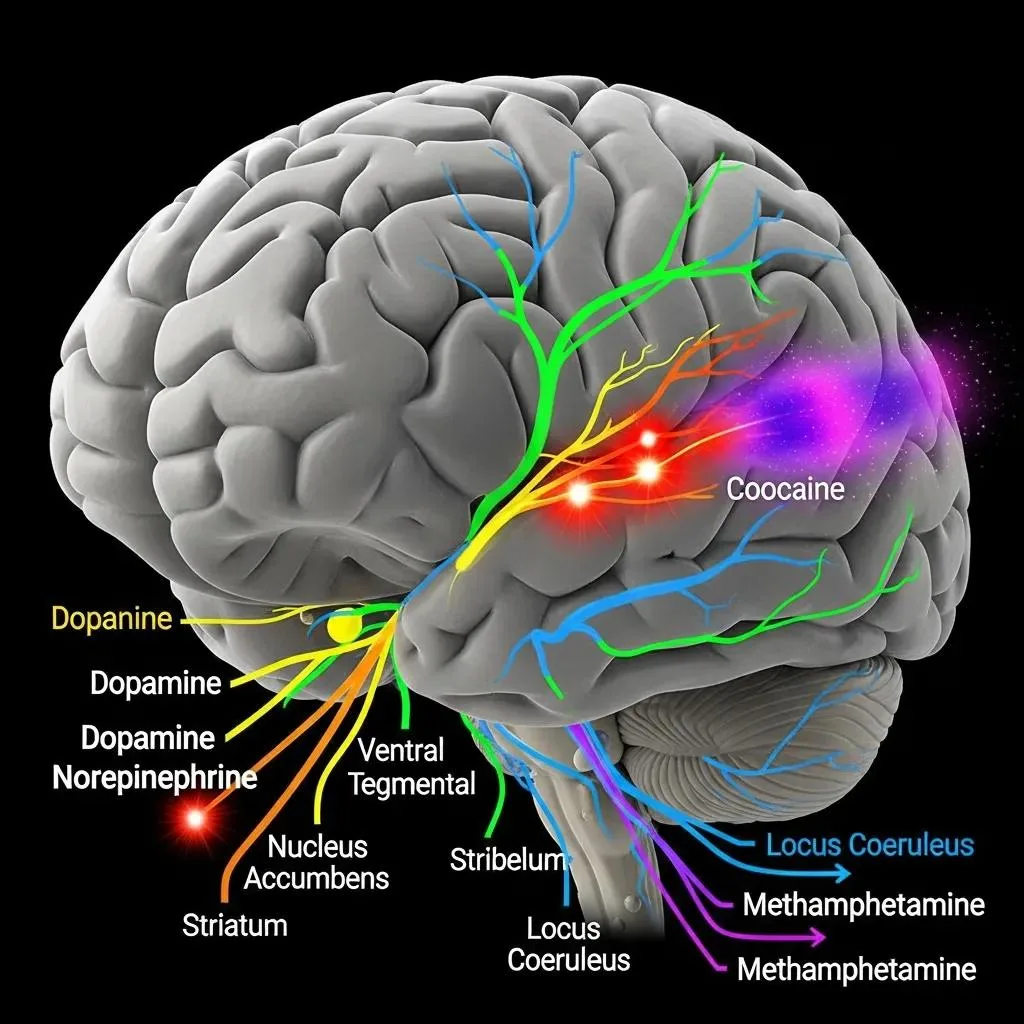
Cocaine primarily inhibits dopamine reuptake by blocking the dopamine transporter, producing abrupt increases in synaptic dopamine and intense but brief euphoria, while methamphetamine not only blocks reuptake but also promotes massive dopamine release and impairs vesicular storage. These distinct pharmacodynamic actions cause different patterns of synaptic dopamine elevation, receptor downregulation, and oxidative stress, leading over time to deficits in reward processing and cognitive control that sustain stimulant addiction. Methamphetamine’s robust dopamine release and longer half-life contribute to prolonged neurotoxic stress on dopaminergic neurons and greater risk for long-term cognitive impairment, whereas cocaine’s rapid peaks predispose users to binge patterns and acute cardiovascular events. Both drugs alter norepinephrine and serotonin signaling to varying degrees, which links to heightened arousal, anxiety, and risk of stimulant-induced psychosis. These neurochemical differences inform clinical expectations for tolerance, withdrawal, and treatment planning.
What Are the Signs and Symptoms of Stimulant Addiction?
Stimulant addiction presents with behavioral, psychological, and physical indicators that reflect disrupted reward pathways, impaired executive function, and systemic organ stress; early recognition improves outcomes.
Core diagnostic and red-flag signs include escalating use despite harm, intense craving, impaired control over use, and continued use despite social or occupational consequences. Observing these signs in combination — for example, marked sleep disruption plus workplace decline and persistent cravings — signals need for assessment for stimulant use disorder.
Stimulant addiction is often visible in behavior and appearance:
- Escalating Use: Increased frequency or dose despite negative consequences.
- Loss of Control: Repeated failed attempts to cut down or stop stimulant use.
- Functional Decline: Noticeable drops in work, school, or family responsibilities.
- Physical Deterioration: Weight loss, dental issues, or cardiovascular complaints.
These signs, when clustered together, strengthen suspicion for a stimulant use disorder and warrant medical or behavioral intervention.
How to Recognize Cocaine Addiction Signs and Behavioral Indicators
Cocaine addiction commonly manifests as bingeing behavior with repeated re-dosing over hours, intense psychological craving between binges, and acute cardiovascular warnings such as chest pain or palpitations. Behavioral indicators include sudden risk-taking, agitation, irritability, and social or occupational decline driven by time spent obtaining and using cocaine. Nasal septum damage and chronic nasal symptoms point to prolonged intranasal use, whereas injection or smoking routes carry infection and pulmonary risks. Families and clinicians should note pattern changes such as short-term intense productivity followed by crashes, which indicate binge cycles and escalating tolerance that often precede serious medical events. Recognizing these patterns supports urgent evaluation for cardiovascular risk and referral to targeted behavioral interventions.
What Are the Key Signs of Methamphetamine Addiction?
Methamphetamine addiction frequently produces prolonged wakefulness, severe and sustained weight loss, and pronounced dental decay known as “meth mouth,” which result from prolonged xerostomia, poor oral hygiene, and bruxism. Behavioral changes often include repetitive skin picking, profound social withdrawal, and high risk of stimulant-induced psychosis characterized by paranoia and hallucinations, particularly during chronic heavy use. Cognitive decline, memory problems, and impaired attention are common and can persist into abstinence due to meth’s neurotoxic effects on dopaminergic systems. These physical and psychiatric signs together indicate advanced methamphetamine misuse and elevated need for structured medical and behavioral support to manage both medical complications and psychiatric comorbidity.
What Are the Short-Term and Long-Term Effects of Cocaine and Meth?
Acute intoxication and chronic use of stimulants produce overlapping but distinct physical and psychological harms, ranging from immediate cardiovascular emergencies to progressive neurocognitive decline. Short-term effects include euphoria, tachycardia, hypertension, agitation, and increased risk of myocardial ischemia or stroke; long-term consequences include cardiomyopathy, persistent cognitive deficits, dental and dermatologic damage, and chronic psychiatric disorders such as mood disorders and stimulant-induced psychosis. Comparing immediate versus chronic outcomes clarifies clinical priorities: address life-threatening acute events in emergency settings, then plan long-term rehabilitation to mitigate neurological and social sequelae.
The following table compares immediate versus long-term physical and psychological effects.
What Are the Immediate Physical and Psychological Effects of Cocaine and Meth?
Immediate effects of cocaine and methamphetamine include pronounced increases in heart rate, blood pressure, and body temperature, accompanied by intense euphoria, elevated energy, and reduced appetite; these acute changes can precipitate medical emergencies. Behavioral manifestations during intoxication often involve agitation, impulsivity, aggression, and risk of violent or dangerous behavior, which increase the need for medical supervision and de-escalation strategies. Overdose indicators include chest pain, severe shortness of breath, collapse, seizures, uncontrollable hyperthermia, or altered consciousness — signs that require immediate emergency care. Recent clinical alerts emphasize the added overdose risk when stimulants are contaminated with potent opioids like fentanyl, making harm-reduction measures and rapid naloxone access important even for stimulant users. Recognition of these acute symptoms allows timely triage and reduces morbidity and mortality.
What Are the Long-Term Health Consequences of Cocaine and Methamphetamine Abuse?
Long-term stimulant use yields cumulative organ damage and psychosocial impairment: cocaine is strongly associated with chronic cardiovascular disease, arrhythmias, myocardial infarction, and stroke, while methamphetamine is tied to severe neurotoxicity, persistent cognitive impairment, and increased risk of Parkinsonian features. Chronic meth use also produces profound dental deterioration, dermatologic injury from skin picking, and extended episodes of psychosis that may persist after abstinence, leading to sustained disability. Both drugs worsen mood disorders, increase suicide risk during withdrawal or depressive phases, and erode social and occupational functioning, perpetuating a cycle of disadvantage. Understanding these enduring outcomes informs prevention strategies and long-term rehabilitation planning that combine medical management, psychiatric care, and social support to restore functioning.
How Do Stimulant Withdrawal Symptoms Present and How Are They Managed?
Stimulant withdrawal typically features a mix of intense psychological symptoms and physical sequelae that peak in the days after cessation and can persist for weeks, requiring structured support to reduce relapse risk. Common withdrawal elements include profound fatigue, hypersomnia or insomnia, dysphoria and anhedonia, increased appetite, and strong cravings; severe cases may present with suicidal ideation or prolonged depressive episodes that need immediate psychiatric care. Management emphasizes medical monitoring for safety, symptom-targeted medications when appropriate, and early initiation of behavioral therapies such as motivational interviewing and CBT to establish coping strategies.
The following table clarifies symptom timelines and management strategies for stimulant withdrawal.
What Are Common Withdrawal Symptoms from Cocaine and Methamphetamine?
Common withdrawal symptoms for both cocaine and meth include profound fatigue, low mood, inability to experience pleasure, sleep disturbances, and intense craving for the stimulant. Cocaine withdrawal often features marked psychological distress and anergia that can prompt rapid relapse during early abstinence, whereas meth withdrawal may involve longer periods of depression and cognitive slowing due to neurochemical depletion. Clinically concerning signs include suicidal ideation or severe psychomotor retardation, which necessitate immediate psychiatric evaluation and possibly inpatient stabilization. Awareness of these typical patterns helps clinicians anticipate support needs and integrate behavioral therapies early to reduce risk and begin recovery.
What Treatment Approaches Help Manage Stimulant Withdrawal?

Treatment for stimulant withdrawal centers on supportive medical care, safety monitoring, and rapid initiation of behavioral therapies that address craving and relapse triggers. There are no widely approved medications specifically for stimulant withdrawal, but symptomatic pharmacotherapy (for sleep, agitation, or severe mood disturbance) is sometimes used under medical supervision to improve tolerability. Structured settings such as medical detox or short inpatient monitoring are indicated for severe withdrawal, high suicidal risk, or significant medical comorbidity; outpatient care with intensive behavioral support may suffice for lower-risk patients. Early engagement with contingency management and CBT during or immediately after withdrawal improves retention and reduces relapse, making linkage to ongoing psychosocial treatment a priority.
What Treatment Options Are Effective for Cocaine and Meth Addiction?
Evidence supports behavioral therapies as the mainstay of treatment for stimulant use disorders, with contingency management and cognitive behavioral therapy demonstrating consistent benefits for reducing use and supporting abstinence. Treatment choice should consider severity, co-occurring psychiatric or medical conditions, social supports, and risk of harm; medical detoxification is indicated for acute medical stabilization, while inpatient versus outpatient care is selected based on acuity and safety needs. Combining behavioral interventions with community resources, peer support, and medical monitoring yields the best outcomes in current research, though pharmacologic options remain limited and investigational.
The following table compares common therapeutic approaches and summarizes evidence levels to guide clinical decision-making.
How Do Behavioral Therapies Like CBT and Contingency Management Support Recovery?
Cognitive Behavioral Therapy reduces stimulant use by teaching patients to identify triggers, develop coping strategies, and rehearse alternative behaviors, thereby strengthening executive control over drug-seeking impulses. Contingency Management reinforces abstinence through tangible rewards, which directly engages reward pathways and compensates for impaired natural reinforcement caused by stimulant-induced neuroadaptation. Both approaches have complementary mechanisms: CBT builds lasting skills for relapse prevention, while contingency management produces rapid reductions in use by changing behavioral contingencies. Practical considerations include access and duration; contingency management requires resources for incentives, and CBT needs trained therapists, but combining them often yields superior retention and sustained abstinence. Integrating these therapies early during withdrawal increases the likelihood of durable recovery.
What Are the Roles of Medical Detox and Inpatient vs. Outpatient Treatment?
Medical detox provides supervised stabilization to manage acute withdrawal symptoms, monitor cardiovascular and psychiatric risks, and initiate safety planning before longer-term treatment begins. Inpatient treatment offers intensive structure, 24-hour medical and psychiatric support, and immediate access to multiple therapies, which is appropriate for patients with severe medical complications, high suicide risk, or unstable housing. Outpatient treatment allows patients to maintain daily responsibilities while engaging in therapy and contingency programs, and it is effective for motivated individuals with lower medical and psychiatric acuity. Choosing between settings depends on clinical severity, co-occurring disorders, risk of harm, and patient preferences, with stepped care models enabling transitions from higher to lower intensity as stability improves.
What Are the Differences Between Cocaine and Methamphetamine in Effects and Risks?
Cocaine and methamphetamine differ in pharmacology, duration of action, and predominant health risks, which shapes clinical management and prevention priorities. Cocaine acts mainly as a dopamine reuptake inhibitor producing short, intense euphoric peaks that favor binge patterns and acute cardiovascular events such as myocardial infarction and stroke. Methamphetamine causes sustained dopamine release and prolonged stimulant effects that increase neurotoxicity risk, produce severe dental and dermatologic complications, and promote longer episodes of psychosis and cognitive decline. These distinctions inform harm-reduction messaging, monitoring priorities, and rehabilitation planning: acute cardiac screening is essential for cocaine users, while neurocognitive and dental rehabilitation are often central for methamphetamine recovery.
How Do Cocaine and Meth Differ in Chemical Action and Duration?
Cocaine rapidly blocks dopamine reuptake, generating a quick onset and short duration of intense euphoria that typically encourages frequent re-dosing and binge cycles. Methamphetamine has a longer half-life and promotes sustained presynaptic dopamine release in addition to reuptake inhibition, resulting in prolonged stimulation, extended wakefulness, and increased neurotoxic stress. These pharmacokinetic differences influence clinical patterns: cocaine’s short effect window drives repeated use and acute cardiovascular strain, while meth’s extended action contributes to extended periods of sleep deprivation, prolonged psychosis episodes, and deeper neurochemical depletion. Route of administration further modifies onset and harm: smoking and injecting both accelerate onset and heighten overdose and infectious disease risks.
What Unique Health Risks Are Associated with Each Stimulant?
Each stimulant carries distinct complications: cocaine is strongly linked to acute cardiovascular events such as myocardial infarction, arrhythmias, and ischemic stroke even in younger adults, particularly during high-dose binges. Methamphetamine uniquely causes severe dental decay (“meth mouth”), dermatologic lesions from skin picking, significant, lasting cognitive impairment, and prolonged or recurrent stimulant-induced psychosis that can persist after cessation. Both stimulants share overlapping risks including increased suicide risk, mood disorders, and elevated overdose potential when drugs are contaminated with opioids such as fentanyl. Awareness of these unique and shared risks enables targeted screening, early intervention, and tailored rehabilitation approaches that address both medical and psychosocial consequences.