


Understanding Self-Harm: Causes, Signs, and Support for Recovery
Self-harm is a complex behavior in which someone intentionally injures their own body to cope with intense emotional pain, overwhelming stress, or dissociation. This article explains what self-harm is, distinguishes non-suicidal self-injury from suicidal behavior, and outlines common methods so readers can recognize patterns without sensationalizing the acts. You will learn the main causes and triggers, the physical and behavioral signs to watch for in teens and adults, practical coping strategies that reduce harm, and evidence-informed treatment and support options. The goal is practical: increase detection, improve immediate safety, and connect people to lasting recovery strategies such as psychotherapy, distress tolerance skills, and community supports. The sections that follow cover definitions and types, causes and triggers with a comparative table, recognition cues with a quick-reference table, actionable coping alternatives with step-by-step techniques, and treatment options including how CBT and DBT differ. Throughout, this guide uses current research and clear, non-judgmental language to support caregivers, educators, clinicians, and people who self-harm in finding safer alternatives and pathways to recovery.
What Is Self-Harm? Definition and Types of Self-Injury
Self-harm refers to deliberate actions that cause physical injury to oneself as a way to manage unbearable emotions, regain a sense of control, or transform psychological pain into physical sensations. The mechanism typically involves immediate emotional relief, reduced dissociation, or punishment of the self, and the behavior functions as a maladaptive coping mechanism rather than a direct expression of intent to die. Understanding these functional reasons clarifies why interventions must address emotion regulation, interpersonal stress, and trauma-related processes to be effective. This section defines key forms of self-injury and sets up why distinguishing intent matters for safety planning and clinical response.
How is Non-Suicidal Self-Injury Different from Other Self-Harm?
Non-suicidal self-injury (NSSI) is defined by intentional self-inflicted injury without conscious suicidal intent, used primarily to regulate negative affect or relieve dissociation. Clinically, NSSI differs from suicidal behavior in intent, frequency, and typical function; suicidal acts aim to end life, while NSSI typically aims to change an internal state. This distinction matters for assessment because safety planning for someone who self-injures must evaluate suicide risk while also addressing the reinforcing cycle that maintains NSSI. Immediate response should prioritize empathic listening, a calm safety assessment, and steps that reduce access to means while arranging mental health follow-up, which together lower acute risk and open the door to targeted treatment.
What Are Common Methods and Types of Self-Harm?
Common types of self-injury include cutting, burning, hitting or punching surfaces, head-banging, and repetitive skin-picking; these hyponyms represent varied behaviors with different immediate risks and medical needs. Frequency and method vary by age, context, and co-occurring conditions: adolescents often present with cutting and superficial wounds, while severe self-inflicted burns or head trauma signal higher medical urgency and possible escalation. Prevalence patterns show that NSSI often begins in adolescence and can persist into adulthood without intervention because the behavior provides immediate relief, reinforcing repetition. Recognizing the method helps prioritize wound care, harm reduction, and specific therapeutic skills such as distress tolerance and emotion regulation training.
– Common self-injury methods include:
- Cutting: Intentional superficial incisions typically on forearms or thighs.
- Burning: Using heat or chemicals to create localized injury.
- Hitting or head-banging: Forceful impact against objects or bodily surfaces.
- Skin-picking: Repeated dermal damage leading to wounds and scarring.
These method distinctions inform both immediate first aid and longer-term therapeutic focus, such as replacing sensory-seeking strategies with safer alternatives.
What Are the Main Causes and Triggers of Self-Harm Behavior?
Self-harm arises from an interplay of distal causes (early trauma, temperament, neurodiversity) and proximal triggers (acute emotional crises, interpersonal conflict, reminders of abuse). The mechanism commonly links emotion dysregulation to behaviors that produce rapid relief, meaning the same internal process—intense negative affect—connects multiple causal pathways. Identifying both underlying causes and immediate triggers enables tailored interventions that reduce relapse by addressing root vulnerabilities and teaching behavioral alternatives during crises. The table below compares common causes and triggers to clarify how clinicians and caregivers can target prevention and treatment strategies.
Different causes and triggers of self-harm can be grouped by underlying mechanism and common contexts.
This table shows how overlapping mechanisms—like dysregulation and shame—can produce self-harm in different contexts, indicating the need for both trauma-informed care and skills-based interventions that reduce immediate triggers.
How Do Emotional Distress and Trauma Contribute to Self-Harm?
Emotional distress and trauma increase self-harm risk by impairing regulation systems and increasing tendencies toward dissociation, self-directed anger, or intolerable numbness that self-injury temporarily alters. Mechanistically, traumatic experiences can sensitize stress-response systems and reduce tolerance for intense affect, making rapid relief via self-injury more likely when acute triggers occur. Empirical studies and clinical observation show higher rates of NSSI among people with histories of childhood abuse, complex trauma, or repeated interpersonal harm, which supports trauma-informed assessment and tailored safety planning. Addressing trauma often requires integrating stabilization, grounding skills, and gradual trauma processing to reduce behavioral reliance on self-injury and improve long-term emotion regulation.
What Mental Health Conditions Are Linked to Self-Harm?
Multiple mental health conditions are correlated with increased self-harm risk because they share mechanisms of mood instability, impulsivity, or intense shame—common examples include major depressive disorder, anxiety disorders, PTSD, borderline personality disorder, eating disorders, and neurodevelopmental conditions like autism and ADHD. Each condition contributes specific risks: depression amplifies hopelessness and self-directed negativity; BPD features rapid mood shifts and interpersonal volatility that can trigger NSSI; autism or ADHD may involve sensory differences and emotion regulation challenges that increase vulnerability. Recognizing these co-occurring conditions shapes treatment priorities, such as integrating DBT skills for emotion regulation or trauma-focused therapies when PTSD is present.
– Mental health conditions commonly associated with self-harm:
- Depression: Increases risk via pervasive negative cognition and low mood.
- Anxiety and PTSD: Heighten arousal and reactivity to triggers.
- Borderline personality disorder: Characterized by emotion dysregulation and impulsivity.
- Eating disorders and neurodiversity (autism, ADHD): Add unique patterns of control, body distress, or sensory challenges.
Identifying these conditions helps clinicians select evidence-based treatments that address both symptoms and the behaviors that maintain self-harm.
How Can You Recognize the Signs of Self-Injury in Teens and Others?
Recognizing self-harm requires attention to physical indicators and behavioral changes alongside contextual cues such as secrecy, sudden clothing changes, or abrupt shifts in social patterns. Early detection rests on both observable signs—scars, fresh wounds, burns—and relational signals like evasiveness about injuries or increased isolation. A sensitive, non-accusatory approach improves disclosure and safety; caregivers should prioritize calm curiosity and practical support rather than punitive responses. The quick-reference table below summarizes physical and behavioral signs to help parents, educators, and clinicians identify when a supportive conversation or professional assessment is needed.
Below is a concise quick-reference table to help identify physical and behavioral signs of self-harm.
This table clarifies which observable indicators most often accompany self-injury, enabling timely, compassionate interventions and appropriate medical evaluation when needed.
What Physical and Behavioral Signs Indicate Self-Harm?
Physical signs of self-harm commonly include unexplained scars or fresh wounds—particularly in patterns on forearms, thighs, or other covered areas—along with burns or repeated skin lesions from picking. Behavioral signs include increased secrecy, sudden social withdrawal, shifts in clothing choices to conceal injuries, and avoidance of activities like swimming or changing in group settings. Changes in mood such as sudden irritability or episodes of intense distress followed by calm can also be indicators because they reflect the relief cycle self-injury produces. When these signs appear together, it is important to approach the person with concern and offer supportive help, and seek medical or mental health assessment if injuries are severe or suicidal intent is suspected.
How to Distinguish Self-Harm from Other Behaviors?
Distinguishing intentional self-injury from accidental harm or substance-related injuries requires contextual clues: deliberate patterns (repeated wounds in accessible locations), secrecy, and statements about self-directed distress suggest intentionality rather than accident. Risk-taking behaviors typically occur in impulsive, externally focused contexts and often involve others, whereas self-injury is usually private and goal-directed toward internal state change. Red flags for intentional self-harm include grooming injuries in consistent areas, signs of concealment, and frequent unexplained injuries that recur over time. When in doubt, a non-judgmental assessment that asks about intent, function, and frequency is essential to determine safety needs and appropriate next steps.
– Key differentiators suggesting intentional self-injury:
- Patterned wounds: Repeated marks in similar areas that are unlikely to be accidental.
- Secrecy or concealment: Deliberate efforts to hide injuries.
- Function statements: Expressions that injuries help manage feelings or produce relief.
Caregivers who notice these signs should prioritize compassionate inquiry and arrange professional assessment when safety is uncertain.
What Are Effective Coping Strategies and Alternatives to Self-Harm?
Effective coping strategies aim to replace self-injury’s immediate relief with safer, functional alternatives that regulate affect and increase distress tolerance. Short-term urge-management techniques provide immediate alternatives during crises, while longer-term emotion regulation skills reduce overall reliance on self-harm. Harm-reduction approaches include safety planning, reducing access to means, and collaborative problem solving that affirms the person’s goals while incrementally building safer behavior patterns. The next lists present practical actionable alternatives and distress tolerance exercises that can be used in moments of high urge.
Below are evidence-informed alternatives to self-harm designed for immediate use and ongoing practice.
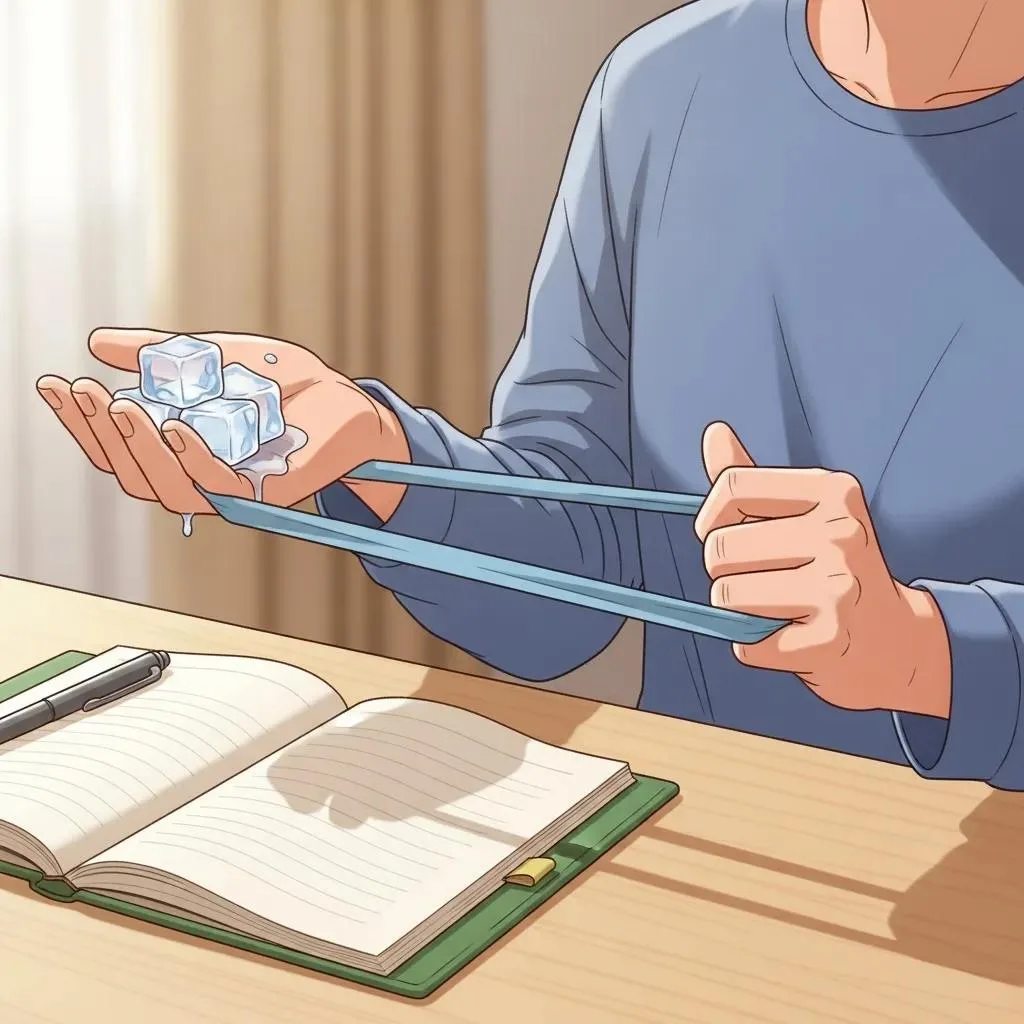
- Sensory substitution (ice, holding an elastic band): Use intense sensory input to replace pain with a controlled sensation.
- Grounding exercises: Name five things you see, four you can touch, three you hear to reorient from distress.
- Physical activity: Short bursts of vigorous movement to change physiological arousal and release tension.
- Journaling or letter-writing: Express intense emotions on paper without self-injury.
- Crisis breathing and paced breathing: Slow inhales and exhales to reduce panic and re-regulate the nervous system.
- Call or text a trusted person or crisis support: Use a prepared list of contacts for moments of high risk.
These alternatives provide immediate tools to interrupt the urge and can be incorporated into a personalized safety plan for longer-term reduction of self-harm behaviors.
Which Healthy Coping Mechanisms Help Manage Self-Harm Urges?
Healthy coping mechanisms that reliably reduce urges include sensory-based techniques, structured distraction, expressive outlets, and skill practice from dialectical behavior therapy (DBT) and cognitive behavioral therapy (CBT). Sensory strategies, such as holding ice or snapping a rubber band, create a controlled sensation that can compete with the urge while minimizing harm. Structured distraction involves short, specific tasks (e.g., 10-minute walk, puzzle) that redirect attention until distress subsides. Expressive methods—journaling, drawing, or writing unsent letters—externalize painful thoughts and reduce the internal pressure that often triggers self-injury. Regular practice of these techniques builds alternative habits that weaken the association between distress and self-harm.
How Can Distress Tolerance Techniques Reduce Self-Injury?
Distress tolerance techniques, many originating from DBT, teach short-term strategies to survive crises without making problems worse, using skills like ACCEPTS (Acknowledge, Contribute, Compare, Emotions, Push away, Thoughts, Sensations) or TIP (Temperature, Intense exercise, Paced breathing, Paired muscle relaxation) to shift physiology and cognition. For example, applying cold water or holding ice (temperature) briefly activates the parasympathetic response and reduces urge intensity; paced breathing lowers heart rate and interrupts panic escalation. These exercises work because they provide immediate physiological anchors and cognitive shifts that interrupt the automatic chain leading to self-injury. Practicing distress tolerance in low-stress contexts improves skill fluency so the techniques are effective when crises occur.
– Distress tolerance exercises to practice:
- Cold water immersion for 30 seconds: Use safe cold sensation to shift arousal.
- 4-4-8 paced breathing: Inhale 4, hold 4, exhale 8 to down-regulate panic.
- Progressive muscle relaxation: Tense and release muscle groups to reduce tension.
Regular rehearsal of these skills increases the likelihood they will replace self-harm in moments of acute distress.
What Treatment Options and Support Are Available for Self-Harm Recovery?

Treatment for self-harm combines crisis management, evidence-based psychotherapy, pharmacotherapy when indicated for co-occurring conditions, and community or peer supports to sustain recovery. Psychotherapeutic approaches that show efficacy include DBT, which targets emotion regulation and interpersonal effectiveness, and CBT, which addresses maladaptive thoughts and behaviors that maintain self-injury. Multimodal care often uses a combination of skills training, safety planning, and trauma-informed therapies depending on the individual’s history. The table below compares core treatment modalities to help readers understand their focus and expected benefits.
This table compares common treatment options by focus and clinical benefits.
Understanding these distinctions helps patients and families ask targeted questions when seeking providers and sets expectations about the course and goals of therapy.
How Do Psychotherapy Approaches Like CBT and DBT Aid Recovery?
CBT reduces self-harm by identifying and modifying distorted thoughts and behavior patterns that lead to maladaptive coping, teaching problem-solving and relapse prevention skills that replace self-injury over time. DBT specifically combines cognitive-behavioral techniques with mindfulness and acceptance strategies to build emotion regulation, distress tolerance, interpersonal effectiveness, and self-management; randomized trials show DBT reduces NSSI frequency and improves functioning. Both therapies emphasize skills practice, homework, and collaborative goal setting; DBT often includes group skills training and telephone coaching while CBT focuses more on cognitive restructuring and behavioral experiments. Choosing between them depends on the person’s needs—DBT for significant emotion dysregulation and recurrent self-harm, CBT for restructuring precipitating beliefs and improving behavioral responses.
Where Can Individuals Find Helplines, Support Groups, and Family Assistance?
In moments of crisis, contacting a local emergency number or a national crisis line provides immediate safety and triage; outside of crisis, peer support groups, school counseling services, and outpatient mental health clinics offer ongoing assistance and skill-building. Families benefit from educational resources that teach how to respond non-judgmentally, create effective safety plans, and support therapy engagement while ensuring appropriate boundaries and supervision. Community supports like peer-led groups and moderated online forums can reduce isolation and provide lived-experience perspectives that complement professional care. When seeking help, prioritize services that provide trauma-informed, non-shaming support and that coordinate medical and psychiatric follow-up when necessary.
– When to use these resources:
- Immediate danger or severe injury: Contact emergency medical services for urgent care.
- High, but non-imminent, risk: Reach out to crisis lines or local mental health urgent services.
- Ongoing support: Engage in outpatient therapy, DBT skills groups, and peer-support communities.
Families and supporters should compile a personalized list of contacts and create a collaborative safety plan with the person who self-harms, ensuring information is accessible during moments of crisis.
This article provides a structured, research-informed pathway from recognizing self-harm to implementing immediate safety steps and accessing longer-term therapies that reduce recurrence. Each section emphasized non-judgmental assessment, functional understanding of behaviors, practical alternatives, and evidence-based treatments to support recovery and minimize harm.