


Understanding Integrated Dual Diagnosis Treatment Methods for Effective Recovery
What Is Dual Diagnosis and Why Is Integrated Treatment Essential?
Dual diagnosis describes when someone is living with both a substance use disorder and a mental health disorder at the same time. Integrated treatment treats those conditions together because their symptoms, triggers, and treatments often overlap. When one condition is treated in isolation, the other can remain unaddressed — which increases the chance of relapse and makes everyday functioning harder. A coordinated plan aligns medication management, therapeutic goals, and relapse-prevention strategies so care is consistent and measurable. Integrated programs typically use a multidisciplinary team — psychiatrists, medical clinicians, therapists, and case managers — who work from a single treatment plan and adjust goals as the person progresses. Knowing why integrated care matters helps patients and families choose programs that minimize fragmentation, improve safety during transitions, and set clear recovery milestones. The next section explains what dual diagnosis looks like in practice and lists common co-occurring conditions clinicians see.
What Does Dual Diagnosis Mean: Definition and Common Co-Occurring Disorders
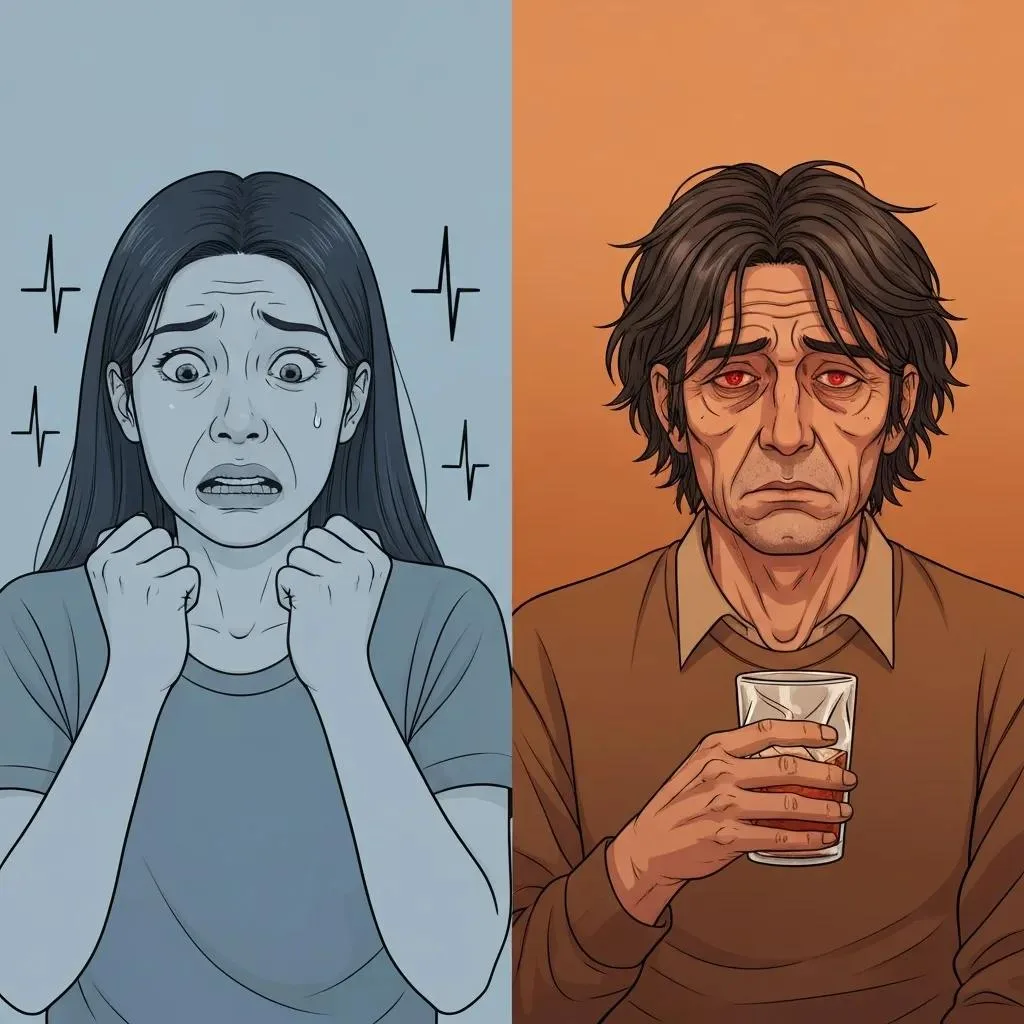
In clinical terms, dual diagnosis means a person meets diagnostic criteria for at least one substance use disorder and at least one mental health disorder, and those disorders interact to influence behavior, thinking, and overall health. Frequently seen co-occurring conditions include depressive disorders, anxiety disorders, post-traumatic stress disorder (PTSD), bipolar disorder, and attention-deficit/hyperactivity disorder (ADHD). Each of these can alter substance-use patterns and affect how someone responds to treatment. Clinicians carefully evaluate symptom overlap, medication interactions, and the timing of substance use versus psychiatric symptoms to decide whether symptoms are substance-induced or persistent. A clear, accurate diagnosis matters because it guides immediate safety choices (for example, whether medical detox is needed) and longer-term psychotherapy or medication strategies that support lasting recovery.
Why Is Integrated Treatment Important for Co-Occurring Disorders?
Integrated treatment matters because mental health symptoms and substance use often reinforce one another through self-medication, similar stress responses, and shared neurobiological pathways. Coordinated care lets clinicians manage psychiatric medications and supervise withdrawal when necessary while delivering evidence-based therapies that target both conditions at once. Current clinical guidelines and outcome research support integrated models: they reduce relapse, improve psychiatric stability, and lower emergency-care use compared with parallel or sequential approaches. Understanding these mechanisms points to the program features to prioritize — shared treatment plans, regular team communication, and structured transitions between levels of care — which we describe next in the context of local program options.
How Does Emulate Treatment Center Approach Dual Diagnosis Treatment in Nevada?
Emulate Treatment Center is based in Woodland Hills, California, and does not operate a facility in Nevada. (emulatecenter.com) It therefore does not provide on-site services in Nevada; individuals looking for dual diagnosis care in Nevada should contact local providers. For example, Life Change Center serves Reno and Sparks and accepts Medicare and several Medicaid plans. (joingroups.com)
What Are the Core Treatment Methods Offered at Emulate Treatment Center?
At Emulate Treatment Center we provide a full continuum of integrated services: medically supervised detox when needed, residential/inpatient stabilization, structured partial hospitalization (PHP) and intensive outpatient (IOP) levels, outpatient counseling, psychiatric medication management, and family-inclusive supports. Each service sits inside a coordinated pathway so a person who completes detox can move into residential or outpatient care without repeating assessments or losing momentum. Roles on the care team are clearly defined so psychiatric evaluation, medication review, and behavioral therapies all inform one evolving treatment plan. That structure reduces fragmentation and makes transitions more predictable for patients and families.
How Does Emulate Ensure Safety, Privacy, and Personalized Care?
Safety at Emulate begins with assessment-driven placement decisions, medical supervision during detox when required, and ongoing monitoring of psychiatric symptoms and medication effects to reduce risk. We follow standard confidentiality practices and create individualized care plans using a comprehensive intake that accounts for diagnosis, trauma history, and recovery goals. Personalization also includes coordinated aftercare planning and connections to community resources to support long-term stability — whether locally or when coordinating care across state lines. These practices are designed to give patients and families clear expectations and confidence during what can be a stressful start to treatment.
What Are the Key Dual Diagnosis Treatment Methods: Detox, Inpatient, Outpatient, and Counseling?
Integrated dual diagnosis care uses multiple levels of treatment — medical detox, inpatient/residential programs, partial hospitalization (PHP), intensive outpatient (IOP), and standard outpatient counseling — each with distinct goals, intensity, and transition criteria. Selecting the right level depends on medical stability, psychiatric acuity, withdrawal risk, social supports, and daily functioning. Integrated programs focus on smooth movement between levels as needs change. Below are concise descriptions of each level, followed by a comparison table that clarifies typical setting, duration, intensity, common therapies, and safety/privacy considerations to help patients and families match clinical needs to program features.
How Does Integrated Dual Diagnosis Detox Work?
Medically supervised detox stabilizes people who are physiologically dependent on substances and manages withdrawal while beginning psychiatric stabilization when appropriate. Detox includes continuous medical monitoring, symptom-targeted medications when clinically indicated, and a coordinated plan for what comes next — remembering that detox stabilizes medical risk but is not in itself full rehabilitation. During detox the team evaluates psychiatric symptoms to decide whether medication adjustments or urgent psychiatric care are required, and case managers arrange timely placement into residential or outpatient programs. Safety measures include medical observation protocols, management of co-occurring psychiatric agitation or suicidal ideation, and clear transition planning to reduce early relapse risk.
Key safety and transition points during detox include:
- Continuous medical observation and vital-sign monitoring.
- Symptom-targeted medication management when clinically indicated.
- Immediate post-detox placement planning to sustain therapeutic momentum.
These steps shorten the gap between stabilization and active, integrated therapy — which supports stronger outcomes.
What Does Inpatient Dual Diagnosis Treatment Include?
Inpatient or residential dual diagnosis programs offer 24/7 structured care for people with high clinical acuity, unstable psychiatric symptoms, or limited supports. Care combines daily group therapy, regular individual therapy, medication management, and medical oversight. A typical day may include multiple group sessions, one-to-two individual sessions per week, psychiatric evaluation with medication adjustments, and practical skill-building such as relapse prevention and coping strategies. The residential setting helps stabilize symptoms while clinicians deliver evidence-based therapies tailored to co-occurring disorders and plan safe transitions to lower levels of care. Program length is based on clinical need, and discharge planning focuses on connecting to outpatient services and community supports that sustain gains.
What Flexible Outpatient Programs Are Available for Dual Diagnosis Care?
Outpatient options range from partial hospitalization programs (PHP), which provide daytime structured therapy and clinical oversight several days per week, to intensive outpatient programs (IOP), which offer concentrated therapy sessions multiple times weekly while allowing people to live at home. Standard outpatient counseling typically involves weekly individual and group therapy with psychiatric follow-up as needed and suits those with stable medical status and reliable supports.
Eligibility for each outpatient tier depends on stabilization, risk assessment, and the person’s ability to engage in community-based care. Each level balances intensity with life responsibilities so people can keep work, school, or family roles while receiving integrated psychiatric and substance-use treatment. Transitioning from PHP/IOP to standard outpatient care is coordinated through shared treatment plans to preserve continuity.
Which Counseling and Therapy Approaches Support Co-Occurring Disorders?
Evidence-based therapies commonly used for dual diagnosis include Cognitive Behavioral Therapy (CBT) to address unhelpful thoughts and substance-related behaviors; Dialectical Behavior Therapy (DBT) for emotion regulation and crisis skills; family therapy to repair relationships and strengthen aftercare supports; and trauma-focused methods such as Eye Movement Desensitization and Reprocessing (EMDR) when trauma is a factor. Medication management is integrated when appropriate for mood, anxiety, or psychotic disorders, and medication-assisted treatment is used for specific substance use disorders. Therapists and prescribers collaborate closely to avoid harmful interactions. Group therapy and peer-support models provide social learning and practical relapse-prevention practice, while individualized therapy targets personal triggers and coping strategies that bridge psychiatric and addiction goals.
Integrated Treatment Model for Psychosis and Addiction Dual Diagnosis
A clinical model that combines treatment for psychosis and addiction within a recovery-focused framework. It draws on disease-and-recovery concepts used in addiction treatment and adapts them to support patients with co-occurring psychosis and substance use.
This comparison demonstrates how each level addresses different stabilization and rehabilitation goals while forming an integrated pathway from acute care to community-based recovery.
What Are the Benefits and Expected Outcomes of Integrated Dual Diagnosis Treatment?
Integrated dual diagnosis treatment improves outcomes by treating substance use and psychiatric symptoms together, which reduces relapse triggers and supports better functional recovery. Coordinated medication management and psychotherapy lessen overall symptom burden, while unified treatment planning decreases the fragmentation that often led to repeat hospitalizations and emergency visits.
Evidence from clinical studies and systematic reviews shows integrated care leads to better engagement, improved psychiatric symptom control, and more sustained reductions in substance use than non-integrated approaches. Individual results vary, but realistic expectations typically include medical and psychiatric stabilization over weeks to months, progressive reductions in substance use, and gradual functional recovery supported by aftercare planning.
How Does Integrated Treatment Improve Recovery and Reduce Relapse?
Integrated treatment lowers relapse risk by addressing the behavioral and psychiatric drivers of substance use at the same time. Treating anxiety, depression, or mood instability alongside cravings and substance-related behaviors interrupts the cycle where psychiatric symptoms lead to substance use and substance use worsens psychiatric symptoms. Medication management can correct neurochemical imbalances that increase relapse risk, while behavioral therapies teach practical coping skills.
Clinical pathways that move people quickly from detox to active psychotherapy and medication review preserve motivation and shorten the vulnerable gap when relapse risk is highest. These design features support steadier engagement and improved long-term stability for many patients.
What Evidence-Based Therapies Enhance Dual Diagnosis Recovery?
Therapies shown to help dual diagnosis recovery include CBT for substance use and mood symptoms, DBT for emotional regulation and impulsivity, integrated group therapies that practice relapse-prevention skills, and medication strategies managed by psychiatrists. Combining medication with psychotherapy addresses both biological and behavioral contributors to relapse and improves outcomes. Research supports integrated, team-based care; clinicians use ongoing outcome monitoring and adaptive treatment plans to adjust therapy intensity as recovery progresses.
These outcome categories reflect practical benefits patients and families can expect from integrated care while acknowledging that progress depends on factors such as severity, social supports, and treatment adherence.
How Can Families Support Loved Ones Through Dual Diagnosis Treatment?
Families are essential before, during, and after treatment: they can notice early warning signs, help arrange assessments, join family therapy when appropriate, and support adherence to aftercare plans. Clear communication about boundaries, realistic expectations, and confidentiality limits (what clinicians can and cannot share) helps families stay involved without undermining the patient’s autonomy. Learning about co-occurring disorders, practicing relapse-prevention skills, and connecting to support groups help families build environments that support recovery. Practical involvement combined with professional guidance reduces caregiver burnout and improves long-term outcomes.
What Resources and Family Therapy Options Are Available?
Common family resources include structured family therapy to improve communication and prevent relapse, educational workshops about dual diagnosis, and referrals to community support groups focused on family wellness. Family therapy ranges from brief strategic sessions to longer-term systemic therapy that explores dynamics contributing to substance use and psychiatric relapse. Local and national support organizations provide complementary education and peer support, helping families move from crisis response to skills-based support that sustains recovery.
How Can Families Navigate the Treatment Process and Expectations?
Families should prepare documents for intake, be ready to share observations about symptoms and behavior, and ask providers about confidentiality and appropriate family involvement. Effective strategies include setting compassionate boundaries, practicing supportive communication, and coordinating with the treatment team on follow-up roles. Families should expect variable timelines: initial stabilization can take days to weeks, while meaningful functional recovery often unfolds over months. Ask clinicians for measurable short-term goals and clear next steps to reduce uncertainty.
Practical family checklist for treatment navigation:
- Gather medical history and recent behavioral observations to share at intake.
- Ask providers about confidentiality, consent, and how family members can be involved.
- Identify local support groups and educational resources to join during treatment.
Using these steps helps families understand the process and participate in constructive ways.
How Do You Navigate Insurance and Admissions for Dual Diagnosis Treatment in Nevada?
Admissions and insurance navigation start with a clear intake workflow: benefits verification, clinical assessment, placement decision, and scheduling for the appropriate level of care. Nevada-specific issues often involve coordinating with in-state behavioral health resources and arranging safe transitions within the state. Patients and families benefit from programs that explain verification steps, typical timelines, and required documentation. Emulate Treatment Center uses a standardized intake process to explain placement criteria and expected timelines while guiding benefits verification and next-step logistics in a straightforward, supportive way. The steps below outline a practical admission sequence and the accompanying table maps each intake step to what happens and typical timeframes.
What Insurance Plans Does Emulate Treatment Center Accept?
Emulate Treatment Center is in-network with Magellan Health, Blue Shield of California, and Scripps Health Plan for outpatient substance use and mental health coverage. (emulatecenter.com) If you’re seeking care in Nevada, verify coverage with local providers since plans and networks can vary by state and provider.
What Is the Step-by-Step Admissions and Intake Process?
A clear admissions pathway helps families move from first contact to placement efficiently: initial contact and benefits check, clinical intake and safety screening, placement based on assessment, and coordinated scheduling with a treatment-team handoff. Documents that speed intake include a photo ID, insurance information, a list of current medications, and concise notes on recent substance use and psychiatric symptoms. During intake, clinicians triage immediate medical or psychiatric risks, decide whether medical detox is needed, and create an initial treatment plan that specifies the recommended level of care and estimated timelines for transition. This stepwise approach reduces confusion and supports rapid, safe placement into an integrated treatment pathway.
- First call or form submission: provide basic contact and insurance details.
- Benefits verification: admissions confirms coverage and any authorization requirements.
- Clinical intake: medical and psychiatric assessments determine the appropriate placement.
- Placement and scheduling: program slot is confirmed and intake paperwork is completed.
Having these items ready in advance streamlines intake and helps clinicians make timely, safe placement decisions.
Frequently Asked Questions
What are the signs that someone may have a dual diagnosis?
Signs of a dual diagnosis often include a mix of substance-use behaviors and mental health symptoms. For example, someone might increase substance use to cope with anxiety or depression, creating a cycle that worsens both conditions. Other warning signs include strong mood shifts, withdrawing from friends and activities, changes in sleep or appetite, and difficulty managing work or home responsibilities. Spotting these signs early makes timely intervention more likely and improves the chance of a positive outcome.
How can families effectively support a loved one with dual diagnosis?
Families can support a loved one by learning about co-occurring disorders and available treatments, keeping communication open and nonjudgmental, and participating in family therapy when appropriate. Encouraging treatment adherence and being involved in aftercare planning are practical ways to help. Family support groups provide education and emotional resources that reduce isolation and help caregivers stay resilient during the recovery process.
What role does aftercare play in dual diagnosis recovery?
Aftercare is critical to long-term recovery. It provides ongoing therapy, peer and community support, and monitoring after the initial treatment phase. Aftercare helps people manage triggers, practice coping strategies, and stay connected to clinical supports. Typical aftercare options include outpatient therapy, support groups, medication follow-ups, and regular check-ins with providers — all of which reduce relapse risk and support steady progress.
What are the potential challenges in treating dual diagnosis?
Treating dual diagnosis can be complex because symptoms overlap and it may be hard to identify which condition is primary. Stigma around both substance use and mental illness can delay help-seeking. Treatment must be individualized — what works for one person won’t work for another — and coordination across providers is essential. Clear communication, integrated care plans, and consistent team collaboration help overcome these challenges and improve outcomes.
How can individuals find the right treatment program for dual diagnosis?
Finding the right program means looking for integrated care that offers comprehensive assessment, personalized treatment plans, and a multidisciplinary team. Consider practical factors like location, insurance coverage, and available therapies. Talk with healthcare professionals, read reviews, and, when possible, visit programs to understand the environment. The best program aligns with a person’s clinical needs, recovery goals, and logistical requirements.
What is the importance of a multidisciplinary team in dual diagnosis treatment?
A multidisciplinary team — psychiatrists, therapists, medical providers, and case managers — ensures that all aspects of a person’s health are considered and treated together. Regular team communication allows for timely adjustments based on progress, and combined expertise results in more comprehensive, safer, and more effective care. This collaborative approach is a core reason integrated programs tend to produce better outcomes.
Conclusion
Integrated dual diagnosis treatment addresses mental health and substance use disorders together, giving people a clearer, safer path to recovery. With a multidisciplinary team and evidence-based therapies, integrated care reduces relapse risk and supports steadier functional recovery. Families are vital partners in this work — their involvement, when guided by clinicians, strengthens aftercare and long-term stability. If you or a loved one is facing co-occurring disorders, explore local integrated treatment options to take a practical first step toward lasting recovery.