


Understanding Addiction: Causes, Symptoms, and Recovery Explained
Addiction is a treatable medical condition characterized by compulsive substance use or behaviors despite harmful consequences, rooted in changes to brain circuitry and decision-making. This article explains what addiction and substance use disorder are, how neurochemistry and neuroplasticity drive compulsive use, the main biological and psychosocial causes, and clear signs that indicate when professional help is needed. Readers will gain practical insight into common withdrawal symptoms, how genetic and environmental factors interact, and the evidence-based stages and treatments used in modern recovery. The guide also outlines relapse prevention strategies and the role of social support in maintaining long-term sobriety. Embedded lists and tables distill high-value clinical cues and recovery planning tools, while each section connects neurobiology to real-world treatment choices to help clinicians, families, and people in recovery make informed decisions.
What Is Addiction? Definition, Types, and Impact
Addiction is a chronic brain disorder defined by recurrent compulsive engagement in rewarding stimuli despite adverse outcomes, and it often meets clinical criteria for a substance use disorder when significant impairment occurs. The mechanisms involve hijacking of reward circuitry and impaired executive control, which explains persistent use even when negative consequences accumulate. The impact of addiction extends from medical complications to social, occupational, and legal harms, creating broad costs for individuals and communities. Understanding types of addiction clarifies how treatment and prognosis differ across presentations and why medical framing reduces stigma and supports comprehensive care.
Addiction broadly falls into substance-related and behavioral categories:
- Substance Use Disorders: Alcohol use disorder, opioid use disorder, stimulant use disorder are primary examples with measurable tolerance and withdrawal.
- Behavioral Addictions: Gambling disorder and gaming disorder display compulsive patterns without classic physiological withdrawal.
- Overlap and Comorbidity: Behavioral and substance addictions can co-occur and share neural pathways, complicating assessment and treatment.
This distinction prepares us to examine the neuroscience that defines addiction as a chronic brain disease, which helps guide effective interventions.
How Is Addiction Defined as a Chronic Brain Disease?
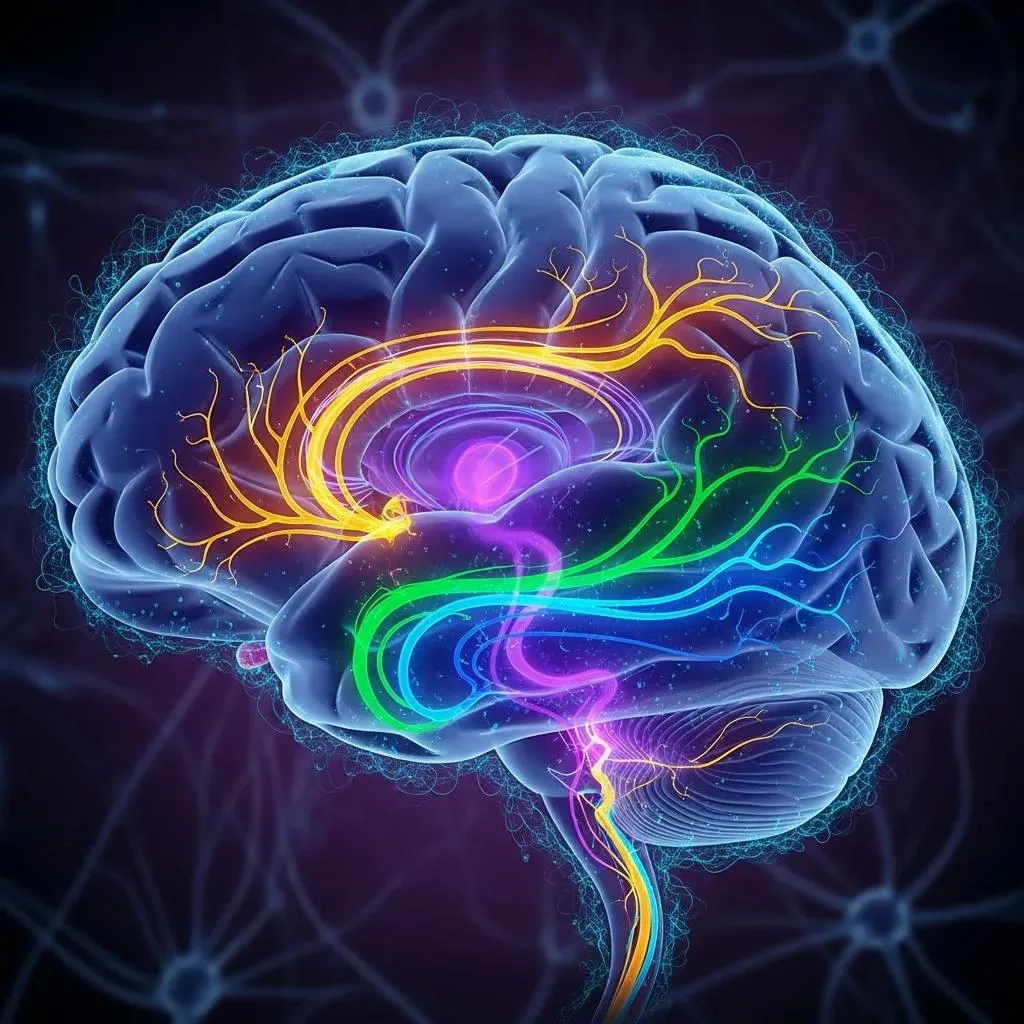
The chronic brain disease model characterizes addiction as persistent changes in brain structure and function that alter reward, stress, and self-control systems. Neuroimaging and longitudinal studies show altered dopaminergic signaling, reduced prefrontal regulation, and durable synaptic adaptations that underpin craving and relapse vulnerability. Viewing addiction as a medical condition reframes it away from moral failure toward treatable pathology, encouraging access to evidence-based therapies and medications. This perspective implies long-term management strategies similar to other chronic diseases and supports continued monitoring and relapse prevention as part of routine care.
This disease framing leads directly into examining the specific neural systems, especially the role of dopamine, that are central to addictive behavior and relapse risk.
What Are the Different Types of Addiction: Substance Use and Behavioral?
Substance use disorders involve pharmacological effects that produce tolerance, withdrawal, and defined diagnostic criteria, while behavioral addictions center on compulsive engagement in rewarding activities without exogenous chemicals. Examples of substance hyponyms include alcohol use disorder and opioid use disorder, both of which can produce medically significant withdrawal syndromes; behavioral hyponyms include gambling disorder and gaming disorder that primarily disrupt decision-making and reward learning. Despite differences in physiology, both types share impaired reward-circuit functioning and often co-occur with mood or anxiety disorders. Recognizing these categories helps clinicians tailor interventions, such as medication-assisted treatment for certain substances or behavioral therapies for compulsive behaviors.
This taxonomy sets the stage to explore how addiction alters brain chemistry and neurocircuitry in detail.
How Does Addiction Affect the Brain and Neurochemistry?
Addiction fundamentally alters the brain’s reward circuitry by reinforcing behaviors through dopaminergic signaling and changing synaptic strength, which increases the salience of substance-related cues over other rewards. These neuroadaptations affect the nucleus accumbens, ventral tegmental area (VTA), and prefrontal cortex, reducing executive control and increasing impulsivity. The result is a learning-driven cycle where drug-related cues trigger strong craving responses and habitual behaviors that are resistant to change. Understanding these mechanisms frames treatment approaches designed to restore regulation and promote adaptive neuroplasticity.
Key neurobiological components include the reward circuit meronyms:
- Reward circuit components: Nucleus accumbens, VTA, prefrontal cortex.
- Pathways involved: Dopaminergic pathways that signal prediction and reinforcement.
- Functional consequences: Heightened cue reactivity, impaired inhibition, and altered stress responsivity.
These circuit-level effects explain why targeting dopamine and restoring executive function are central to treatment, which we examine next by focusing on dopamine’s role.
What Role Does Dopamine Play in the Brain’s Reward System?
Dopamine functions as a reinforcement and prediction signal that helps the brain learn which actions produce rewarding outcomes and should be repeated. In addiction, substances and certain behaviors cause supraphysiologic dopamine surges that strengthen drug-associated cues and habits, shifting motivation toward immediate reward despite long-term harm. Over time the dopamine system adapts—baseline signaling falls, tolerance develops, and more of the substance is required to achieve the same effect—producing craving and compulsive seeking. This understanding supports interventions that stabilize reward signaling and teach alternative reinforcement strategies to reduce cue-driven relapse.
These dopamine-driven changes lead to broader adaptations across synapses and networks that alter decision-making and memory, so next we consider neuroplastic changes in addiction.
How Does Addiction Change Brain Function and Neuroplasticity?
Addiction remodels synaptic connections, strengthening pathways tied to drug-seeking while weakening circuits responsible for self-control and flexible decision-making. Chronic exposure produces structural changes in dendritic spines, receptor expression, and long-term potentiation mechanisms that encode maladaptive reward memories. However, neuroplasticity also enables recovery: with sustained abstinence and targeted therapies the brain can form new adaptive pathways, improving executive function and reducing cue reactivity over months to years. Recognizing both the damage and the brain’s capacity for repair guides treatment planning that pairs psychosocial interventions with activities that promote healthy neural rewiring.
These neuroplastic processes connect directly to vulnerability: why some people develop addiction while others do not, which we address in the next section on causes.
What Are the Main Causes of Addiction? Biological, Psychological, and Environmental Factors
Addiction risk emerges from interacting biological, psychological, and environmental factors that together determine vulnerability and course of illness. Biological contributors include genetic predisposition and differences in metabolism and neurochemistry, psychological factors encompass trauma and co-occurring mental illness, and environmental drivers involve exposure, social modeling, and socioeconomic stressors. Each category acts through specific mechanisms to influence reward learning, stress responsivity, and access to substances or behaviors. Summarizing these causes helps clinicians and families prioritize prevention and early intervention strategies.
Three primary cause categories with examples:
- Biological: Genetic predisposition, neurochemical sensitivity.
- Psychological: Trauma, PTSD, anxiety, depression.
- Environmental: Peer influence, early exposure, socioeconomic stress.
Understanding this interplay leads into a concise comparison of causes and mechanisms shown below.
These cause categories interact dynamically, so targeted prevention must address biological risk, psychological supports, and structural environmental factors to reduce overall incidence.
How Do Genetic and Biological Factors Contribute to Addiction Risk?
Genetic factors account for a substantial portion of variance in addiction vulnerability, with heritability estimates varying by substance but often in the moderate range. Biological mechanisms include differences in neurotransmitter receptors, drug metabolism enzymes, and stress-response pathways that modulate reinforcement and withdrawal severity. Gene-environment interactions mean that genetic risk often requires environmental triggers—such as early exposure or trauma—to produce observable addiction. Clinically, recognizing biological risk supports early monitoring, family-focused prevention, and, when appropriate, pharmacologic strategies tailored to neurochemical profiles.
These biological predispositions work alongside psychological triggers, which we now examine in more detail.
What Psychological and Environmental Triggers Increase Addiction Vulnerability?
Psychological triggers such as adverse childhood experiences, untreated mood disorders, and trauma increase reliance on substances or behaviors as maladaptive coping strategies. Environmental contributors include peer modeling, easy availability, socioeconomic hardship, and cultural norms that shape initiation and escalation. Early exposure to substances during adolescence uniquely interacts with developing neural circuits, raising long-term susceptibility. Identifying these triggers enables targeted prevention—trauma-informed care, social supports, and early treatment of co-occurring disorders reduce the likelihood of progression.
Recognizing risk signs connects to practical detection: how addiction presents through physical, behavioral, and emotional indicators in daily life.
What Are the Signs and Symptoms of Addiction? Physical, Behavioral, and Emotional Indicators
Addiction presents with a constellation of physical, behavioral, and emotional signs that together indicate loss of control and impaired functioning; early recognition improves outcomes. Physically, tolerance and withdrawal are hallmark signs for many substances; behaviorally, compulsive use, secretive behavior, and neglect of responsibilities are common. Emotionally, mood instability, anxiety, shame, and anhedonia frequently accompany and perpetuate substance use. Families and clinicians should use this triad to evaluate severity and urgency of intervention.
Top signs summarized in three categories:
- Physical: Increasing tolerance, withdrawal symptoms, changes in sleep or appetite.
- Behavioral: Loss of control over use, risky behaviors, neglect of obligations.
- Emotional: Mood swings, social withdrawal, persistent cravings.
These indicators help determine when medical evaluation is required, as detailed in the quick-reference table below.
This quick reference helps prioritize emergency care versus outpatient referral and supports early, appropriate clinical responses.
What Are the Common Physical and Withdrawal Symptoms of Addiction?
Withdrawal syndromes vary by substance class but commonly include autonomic hyperactivity, gastrointestinal distress, sleep disturbance, and affective symptoms such as anxiety or dysphoria. Alcohol and benzodiazepine withdrawal can escalate to seizures and delirium tremens, requiring medical supervision, while opioid withdrawal is intensely uncomfortable but rarely life-threatening and often managed with medication-assisted treatment. Post-acute withdrawal syndrome (PAWS) may produce prolonged cognitive and emotional symptoms after initial detox, increasing relapse risk. Recognizing substance-specific timelines and red flags ensures safe withdrawal planning and appropriate referrals.
How Can Behavioral and Emotional Signs Reveal Addiction?
Behavioral red flags include escalating secrecy around use, missed obligations at work or school, financial problems tied to obtaining substances, and tolerance-driven increases in consumption. Emotionally, individuals may display heightened irritability, pervasive guilt, flat affect, or sudden loss of interest in previously enjoyed activities, all of which signal functional impairment. These patterns often erode relationships and performance before medical complications appear, making timely psychosocial assessment critical. Families and clinicians should document changes and engage supportive interventions that address both behavior and underlying emotional drivers.
What Are the Stages and Options in the Addiction Recovery Process?
Recovery unfolds through identifiable stages—each with characteristic tasks and suitable treatment options—and successful long-term outcomes rely on matching interventions to stage-specific needs. Commonly used five-stage models include precontemplation, contemplation, preparation, action, and maintenance, and each stage benefits from specific clinical strategies ranging from motivational interviewing to relapse prevention planning. Evidence-based treatments such as detoxification, medication-assisted treatment, cognitive behavioral therapies, and peer support are deployed across stages to address both acute and chronic needs. Coordinated aftercare and integration of services for co-occurring disorders significantly improve sustained recovery.
The five stages are summarized here for quick reference and practical tasks.
- Precontemplation: Individual does not recognize a problem; goal is awareness through brief interventions.
- Contemplation: Person ambivalent about change; goal is motivation-building and consideration of options.
- Preparation: Planning to change; goal is creating a treatment plan and arranging supports.
- Action: Active engagement in treatment (detox, therapy, medications); goal is achieving initial abstinence.
- Maintenance: Sustaining change and preventing relapse; goal is long-term coping strategies and social reintegration.
Matching treatments to stages is clarified in the following comparison table to guide clinical planning and patient education.
This mapping helps clinicians select interventions aligned with readiness and expected outcomes, improving engagement and retention.
What Are the Five Stages of Addiction Recovery?
The five-stage recovery model describes progression from unawareness to sustained behavior change and provides specific goals for each level of readiness. Early stages prioritize engagement and motivation, often using motivational interviewing and brief interventions, while action-stage care includes medically supervised detox and structured behavioral therapies. Maintenance focuses on relapse prevention skills, peer support participation, and addressing social determinants that threaten stability. Recognizing fluid movement between stages helps clinicians and families normalize setbacks and plan appropriately for relapse risk.
This staged understanding prepares us to review evidence-based treatment modalities that support each recovery phase.
Which Evidence-Based Treatments and Support Systems Aid Recovery?
Multiple evidence-based approaches reduce use and improve functioning: cognitive-behavioral therapy (CBT) and contingency management address behavioral patterns, medication-assisted treatment (MAT) stabilizes neurochemistry for opioid and alcohol disorders, and integrated care treats co-occurring mental health conditions. Peer support groups like mutual-help organizations supplement formal treatment by providing social connection and accountability, while case management addresses housing, employment, and legal needs. Current research supports combining pharmacotherapy with psychosocial interventions to maximize outcomes and reduce relapse risk.
How Can Relapse Be Prevented and Long-Term Sobriety Maintained?

Relapse prevention requires structured identification of triggers, development of coping skills, maintenance of medication adherence when indicated, and continual strengthening of social supports that reinforce sobriety. Routine monitoring, early intervention for lapses, and practicing behavioral strategies—such as stimulus control, cognitive reframing, and problem-solving—reduce relapse probability. Lifestyle stabilization through regular sleep, exercise, and vocational engagement supports resilience and decreases vulnerability to stress-induced relapse. Planning for high-risk situations and rehearsing alternative responses turns knowledge into actionable routines that protect recovery.
Key relapse prevention tactics include the following checklist to build a practical plan.
- Identify triggers: Recognize people, places, and emotions that prompt use.
- Use coping skills: Apply CBT-based strategies to manage cravings and negative thoughts.
- Maintain supports: Attend therapy and peer groups, and ensure medication adherence if applicable.
- Create routines: Establish daily structure, healthy sleep, and stress-reduction activities.
Implementing these tactics is most effective when combined with a strong support network, which we describe in the final section’s details.
These combined strategies form a layered defense against relapse and support sustained recovery.
What Strategies Help Prevent Relapse During Recovery?
Effective relapse prevention integrates cognitive-behavioral relapse-prevention techniques, ongoing medication management when indicated, and structured environmental controls to minimize exposure to cues. Specific steps include developing an individualized relapse plan, scheduling regular therapy and support meetings, monitoring early warning signs, and rehearsing coping responses to high-risk situations. Lifestyle interventions—such as exercise, sleep hygiene, and vocational engagement—further strengthen resilience and reduce stress-driven relapse triggers. Regular review and adjustment of the relapse plan ensure it remains relevant as life circumstances change.
How Does Building a Support System Enhance Sustained Recovery?
A multilayered support system—family, peers, sponsors, clinicians, and community resources—provides emotional reinforcement, practical assistance, and accountability essential for sustained recovery. Family therapy and education reduce enabling behaviors and improve communication, while peer support groups supply lived-experience guidance and belonging that buffer isolation. Clinicians coordinate medical and behavioral treatments and help navigate crises, and vocational or housing programs address social determinants that affect stability. Purposeful cultivation of these networks, with clear roles and boundaries, converts treatment gains into durable life changes.
Creating and maintaining these supports completes the chain from understanding addiction biology to sustaining recovery, and it encourages hope grounded in evidence-based care.