


Comprehensive Treatment Options for Opioid Addiction: Effective Paths to Recovery
Opioid Use Disorder (OUD) is a chronic medical condition marked by compulsive opioid use and an increased risk of overdose. There are several evidence-based treatment pathways that reduce harm and help people rebuild daily functioning. This article outlines the primary options—medically supervised detox, inpatient/residential care, outpatient programs (IOP, PHP), medication-assisted treatment (MAT), and counseling—so you know what each one does, who typically benefits, and what to expect in terms of timing and next steps. Our aim is practical clarity: define terms, compare approaches, map a typical stepwise journey from stabilization to long-term recovery, and offer guidance families can use to support a loved one.
What Are the Main Treatment Options for Opioid Addiction?
The main treatment options are medically supervised detoxification, inpatient (residential) rehabilitation, outpatient programs of varying intensity, medication-assisted treatment (MAT), and counseling or behavioral therapies that address the social and psychological drivers of use. Each approach serves a specific purpose: detox manages acute withdrawal, inpatient care provides 24/7 supervision and intensive services, outpatient care preserves daily responsibilities while delivering therapy, MAT helps stabilize brain chemistry and reduce cravings, and counseling focuses on behavior change and relapse prevention. Choosing the right path depends on clinical severity, medical and psychiatric needs, social supports, and overdose risk. Because detox alone doesn’t address long-term relapse risk, combined approaches are common. Below is a concise summary to help with quick comparisons and decision-making.
Key treatment options explained briefly:
- Medically supervised detoxification: Short-term medical care to manage withdrawal and stabilize the body safely.
- Inpatient (residential) rehab: Structured, 24/7 treatment that integrates medical care, therapy, and case management.
- Outpatient programs (standard, IOP, PHP): Flexible levels of therapy that let people live at home while increasing intensity when needed.
- Medication-Assisted Treatment (MAT): Use of buprenorphine, methadone, or naltrexone together with counseling to reduce cravings and lower overdose risk.
- Counseling and behavioral therapies: Individual, group, and family treatments that teach coping skills, relapse prevention, and psychosocial stabilization.
Because needs change during recovery, a stepped-care model is common: stabilization through detox often leads to MAT and outpatient therapy, while people with higher clinical risk may begin in inpatient care before stepping down.
How to read the comparison table below and use it to decide next steps:
This table highlights how each option fits into a continuum. Choosing an initial path starts with a clinical assessment that evaluates medical stability, co-occurring mental health concerns, housing, and overdose risk.
How Does Medically Supervised Detoxification Work?

Medically supervised detoxification safely manages acute opioid withdrawal through medical monitoring, symptom-directed medications, and supportive care. Clinicians regularly check vital signs, hydration, and withdrawal severity, and provide medications to ease symptoms and prevent complications while preparing the person for the next level of care. Withdrawal timelines vary by opioid type and use history: short-acting opioids can cause symptoms within 6–12 hours, while longer-acting opioids may delay onset. Acute detox typically lasts several days. Importantly, detox reduces immediate physical dependence but is rarely sufficient on its own; linking patients to MAT, inpatient treatment, or outpatient counseling right after stabilization improves long-term outcomes.
Detox also includes transition planning: creating a clear follow-up plan (MAT induction, inpatient placement, or outpatient enrollment), educating family members, and ensuring naloxone is available when appropriate.
What Role Does Inpatient Opioid Rehab Play in Recovery?
Inpatient opioid rehab offers continuous medical supervision, structured daily programming, and multidisciplinary services for people with higher medical, psychiatric, or social risk who need a controlled environment to begin recovery. Services typically include around-the-clock nursing, medication management, individual and group therapy, and case management to address co-occurring conditions, housing, and safety—while limiting exposure to triggers. Length of stay depends on clinical need and payer arrangements, often lasting from a few weeks to several months. The structured environment supports skill-building and stabilization that some outpatient settings cannot provide. Inpatient programs usually involve family engagement, discharge planning, and coordination with community resources to ease the transition to outpatient care or sober living.
A key role of inpatient care is to prepare clients for the next phase by developing a detailed aftercare plan—this often includes MAT when appropriate, outpatient therapy schedules, and referrals to sober living or vocational services to lower early relapse risk.
How Does Medication-Assisted Treatment Support Opioid Addiction Recovery?
Medication-Assisted Treatment (MAT) combines FDA-approved medications with counseling and behavioral therapies to stabilize brain chemistry, cut cravings, and reduce overdose risk while improving treatment retention and day‑to‑day functioning. MAT medications work through different pharmacologic actions—partial agonists blunt cravings, full agonists prevent withdrawal when supervised, and antagonists block opioid effects—so patients can participate more fully in therapy. Research and clinical guidelines show MAT lowers mortality and supports long-term engagement. When medication management is paired with psychotherapy and coordinated case care, both the physiological and psychosocial drivers of opioid use are addressed. The table below compares the main MAT medications, their mechanisms, and typical monitoring settings.
This comparison shows how medication choice influences where and how care is delivered. Buprenorphine is commonly started in outpatient settings, methadone requires enrollment in an opioid treatment program, and naltrexone needs confirmed opioid abstinence before initiation.
How Emulate Treatment Center approaches MAT intake and scheduling:
At Emulate Treatment Center, MAT is integrated into individualized care plans that align medication management with counseling. During intake, clinicians complete a medical and behavioral assessment, review medication options in the context of clinical history, and lay out an induction and follow-up schedule alongside therapy appointments to ensure safe initiation and ongoing monitoring.
What Are the Key Medications Used in MAT for Opioid Use Disorder?
Buprenorphine, methadone, and naltrexone are the primary FDA‑approved medications for OUD, each with different pharmacology and program requirements. Buprenorphine is a partial agonist that lowers cravings and has a ceiling effect that reduces overdose risk; it’s often prescribed in office-based settings with routine follow-up. Methadone is a full agonist provided through regulated clinic programs with daily dosing and close supervision—an option for people with more severe dependence or who benefit from structured dispensing. Naltrexone is an antagonist that blocks opioid receptors and requires a period of opioid abstinence before starting; its extended‑release injectable form offers monthly coverage and is used when maintaining abstinence is the goal.
Regardless of medication choice, careful induction, ongoing monitoring, and coordination with counseling are essential. Clinicians assess liver function, pregnancy status, co-occurring conditions, and readiness for each option and schedule regular follow-up to monitor adherence and side effects.
How Does MAT Combine Medication and Counseling for Better Outcomes?
MAT works best when medication is paired with counseling, case management, and psychosocial supports that address triggers, coping skills, and social determinants of health. Medication reduces physiological drivers—cravings and withdrawal—so patients can engage more effectively in CBT, motivational interviewing, contingency management, or family therapy that build relapse‑prevention skills. In practice, MAT involves medication visits (induction and maintenance check‑ins) alongside weekly or biweekly therapy, urine drug testing when indicated, and case management for housing or employment needs. This integrated approach improves retention in care, reduces illicit opioid use, and lowers overdose risk while helping people build sustainable recovery skills.
Programs structure communication among prescribers, therapists, and care coordinators so medication adherence and behavioral progress are tracked together and treatment is adjusted as needs change.
What Are the Benefits and Options for Outpatient Opioid Treatment Programs?
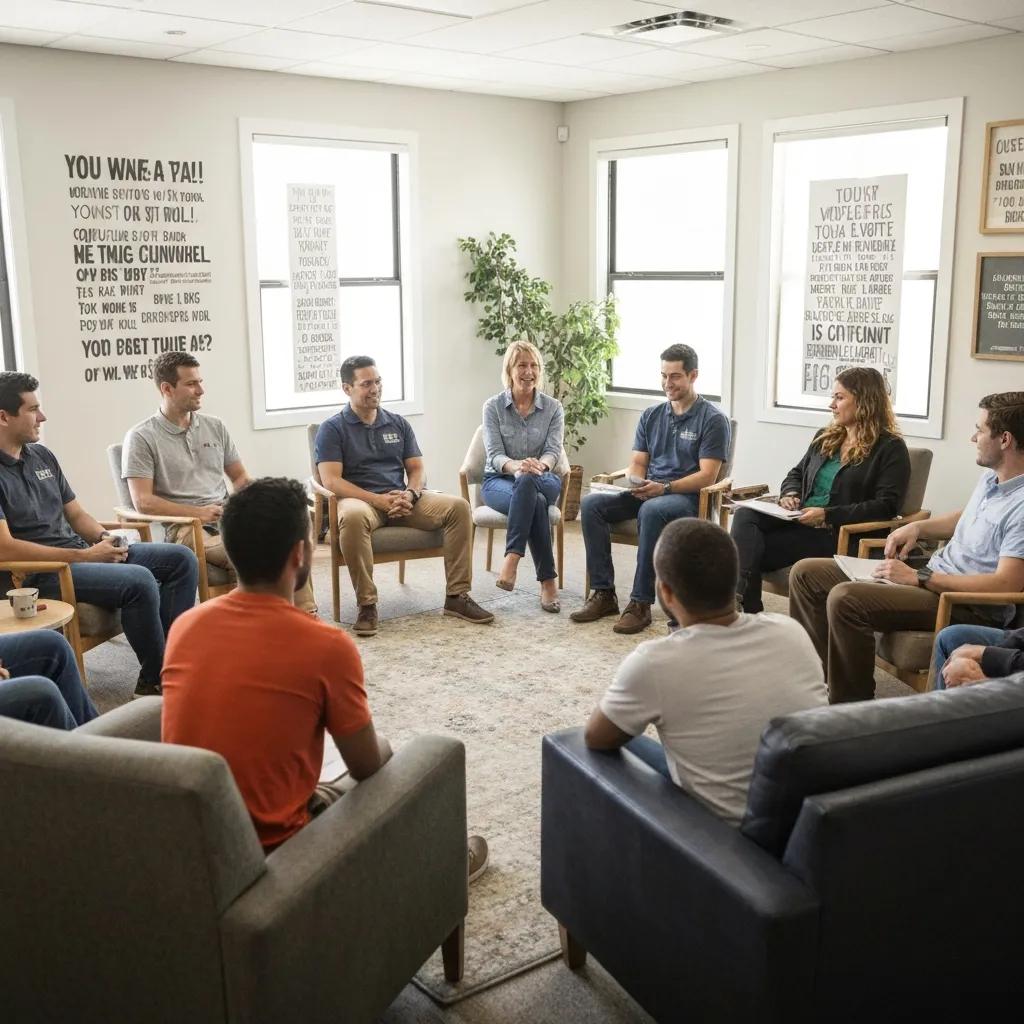
Outpatient opioid treatment ranges from standard weekly counseling to higher‑intensity options like Intensive Outpatient Programs (IOP) and Partial Hospitalization Programs (PHP). These models let people maintain home and work responsibilities while receiving care. Intensity varies: standard outpatient typically offers weekly therapy, IOP provides multiple weekly sessions totaling 8–20 hours, and PHP delivers full‑day clinical programming without overnight stays. Outpatient care is flexible, preserves family involvement, is generally less costly than residential care, and often makes it easier to combine MAT with primary care. Below are practical benefits to consider when comparing outpatient and inpatient options.
- Flexibility: Continue work, school, and family roles while getting treatment.
- Community integration: Practice coping skills in real‑world settings and keep social supports close.
- Lower cost and easier access: Often more accessible than inpatient care and can be coordinated with primary care.
- Step‑down pathway: Serves as a transition from higher‑intensity care to long‑term maintenance.
For people with stable housing and lower acute medical risk, outpatient pathways provide continuity and opportunities to practice recovery skills while preserving daily life.
How Do Intensive Outpatient Programs Support Recovery?
Intensive Outpatient Programs (IOP) deliver concentrated therapy—several sessions per week totaling 8–20 hours—combining individual counseling, group therapy, and skills training tailored to substance use patterns. IOPs emphasize relapse prevention, coping with triggers, and rebuilding healthy routines while allowing participants to live at home and maintain responsibilities. Case management and peer support are commonly built in to help with appointments, medication coordination, and connecting to community resources. IOP often serves as a step‑down from inpatient or PHP care, helping clients apply what they learned in treatment to everyday life and reducing the risk of abrupt relapse after leaving a structured setting.
Typical transition planning from IOP includes arranging lower‑intensity outpatient counseling, continuing MAT maintenance, or referring to sober living if additional structure is needed.
What Are Partial Hospitalization Programs and Their Advantages?
Partial Hospitalization Programs (PHP) are day‑treatment models that provide intensive clinical care without overnight stays—several hours per day of medical oversight, therapy, and medication management. PHPs suit people who need more clinical contact than IOP but who have a safe home environment. They allow close monitoring of psychiatric symptoms and medication effects while keeping patients near family supports. Advantages include concentrated therapeutic dosing, more frequent medical review than standard outpatient care, and a clear step‑down path to IOP or outpatient services. PHP schedules often mirror a weekday workday and include group therapy, individual sessions, and case management to support stabilization and prepare patients for community‑based care.
PHPs frequently act as the bridge between inpatient stabilization and outpatient care, lowering readmission risk when discharge planning is thorough.
How Can Counseling and Behavioral Therapies Aid Opioid Addiction Treatment?
Counseling and behavioral therapies address the psychosocial drivers of opioid use by teaching skills to manage triggers, restore motivation, and build routines that support recovery. These therapies are effective across settings—from inpatient to long‑term outpatient care. Evidence‑based options include Cognitive Behavioral Therapy (CBT) to change thought‑behavior patterns, Motivational Enhancement Therapy (MET) to strengthen readiness for change, contingency management to reinforce positive behaviors, and family therapy to repair relationships and improve support. Sessions can be individual, group, or family‑focused and commonly target relapse prevention, coping skills, and problem‑solving. The list below explains common therapy types and their goals to help guide expectations.
- Individual therapy: Focused work on triggers, co‑occurring disorders, and personalized coping strategies.
- Group therapy: Peer support, shared learning, and practicing skills in a structured setting.
- Family therapy: Rebuilding relationships, setting healthy boundaries, and educating loved ones on support strategies.
- Behavioral therapies (CBT, MET, contingency management): Practical skill‑building, motivation enhancement, and reinforcement of recovery behaviors.
These psychological interventions complement medical treatments like MAT by addressing the behavioral and social aspects of OUD.
What Types of Counseling Are Available for Opioid Addiction?
Counseling options include individual therapy, group therapy, family therapy, and specialized behavioral interventions (CBT, MET, contingency management). Each has a specific role in a care plan: individual therapy addresses trauma or mood disorders, group therapy builds accountability and social skills, and family therapy tackles dynamics that affect relapse risk or support. Frequency varies by setting—from weekly outpatient sessions to multiple weekly meetings in IOP or PHP—but the shared goal is strengthening coping skills and keeping people engaged in recovery. Programs typically combine these approaches to match clinical severity, co‑occurring needs, and personal preferences.
Programs also include psychoeducation and structured relapse planning so clients leave sessions with concrete tools and follow‑up steps.
How Does Behavioral Therapy Help Prevent Relapse?
Behavioral therapy helps prevent relapse by teaching how to recognize triggers, develop effective coping responses, and rehearse alternative behaviors that reduce the urge to use—building lasting habit change over time. CBT breaks the chain of events that lead to use (thoughts, emotions, cues), giving clients early intervention strategies. Contingency management uses structured incentives to support drug‑free behavior. Relapse prevention plans commonly include warning‑sign checklists, emergency contacts, practiced coping strategies, and medication adherence routines; therapists help embed these tools into weekly practice. Regular review and rehearsal of the plan, combined with peer and clinician accountability, lowers relapse risk and supports sustained recovery.
Behavioral therapy is most powerful when paired with medication and community supports that together address the biological, behavioral, and social dimensions of OUD.
What Does Long-Term Recovery Support Include After Initial Treatment?
Long‑term recovery support blends ongoing medication management, outpatient counseling, peer support groups, case management, vocational services, and housing options such as sober living to reduce relapse risk and promote functional recovery. After initial stabilization, continuity of care—regular follow‑ups, medication checks, and scheduled therapy—helps maintain progress and spot early warning signs. The table below compares common aftercare options, their structure, and their role in relapse prevention so you can plan sustainable supports. Effective aftercare is individualized and often combines several supports at once.
How to use the aftercare comparison table:
This layered aftercare approach reduces isolation and the practical stresses that often lead to relapse; stable housing and employment supports are especially important for long‑term success.
How Emulate Treatment Center supports aftercare coordination:
Emulate Treatment Center recommends coordinated aftercare tailored to clinical needs. We provide referrals to sober living, arrange outpatient counseling, and help schedule structured follow‑ups. Our team collaborates with clients and families to ensure medication continuity, connect peer supports, and arrange practical services that strengthen recovery over months and years.
What Are Effective Relapse Prevention Strategies?
Effective relapse prevention includes identifying personal triggers and early warning signs, creating a written emergency plan with contacts, maintaining medication adherence, and building daily routines that support health and stability. Therapy teaches cognitive and behavioral tools for managing cravings, while practical supports—stable housing, employment help, and peer groups—reduce external stressors. Regular clinician check‑ins, urine drug testing when clinically appropriate, and quick access to higher‑intensity care if warning signs appear make up a robust monitoring plan. Together these elements create a safety net that detects and addresses deterioration early, improving the chance of sustained recovery.
A practical cadence—weekly then biweekly clinician contact in the first months, shifting to monthly as stability grows—helps operationalize these prevention strategies.
How Can Sober Living and Aftercare Programs Sustain Recovery?
Sober living residences provide structured, communal environments with rules about substance use, curfews, and household responsibilities, helping residents transition from supervised care to independent living while maintaining accountability and peer support. These homes usually require participation in counseling or peer meetings and encourage work or education as part of reintegration; the routine reduces exposure to high‑risk settings and supports rebuilding daily structure. Aftercare programs coordinate housing with therapy schedules and case management to address employment and legal needs—factors strongly linked to long‑term success. When clinicians, house managers, and families communicate clearly and match expectations to individual readiness, sober living becomes a powerful part of a multi‑layered aftercare plan.
Thoughtful matching and ongoing communication maximize the benefit of housing and other aftercare supports as people regain independence.
How Can Families Support Loved Ones Through Opioid Addiction Treatment?
Families are central to starting care, keeping people safe, and supporting continued engagement, while also maintaining healthy boundaries and self‑care. Practical family actions improve treatment entry and retention. Steps include learning about OUD as a medical condition, preparing for intake (collecting medical history and current medications), encouraging medically supervised detox or MAT when appropriate, and setting safety measures like naloxone access and secure medication storage. Families benefit from education, support groups, and family therapy to understand enabling versus supportive behaviors and to build healthy boundaries. The list below outlines concrete actions families can take while protecting their own well‑being.
Practical steps for families:
- Educate: Learn about OUD, treatment options, and local emergency resources so you can make informed decisions.
- Prepare for intake: Gather medical and psychiatric history, medication lists, and arrange transportation and appointments.
- Set boundaries and safety plans: Establish clear expectations, ensure naloxone is available, and create an emergency contact plan.
- Seek family support: Join education or support programs to manage stress and avoid unintended enabling patterns.
These steps help create a safer environment for treatment entry and support ongoing engagement during follow‑up care.
What Resources Are Available for Families of People with OUD?
Families can access education programs, support groups, family therapy, crisis hotlines, and community resources that teach communication, boundary setting, and safety planning. Family therapy offers a structured space to address dynamics that contribute to substance use and to rebuild trust, while peer support groups provide empathy and practical coping strategies. During intake, ask programs for information on family resources and request family sessions when appropriate—clinicians can often refer to local supports and educational materials. Identifying crisis hotlines and emergency services in advance should be part of every safety plan so families can respond quickly to overdose or acute psychiatric crises.
Connecting families to supportive networks reduces isolation and helps them participate constructively in recovery without taking on responsibility for the loved one’s choices.
How Does Family Support Impact Recovery Outcomes?
Research and clinical experience show that constructive family involvement—education, clear boundaries, and consistent support—improves treatment entry, adherence, and retention, which in turn strengthens long‑term outcomes. Family support can boost motivation for change, help maintain medication adherence, and provide practical help such as transportation and daily assistance during early recovery. At the same time, clinicians caution families to avoid enabling behaviors that unintentionally sustain substance use; assigning clear roles, supervised responsibilities, and separate family supports helps balance assistance with appropriate limits. Encouraging family self‑care and participation in their own counseling or support groups preserves their well‑being and sustains the supportive environment needed for recovery.
Families who join structured education and therapy are better equipped to handle setbacks and to facilitate timely re‑engagement with higher‑intensity care if needed.
If you’re ready to discuss options or coordinate care, Emulate Treatment Center can help with clinical assessments, intake planning, and aftercare coordination; contact the center through the website form or by phone to request an assessment or scheduling information.
Next steps: if you or a loved one are experiencing opioid dependence, seek a medical assessment to determine the safest starting point—detox, MAT, or a higher‑intensity program—and request a written aftercare plan that includes medication continuity, counseling, and housing or peer supports as needed. Emulate Treatment Center offers clinical intake assessments and care coordination to help arrange the appropriate pathway and referrals; reach out to discuss assessment options or to schedule an appointment via our contact channels.
Frequently Asked Questions
What is the difference between outpatient and inpatient treatment for opioid addiction?
Outpatient treatment lets people live at home while attending therapy and is suited to those with stable living conditions and lower medical risk. Inpatient treatment provides 24/7 supervision in a controlled setting, which is appropriate for people with severe addiction or co‑occurring mental health issues. Outpatient programs vary in intensity (standard, IOP, PHP), while inpatient care typically follows a structured daily schedule of therapy and medical support. Choice depends on addiction severity, medical needs, and the person’s support system.
How long does recovery from opioid addiction typically take?
Recovery duration varies widely based on individual factors: the severity of addiction, treatment approach, and ongoing supports. Detox may take several days to a week; inpatient rehab can range from two weeks to several months. Outpatient care and aftercare supports often extend for months or years. Recovery is an ongoing process that commonly includes long‑term counseling, medication management, and community resources to maintain stability.
What role do support groups play in recovery from opioid addiction?
Support groups provide community and shared experience, offering emotional support, accountability, and practical strategies for managing cravings and triggers. Groups like Narcotics Anonymous (NA) can enhance motivation, reduce isolation, and offer peer wisdom for daily recovery challenges. Many people find that regular participation in support meetings is a valuable complement to clinical care.
Can family members participate in the treatment process?
Yes. Family members can play a vital role by offering emotional support, helping to create safety plans, and participating in family therapy. Educating families about OUD improves communication and understanding, which helps create a more supportive environment. Many programs encourage family involvement to strengthen relationships and address dynamics that affect substance use.
What are the signs that someone may be relapsing after treatment?
Warning signs of relapse include changes in behavior, mood swings, withdrawal from social activities, neglecting responsibilities, increased secrecy, renewed cravings, and returning to old social circles tied to use. Monitoring these signs allows for early intervention. A relapse prevention plan developed during treatment can help individuals and families recognize warning signs and take prompt steps to seek additional support or re‑engage with treatment.
How can I find a treatment program that suits my needs?
Finding the right program starts with a clear assessment of clinical needs, co‑occurring conditions, and support systems. Research local centers, read reviews, and consult healthcare professionals for recommendations. Many facilities offer assessments to identify the best approach—whether inpatient, outpatient, or MAT. Choose a program that fits your clinical profile, logistics, and recovery goals for the best chance of success.
Conclusion
Knowing the full range of treatment options for opioid addiction helps individuals and families make informed choices on the path to recovery. Every modality—from medically supervised detox to outpatient programs—offers benefits tailored to different needs and circumstances. Taking the first step toward assessment and treatment opens the door to safer, healthier outcomes. Reach out to Emulate Treatment Center today to explore personalized care options and supports that can guide you or your loved one through recovery.


