


Treating Bipolar and Anxiety Together: Practical, Integrated Care Options for Lasting Recovery
Bipolar disorder and anxiety often occur together, creating a clinical picture that benefits from coordinated, evidence-based care. This guide lays out what each condition looks like, how they interact, and why an integrated approach—combining thoughtful medication management, targeted psychotherapy, and the right level of clinical support—usually leads to better outcomes. If you or a loved one aren’t sure where to begin, this article maps the typical patient journey from intake (and detox, when necessary) through inpatient care, PHP/IOP, and outpatient follow-up. You’ll find clear, practical steps for medication safety, therapy options (CBT, DBT, IPSRT, family therapy), and relapse-prevention strategies tailored to a dual diagnosis. Our aim is straightforward: help you understand options, anticipate usual schedules, and know how to connect with reliable supports for recovery and long-term stability.
What Are Bipolar Disorder and Anxiety Disorder? Understanding Co-Occurring Conditions
Bipolar disorder and anxiety disorders are separate diagnoses that commonly overlap, producing combined symptoms and greater disruption to daily life when they occur together. Bipolar disorder involves mood episodes that swing between mania or hypomania and depression. Anxiety disorders cover conditions such as generalized anxiety disorder, panic disorder, and social anxiety disorder—each marked by persistent worry, heightened physical arousal, and avoidance behaviors. When both conditions are present, diagnosis can be more challenging because anxiety symptoms may look like mood-episode features and vice versa. Recognizing the key signs of each condition helps clinicians prioritize mood stabilization while also addressing anxiety-driven symptoms to lower relapse risk and improve daily functioning.
What Is Bipolar Disorder and Its Key Symptoms?
Bipolar disorder is a mood condition defined by episodes of elevated mood (mania or hypomania) and episodes of depression that significantly affect thinking, energy, and behavior. Manic or hypomanic signs include increased energy, decreased need for sleep, inflated self-confidence, rapid speech, and risky choices. Depressive episodes commonly bring low mood, loss of interest, fatigue, slowed thinking, and—in severe instances—suicidal thoughts. Subtypes (bipolar I, bipolar II, cyclothymic disorder) differ by episode severity and duration and each can impair work, school, and relationships in distinct ways. Evidence shows that earlier recognition and timely mood-stabilizing treatment reduce long-term disability and improve outlook.
What Is Anxiety Disorder and How Does It Manifest?
Anxiety disorders cause excessive worry or fear and physical symptoms—racing heart, trembling, sweating, stomach upset—that interfere with daily life. Generalized anxiety disorder produces broad, hard-to-control worry across many areas; panic disorder brings sudden, intense panic attacks; social anxiety centers on fear of scrutiny or performance. Cognitive features like rumination, catastrophic thinking, and attentional bias often accompany the physical symptoms and can disrupt sleep and concentration. Those effects may then destabilize mood for people with bipolar disorder. Identifying the specific anxiety subtype helps guide psychotherapy choices and medication planning.
How Are Bipolar and Anxiety Disorders Connected? Exploring Their Link and Impact
These conditions share genetic and neurobiological risk factors, which is why comorbidity is common and clinically important. Factors such as genetic vulnerability, altered stress-response systems, and overlapping neurotransmitter pathways (for example, serotonin and norepinephrine) increase the chance they’ll co-occur. Stressful life events can trigger both mood and anxiety episodes. When anxiety is present alongside bipolar disorder, people typically experience more frequent mood swings, greater functional impairment, and a higher suicide risk—so treating both conditions together is critical. Clinicians must carefully distinguish anxiety-driven symptoms from mood-episode features to sequence treatments correctly and avoid interventions (like unopposed antidepressants) that could destabilize mood.
What Are the Common Symptoms of Co-Occurring Bipolar and Anxiety?
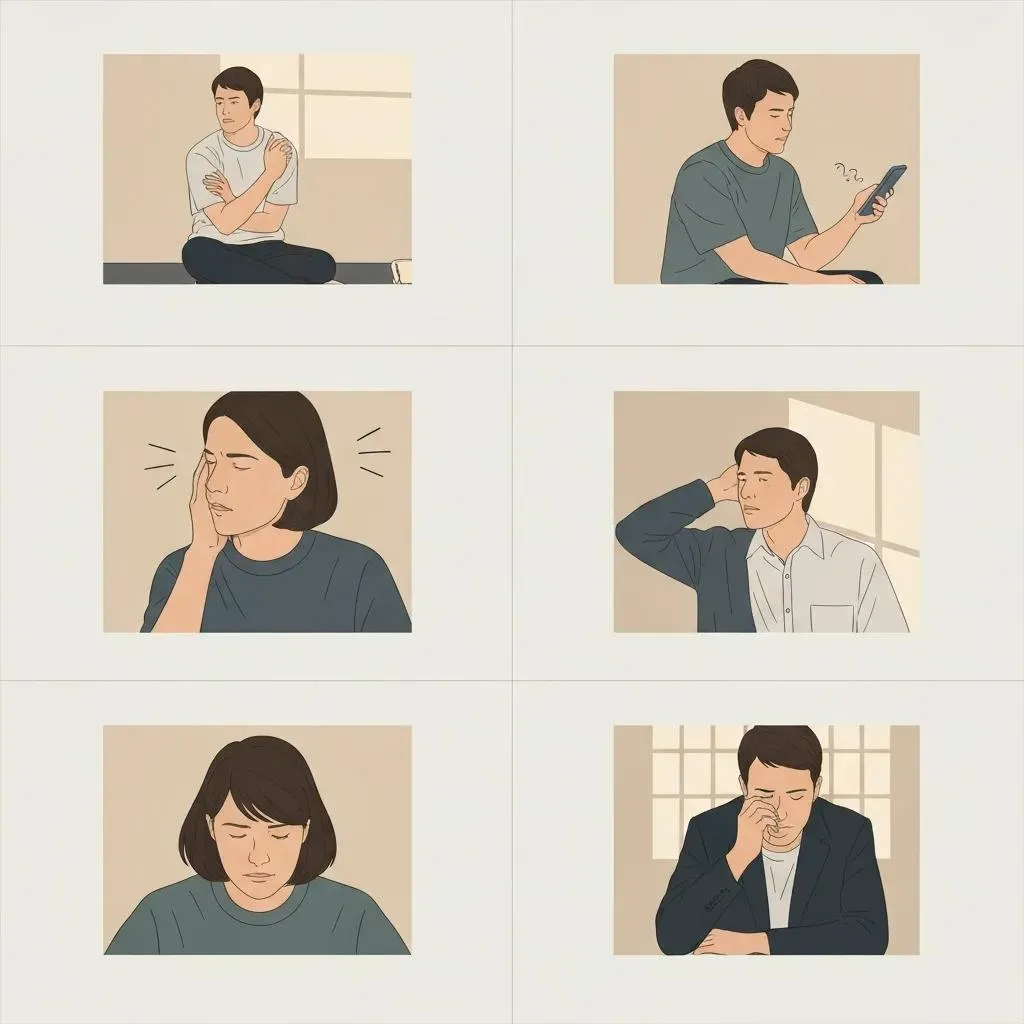
When bipolar and anxiety disorders occur together, symptoms often stack and complicate assessment and treatment planning. Common issues include sleep disruption, restlessness, irritability, and trouble concentrating. These overlapping signs can make it hard to tell whether a symptom comes from mania, anxiety, or both—for example, insomnia may reflect a manic episode or persistent anxious arousal. Other frequent patterns include panic attacks during depressive or mixed states, persistent worry that deepens depressive rumination, and heightened stress sensitivity that triggers mood shifts. Mapping symptom clusters and their timing is essential for accurate diagnosis and targeted care.
How Does Anxiety Affect Bipolar Disorder Severity and Recovery?
Anxiety commonly worsens bipolar illness by lengthening mood episodes, increasing relapse risk, and reducing response to some standard treatments unless it’s specifically addressed. Research links anxiety comorbidity with earlier bipolar onset, more hospitalizations, and higher rates of suicide attempts—so careful safety planning and coordinated care are important. Anxiety can also complicate medication management, prompting polypharmacy or inappropriate antidepressant use that may induce mania. Integrated treatment plans that stabilize mood while adding anxiety-focused therapies typically produce better recovery trajectories.
What Are the Best Treatment Options for Bipolar and Anxiety Together? Medication and Therapy Approaches
Treating co-occurring bipolar and anxiety requires a combined, stepwise approach: prioritize mood stabilization, apply medication-safety practices, and use targeted psychotherapies to address anxiety and emotion regulation. Clinicians usually begin with mood stabilizers or certain atypical antipsychotics to control mania and severe depression, then layer on treatments for residual anxiety once mood is more stable. Psychotherapies—cognitive behavioral therapy (CBT), dialectical behavior therapy (DBT), and interpersonal and social rhythm therapy (IPSRT)—offer practical skills to reduce anxiety, improve emotion regulation, and normalize daily routines that protect mood. Close coordination between psychiatry and therapists helps ensure medications and therapy techniques reinforce one another for sustained recovery.
Below is a concise comparison of medication classes, their main uses in dual diagnosis, and key safety considerations.
This table underscores the treatment sequence: stabilize mood first, then address anxiety with therapy and—if needed—carefully selected medications under close supervision.
How Is Medication Managed for Bipolar and Anxiety? Mood Stabilizers, Antipsychotics, and Safety Considerations
Medication management for a dual diagnosis prioritizes sequencing, monitoring, and team coordination so psychiatry and therapy share treatment goals. The usual strategy is to control manic or severe depressive symptoms with mood stabilizers or atypical antipsychotics before introducing antidepressants or anxiolytics for lingering anxiety. Safety practices include routine lab checks for mood stabilizers, metabolic screening for antipsychotics, and clear tapering plans to minimize benzodiazepine dependence—especially when substance use is present. Care teams rely on scheduled follow-ups and symptom-tracking tools (mood charts, side-effect checklists) to adjust medications in step with psychotherapy progress.
Which Psychotherapies Are Effective for Dual Diagnosis? CBT, DBT, IPSRT, and Family Therapy Explained
Several psychotherapies show benefit when anxiety co-occurs with bipolar disorder. CBT addresses unhelpful thoughts and includes exposure work for panic or social anxiety and behavioral activation for depression. DBT focuses on emotion regulation, distress tolerance, and mindfulness—skills that help during mood instability. IPSRT targets regular daily routines and social rhythms to lower the chance of new mood episodes. Family therapy teaches caregivers how to support recovery and reduce relapse triggers. Combining these evidence-based therapies with appropriate medication typically improves symptoms and day-to-day functioning.
What Levels of Care Does Emulate Treatment Center Offer for Bipolar and Anxiety? Detox, Inpatient, and Outpatient Programs
We offer a range of care levels—from medically supervised detox (when active substance use is present) to inpatient stabilization and step-down outpatient programs (PHP and IOP) that provide structured therapy while people resume daily life. Each level differs in intensity, supervision, and treatment components: detox focuses on safe withdrawal and medical monitoring; inpatient care gives 24/7 psychiatric oversight and a full therapy schedule; PHP and IOP bridge to outpatient services with group therapy, skills training, and medication checks. Transitions between levels rely on standardized intake assessments, clear safety plans, and coordinated discharge steps to preserve continuity and reduce relapse risk.
Use this quick reference to compare typical levels of care, the services they provide, and who they usually suit.
This comparison shows how intensity and structure shift along the care continuum, helping patients and families choose the right placement. At Emulate Treatment Center, intake starts with a thorough assessment to match needs, followed by coordinated plans for medication and therapy that prioritize safety, privacy, and smooth transitions.
When Is Detoxification Necessary and What Does It Involve?
Detox is needed when ongoing substance use creates medical risks during withdrawal or prevents effective psychiatric stabilization. It’s often the essential first step before mood-focused treatment. Medically supervised detox includes vital-sign monitoring, symptom-driven medications to reduce withdrawal risk, and coordination with psychiatric providers to avoid abrupt psychiatric medication changes. Although short-term, detox is critical for safety; clinicians evaluate medical history, substance-use patterns, and co-occurring psychiatric symptoms to plan the next step. After stabilization, care typically transitions to integrated psychiatric treatment with substance-use interventions and relapse-prevention planning.
What Happens During Inpatient Treatment for Bipolar and Anxiety? Daily Schedule and Therapy Options
Inpatient treatment provides continuous clinical oversight and a structured daily schedule that blends medication checks, group therapy, individual sessions, psychoeducation, and skills training. A typical day might include morning medication reviews and symptom check-ins, late-morning therapeutic groups, afternoon individual therapy or psychiatry appointments, and evening mindfulness or relapse-prevention sessions. A multidisciplinary team—psychiatrists, nurses, therapists, and case managers—works together to adjust medications, create safety plans, and involve family when appropriate. Length of stay focuses on stabilizing acute symptoms and building a clear, individualized step-down plan to outpatient care or PHP/IOP.
How Do Outpatient Programs Support Ongoing Recovery? IOP and PHP Explained
Outpatient programs like PHP and IOP deliver structured therapy and medication management while allowing people to maintain work, school, or family roles. PHP offers near-daily programming; IOP meets several times a week. These programs let patients practice coping skills learned in higher-intensity settings, stay on medication plans, and participate in group psychoeducation focused on both anxiety and mood regulation. Flexible scheduling supports life commitments, and step-down transitions are coordinated through team meetings that review progress and set relapse-prevention goals. Emulate uses careful discharge planning and consistent follow-up to make sure patients have clear instructions for re-engagement if symptoms return.
How Does Emulate Treatment Center Support Families and Loved Ones? Resources and Family Therapy Options
Family involvement can improve outcomes when handled with respect for privacy and clinical boundaries. Emulate offers family-focused education, therapy options, and scheduling pathways that help caregivers become effective partners in recovery. Family services increase understanding of bipolar and anxiety, teach communication and crisis-response strategies, and align family members with the patient’s relapse-prevention plan. Clinicians trained in family work lead sessions that balance confidentiality with caregiver needs; scheduling is coordinated through intake or follow-up so families can join multi-family groups or individual family therapy. We provide resources and guidance to help families get involved safely and constructively.
The short table below explains common formats and goals for family programming.
This table outlines practical family options and how each service supports recovery while protecting patient privacy. Families who want to participate usually coordinate through intake to schedule sessions and receive guidance on confidentiality and consent.
What Family Support Services Are Available for Bipolar and Anxiety?
Family services emphasize education, skills-building, and mediated communication to reduce relapse triggers and improve home stability. Typical offerings include psychoeducational workshops that describe mood and anxiety symptoms, structured family therapy for conflict and safety planning, and multi-family support groups that encourage peer learning and reduce caregiver isolation. Clinicians provide practical communication scripts, teach boundary-setting, and help create crisis-response plans that identify early warning signs. The goal is to make families active, informed partners in recovery while clinicians manage confidentiality and treatment boundaries.
How Can Families Help During Treatment and Recovery? Communication and Coping Strategies
Families support recovery through clear, calm communication, consistent daily routines, and collaborative crisis plans—while also protecting their own well-being. Helpful strategies include using neutral, nonjudgmental language about symptoms, agreeing on steps to respond to warning signs, and supporting regular sleep and medication routines. Caregivers should set reasonable boundaries around responsibility, seek peer or professional support, and use scripted de-escalation techniques to avoid inflaming mood episodes. These approaches lower household stress and create a steadier environment for long-term recovery.
What Can Patients Expect After Treatment? Long-Term Recovery, Relapse Prevention, and Support

After formal treatment, recovery centers on ongoing medication adherence, regular psychotherapy, symptom monitoring, and community supports that reduce relapse risk and improve functioning. A thorough aftercare plan usually includes scheduled psychiatry follow-ups, routine therapy appointments, peer support groups, and practical tools such as mood charts and early-warning checklists. Patients are encouraged to maintain structured routines, sleep hygiene, and stress-management techniques learned in therapy. Emulate supports post-discharge continuity through coordinated outpatient referrals, scheduled follow-ups, and clear, privacy-conscious re-entry pathways should higher-intensity care be needed again.
What Are Effective Relapse Prevention Strategies for Bipolar and Anxiety?
Good relapse prevention blends medication adherence, routine symptom monitoring, behavioral strategies, and a clear crisis plan to catch early warning signs and act quickly. Useful tools include daily mood and sleep tracking, personalized trigger lists, stepwise action plans for symptom escalation, and regular check-ins with the care team. Behavioral measures—consistent sleep-wake schedules, stress-reduction practices, and graded exposure for anxiety—support stability and lower the chance of full relapse. Early intervention based on predefined warning signs often prevents hospitalization and preserves day-to-day functioning.
How Does Emulate Treatment Center Provide Aftercare and Continued Support?
Emulate provides structured aftercare through scheduled psychiatry follow-ups, streamlined transitions to outpatient therapy, referrals to community supports, and clear re-engagement procedures that honor patient privacy. Aftercare is planned during discharge, with the team setting dates for follow-up visits, medication-monitoring intervals, and clear instructions about when to seek earlier help. Patients receive information about confidentiality and how family involvement will be handled with consent. If needs change, patients and families can request reassessment through our intake process to quickly reconnect with the right level of care.
- Common relapse signs: Early mood shifts, sleep problems, or renewed anxiety should prompt immediate contact with your clinician.
- Planned follow-up: Regular psychiatry and therapy visits support medication adjustments and skills practice.
- Rapid re-engagement: Clear re-entry steps make it possible to step up quickly to PHP, IOP, or inpatient care if symptoms escalate.
- Medication adherence: Taking prescribed doses consistently helps prevent mood destabilization and recurrence.
- Routine monitoring: Mood charts and symptom checklists enable early intervention before a full relapse develops.
- Skills maintenance: Continued practice of CBT/DBT/IPSRT techniques keeps coping skills ready for daily life.
This final checklist brings together practical steps patients and families can follow to stay stable after discharge and shows how an integrated care team supports long-term recovery.
Frequently Asked Questions
What are the signs that bipolar disorder and anxiety are worsening?
Worsening can show up as more frequent or intense mood swings, rising anxiety, and disruptions to sleep or concentration. You might notice more panic attacks, increased irritability, withdrawal from social activities, trouble with work or school, rising substance use, or neglect of daily self-care. These changes should be shared with your provider so treatment can be adjusted promptly.
How can lifestyle changes support treatment for bipolar and anxiety disorders?
Lifestyle habits make a real difference. Regular exercise, balanced nutrition, and consistent sleep support mood stability and reduce anxiety. Mindfulness, breathing practices, and gentle movement (like yoga) help manage stress. A predictable daily routine and strong social supports also protect recovery, and avoiding alcohol or recreational drugs reduces relapse risk.
What role does family therapy play in the treatment of co-occurring disorders?
Family therapy helps relatives understand the illnesses, learn practical communication skills, and develop coordinated crisis plans. When families are informed and aligned with treatment goals, patients often do better at home. Family work also addresses difficult dynamics that can trigger stress or relapse, creating a safer environment for recovery.
How can patients prepare for therapy sessions focused on dual diagnosis?
Prepare by noting recent mood and anxiety changes, tracking sleep and medication, and writing down specific goals or situations you want to address. A brief journal or mood log can make sessions more productive. Be honest about what’s working and what’s not so your therapist can tailor strategies to your needs.
What should patients do if they experience a relapse after treatment?
If relapse occurs, contact your healthcare provider right away. Early outreach can prevent worsening and shorten recovery time. Follow your relapse-prevention plan—reach out to your team, consider stepping up care (IOP/PHP/inpatient), and use coping skills and supports you’ve practiced. Family involvement can help, with the patient’s consent, to monitor safety and support treatment adherence.
Are there specific support groups for individuals with both bipolar and anxiety disorders?
Yes. Many communities and online platforms host support groups for people facing both conditions—some are clinician-led, others peer-run. These groups provide shared experience, practical tips, and emotional support. Your care team can recommend reputable groups that fit your needs.
Conclusion
Addressing bipolar disorder and anxiety together—rather than separately—improves the chances of lasting stability. With mood stabilization, targeted psychotherapies, and coordinated aftercare, people can regain functioning and reduce relapse risk. If you’re exploring options for yourself or a loved one, our team is here to help you understand next steps and connect with the right level of care. Reach out when you’re ready—we’ll walk the path to recovery with you.