


Comprehensive Guide: Traditional Addiction Treatment Centers and Programs
Traditional addiction treatment centers offer a structured, evidence-based path for people ready to address substance use disorders. They combine medical care, psychotherapy, and planned aftercare to reduce harm and rebuild everyday functioning. This guide walks through how common rehab models work, what to expect at each level of care — from medically supervised detox to inpatient and outpatient programs, counseling, and aftercare — and practical ways families can be involved. If you feel unsure where to start, this article outlines intake steps, typical clinical practices, and realistic outcomes so you can choose the right level of care with greater confidence. You’ll find clear definitions of program types, step-by-step descriptions of detox and intake, comparisons of inpatient versus outpatient care, summaries of evidence-based therapies, and actionable family guidance. Throughout, terms like traditional rehab, medical detoxification, inpatient addiction treatment, outpatient addiction support, and addiction counseling appear in context to help you recognize reputable, standard approaches when evaluating providers.
What Are Traditional Addiction Treatment Programs and How Do They Work?
Traditional addiction treatment programs organize care into levels that address withdrawal, medical stabilization, psychotherapy, and relapse prevention across a coordinated continuum. They work by matching clinical intensity to individual need. Most pathways start with screening and an intake assessment, move to stabilization (which can include medical detoxification), then into structured therapeutic work in residential (inpatient) or outpatient settings, and finish with discharge planning and community-based aftercare. What makes these programs effective is the mix of medical monitoring, evidence-based therapies, and a gradual return to daily responsibilities — an approach that lowers physiological risk and supports behavioral change. Knowing the common program types and how they connect helps you choose care that fits the severity of use, co-occurring conditions, and available supports. The section below defines core program types and explains common terms.
Traditional addiction treatment programs commonly include the following modalities:
- Medical Detoxification: Clinically supervised withdrawal care that stabilizes physical health and lowers acute medical risk during early recovery.
- Residential Inpatient Rehab: Live-in programs with 24/7 supervision, scheduled therapy blocks, and a protected setting for intensive recovery work.
- Outpatient Programs (IOP/PHP): Structured therapy and support while the person lives at home; intensity ranges from multiple weekly sessions to daytime partial hospitalization.
- Addiction Counseling and Therapy: Individual, group, and family-based psychotherapy addressing root causes, building coping skills, and planning for relapse prevention.
These definitions give you a practical vocabulary for comparing options and set up the next section, which explains when medical detox is typically recommended.
What Is Medical Detoxification and Why Is It Important?

Medical detoxification is the supervised process of managing acute withdrawal to reduce medical risk and prepare someone for ongoing therapy. Clinically, detox focuses on physiological stabilization: monitoring vital signs, treating severe symptoms with appropriate medications, and preventing serious complications such as seizures or severe autonomic instability. The main benefit is safety — a medically supervised setting lowers the chance of emergency events and increases the likelihood that a person will move on to effective psychotherapy or residential care. For many substances, detox is a necessary first step rather than a cure: it creates the stability needed to engage meaningfully in evidence-based addiction counseling. Knowing what happens in detox helps explain why some people are advised to start at this level of care.
How Do Inpatient and Outpatient Rehab Programs Differ?
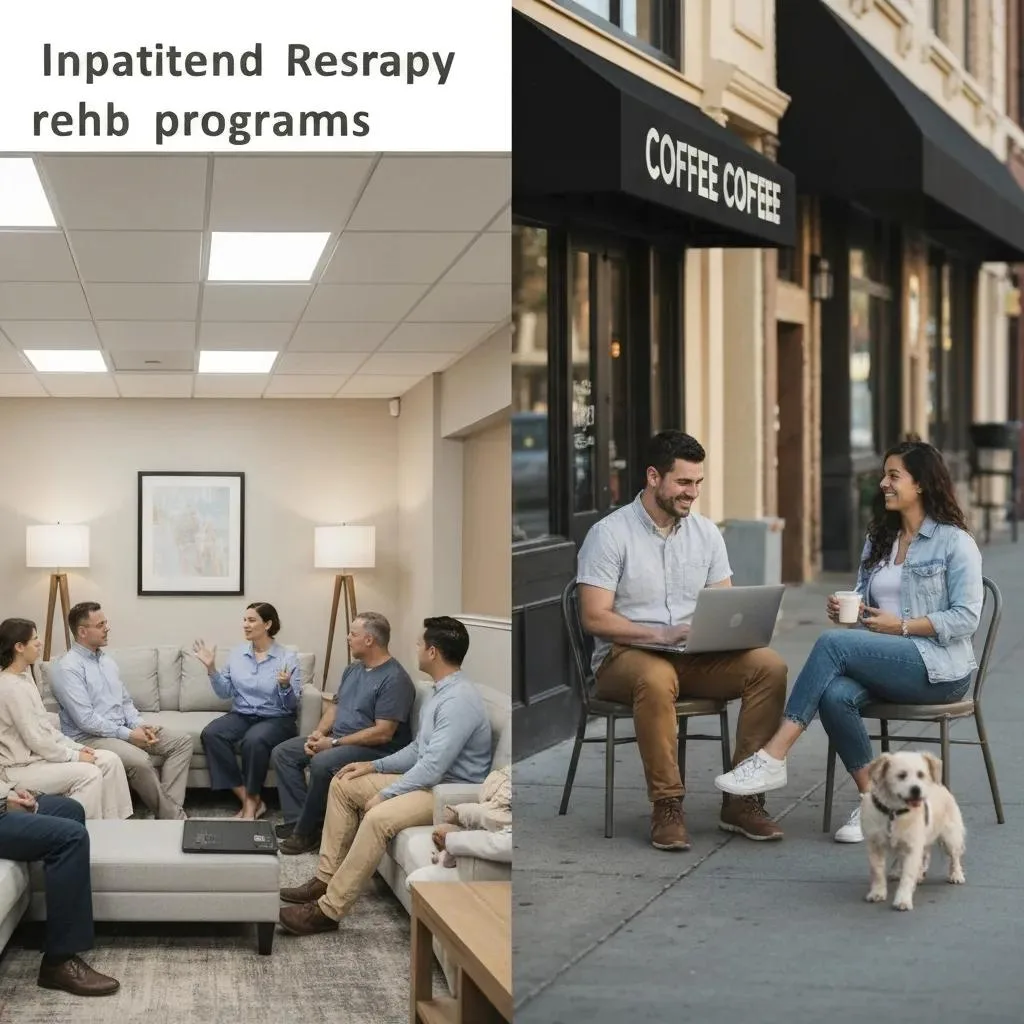
The main differences between inpatient and outpatient rehab are the level of supervision, the intensity of services, and how treatment fits into daily life. Both models use evidence-based therapies but vary in structure and suitability. Residential inpatient programs offer constant staff oversight, daily therapeutic programming, and separation from substance-using environments — especially useful for people with high medical or psychosocial risk. Outpatient options, from intensive outpatient programs (IOP) to part-time counseling, let people keep family, work, or school responsibilities while attending regular therapy and support. Choosing the right setting depends on clinical severity, withdrawal risk, the stability of the home environment, and personal obligations. The following sections describe the role of medical detox and how it connects to these levels of care.
After you understand program types and the continuum of care, many people want a concrete sense of how detox looks in practice and the steps a center follows to support safe withdrawal and transfer into ongoing therapy.
At Emulate Treatment Center, we use these traditional methods — medical detoxification, residential inpatient care, outpatient support, and a range of counseling options — to guide individuals and families through intake, stabilization, and aftercare. We aim to provide clear information for people who aren’t sure where to begin; prospective clients can call or submit an online intake form to discuss an assessment in a low-pressure way. This example shows how a single provider can combine medical oversight and psychosocial therapies within one coordinated continuum while keeping safety, privacy, and realistic expectations front and center.
How Does Medical Detox for Substance Abuse Support Safe Withdrawal?
Medically supervised detox supports safe withdrawal by stabilizing body systems, treating acute symptoms, and lowering immediate medical risk so patients can begin therapeutic work. Clinical goals include monitoring vital signs, using medication-assisted strategies when appropriate, providing nursing support, and coordinating a timely transition to the next level of treatment. Typical medical supports include continuous observation, medication protocols to ease cravings or severe symptoms, and early psychosocial stabilization to improve readiness for counseling. By addressing both physical and early psychological needs, detox reduces complications and improves engagement with subsequent inpatient or outpatient programs.
The table below summarizes withdrawal risk and typical medical supports for several substances commonly treated in traditional settings.
This comparison highlights why substance-specific clinical decisions guide detox planning and why medically supervised settings improve safety and outcomes during early recovery. The next subsection explains the typical stepwise process people experience in a supervised detox program.
What Are the Typical Steps in a Medically Supervised Detox?
A medically supervised detox generally follows a clear sequence: intake screening, stabilization, medication and supportive care, and discharge planning to the next appropriate level of treatment. First, clinicians perform an assessment that documents substance use history, medical and psychiatric conditions, and current withdrawal severity to determine risk and monitoring needs. Next, staff begin vital-sign monitoring and symptom-management protocols, using medication-assisted approaches when indicated to reduce acute symptoms and cravings. Nursing and clinical teams then provide ongoing checks, comfort measures, and early counseling to build readiness for behavioral therapies. Finally, discharge and transition planning coordinates admission to inpatient rehab or schedules outpatient therapy so the person moves smoothly into sustained care. These steps reduce acute risk and set the stage for meaningful therapeutic engagement.
- Initial Screening and Risk Assessment: Clinicians record use history, recent intake, and medical/psychiatric status.
- Stabilization and Monitoring: Vital signs, symptom scales, and medications guide withdrawal management.
- Symptom Management and Supportive Care: Comfort measures, hydration, and psychosocial support ease distress.
- Discharge and Transfer Planning: Clinicians arrange the next level of care to continue recovery work.
These procedural steps set clear expectations for detox and show how clinical teams prepare people for ongoing, evidence-based addiction treatment.
What Withdrawal Symptoms Are Managed During Detox?
Detox programs address a range of withdrawal symptoms that vary by substance class, prioritizing medical intervention for life-threatening signs and offering supportive care for distressing but non-life-threatening symptoms. For alcohol and benzodiazepine withdrawal, preventing seizures and stabilizing autonomic function are top priorities and may require medication protocols and continuous observation. Opioid withdrawal typically presents intense gastrointestinal and autonomic symptoms — nausea, sweating, muscle aches — that are managed to reduce severity and support engagement in therapy. Stimulant withdrawal often leads to profound fatigue, low mood, and sleep disruption; medical oversight focuses on mood stabilization and safety, with psychiatric support arranged as needed. Recognizing red flags — confusion, high fever, rapid heart rate, seizures, or severe suicidal thoughts — prompts immediate emergency intervention.
- Alcohol: Severe tremors, confusion, high blood pressure — may require benzodiazepines and IV care.
- Opioids: Intense cramps, vomiting, anxiety — managed with symptom-directed medications and hydration.
- Benzodiazepines: Agitation, seizures — managed with gradual tapering and close monitoring.
- Stimulants: Deep depression, agitation, insomnia — addressed with psychiatric support and stabilization.
Knowing which symptoms receive medical attention helps patients and families understand the focus of care during detox and why supervised settings are often recommended for higher-risk substances.
What Are the Benefits of Inpatient and Outpatient Rehab for Addiction Recovery?
Both inpatient and outpatient rehab deliver clinical and psychosocial benefits; choosing the right setting maximizes the likelihood of sustained recovery. Inpatient rehabilitation gives a highly structured environment, continuous clinical oversight, and intensive therapy blocks that limit exposure to triggers and let people concentrate on coping skills and medical stabilization. Outpatient models — from weekly counseling to IOP and PHP — let participants practice recovery skills in their community while keeping work, school, or family responsibilities. Both pathways emphasize evidence-based therapies, peer support, and multidisciplinary care, and both include discharge planning and aftercare to support long-term progress.
The table below shows how program types compare by supervision, typical duration, and schedules.
This side-by-side view helps match clinical intensity to personal circumstances and explains why level-of-care decisions are individualized. The next sections show a typical inpatient day and how outpatient programs support recovery at home.
At Emulate Treatment Center, our inpatient schedules center on daily therapy, medical check-ins, and peer group work, while our outpatient options support people as they transition back to community life. Interested individuals can call or submit an online intake form to learn about availability and scheduling. Having multiple entry points on the continuum allows smoother step-down transitions between levels of care.
What Does a Typical Day Look Like in Inpatient Rehab?
A typical inpatient day balances clinical therapy, medical monitoring, skills training, and restorative time to sustain engagement and build recovery skills. Mornings often begin with hygiene and medical checks, followed by didactic and group therapy focused on relapse prevention, coping strategies, and psychoeducation. Afternoons usually include individual counseling, family sessions when appropriate, experiential therapies or recreation, plus time for meals and rest. Evenings may offer peer support groups, reflection time, and brief staff check-ins to reinforce safety and prepare for the next day. This predictable rhythm reduces idle time, strengthens routine, and provides repeated practice of coping skills — the behavioral scaffolding many people need early in recovery.
- Morning: Vital sign checks, medication administration, group therapy.
- Afternoon: Individual counseling, skills workshops, recreational therapy.
- Evening: Peer groups, family phone/video time, planning for discharge or next-day goals.
This sample timetable illustrates the structured environment of inpatient care, which helps stabilize daily functioning and supports progress in treatment.
How Do Outpatient Programs Support Recovery While Living at Home?
Outpatient programs bridge intensive treatment and community reintegration by combining scheduled therapy with everyday responsibilities so people can apply skills in real life. PHPs and IOPs concentrate therapeutic hours into set days so participants can focus on relapse prevention while maintaining employment or family roles; standard outpatient counseling offers ongoing individual or group support for maintenance and crisis management. Outpatient care often coordinates with employers, schools, and family systems and typically includes relapse-prevention planning, medication management when needed, and referrals to community resources. These formats work best when participants have a reasonably stable home environment and can commit to consistent attendance. The list below outlines common outpatient formats and what they look like in practice.
- Partial Hospitalization (PHP): High-intensity daytime programming without an overnight stay — for people needing substantial daily care.
- Intensive Outpatient (IOP): Multiple weekly sessions combining group and individual therapy while living at home.
- Standard Outpatient Counseling: Weekly or biweekly sessions for ongoing support and relapse prevention.
Outpatient models emphasize flexibility and continuity of care, making them a practical option for many as they return to full community engagement.
How Does Addiction Counseling and Therapy Aid Long-Term Recovery?
Addiction counseling and therapy are central to long-term recovery because they address the psychological, behavioral, and social factors that maintain substance use and teach lasting coping skills. Evidence-based therapies — such as Cognitive Behavioral Therapy (CBT), Dialectical Behavior Therapy (DBT), Motivational Interviewing (MI), and family therapy — target unhelpful thinking, emotion regulation, motivation, and interpersonal dynamics that increase relapse risk. Counseling takes several forms: individual sessions for focused work, group therapy for peer learning and support, and family sessions to repair relationships and set healthy boundaries. Therapy also integrates relapse-prevention planning, skills rehearsal, and connections to community supports to sustain gains after discharge. The table below compares core therapies and their typical focuses to help you understand common options in traditional programs.
This comparison clarifies how different therapies target distinct recovery mechanisms; combining modalities is common to meet complex needs. The next subsection summarizes the evidence for these approaches and gives practical examples of each.
Emulate Treatment Center offers a spectrum of counseling modalities so each person’s treatment plan can include coordinated therapy options — ensuring continuity from inpatient stabilization to outpatient maintenance when appropriate.
What Are the Most Effective Evidence-Based Therapies for Addiction?
CBT, DBT, Motivational Interviewing, and family therapy all have solid evidence supporting their use in addiction care and tend to work best when integrated into a comprehensive plan. CBT helps identify and reframe thought patterns that lead to substance use and teaches practical coping strategies, with strong evidence for reducing relapse. DBT targets emotion regulation and is especially helpful when impulsivity or co-occurring mood disorders raise relapse risk. Motivational Interviewing is a short, collaborative method that resolves ambivalence and boosts engagement, often used at intake or during transitions. Family therapy improves communication, reduces enabling behaviors, and addresses environmental drivers of use. Combining these therapies lets clinicians tailor treatment to psychological and social needs and strengthens long-term outcomes.
How Do Individual and Group Counseling Differ in Addiction Treatment?
Individual and group counseling play complementary roles: individual therapy provides confidential, personalized work on history, trauma, and co-occurring conditions, while group therapy offers peer feedback, social learning, and chances to practice interpersonal skills. Individual sessions are well suited for trauma processing, medication coordination, and detailed relapse-prevention planning. Group therapy builds community, normalizes recovery challenges, and fosters accountability through shared experience and role-play. Most programs use a mix of both so participants receive focused attention alongside the benefits of peer support. The brief comparison below highlights when each is often prioritized.
- Individual Counseling: Best for personalized goal-setting, trauma work, and medication coordination.
- Group Counseling: Best for skill rehearsal, peer support, and practicing social coping strategies.
- Combined Approach: Provides individualized care while leveraging group dynamics for social learning.
Using both formats supports deeper learning and longer-term behavior change by addressing internal and interpersonal aspects of recovery.
What Should You Expect During the Addiction Treatment Process at Traditional Centers?
The treatment journey at traditional centers typically follows a familiar sequence: initial contact and screening, comprehensive assessment, a personalized treatment plan, therapy delivery with ongoing review, and discharge planning with aftercare supports. Initial contact usually involves a brief screening to assess urgency and safety needs; a comprehensive assessment then gathers medical, psychiatric, social, and substance-use history. Clinicians collaborate with the person to create a treatment plan with measurable goals and assigned interventions, choosing the level of care and therapies that match the assessment. Progress is monitored and plans are adjusted as needed, leading to discharge planning that connects people to community supports, outpatient therapy, and relapse-prevention resources. The next subsection describes how personalized treatment plans are developed.
How Is a Personalized Treatment Plan Developed?
A personalized treatment plan grows from a multidomain assessment that brings together medical status, psychiatric comorbidity, substance-use patterns, social supports, and the person’s goals to shape targeted interventions and measurable objectives. Clinicians collect medical history, current medications, psychiatric diagnoses, past substance-use and treatment history, family dynamics, legal or vocational issues, and personal strengths that support recovery. Goals are set collaboratively and written in measurable terms — for example, reducing use, attending therapy sessions, or learning coping skills — with assigned interventions such as CBT, family therapy, or medication management. The plan includes a timeline for milestones and scheduled progress reviews so care adapts to changing needs. Integrating family and community resources is common to strengthen continuity and long-term outcomes.
What Are Common Safety and Privacy Measures in Treatment?
Traditional treatment centers use safety protocols and privacy measures to protect patients while delivering clinical care, balancing transparency with confidentiality. Safety practices include medical monitoring during detox, emergency response procedures, medication management policies, and behavioral risk assessments to address suicidal ideation or acute psychiatric symptoms. Privacy protections follow confidentiality principles that limit disclosure of personal health information except when required for safety or legal reasons; staff are trained to handle family communications sensitively and to document care securely. Visitor and communication policies are designed to support recovery while protecting patient privacy. These measures help reassure patients and families that safety and confidentiality are central to treatment operations.
If you’re considering immediate intake or have questions about payment and insurance, Emulate Treatment Center offers low-pressure intake assessments and can discuss payment and insurance during the intake conversation. You can request an intake assessment by phone or via our online form to explore fit, availability, and logistics without pressure.
How Can Families Support Recovery and What Resources Are Available?
Families are a vital part of recovery. They can offer emotional support, set clear boundaries, participate in education and therapy when appropriate, and help implement relapse-prevention plans. Effective family involvement includes learning about addiction as a medical condition, joining family therapy to rebuild trust and communication, and supporting practical steps like medication adherence and appointment attendance. Families should also prioritize self-care and seek their own support to manage stress and avoid enabling behaviors. Community resources — from peer-led groups to structured family education programs — offer guidance, coping tools, and connection with others facing similar challenges. The next section lists communication and coping strategies families can use right away.
What Are Effective Communication and Coping Strategies for Families?
Use clear, nonjudgmental language, set firm boundaries, and keep short, consistent scripts to encourage treatment while protecting family wellbeing. Start conversations with empathy and factual observations (for example, “I’m worried about how drinking affects your health”), avoid blaming, and highlight available help and next steps. Clearly state household rules related to safety and recovery, and be consistent in enforcing them to avoid mixed messages that can enable continued use. Families should also build routines for self-care, join support groups, and set realistic expectations about recovery timelines. These approaches balance compassion and accountability and help keep the family stable during the treatment process.
- Open, factual statements: Use nonjudgmental language to express concern and offer options.
- Consistent boundaries: Define and maintain clear household rules tied to safety and recovery.
- Self-care and support: Prioritize caregiver health through therapy, support groups, and rest.
Putting these strategies into practice helps families engage constructively and supports long-term recovery through steady, predictable involvement.
Which Support Groups Help Families of Individuals with Addiction?
Several established support groups and programs specialize in helping families affected by addiction, offering education, practical strategies, and peer connection to reduce isolation and improve coping. Al-Anon and Nar-Anon are peer-led groups for relatives of people with alcohol or drug problems, respectively, focusing on detachment with love and caregiver self-care. Family therapy and educational programs at treatment centers provide clinician-led opportunities to address dynamics, repair relationships, and develop relapse-prevention skills. Online forums and tele-support expand access for families without nearby meetings and can serve as immediate sources of guidance and community. These resources help families find practical tools and emotional support while their loved one progresses through treatment.
- Al-Anon / Nar-Anon: Peer-led groups focused on family coping and healthy boundaries.
- Family therapy programs: Clinically guided interventions addressing systemic issues.
- Online and tele-support: Accessible options for education and peer connection when local meetings are limited.
Joining these supports complements clinical treatment and strengthens family resilience across the recovery journey.
Frequently Asked Questions
What is the role of aftercare in addiction recovery?
Aftercare is a key part of recovery that provides ongoing support after a formal treatment program ends. It often includes regular check-ins, support groups, and continued therapy to help people maintain sobriety and manage everyday challenges. Aftercare plans are individualized and may connect someone to community resources, 12-step meetings, medication management, or sober living environments. The aim is to reinforce skills learned in treatment and create a safety net during the transition back to routine life.
How can I choose the right addiction treatment center?
Choosing the right center depends on several factors. Start by checking accreditation, the treatment approaches offered, and staff qualifications. Look for programs that use evidence-based therapies and have experience with the specific substance or co-occurring conditions involved. Consider the center’s aftercare plan and how families are involved, as both affect long-term outcomes. Reading reviews, asking trusted professionals for recommendations, and visiting the facility can help you assess the environment and level of care. Ultimately, the best choice aligns with clinical needs, personal goals, and practical logistics.
What should I bring to a treatment center?
When preparing for admission, bring comfortable clothing, toiletries, any prescribed medications, and personal identification, following the facility’s checklist. Many centers restrict electronics or valuables, so check rules in advance. Bringing a journal or preferred reading can help with reflection during treatment. Always confirm the center’s specific list of acceptable items to ensure a smooth arrival.
How long does addiction treatment typically last?
Treatment length varies by individual need, disorder severity, and program type. Inpatient stays often range from 30 days to several months, while outpatient care can span weeks to ongoing support over months or years. Progress, co-occurring mental health issues, and life circumstances influence duration. Think of recovery as a long-term process with flexible timelines that respond to each person’s progress.
What are the signs that someone may need addiction treatment?
Signs that someone might need treatment include declining personal or work performance, withdrawal from social activities, mood or behavior changes, and health problems related to substance use. Other indicators are increased tolerance, repeated unsuccessful attempts to cut down, and risky behaviors while using. If you notice these signs in yourself or a loved one, a professional assessment is an important next step.
Can addiction treatment be effective for everyone?
Treatment can be effective for many people, but outcomes depend on factors like the substance involved, co-occurring mental health disorders, and the person’s engagement with treatment. Tailoring care to individual needs and preferences improves the chance of success. Some respond well to traditional methods, while others benefit from additional or alternative approaches. Recovery is personal — what works for one person may not work for another — and flexibility in care increases the likelihood of positive results.
Conclusion
Traditional addiction treatment centers take a comprehensive approach that combines medical care, therapy, and aftercare to support people recovering from substance use disorders. Understanding program types and their benefits helps families make informed choices that fit their loved one’s needs. Working with a reputable treatment provider can open the door to lasting recovery and a better quality of life. If you or someone you care about is ready to take the next step, reach out to a treatment center today for guidance and support.