

The Science of Addiction: Understanding Brain Changes and Behavioral Impact
Addiction is a chronic brain disease characterized by compulsive substance use or behavior despite harmful consequences, driven by durable changes in neural circuits that govern reward, motivation, memory, and executive control. This article explains how addiction reshapes the brain’s reward system, which brain regions are most affected, why clinicians describe addiction as a chronic disease, and how neuroplasticity enables recovery. Readers will learn the core mechanisms—dopamine-driven reinforcement, glutamate-mediated memory consolidation, and prefrontal control failure—along with evidence from imaging and translational research that links these mechanisms to craving, tolerance, and relapse. The guide also maps key neurotransmitters to their circuit locations and summarizes neuroscience-informed treatments that target underlying processes. Throughout, practical lists and comparison tables make it easier to see how specific circuits and molecules contribute to the behavioral patterns of addiction and to the therapeutic pathways that support recovery.
How Does Addiction Affect the Brain’s Reward System?
The brain’s reward pathway — ventral tegmental area (VTA) → nucleus accumbens → prefrontal cortex — normally signals prediction, motivation, and reinforcement through phasic dopamine release, which helps organisms learn what actions lead to valued outcomes. Addictive substances and behaviors produce supraphysiologic dopamine surges that strengthen stimulus–response associations and bias learning toward drug-seeking. Over repeated exposure the system undergoes neuroadaptation: baseline reward sensitivity falls, tolerance develops, and cues linked to use provoke intense craving. These circuit changes translate into compulsive pursuit of drug-associated rewards at the expense of other goals and motivate behaviors that perpetuate addiction.
What Role Does Dopamine Play in Addiction and Motivation?
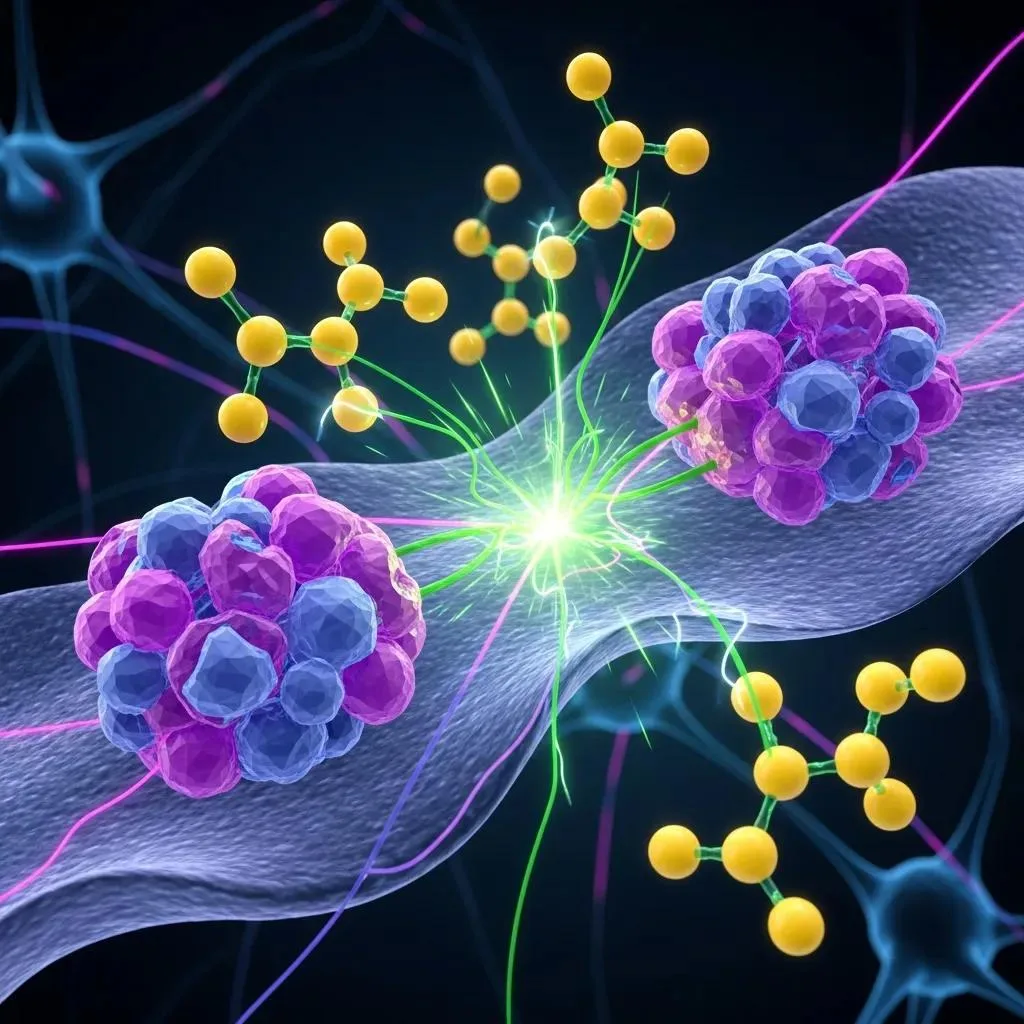
Dopamine acts as a teaching signal that encodes reward prediction error and energizes approach behavior, making it central to motivation and reinforcement learning. When an outcome is better than expected, phasic dopamine signals update value estimates, which helps animals and humans learn to repeat rewarding actions; addictive drugs bypass natural contingencies by producing large dopamine transients. Acute drug exposure amplifies prediction signals and accelerates cue–reward learning, while chronic exposure blunts tonic signaling and elevates cue-reactivity, driving compulsive seeking. Imaging and electrophysiology studies show exaggerated cue-evoked responses in the nucleus accumbens and reduced prefrontal dopamine tone in addiction, linking neurochemical dysregulation to impaired decision-making and persistent craving.
How Do Addictive Substances Hijack the Brain’s Reward Pathway?
Different classes of addictive agents hijack the reward pathway through distinct mechanisms that converge on reinforcing dopamine signaling and strengthening synaptic connections in cue-related circuits. Stimulants drive direct dopamine release; opioids disinhibit VTA dopamine neurons via mu-opioid receptor effects; nicotine modulates cholinergic inputs that boost dopamine; alcohol produces mixed effects across GABA, glutamate, and dopamine systems. These drug-specific actions produce strong associative learning between contextual cues and drug reward, forming durable memory traces that bias behavior toward relapse. Understanding these mechanisms clarifies why relapse risk remains high even after extended abstinence and why interventions must target both motivational and mnemonic components of addiction.
This comparison shows how dopamine provides the primary reinforcement signal while glutamate and inhibitory systems encode and regulate the lasting memories and emotional context that sustain addiction. The next section examines the specific brain regions where these neurotransmitters exert their effects and how those regions change during addiction.
Which Key Brain Regions Are Altered by Addiction?
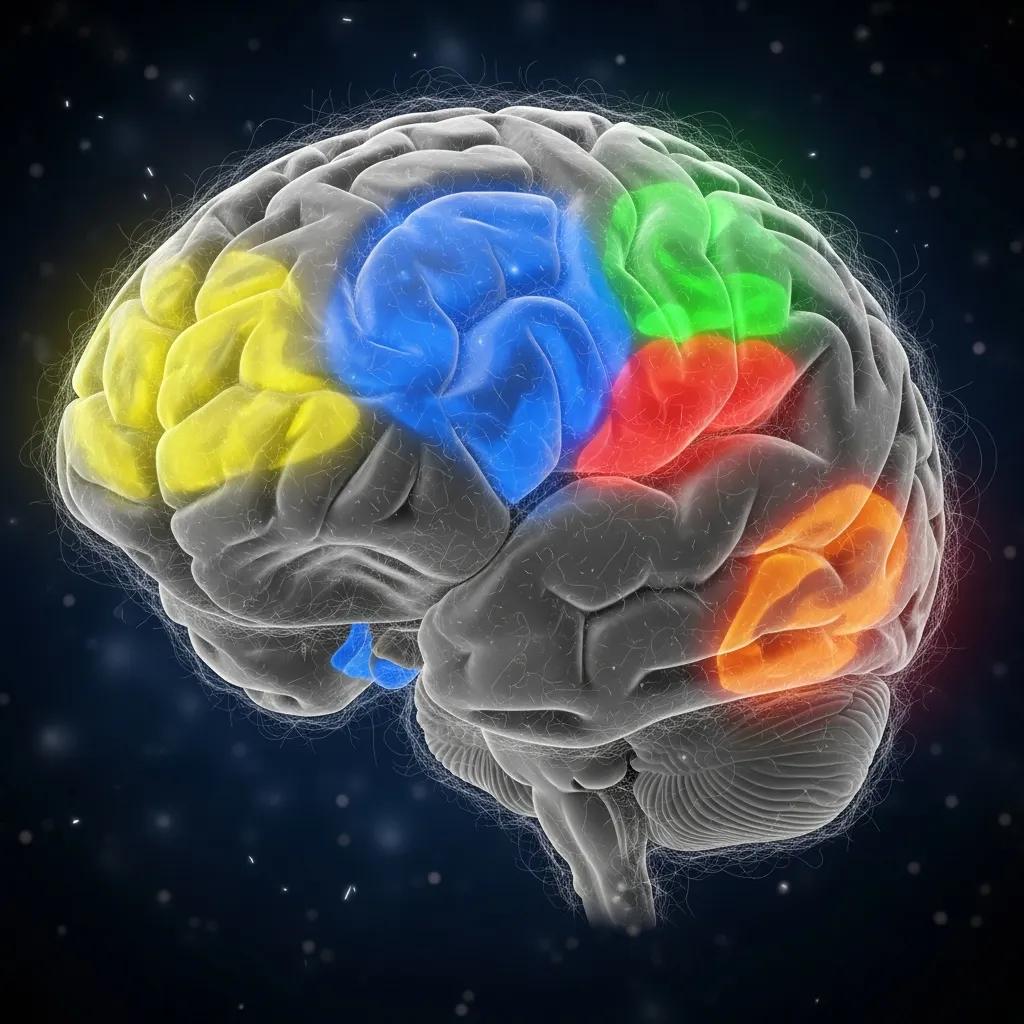
Addiction alters a set of interconnected brain regions that collectively govern valuation, habit formation, stress, and executive control, producing predictable behavioral outcomes such as impaired inhibition and heightened habitual responding. Structural and functional imaging repeatedly implicate the prefrontal cortex (reduced top-down control), basal ganglia (shift toward dorsal striatal habit control), nucleus accumbens (heightened cue-reactivity), ventral tegmental area (dopaminergic dysregulation), and extended amygdala (stress and negative affect). These changes are not isolated; they reflect network-level rewiring that biases behavior toward immediate drug-related rewards and away from long-term goals.
How Does the Prefrontal Cortex Influence Impulse Control in Addiction?
The prefrontal cortex (PFC) orchestrates inhibition, planning, and value-based decision-making by integrating sensory, mnemonic, and motivational inputs to guide goal-directed actions. In addiction, key PFC subregions — ventromedial PFC (valuation), dorsolateral PFC (working memory and control) — show reduced activity and connectivity with striatal and limbic targets, yielding poorer inhibition and impaired ability to weigh future consequences. Imaging studies demonstrate PFC hypoactivity during decision tasks in individuals with substance use disorders, which helps explain persistent use despite negative outcomes. Adolescents are particularly vulnerable because PFC maturation lags behind limbic development, increasing sensitivity to reward-driven learning and lowering impulse control during formative periods.
What Roles Do the Basal Ganglia and Extended Amygdala Play in Habit Formation and Stress Response?
Basal ganglia circuits, especially the dorsal striatum, underpin the transition from goal-directed actions to automatic habits through repeated reinforcement and synaptic consolidation, while the extended amygdala integrates stress signals and negative affect that promote withdrawal-driven relapse. Early in use the ventral striatum mediates reward-guided decisions, but with chronic exposure control progressively shifts to dorsal striatal pathways that execute rigid, habitual behaviors. Concurrently, extended amygdala hyperactivity during withdrawal produces dysphoria and stress sensitivity that fuels negative reinforcement—using substances to escape unpleasant states. The interaction of habit circuits with stress systems creates a high relapse vulnerability, particularly under stress or exposure to drug-associated cues.
Before turning to recovery, it helps to consider why these persistent neural alterations justify labeling addiction a chronic disease.
Why Is Addiction Considered a Chronic Brain Disease?
Addiction is classified as a chronic brain disease because repeated exposure to addictive substances or behaviors produces durable structural and functional brain changes that alter behavior long-term, parallel relapse patterns seen in other chronic illnesses, and respond to sustained management rather than a one-time cure. The disease model rests on three pillars: (1) measurable neurobiological changes in reward, stress, and control circuits; (2) high relapse rates that reflect lasting vulnerability; and (3) identifiable genetic and environmental risk factors that influence susceptibility and course. Framing addiction as a brain disease reframes the response from moral judgment to clinical intervention and long-term management.
Evidence supporting the chronic disease model includes imaging studies that show persistent circuit dysfunction, longitudinal relapse statistics highlighting recurrent episodes, and mechanistic animal studies demonstrating synaptic remodeling after repeated drug exposure.
- Key evidence items include:
Persistent reductions in PFC activity and connectivity following chronic exposure.
Elevated cue-reactivity in striatal circuits that predicts relapse.
Long-lived synaptic changes in cortico-striatal pathways observed in animal models.
These data collectively justify a chronic-disease perspective and motivate treatments that target circuit recovery and sustained behavioral management.
What Neuroplastic Changes Occur in the Addicted Brain?
Neuroplasticity in addiction involves synaptic strengthening and weakening (LTP/LTD analogs), receptor trafficking, and structural remodeling such as dendritic spine changes that encode drug–cue associations and tolerance. Repeated drug exposure strengthens glutamatergic inputs onto medium spiny neurons in the striatum and alters AMPA/NMDA receptor ratios, which consolidates learned drug-seeking behaviors. Receptor downregulation, altered intracellular signaling, and epigenetic modifications also contribute to decreased baseline reward sensitivity and heightened cue-induced responses. These durable changes underlie tolerance, withdrawal symptoms, and the persistence of addiction memory long after last exposure.
How Do Genetic and Environmental Factors Increase Addiction Risk?
Genetic factors contribute substantially to addiction vulnerability, with heritability estimates indicating a major inherited component that shapes individual responses to drugs, trait impulsivity, and resilience to stress. Genes influence neurotransmitter systems, receptor expression, and metabolic pathways, while epigenetic mechanisms mediate environmental impacts on gene expression. Environmental risks—early drug exposure, chronic stress, trauma, and adverse social determinants—interact with genetic predisposition to increase likelihood of progression to addiction. Understanding these gene–environment interactions helps explain heterogeneous trajectories and informs prevention priorities during sensitive developmental windows like adolescence.
How Can the Brain Recover from Addiction?
Yes — the brain can recover to a meaningful degree because neuroplastic mechanisms allow partial restoration of function and formation of new, non-drug-related learning that supports sustained recovery. Recovery involves synaptic remodeling, strengthened executive control, and reduced cue-reactivity over time, especially when combined with targeted treatments that promote adaptive learning and normalize neurotransmission. Clinical and imaging evidence shows partial normalization of PFC activity and connectivity with sustained abstinence, and therapies that retrain behavior and reduce physiological vulnerability accelerate these changes.
What Evidence Supports Neuroplasticity in Addiction Recovery?
Longitudinal imaging and behavioral studies document that some neural changes associated with addiction partially reverse with sustained abstinence and treatment, though certain vulnerability markers like potent cue-reactivity can persist for years. Functional MRI studies reveal gradual increases in prefrontal activation during cognitive control tasks and reduced striatal hyper-responsivity to drug cues after months of recovery. Behavioral measures likewise show improved impulse control and decision-making with therapy and time. These findings indicate that targeted interventions can harness neuroplasticity, but they also underscore a residual risk profile that necessitates long-term relapse prevention strategies.
Which Neuroscience-Based Treatments Promote Brain Recovery?
A range of evidence-based treatments address neural processes underlying addiction by stabilizing neurotransmission, extinguishing maladaptive memories, and strengthening executive control. Medication-assisted treatments (MAT) normalize neurotransmitter systems and reduce craving; behavioral therapies like cognitive behavioral therapy (CBT) and motivational enhancement train new cognitive strategies and reshape decision circuits; experiential and contingency-based approaches support relearning and habit replacement. Emerging pharmacological targets under investigation, such as GLP-1 receptor agonists and other neuromodulatory agents, aim to reduce reward sensitivity or modulate stress circuits, although clinical validation is ongoing. Combining medication with behavioral interventions tends to produce the most robust outcomes by simultaneously addressing biology and learning.
This mapping clarifies that successful recovery strategies are multimodal, addressing neurochemical stabilization, cognitive retraining, and reinforcement of healthy habits. The next section expands on other neurotransmitters that interact with dopamine to shape addiction trajectories.
What Other Neurotransmitters Influence Addiction Beyond Dopamine?
Beyond dopamine, glutamate, serotonin, and GABA are central modulators of addiction, each shaping memory consolidation, mood regulation, inhibitory control, and stress responsiveness that together determine relapse risk and treatment response. These systems interact in cortico-striatal-limbic circuits: glutamate mediates synaptic plasticity for cue–reward memories, serotonin affects mood and impulsivity that alter decision thresholds, and GABA provides inhibitory tone that controls excitability and withdrawal severity. Recognizing these interactions expands treatment targets and explains why pharmacological and behavioral approaches must be coordinated.
How Do Glutamate, Serotonin, and GABA Affect Addiction Memory and Mood?
Glutamate drives synaptic plasticity in cortical and hippocampal inputs to the striatum, consolidating powerful cue–reward associations that underlie craving and relapse; interventions that modulate glutamatergic signaling can weaken maladaptive memories and reduce cue-reactivity. Serotonin regulates mood and impulsivity—imbalances contribute to comorbid depression and impulsive decision-making that worsen addiction outcomes, and serotonergic agents can improve affective stability which supports engagement in recovery. GABAergic systems provide inhibitory control over hyperexcitable circuits; deficits in GABA function are linked to heightened craving and severe withdrawal, so restoring inhibitory balance is an important therapeutic mechanism. These systems interact with dopamine to produce the composite behavioral phenotype of addiction.
What Emerging Research Highlights New Pharmacological Targets in Addiction Treatment?
Recent research in 2023–2024 has spotlighted novel molecular targets that aim to modulate reward sensitivity, stress responsivity, and memory reconsolidation, with GLP-1 receptor agonists among the most investigated for their potential to reduce reward-driven intake and craving. Other approaches include drugs that normalize glutamate homeostasis, modulators of neuroinflammation, and agents that foster synaptic resilience or facilitate extinction learning. Early-stage trials show promise for some targets, but clinical effectiveness varies and larger randomized studies are required to confirm safety and durable benefits. Translational caution is warranted: promising mechanisms in animal models must be validated in human trials before broad clinical adoption.
Understanding these neurotransmitter interactions completes the mechanistic picture and points toward integrative treatment strategies that combine pharmacology, behavioral training, and long-term support to harness neuroplasticity and reduce relapse risk.
- Key mechanisms described in this article:Dopamine-driven reinforcement and incentive salience.Glutamate-mediated consolidation of addiction memories.Prefrontal dysfunction reducing inhibitory control and decision-making.
- Practical implications for treatment selection:Combine pharmacological stabilization with behavioral therapies to target both biology and learning.Address comorbid mood or stress disorders to reduce relapse triggers.Employ long-term relapse prevention and skill-building to leverage neuroplastic recovery.
These integrated insights show how contemporary neuroscience links molecular and circuit-level changes to the behavioral features of addiction and inform evidence-based pathways to recovery.