


Share Teen Anxiety Treatment Info and Resources
Teen anxiety is ongoing, intense worry or fear that gets in the way of school, friendships, sleep, and day-to-day life. This page lays out common signs and causes, then walks families through evidence-based options so they can make clear, confident decisions. You’ll find how Cognitive Behavioral Therapy (CBT), Dialectical Behavior Therapy (DBT), exposure-based approaches, medication management, inpatient and outpatient programs, and family therapy fit together in a treatment plan. We explain when a higher level of care may be needed, what to expect at intake and scheduling, and how caregivers can support recovery at home and at school. Each section includes practical steps, checklists, and comparisons to help parents, caregivers, and teens move from uncertainty to a concrete plan for assessment and care.
What Are the Common Symptoms and Causes of Teen Anxiety?
Teen anxiety often shows up as a mix of emotional, physical, and behavioral changes that persist for weeks or months. Emotionally, teens may feel excessive worry, persistent irritability, or a sense of dread. Physically, anxiety can cause stomachaches, headaches, trouble sleeping, or panic-like episodes. Behaviorally, teens might avoid social situations, fall behind in school, withdraw from family life, or develop safety-seeking routines that unintentionally maintain fear. Spotting these patterns early matters — prompt care lowers the risk of long-term problems like depression or substance use. Below is a practical checklist to help caregivers identify early warning signs and plan a timely evaluation.
How to Recognize Adolescent Anxiety Symptoms Early

Early recognition is about changes from a teen’s usual behavior, not one-off events. Watch for steady drops in grades, growing school avoidance, sudden withdrawal from friends or family, repeated physical complaints (like stomachaches) with no medical cause, or new sleep problems lasting several weeks. Note dates and specific examples — that documentation helps clinicians form an efficient intake and determine whether symptoms meet diagnostic criteria. If these patterns interfere with daily life, a professional evaluation is the next sensible step. The section that follows reviews common contributing factors to guide assessment and planning.
What Factors Contribute to Anxiety in Teens?
Teen anxiety most often results from a mix of biological, psychological, and social influences. Genetics and temperament (for example, a tendency toward behavioral inhibition) set baseline risk. Stressors such as academic pressure, bullying, family conflict, or traumatic events can trigger symptoms. Everyday lifestyle factors — poor sleep, high caffeine or stimulant use, heavy screen time, and low physical activity — commonly worsen anxiety and reduce resilience. Identifying these contributors helps prioritize targeted interventions; for example, addressing sleep or school stress can boost the benefits of therapy and medication when both are used.
- Typical contributors include genetic risk, developmental stressors, family dynamics, and lifestyle patterns like sleep and screen use.
- Environmental triggers — trauma, bullying, major life changes — often precede symptom onset.
- Modifiable behaviors (sleep routines, exercise, screen limits) are practical early targets in intervention.
These factors shape evaluation priorities and immediate support before moving into therapy-specific options.
Which Evidence-Based Therapies Are Best for Teen Anxiety?
Treatment for adolescent anxiety focuses on changing unhelpful thoughts and behaviors, building coping skills, and including families and schools when helpful. Cognitive Behavioral Therapy (CBT) is the most studied treatment for generalized anxiety, social anxiety, and panic — it uses cognitive restructuring and graded exposure to reduce avoidance. Dialectical Behavior Therapy (DBT) adds structured emotion-regulation and interpersonal skills when anxiety co-occurs with intense emotional reactivity or self-harm risk. Exposure and Response Prevention (ERP) is the leading approach for obsessive-compulsive symptoms. Medication — most often selective serotonin reuptake inhibitors (SSRIs) — can be a helpful adjunct for moderate to severe cases. The table below compares core therapies, what they include, and common session patterns to help families weigh options during intake and planning.
This table summarizes common evidence-based approaches and what a typical session schedule looks like.
Use this comparison to match therapy type to a teen’s symptoms, developmental stage, and family needs. The next sections explain how CBT and DBT apply specifically to adolescent anxiety.
How Does Cognitive Behavioral Therapy Help Teens with Anxiety?
CBT equips teens to spot unhelpful thoughts, test anxious predictions through behavioral experiments, and build tolerance for feared situations with graded exposure. Sessions include skill-focused homework, thought records, and collaborative problem-solving between teen and therapist to strengthen new coping strategies. Parents often learn how to support exposure practice and reduce accommodation behaviors that maintain anxiety, which improves long-term outcomes. Treatment length varies, but families who practice skills consistently usually see measurable progress within weeks to months.
What Role Does Dialectical Behavior Therapy Play in Teen Anxiety Treatment?
DBT teaches structured skills in mindfulness, distress tolerance, emotion regulation, and interpersonal effectiveness — all useful when anxiety coexists with intense emotional reactions or self-harm risk. DBT pairs individual therapy with group skills training so teens learn and practice concrete strategies for managing strong feelings that fuel avoidance or panic. It’s especially helpful when impulsive behaviors or relationship problems interfere with recovery. Typical formats combine weekly individual sessions with group skills practice and active family involvement to support generalization.
When Is Inpatient Treatment Necessary for Teen Anxiety?
Inpatient care is appropriate when a teen’s safety, medical stability, or daily functioning is severely compromised and outpatient options aren’t enough. Clear indicators include imminent safety risk (self-harm or suicidal behavior), extreme panic or avoidance that prevents essential self-care or school attendance, major weight loss or sleep disruption tied to anxiety, or escalating symptoms despite outpatient care. Inpatient programs offer 24/7 monitoring, intensive therapy, medication review, and structured routines to stabilize symptoms and create a clear path to outpatient follow-up. The table below outlines common indicators, why inpatient helps, and typical interventions families can expect.
Knowing these indicators helps families compare levels of care and prepare for intake and discharge planning. The sections that follow describe daily life in inpatient settings and how transitions back home are coordinated.
What Does Inpatient Teen Anxiety Treatment Involve?
Inpatient treatment combines daily therapy, medical oversight, and predictable routines to reduce symptoms and give teens a safe place to practice skills. Typical days blend individual therapy, group skills sessions, psychoeducation, supervised exposures, recreational activities, and family meetings focused on communication and safety. Medical staff monitor medication effects and overall health, while clinicians set personalized goals and measurable progress markers for discharge. Privacy, confidentiality, and safety policies are central; families receive clear guidance on visitation and communication so expectations are transparent throughout care.
How Does Transitioning from Inpatient to Outpatient Care Work?
A successful transition starts at intake with a discharge-focused plan that names outpatient providers, schedules follow-up visits, and outlines medication handoffs and school re-entry steps. Before discharge, clinicians prepare a written aftercare and relapse-prevention plan listing coping strategies, warning signs, emergency contacts, and scheduled outpatient sessions to ensure continuity. Coordinated communication with family members, primary care providers, and school staff reduces relapse risk and supports a gradual return to daily routines. The strength of the transition depends on early planning, clear task ownership, and timely outpatient appointments after discharge.
After covering inpatient criteria and transitions, it’s helpful to compare outpatient options and how families can continue care in less restrictive settings.
How Can Families Support Teens Through Anxiety Treatment?
Families are central to recovery: they reinforce skills, keep routines predictable, and partner with clinicians and schools to reduce stressors that worsen anxiety. Effective support balances empathy with gentle encouragement for graded exposure and growing independence, while maintaining consistent sleep and activity routines and modeling calm problem-solving. Structured involvement—family sessions, parent coaching, or school coordination—aligns home strategies with clinical goals and improves outcomes. The next section explains family therapy’s role and what parents can expect when they take part.
What Is the Role of Family Therapy in Teen Anxiety Recovery?
Family therapy addresses interaction patterns that can maintain anxiety, teaches caregivers how to reduce accommodating behaviors, and improves communication to support the teen’s practice of new skills. Approaches may include systemic work and parent coaching focused on clear boundaries, consistent reinforcement, and collaborative problem-solving. Sessions usually set measurable goals, assign homework for the family, and include plans for school collaboration to ease academic stress. Parents who actively engage often see faster generalization of skills and lower relapse risk, making family therapy a valuable part of many teens’ recovery.
How Can Parents Help an Anxious Teen at Home?
Parents can support recovery with steady routines, structured exposure practice, and calm validation that reduces shame and isolation. Practical do/don’t tips: encourage graded exposure instead of avoidance, praise effort over outcomes, and limit excessive reassurance that can reinforce anxiety. Use short scripted responses to validate feelings and invite small steps, for example: “I can see this is hard — let’s try one small step together.” If a teen’s safety or functioning suddenly worsens, contact the clinical team or emergency services according to your safety plan.
- Practical home supports: consistent sleep and meal times, supervised exposure practice, and quiet practice periods for relaxation skills.
- Avoid enabling avoidance by excusing school or social responsibilities without clinical guidance.
- Keep a shared log of homework and exposures to review in therapy sessions.
These practices increase the impact of formal therapy and help families be active partners in recovery.
What Are the Benefits of Outpatient Support and Counseling for Teen Anxiety?
Outpatient therapy and Intensive Outpatient Programs (IOP) offer effective, flexible care so teens can get evidence-based treatment while staying in school and at home. Standard outpatient therapy usually means weekly individual or family sessions focused on skills and CBT work, supporting gradual exposure and long-term relapse prevention. IOPs provide several hours of structured therapy multiple days per week, pairing group skills training with individual sessions for teens who need more support than weekly therapy but don’t require round-the-clock care. Outpatient settings also coordinate medication management, school planning, and step-down care after more intensive treatment.
Use the table below to compare outpatient formats and who typically benefits from each.
This comparison clarifies how community outpatient care, IOPs, and telehealth support individualized planning. The following sections explain program logistics and common counseling options for teens.
How Do Outpatient Programs and Intensive Outpatient Programs Work?
Outpatient programs offer regular individual or family therapy with periodic progress checks. IOPs combine daily or multi-day group sessions with individualized therapy and skills coaching. Scheduling ranges from weekly outpatient visits to three or more days per week in IOP settings; intensity is adjusted to symptoms and response. Progress is tracked with symptom measures, observable functioning (school attendance, social engagement), and skill use between sessions. Clinicians coordinate with families and schools to refine treatment and guide transitions between levels of care based on clinical need, safety, and practical considerations.
What Counseling Services Are Available for Teens with Anxiety?
Counseling commonly includes individual CBT, group skills training for social anxiety or emotion regulation, family therapy, school liaison work, and telehealth to improve access and continuity. Each format offers distinct benefits: individual sessions for focused cognitive work, groups for exposure and peer feedback, and family sessions to align home supports with clinical goals. Telehealth increases scheduling flexibility and helps families in remote areas. Coordination among therapists, prescribers, and school personnel enhances safety and smooths transitions across care levels.
- Counseling formats: individual therapy, group skills training, family therapy, school coordination, and telehealth.
- Use in-person groups for social exposure practice and telehealth for accessibility when in-person attendance is difficult.
- Coordination among therapists, prescribers, and schools supports integrated care and smoother transitions.
What Holistic Approaches Complement Teen Anxiety Treatment?
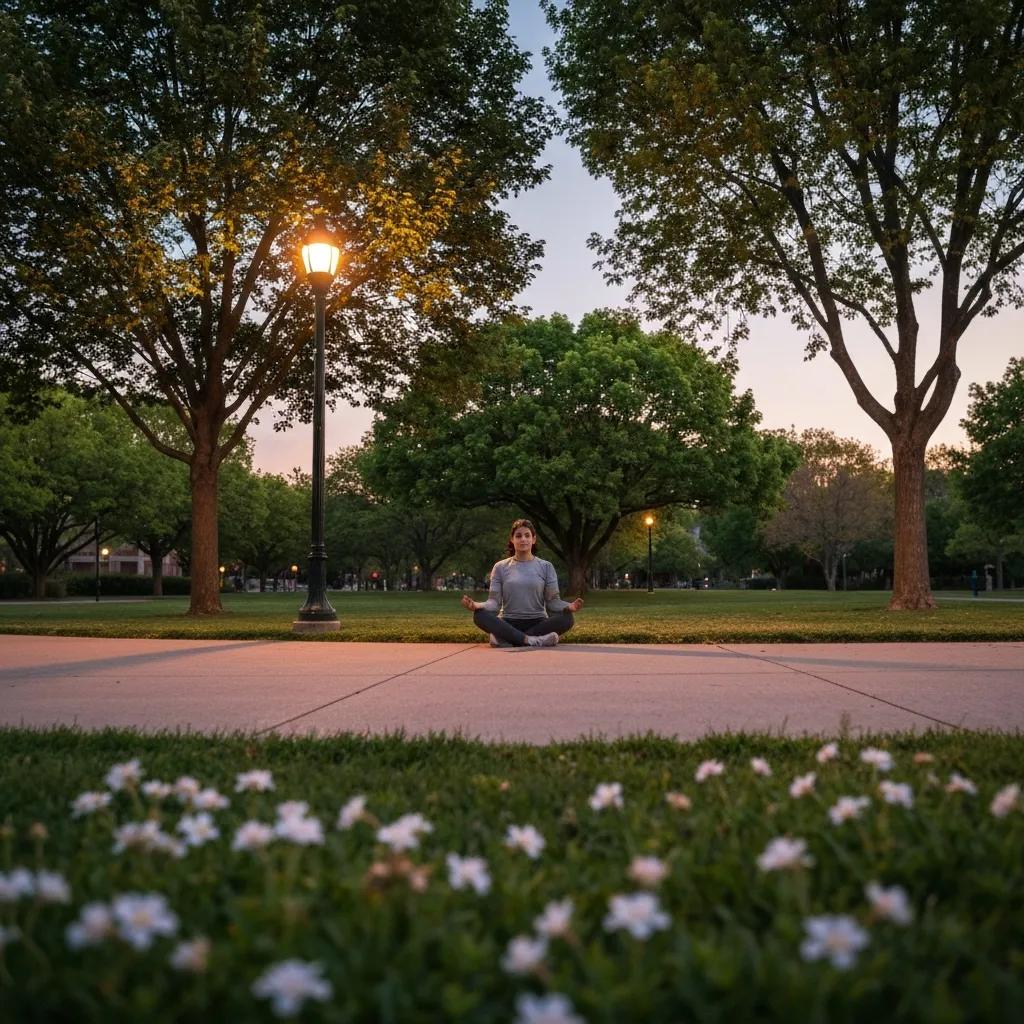
Holistic supports amplify evidence-based care by improving physiological resilience, mood regulation, and reliable routines that back clinical gains. Mindfulness and breathing skills lower immediate arousal and increase distress tolerance during exposure work. Nutrition and regular exercise support brain chemistry, energy, and sleep. Sleep hygiene is especially important because poor sleep heightens anxiety and weakens executive control, which undermines therapy. The sections below offer practical ways to weave these supports into a teen’s daily life.
How Do Mindfulness, Nutrition, and Exercise Aid Anxiety Recovery?
Mindfulness and brief breathing exercises reduce sympathetic arousal, making exposures more manageable and improving focus in therapy. Simple daily practices — 5–10 minutes of breathing or grounding — can be taught in sessions and practiced at home to support skill generalization. A balanced diet with regular meals, adequate protein and complex carbs, and fewer stimulants (like high-caffeine drinks) stabilizes mood and energy. Regular physical activity boosts stress resilience through neurochemical benefits and gives a structured outlet for tension, complementing cognitive and behavioral work.
Why Is Sleep Hygiene Important for Managing Teen Anxiety?
Sleep underpins emotion regulation, memory consolidation, and executive functioning — all critical for therapy to take hold. Poor sleep increases worry, irritability, and distorted thinking. Consistent bed and wake times, reduced evening screen use, and calming pre-sleep routines lower arousal and improve daytime functioning. Practical steps include setting fixed sleep windows, removing screens before bed, and using short wind-down activities like reading or relaxation exercises. If sleep problems persist, clinicians may assess for sleep disorders or adapt the treatment plan to address sleep directly.
For families and clinicians planning care, adding holistic supports strengthens outcomes and helps maintain gains between sessions. The next paragraph explains practical next steps for families considering assessment or program enrollment.
At Emulate Treatment Center, we offer coordinated programs including inpatient stabilization, outpatient therapy, IOP options, and counseling services to connect families with clear recovery pathways and confidential assessments. Our approach focuses on transparent program structure, straightforward intake steps, flexible scheduling, and family support so families know what to expect without pressure. When higher levels of care may be needed, we provide confidential clinical evaluations to determine the right setting — outpatient therapy, IOP, or inpatient stabilization — and outline intake and scheduling steps so expectations are clear. Families can request a confidential assessment or submit an inquiry to learn about next steps; our clinical team coordinates transitions, safety planning, and family involvement as part of an individualized care plan.
- Document Symptoms: Track how often symptoms occur, how severe they are, and how they affect daily functioning before intake.
- Request a Confidential Assessment: A clinical evaluation clarifies level of care and any immediate safety needs.
- Coordinate with School and Providers: Share the aftercare plan and supports to ease school re-entry and maintain continuity.
These steps move families from concern to clear, actionable plans that align treatment with a teen’s clinical needs and daily life.
Frequently Asked Questions
What are the long-term effects of untreated anxiety in teens?
Left untreated, teen anxiety can lead to long-term problems such as persistent depression, substance use, lasting social withdrawal, and higher risk of self-harm. It can also hurt school performance and limit future opportunities. Early identification and treatment reduce these risks and support healthier coping and resilience.
How can schools support students dealing with anxiety?
Schools can help by training staff to spot anxiety, offering on-site counseling or referrals, and working with families to create individualized support plans. Reasonable accommodations (extended time, reduced social pressures, gradual re-entry plans) and clear communication between school, family, and clinicians make a big difference for students.
What should I do if my teen refuses to seek help for anxiety?
If a teen resists help, approach them with empathy and curiosity. Validate their feelings, ask what worries them about treatment, and offer small, nonthreatening options (a single check-in with a counselor, peer support, or telehealth). Sometimes a trusted adult or brief motivational conversation helps bridge the gap; if safety is a concern, seek professional guidance regardless of reluctance.
Are there any natural remedies for teen anxiety?
Some lifestyle strategies can complement therapy: regular exercise, good sleep habits, mindfulness, and limiting stimulants like caffeine. These approaches support overall wellbeing but are not substitutes for evidence-based therapy when anxiety is moderate to severe. Always check with a clinician before starting new supplements or major changes.
How can I help my teen manage anxiety during stressful situations?
Teach short, practical coping tools: deep breathing, grounding techniques, and brief visualization. Practice or role-play stressful situations to build confidence, and encourage stepwise exposure to feared situations. Maintain calm validation — “I see this is hard” — and focus on small, achievable steps to help them feel capable.
What role does medication play in treating teen anxiety?
Medication, most commonly SSRIs, can reduce symptoms for moderate to severe anxiety and is often used alongside therapy. Medication decisions are individualized and include close monitoring for benefits and side effects. Families should work closely with prescribers and therapists to integrate medication into a broader treatment plan.
Conclusion
Addressing teen anxiety with evidence-based therapies and active family support can meaningfully improve a young person’s functioning and quality of life. Early recognition, structured treatment, and consistent home supports build resilience and lasting change. If you’re ready to take the next step, explore our confidential assessment options and reach out — we’ll help you create a clear plan for your teen’s care.