
Addiction Support Groups in California: How to Find, Join, and Benefit from Recovery Communities
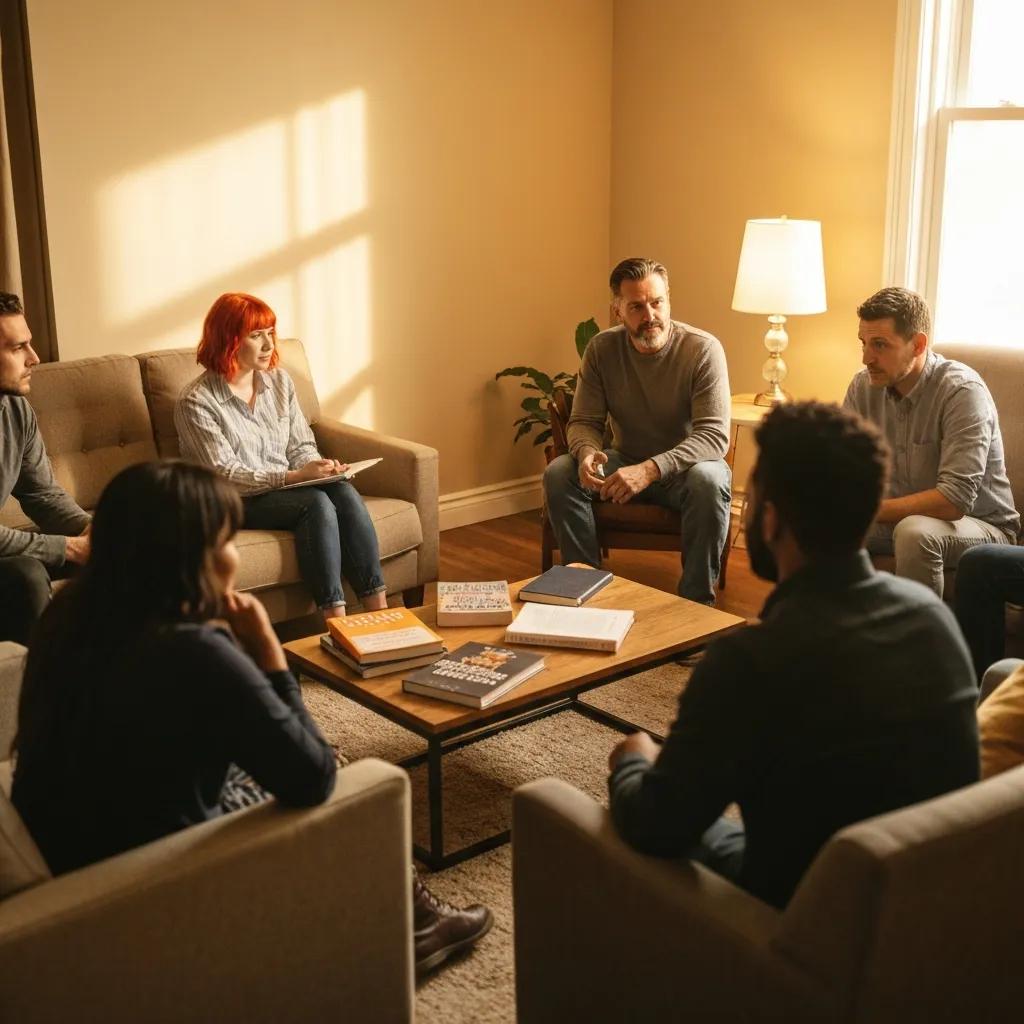
Addiction support groups in California are peer-led circles where people with substance-use concerns exchange experience, encouragement, and practical strategies to support lasting recovery. These groups do their strongest work through connection, accountability, and shared coping tools—elements that research and national guidance identify as important complements to formal clinical care. This page describes what support groups are, how peer support differs from professional therapy, and the main mutual-help models you’ll find across California, including in-person and online meetings. You’ll also get step-by-step tips for finding meetings, criteria to evaluate fit, family-focused resources, and guidance on how peer groups coordinate with detox, inpatient, outpatient, and counseling services. Practical lists, comparison tables, and clear next steps are included so individuals and families can move from uncertainty to a simple plan for safely connecting with recovery communities.
What Are Addiction Support Groups and How Do They Help in California?
Addiction support groups are peer-run gatherings that meet regularly so members can share recovery experience and practical strategies. They help by creating social accountability, modeling healthy coping, and reducing isolation. Peer support works through mutual encouragement, sponsor or mentor relationships, and collaborative problem-solving—mechanisms that have been linked to lower relapse risk and better engagement with treatment. In California you’ll find a range of options from traditional 12-step fellowships to secular, evidence-informed groups, with meetings available in multiple languages and formats to meet different cultural and logistical needs. Knowing how peer support functions makes it easier to decide when to rely on groups, when to seek professional therapy, and how to combine both for better outcomes.
Peer groups help sustain change by reinforcing goals learned in treatment and by offering everyday tools for handling triggers and cravings. The section that follows looks more closely at the psychological and social processes that make peer support effective.
Peer Support Communities as Addiction Recovery Interventions
Peer-support communities are increasingly part of formal substance-use care. Participation itself can be an active intervention—helping people regain control, build confidence, and tap into ongoing social support that complements clinical treatment.
Effectiveness of a peer‐support community in addiction recovery: participation as intervention, 2008
What Is the Role of Peer Support in Addiction Recovery?

Peer support gives emotional validation, practical problem-solving, and everyday role models that reinforce behavior change and keep motivation alive. Shared experience speeds trust, so members can swap relapse-prevention techniques, coping routines, and local resources; this social learning builds confidence and reduces shame. Sponsors and steady peer relationships act as accountability anchors, while group norms encourage regular attendance—two behaviors tied to longer-term recovery. Peer groups also extend the benefits of clinical care by offering community-based reinforcement after formal treatment ends, which improves the chances of sustained progress.
This community-based support reduces isolation and provides a safe space to try new coping strategies—helping clarify how support groups differ from professional therapy and when each approach is most useful.
Benefits of Peer Support Groups in Addiction Recovery
Peer support groups are an important complement to addiction treatment. They create a safe place to share challenges, increase motivation, and build practical coping skills. Members commonly report feeling less alone, more connected, and better equipped to manage daily recovery tasks—factors that support long-term wellness.
Benefits of peer support groups in the treatment of addiction, 2016
How Do Support Groups Differ from Professional Therapy?
Support groups and professional therapy serve different but complementary purposes. Peer groups are led by people with lived experience and focus on mutual aid, shared story, and community-based accountability. Professional therapy is provided by licensed clinicians who assess clinical needs and offer individualized treatment—addressing trauma, co-occurring disorders, and medical concerns. Therapy helps stabilize psychiatric or medical issues and teaches clinical coping skills; groups give ongoing social reinforcement and real-world practice. When someone has complex mental-health or medical needs, a professional evaluation alongside peer involvement is usually the safest path.
Knowing these differences helps you blend peer support with clinical care thoughtfully—especially during transitions from inpatient or outpatient programs back into the community.
What Are the Main Types of Addiction Support Groups in California?
Support groups in California generally fit into a few broad models: traditional 12-step fellowships, evidence-informed secular programs, and other structured or demographic-focused mutual-aid groups. Each model has a distinct philosophy, meeting format, and typical audience, so understanding the differences helps you choose a group that matches personal beliefs and recovery goals. California’s diversity supports gender-specific, cultural, and language-specific meetings, plus online options that increase access for people in rural areas or with mobility limits. Below is a concise comparison of common program types.
Typical program varieties include 12-step groups like Alcoholics Anonymous and Narcotics Anonymous; skills-based options such as SMART Recovery; and secular alternatives like LifeRing or Women for Sobriety. These approaches vary in their emphasis on spirituality, structure, and practical skills training, which affects who they serve best and how meetings are run.
This overview helps you match program philosophy to personal preference; the sections below describe how each model typically runs meetings in California.
How Do 12-Step Programs Like Alcoholics Anonymous and Narcotics Anonymous Work?
12-step fellowships meet regularly for readings, personal sharing, and sponsor-based guidance that build a supportive network. Meetings may be speaker-led, discussion-style, open (anyone can attend) or closed (for people with the specific problem). Sponsors pair newer members with experienced peers who offer one-on-one support, help navigate meetings, and provide practical advice. Anonymity is a core norm that reduces stigma and encourages honesty, and these groups remain free to keep access broad and continuous.
Knowing typical 12-step meeting formats helps newcomers prepare and decide whether the fellowship’s community or spiritual emphasis fits their recovery approach.
What Are SMART Recovery and Other Secular Alternatives in California?
SMART Recovery teaches evidence-informed tools drawn from cognitive-behavioral and motivational-enhancement approaches to help people manage cravings and change behavior. Meetings focus on practical techniques like REBT-based thinking, cost-benefit analysis, and a four-point plan that targets motivation, coping, lifestyle balance, and relapse prevention. Secular alternatives such as LifeRing and Women for Sobriety offer peer-led frameworks without spiritual language—appealing if you prefer a non-religious or skills-based approach. These groups generally offer both online and in-person meetings across California and pair well with outpatient therapy focused on skill development.
With these program styles in mind, the next section covers family-focused support options for loved ones.
How Can Families Find Support Groups for Loved Ones with Addiction in California?

Families looking for help can turn to mutual-aid groups that focus on coping, boundaries, and education rather than treating the person with addiction directly. Programs such as Al‑Anon, Nar‑Anon, and SMART Recovery Family & Friends offer confidential peer guidance and practical steps for supporting change while protecting caregivers’ well‑being. These groups teach communication strategies, self‑care routines, and how to participate constructively in treatment planning. For many relatives, joining a family support group reduces isolation, clarifies options, and provides immediate tools that improve family dynamics.
Family involvement is most helpful when it coordinates with the loved one’s clinical care; the next subsection outlines the main family programs and how they differ.
Lived Experience in Peer Recovery Support Services for Substance Use Disorder
Peer recovery support services and recovery coaching are emerging elements in modern care models for substance use disorder. These services use lived experience to guide people through recovery, adding a person-centered layer of support that complements clinical treatment.
Lived experience in new models of care for substance use disorder: a systematic review of peer recovery support services and recovery coaching, L Hoffman, 2019
What Are Al-Anon, Nar-Anon, and SMART Recovery Family & Friends?
Al‑Anon and Nar‑Anon provide peer support for people affected by someone else’s drinking or drug use. They focus on detaching with care, setting boundaries, and sharing experience in a confidential setting. SMART Recovery Family & Friends applies evidence-based tools to teach coping, motivation skills, and practical communication techniques. Each program uses different language and norms, so families often try more than one to find the best fit for their values and needs.
These options give family members immediate strategies and prepare them to collaborate more effectively when a loved one engages in formal treatment.
How Do Family Support Groups Help with Coping and Healing?
Family groups offer education about addiction, concrete tools for setting healthy boundaries, and emotional support that reduces shame and confusion. Members learn rule-setting, crisis planning, and self‑care routines that protect mental health while encouraging constructive involvement. Role-play and peer feedback often make communication techniques recommended by professionals more practical and easier to use at home. As families adopt consistent boundaries and care practices, they frequently see clearer interactions and fewer enabling patterns.
After exploring family resources, the next section explains how support groups fit into clinical care and transition planning.
How Do Support Groups Complement Addiction Treatment Programs in California?
Support groups extend the work of clinical programs by providing community continuity when formal care tapers or ends. Clinical services focus on medical stabilization and individualized therapy; peer groups provide long-term social support and daily relapse-prevention practice. Integration usually happens through referrals, discharge planning, or coordinated aftercare that encourages meeting attendance during outpatient phases. Mapping these roles clarifies when to introduce peer support and how clinicians and peer organizers can coordinate to maintain recovery momentum.
Below is a practical mapping that links treatment phases to common points where peer support is introduced during care transitions.
This mapping clarifies typical timelines and goals for each phase so individuals and families can plan realistic next steps after a clinical stay.
In practice, intake procedures, insurance questions, and timelines are often included in referrals to support groups. Emulate Treatment Center focuses on helping people understand treatment choices and connecting them with safe, supportive recovery programs. That support includes clear intake steps, basic insurance guidance, and matching expected timelines and support levels to individual needs. Clinicians commonly provide meeting lists, encourage trying several meetings, and coordinate with family supports so peer engagement becomes a sustainable part of aftercare.
With integration in mind, it’s important to understand counseling’s role alongside mutual‑aid groups and how both contribute to long‑term recovery.
How Are Support Groups Integrated with Detox, Inpatient, and Outpatient Care?
Support groups are often introduced during detox or inpatient stays as part of discharge planning, with clinicians recommending local meetings and arranging transport or virtual access if needed. In outpatient care, clinicians may schedule regular meeting attendance as part of a relapse-prevention plan and case managers may follow up to confirm engagement. Timing matters: introducing peer support before medical stabilization can confuse goals, while delaying it risks losing community momentum. Coordinated timelines balance stabilization with social support. Typical staff roles include referral, education about meeting formats, and follow-up to ensure a smooth transition from clinical care to community support.
These practical steps set the stage for how personalized counseling complements group participation and addresses co‑occurring conditions.
What Role Does Counseling Play Alongside Support Group Participation?
Counseling treats clinical issues such as co‑occurring mental‑health disorders, trauma, and individualized coping strategies that peer groups do not address clinically. Licensed therapists can diagnose and treat psychiatric conditions, prescribe medication when appropriate, and design individualized behavior-change plans that groups can help reinforce. For people with dual diagnoses, combining counseling with steady peer attendance creates layered supports that lower relapse risk. Counselors and peer groups often align goals—therapy focuses on skill-building while groups provide a real-world setting to practice those skills.
After you understand how groups integrate with treatment, the next section gives concrete methods to find and evaluate meetings in California.
How Can You Find and Choose the Right Addiction Support Group in California?
Start with authoritative directories and local resources, then narrow options by anonymity, focus, format, and accessibility to match personal needs. Useful starting points include national fellowship directories, state behavioral-health listings, and county or city mental-health calendars that let you filter by language and meeting mode. Key selection factors are whether a meeting is substance-specific or general, spiritual or secular, in-person or online, and whether it serves a particular demographic. Try multiple meetings and check facilitator styles and confidentiality practices to identify the best long-term match.
Practical steps to search and evaluate meetings are listed below to guide first-time searchers and families.
- Search authoritative directories and local behavioral-health listings by city and meeting mode.
- Confirm meeting type, format (open/closed), language, and whether it’s in-person or online.
- Attend two or three different meetings before deciding; observe norms and speak privately with organizers about confidentiality.
- Prioritize safety and accessibility—choose groups that respect anonymity and have clear facilitation.
Trying several meetings helps you find a comfortable fit and reduces the chance of quitting after one poor experience. The quick comparison below highlights selection criteria to prioritize.
This quick-compare helps you weigh which attributes matter most. The next subsection lists reliable places to find both local and virtual meetings.
Where to Find Local and Online Support Group Meetings in California?
Locate meetings through national fellowship directories, state behavioral-health sites, and local community mental-health listings that let you filter by city, language, and online/in-person options. Online platforms often list meeting IDs, time zones, and privacy settings—verify legitimacy by contacting organizers or asking about facilitation and confidentiality. In-person meetings are commonly held at community centers, faith-based organizations, hospitals, and treatment programs; for virtual meetings, check for password protection and waiting-room controls to protect privacy. Always confirm schedules and house rules before attending so the meeting’s structure fits your needs.
What Factors Should You Consider When Selecting a Support Group?
Use a short checklist to prioritize safety and fit: anonymity and confidentiality, meeting format and accessibility, facilitator style and training, group philosophy, and whether the group supports concurrent clinical care. Also weigh logistics like meeting frequency and travel time, and consider cultural or language matches that encourage honest sharing. Safety looks like clear facilitator management of disruptive behavior and explicit confidentiality rules; inclusivity means attention to gender, age, and cultural representation. If you’re unsure, consult a clinician or try several groups to find the combination that best supports ongoing attendance and recovery goals.
What Are Common Concerns About Addiction Support Groups in California?
Common questions focus on safety, privacy, stigma, and what to expect at a first meeting. Clear meeting norms and basic preparation usually address these concerns. Mutual‑aid groups typically honor anonymity and confidentiality, though legal limits (for example, imminent risk of harm) may require professional reporting in some contexts. Virtual meetings add privacy risks that organizers can reduce through platform settings. Choosing demographic-specific or issue-focused groups can lower stigma, and newcomers often find structured meetings easier to follow than open formats. Learning basic etiquette and arrival procedures before your first meeting will reduce anxiety and improve the chance of feeling supported.
How Safe and Private Are Support Group Meetings?
Most mutual-help meetings protect anonymity by encouraging first-name use and avoiding public disclosures about members. Professionally facilitated groups usually offer stronger formal confidentiality than peer-led meetings, so clarify rules before you attend. For virtual meetings, common privacy practices include password protection, waiting rooms, and clear no‑recording expectations; attendees can protect identity by using first names and keeping profiles private. Safety measures may include trained facilitators, agreed conduct rules, and protocols for handling disruptive or unsafe behavior. Ask organizers about these norms so you can assess whether a meeting meets your privacy and safety needs.
Knowing privacy norms helps you understand a typical meeting’s flow and reduces uncertainty when you attend.
What Should You Expect at Your First Support Group Meeting?
At your first meeting expect a welcome, a short explanation of the format, and an invitation to listen or share—participation is optional and at your pace. Meetings often include readings or an opening statement, a round of sharing or a speaker, and closing announcements or suggested follow-up resources. Practical etiquette tips: arrive a little early, introduce yourself briefly if you choose to speak, and avoid giving unsolicited advice. It’s perfectly acceptable to observe a few meetings before sharing. After the meeting, people often connect informally with members or ask leaders about sponsorship and next steps—small follow-ups that can turn a single visit into ongoing support.
This orientation points to concrete next steps and how treatment providers can help with referrals and follow-through.
If you or your family are ready to take the next step, Emulate Treatment Center helps people understand treatment options and connect with safe, supportive recovery programs. That help includes clear intake explanations, basic insurance guidance, expected timelines for levels of care, and coordination to move clients from detox or inpatient care into outpatient plans and community-based support groups. Families can request informational conversations or referral assistance to better understand program structure, intake procedures, and how peer groups will fit into an ongoing recovery plan. These are supportive options to help match a pathway to medical, psychological, and social needs.
- Call or contact a provider for an intake discussion to clarify treatment and support options.
- Request information about insurance and expected timelines for each level of care before committing.
- Ask for referrals to local meetings and online group options that match cultural and logistical needs.
This guidance helps bridge the gap between finding meetings and building a coordinated recovery plan that combines clinical care with peer support.
Frequently Asked Questions
What are the benefits of attending online support groups for addiction recovery?
Online support groups add flexibility and access—you can join from home, which helps people with mobility limits or those living far from meetings. Virtual groups often offer more meeting times and a broader mix of participants, which can bring fresh perspectives. The relative anonymity of online meetings can also reduce the stigma some people feel about attending in person, making it easier to connect and stay engaged.
How can I support a loved one who is attending a support group?
Supporting someone in recovery starts with listening and respecting their process. Ask about their experience in the group and listen without judgment. Respect their privacy and autonomy, and avoid trying to control their recovery. Educate yourself about addiction and consider joining a family support group to learn coping strategies and ways to maintain your own well‑being while supporting them.
Are there age-specific support groups available for addiction recovery in California?
Yes. California has age-specific meetings tailored to different life stages—adolescent, young adult, and older-adult groups each address age-relevant challenges. These settings can make sharing easier because members face similar social pressures or life transitions. Finding an age-appropriate group often improves comfort and connection.
What should I do if I feel uncomfortable in a support group?
If a meeting feels uncomfortable, prioritize your safety and well-being. Talk privately with the facilitator if you feel safe doing so—they can suggest changes or recommend a different group. It’s also fine to try other meetings until you find one that feels like a better fit. The right group should feel respectful and supportive, so give yourself permission to keep looking.
How can I encourage someone to join a support group?
Bring up support groups gently and with empathy. Explain how peer support can complement treatment and offer concrete benefits—connection, practical tools, and routine. Offer to help find options and, if they want, to accompany them to a first meeting. Emphasize that seeking help is a sign of strength and that support is available when they’re ready.
What resources are available for families affected by addiction?
Families can access peer groups such as Al‑Anon and Nar‑Anon, which focus on coping and boundary-setting. There are also educational resources, counseling services, and family therapy options to improve communication and planning. Many community organizations offer workshops and informational sessions to help families build the skills they need while protecting their own mental health.
Conclusion
Connecting with addiction support groups in California gives individuals and families practical tools, steady social support, and shared experience—key ingredients for recovery. Exploring different group styles and trying a few meetings helps you find a community that fits your needs and values. When you’re ready, reach out to a local support group or contact a treatment provider to learn how peer support can fit into a broader recovery plan.