


How Suboxone Treatment Helps People Recover from Opioid Addiction
Suboxone is a prescription medicine that combines buprenorphine and naloxone to reduce opioid cravings and ease withdrawal. It’s a widely used tool in medication-assisted treatment (MAT) for opioid use disorder. Below, we explain what Suboxone is, how it acts at opioid receptors, and why clinicians use it during induction, stabilization, and maintenance phases to support recovery. You’ll find a step-by-step look at detox, how outpatient Suboxone programs run, common measures of success, and clear answers to routine safety and privacy questions. Our aim is to give patients and families practical, evidence-based expectations about intake, scheduling, counseling, monitoring, and next steps so you can make informed decisions and feel ready to reach out for help.
What Is Suboxone and How Does It Work?
Suboxone pairs buprenorphine with naloxone and is prescribed as part of medication-assisted treatment for opioid use disorder. Buprenorphine is a partial opioid agonist — it activates opioid receptors enough to prevent withdrawal and reduce cravings without producing the full euphoria of stronger opioids. Naloxone is included as an abuse-deterrent: when the medicine is used as directed (sublingually), naloxone has little systemic effect but can help discourage injection misuse. By occupying opioid receptors and stabilizing brain chemistry, Suboxone lowers the immediate physiological drive to use illicit opioids and creates a safer platform for engaging counseling and recovery planning. That’s why it’s commonly recommended alongside behavioral therapies and ongoing monitoring.
What are the active ingredients in Suboxone?
Suboxone contains two active ingredients with different but complementary roles. Buprenorphine is a partial mu-opioid receptor agonist: it gives enough receptor activation to stop withdrawal and curb cravings while showing a ceiling effect that reduces overdose risk compared with full agonists. Naloxone is an opioid antagonist added mainly to deter injection misuse; taken under the tongue as prescribed, naloxone has minimal effect. Together, these ingredients provide therapeutic benefit with a safety focus that supports outpatient treatment and dose management while patients work on psychosocial supports.
How does Suboxone reduce opioid cravings and withdrawal symptoms?
Suboxone works through receptor occupancy and partial agonism. Buprenorphine binds tightly to mu-opioid receptors but produces less maximal activation than full agonists, which helps stabilize neurochemistry without intense euphoria. That effect eases common withdrawal symptoms — muscle aches, anxiety, restlessness, nausea — so people can function and take part in counseling. Many patients report smoother transitions off short-acting opioids and a clearer ability to focus on recovery goals. These pharmacologic effects make it possible to pair medication with behavioral therapies that address triggers and lower relapse risk.
What Are the Benefits of Suboxone Treatment for Opioid Addiction?
Suboxone delivers measurable clinical and functional benefits: it lowers overdose risk, decreases illicit opioid use, and helps people stay engaged in care by stabilizing withdrawal and cravings. When combined with counseling, Suboxone supports long-term recovery by enabling participation in therapy, returning to work or school, and rebuilding family and community ties. Current evidence and clinical practice stress that medication plus psychosocial services yield the best outcomes, with regular monitoring to ensure safety and adherence. The table below summarizes how pharmacologic effects translate into real-world benefits.
Different Suboxone effects map to clinical outcomes and patient-level benefits.
This table shows how each pharmacologic attribute supports outcomes that matter in recovery, helping patients and families evaluate Suboxone as a practical treatment option.
Suboxone also offers practical day-to-day advantages that support recovery:
- Safety profile: Partial agonism reduces overdose risk compared with full opioid agonists and allows for office-based prescribing.
- Functionality: Symptom stabilization makes it easier to attend counseling, keep a job, and manage family responsibilities.
- Improved retention: Medication reduces early dropout and helps people stay connected with recovery services.
These benefits are why many clinicians consider Suboxone a first-line option in medication-assisted treatment. Below, we explain how induction is typically structured so you know what to expect when starting care.
Emulate Treatment Center offers patient-centered Suboxone programs delivered through a structured pathway that emphasizes safety, privacy, and counseling integration. If you’re exploring options, we can explain intake steps and scheduling in a low-pressure way so families and patients understand the process.
What Is the Suboxone Detox Process Like?
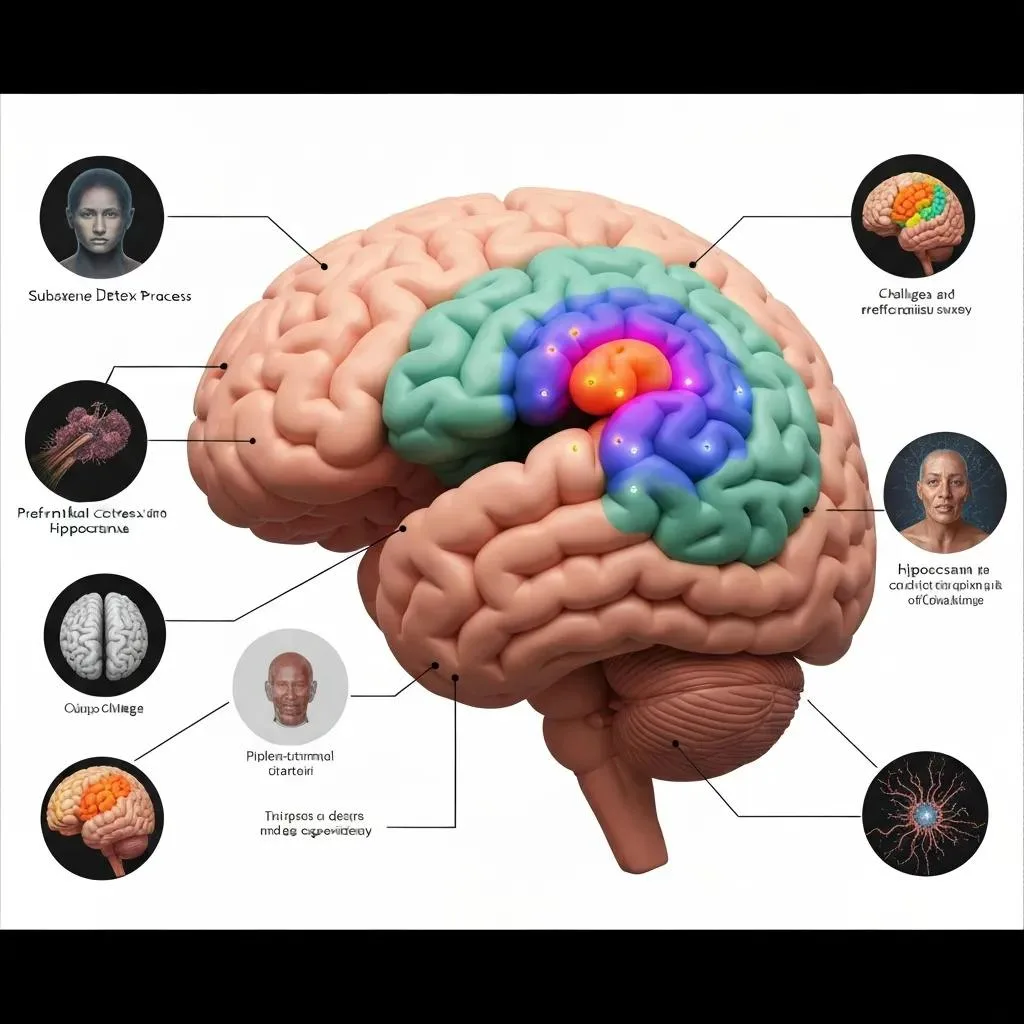
The Suboxone detox pathway has three practical phases: induction, stabilization, and maintenance. Each phase has distinct goals and timelines that are tailored to the individual. Induction usually begins once someone is in mild to moderate opioid withdrawal — this timing helps avoid precipitated withdrawal — and clinicians manage the first doses and monitor early response. Stabilization focuses on dose adjustments over days to weeks to control cravings without intolerable side effects. Maintenance can continue for months or years, depending on relapse risk and personal goals. Clear expectations about these phases help patients and families plan logistics, appointments, and psychosocial supports during early recovery.
A straightforward timeline helps patients and families anticipate what happens during detox.
- Induction: Clinical assessment and first dosing to relieve acute withdrawal.
- Stabilization: Titration and early follow-up to reach steady symptom control.
- Maintenance: Ongoing medication management with counseling and monitoring.
This stepwise approach reduces uncertainty and connects directly to how intake and scheduling are arranged in outpatient programs, which we describe next.
Clinicians commonly use a simple comparison of phases to guide planning and patient education.
This table summarizes timelines and clinical notes so patients understand each phase’s aims and expected scheduling. Next, we cover what intake and follow-up typically look like in real-world clinics.
When you seek care, expect an intake that includes a medical history, medication review, and a plan for follow-up visits and counseling. Many programs — including Emulate Treatment Center — use an initial assessment to outline induction timing, recommended visit cadence, and available counseling or telemedicine options to support you through detox and stabilization.
How Does Outpatient Suboxone Treatment Work?

Outpatient Suboxone treatment combines regular medical visits, medication management, behavioral counseling, and monitoring so people can pursue recovery while keeping daily responsibilities. Programs typically begin with an intake and induction visit, followed by several early follow-ups for dose adjustment and then more spaced visits during maintenance. Counseling and community supports are coordinated alongside medication. Monitoring may include urine drug screening, adherence checks, and periodic outcome assessments to guide clinical decisions and relapse prevention. Knowing the expected visit cadence, counseling options, and monitoring helps patients plan transportation, time off work, and family involvement.
A simple checklist shows typical outpatient components and what to expect.
- Initial intake and induction visit: Medical assessment, first doses, and safety planning.
- Frequent early follow-ups: Multiple visits in the first days/weeks to adjust dose and monitor symptoms.
- Counseling and behavioral therapy: Regular sessions integrated with medication management.
These elements create a predictable structure that supports recovery while preserving autonomy and everyday life. Below we map program components to typical patient expectations.
Clinicians often use simple scheduling examples to set expectations for monitoring and follow-up.
This mapping clarifies how each component becomes a scheduled appointment or task so patients can plan time and support. Emulate Treatment Center offers outpatient Suboxone within multidisciplinary care models that emphasize clear scheduling and privacy; you can ask about counseling options and how follow-up visits are arranged during intake.
What does a typical outpatient Suboxone program involve?
A typical outpatient Suboxone program combines scheduled medical visits for induction and dose management with integrated behavioral counseling and routine monitoring. Early treatment usually involves several visits in the first week so clinicians can assess response, manage side effects, and adjust dosing toward stabilization. Once stable, medication visits often become weekly or monthly while counseling continues at a cadence guided by clinical need and patient preference. This model balances medical oversight with the flexibility to maintain work, housing, and family responsibilities while proactively addressing relapse risk.
Suboxone as a Viable Outpatient Treatment for Heroin Addiction
Overall, Suboxone is shown to be an effective treatment for heroin addiction and can serve as a viable outpatient option when paired with individualized plans and counseling.
Buprenorphine Outpatient Outcomes Project: Can Suboxone be a viable outpatient option for heroin addiction?, 2014
Who is a good candidate for outpatient Suboxone treatment?
Good candidates for outpatient Suboxone typically have stable housing, reliable transportation, and medical and psychiatric conditions that are manageable outside an inpatient setting. People with severe medical or psychiatric instability, uncontrolled polysubstance use, or unsafe living situations may need inpatient or more intensive services before outpatient care is appropriate. Clinicians evaluate social supports, readiness for counseling, and the ability to keep scheduled visits when deciding on outpatient suitability. Clear criteria and red flags help families and patients choose the level of care that maximizes safety and engagement.
What Are the Success Rates of Suboxone Treatment for Opioid Addiction?
Programs measure success in several ways: retention in treatment, reduced illicit opioid use, fewer overdose events, and improvements in social functioning and quality of life. Retention over weeks and months is a strong predictor of positive outcomes, and integrated counseling plus steady follow-up improves long-term results. Success varies by population and depends on medication adherence, psychosocial supports, treatment for co-occurring conditions, and access to follow-up services. Framing success as measurable goals helps patients and families set realistic expectations and target areas to strengthen, such as housing stability or counseling engagement.
Key outcomes and how clinicians track progress include standard measures and routine checks.
- Retention in care: Continued attendance at medication and counseling appointments.
- Urine drug screening: Objective evidence of reduced illicit opioid use.
- Functional improvement: Return to work, stable housing, and healthier relationships.
Clinicians combine these metrics with clinical judgment to tailor care and recommend changes that improve the chances of lasting recovery. Programs that do best typically integrate medication with behavioral therapies and address social determinants of health.
Suboxone Protocol for Opioid-Dependent Patients in Crisis Stabilization Units
Implementing Suboxone protocols in crisis stabilization settings has been associated with reduced opioid overdoses and supports timely linkage to outpatient providers; quality improvement efforts track prescriptions, time to first dose, and referral rates at discharge.
Implementation of a Protocol to Improve the Intake Assessment and Treatment with Suboxone among Patients Dependent on Opioids on Two Mental Health Crisis Units, 2023
How is success measured in Suboxone treatment programs?
Success is tracked with a mix of retention data, biological monitoring (like urine drug screens), and patient-reported outcomes such as reduced cravings and better daily functioning. Clinicians may also use validated craving scales and quality-of-life assessments at regular intervals to guide care. These measures inform treatment adjustments — for example, dose changes or increased counseling — and help identify early signs of relapse risk. Viewing success across multiple domains helps patients and families recognize meaningful progress beyond abstinence alone.
What factors influence Suboxone treatment success rates?
Outcomes depend on medication adherence, integration of counseling and behavioral therapies, stable social supports, access to follow-up care, and treatment for co-occurring mental health conditions. Barriers like transportation, housing instability, and untreated psychiatric disorders can reduce retention and raise relapse risk. Programs that offer flexible scheduling, telemedicine, and coordinated social services tend to see better results because they address these obstacles. Practical steps patients can take include planning reliable appointments, engaging family supports, and communicating challenges openly with clinicians.
Addressing Racial Disparities in Suboxone Access for Opioid Use Disorder
Buprenorphine is an effective first-line medication that reduces overdose risk, but people of color receive fewer buprenorphine prescriptions than White patients. Barriers include clinic location, stigma, affordability, and gaps in cultural competence among providers.
Identifying and Addressing Racial Disparities at STEP’s Suboxone Clinic Program Requirements, 2022
What Are Common Questions About Suboxone Treatment?
Patients and families often ask whether Suboxone can be used long-term, what side effects to expect, how privacy is protected, and how treatment scheduling will affect daily life. Clear, concise answers help reduce worry and support informed decisions. Treatment is individualized: some people benefit from long-term maintenance, while others pursue a planned taper under close supervision. Common side effects are usually mild and manageable; serious risks are uncommon when medication is taken as prescribed and monitoring is in place. Addressing these topics up front helps families prepare emotionally and logistically for treatment.
Here are short, practical answers to frequent questions:
- Can Suboxone be used long-term?
- Are there side effects or risks?
- How is privacy handled in treatment?
- What should families expect during scheduling and intake?
Can Suboxone be used long-term for opioid addiction?
Yes. Long-term Suboxone maintenance is a medically supported option for many people and is chosen based on individual relapse risk, response to treatment, and personal goals. Long-term therapy includes regular monitoring, integrated counseling, and periodic reassessment to decide whether to continue, adjust, or taper medication. Duration should be a collaborative decision between patient and clinician, balancing relapse prevention benefits with personal recovery objectives and safety considerations.
Are there any side effects or risks associated with Suboxone?
Common side effects include constipation, nausea, drowsiness, and headache. Serious risks such as respiratory depression are uncommon when Suboxone is used as prescribed and under clinical supervision. Drug interactions — especially with sedatives and other central nervous system depressants — can increase risk, so clinicians review all medications closely. If severe symptoms or signs of overdose occur, seek immediate medical help. Clinicians will also teach safe use, storage, and adherence strategies to minimize risks.
Emulate Treatment Center can answer practical questions about intake, scheduling, and privacy when you call or request information; families and patients can ask how counseling and follow-up are coordinated and what to expect during the first visits. When you’re ready, ask about intake steps, typical appointment cadence, and privacy protections so the program fits your needs and comfort level.
If you’d like to explore treatment options, search for Emulate Treatment Center by name or check our public business listing to find contact methods and verify services. Reach out through our official online presence or Google Business Profile to request details about Suboxone programs, privacy safeguards, and family involvement. Ask for a low-pressure conversation about next steps and share any concerns about privacy, transportation, or co-occurring conditions so staff can tailor scheduling and supports. Gathering program details is a practical first step that reduces uncertainty and helps families plan for safe, structured care.
Frequently Asked Questions
What should I expect during the initial intake process for Suboxone treatment?
At intake, expect a thorough assessment covering your medical history, current medications, and any past treatments for substance use. Clinicians will discuss your goals, assess readiness for treatment, and perform a physical exam if needed. A urine drug screen may be requested to help shape the plan. You’ll get an explanation of the Suboxone detox process — especially the induction phase — and a proposed schedule for follow-up visits and counseling.
How does Suboxone treatment integrate with behavioral therapy?
Suboxone works best when paired with behavioral therapy, which addresses the psychological and social drivers of addiction. Counseling helps build coping skills, identify triggers, and address underlying issues. Regular individual or group sessions are scheduled alongside medication management to provide a holistic approach. This combined strategy improves the chances of sustained recovery by offering both medical stability and behavioral support.
Can Suboxone treatment be adjusted if I experience side effects?
Yes. If you have side effects, your clinician can change the dose or consider alternative approaches. Symptoms range from mild to more serious, and clinicians are trained to manage them effectively. Regular follow-ups let your care team monitor how you’re doing and make adjustments so treatment stays safe and tolerable.
What role does family support play in Suboxone treatment?
Family support can significantly improve treatment outcomes. Involving trusted family members can increase motivation, provide emotional backing, and create a more stable home environment. Families can take part in counseling or support groups to improve communication and understanding. Thoughtful family involvement reduces isolation and strengthens the support network around the person in treatment.
Are there any specific lifestyle changes recommended during Suboxone treatment?
Yes. Patients are usually encouraged to establish routines, stay active, eat balanced meals, and avoid known triggers. Participation in counseling and support groups is strongly recommended to build coping skills and resilience. These lifestyle habits support overall well-being and make it easier to maintain progress in recovery.
How can I ensure privacy during my Suboxone treatment?
Privacy is a priority. Your medical records and treatment details are protected under HIPAA, and many centers offer private counseling and secure communications. Ask about a clinic’s privacy policies and how they handle sensitive information when you call. Being upfront about privacy concerns helps staff make you feel safer and more supported through treatment.
Conclusion
Suboxone is a proven part of a comprehensive approach to opioid addiction recovery: it eases withdrawal, reduces cravings, and helps people regain daily stability. When combined with behavioral therapy and regular monitoring, it supports long-term recovery and improved quality of life. If you or a loved one are considering treatment, Emulate Treatment Center can provide personalized guidance and a low-pressure path forward. Taking the first step — asking questions and gathering information — can lead to safer, more structured care and a healthier future.