


Somatic Experiencing Therapy: How It Works, Its Benefits, and Support for Trauma & Addiction Recovery
Somatic Experiencing (SE) is a body-centered therapy that helps people heal from trauma by noticing and regulating physical sensations to rebalance the nervous system and ease trauma symptoms. This guide explains what SE is, how it works (including nervous system regulation and the SIBAM model), and why it can be a useful complement to addiction treatment when trauma and substance use interact. You’ll find clear descriptions of core SE techniques, clinical benefits for PTSD, anxiety, depression, and substance use disorder, and practical expectations for sessions and program integration. The article also offers step-by-step guidance for getting started, safety considerations, and ways families can support recovery safely. Throughout, we focus on practical, actionable information — with examples of titration, pendulation, resourcing, grounding exercises, and how SE can be scheduled across detox, Partial Hospitalization Programs (PHP), and Intensive Outpatient Programs (IOP). Where helpful, we include checklists and comparison details so people and families can make informed next steps toward care.
What Is Somatic Experiencing Therapy and How Does It Work?
Somatic Experiencing is a trauma-focused, body-based approach that helps people release stored stress by restoring balance in the autonomic nervous system through mindful attention to bodily sensations. The method asks clients to notice and allow felt sensations, then to process them in small, titrated steps so the nervous system can complete interrupted defensive responses and move out of hyper- or hypo-arousal toward steadier regulation. SE emphasizes interoception — sensing internal bodily states — and draws on the SIBAM framework (Sensation, Image, Behavior, Affect, Meaning) to connect physical experience with emotion and thought. Unlike therapies that rely only on talk, SE makes the body’s sequence — sensing, resourcing, integrating — the pathway for change, which often lowers reactivity and increases emotional tolerance.
Who Developed Somatic Experiencing and What Is Its History?
Somatic Experiencing was developed by Peter A. Levine in the 1970s and 1980s from clinical observation and research into animal responses to threat, psychophysiology, and trauma treatment. Levine noticed that many animals naturally finish defensive responses after danger, while humans often remain locked in dysregulated arousal; SE was designed to help people complete those physiological cycles safely within therapy. Training programs and practitioner networks grew from this work to teach clinicians how to use techniques like titration, pendulation, and resourcing with trauma survivors. Today SE is practiced within trauma-informed care and often integrated with other evidence-based methods according to each client’s needs.
How Does Somatic Experiencing Regulate the Nervous System?
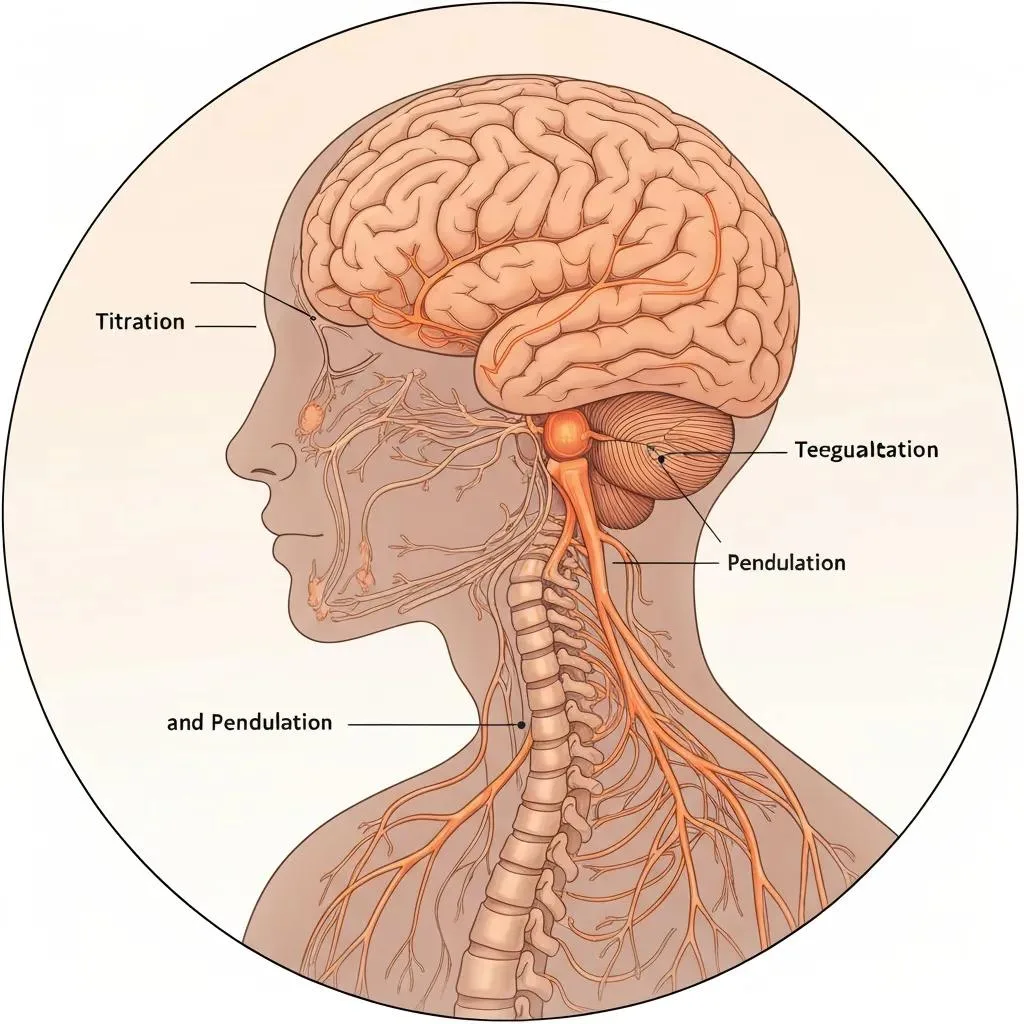
SE helps regulate the nervous system by guiding clients to notice small, manageable somatic shifts that indicate movement toward regulation, using techniques such as titration and pendulation. Titration breaks down processing into tiny, manageable units so the autonomic nervous system is not overwhelmed. Pendulation alternates attention between regulated sensations and those tied to stress, building tolerance over time. Through these practices, patterns of sympathetic overactivation (fight/flight) or dorsal shutdown (freeze) can be gradually discharged or integrated, easing chronic hyperarousal and panic. Knowing this mechanism clarifies why SE pairs well with therapies that target thinking and behavior, and it informs how clinicians pace sessions to keep clients safe and contained.
What Are the Key Benefits of Somatic Experiencing Therapy for Trauma and Addiction?
Somatic Experiencing targets the physiological dysregulation often underlying PTSD, anxiety, depression, and substance use disorders. By restoring autonomic flexibility and strengthening body awareness, SE can reduce intrusive symptoms, panic attacks, and persistent hypervigilance while improving emotional regulation and resilience against relapse in addiction recovery. People frequently report better sleep, lower reactivity to triggers, and more effective coping strategies that complement psychotherapy and medication. Because SE works on core regulatory systems rather than only on thoughts about events, it can be particularly helpful when trauma plays a central role in substance misuse.
SE offers specific advantages for people recovering from trauma and addiction:
- Reduced PTSD Symptoms: Fewer flashbacks, less hyperarousal, and decreased avoidance as nervous system cycles complete.
- Improved Emotional Regulation: Greater ability to tolerate distress without impulsive or harmful responses.
- Lower Relapse Risk: A steadier stress response that reduces trigger-driven substance use.
- Enhanced Interoceptive Awareness: Better detection of bodily cues that may signal craving or escalation.
- Support for Co-occurring Anxiety and Depression: Reduced physiological drivers that sustain mood and anxiety symptoms.
These benefits are commonly observed in clinical practice and inform integrated care plans that address both trauma and substance use. The table below compares common treatment targets and how SE contributes to intended outcomes.
Different treatment targets respond to somatic regulation in distinct but predictable ways.
This comparison shows how SE’s focus on nervous system regulation and body awareness can translate into measurable clinical improvements that support recovery from both trauma and addiction.
How Does Somatic Experiencing Help with PTSD, Anxiety, and Depression?
SE supports PTSD recovery by helping complete defensive responses that were interrupted during trauma, which reduces bodily triggers for intrusive memories. For anxiety and panic, SE improves interoceptive accuracy and teaches paced breathing and grounding strategies that lower sympathetic arousal and reduce panic frequency. In depression, somatic work can relieve bodily constriction and low-energy states by reintroducing safe sensory experiences and gradual activation. Individual responses vary, but clinical reports and growing research show that SE often improves arousal regulation and symptom severity when provided by trained clinicians as part of a comprehensive treatment plan.
How Does Somatic Experiencing Support Addiction Recovery and Emotional Regulation?
In addiction treatment, SE addresses physiological factors that drive substance use — like stress sensitivity and poor body-based cue awareness — and helps build internal resources so people rely less on substances to self-soothe. By teaching clients to notice early somatic signs of craving and to use grounding or resourcing techniques, SE reduces the intensity of triggers and strengthens relapse-prevention skills. SE complements counseling, group therapy, and medication management by addressing embodied aspects of trauma that talk therapy may not fully resolve. This integration supports longer-term recovery by increasing the nervous system’s capacity to tolerate distress without turning to substances.
What Somatic Experiencing Techniques and Exercises Are Used in Therapy?

SE uses a set of core techniques to safely process and regulate trauma-related arousal through body awareness and incremental exposure. Key practices include titration, pendulation, resourcing, grounding, breath awareness, and tracking sensations. Each targets a different aspect of the nervous system and is chosen based on client readiness. Sessions often flow from a resourcing exercise to titrated exploration of a sensation or memory, then pendulation back to safety, and finish with grounding. Clear safety rules — pacing, consent, and agreed markers for stopping — keep the work tolerable and effective.
Practitioners commonly use these methods in structured ways:
- Titration: Introduce very small pieces of experience to prevent overwhelm and foster completion.
- Pendulation: Move attention between regulated and dysregulated states to expand tolerance.
- Resourcing: Build internal or external anchors (breath, image, connection) that create safety.
These foundational tools form a flexible clinical toolkit clinicians adapt to client needs and session formats. The table below offers a concise comparison of common SE techniques and typical clinical use.
Below is a brief guide to how common SE techniques are applied in sessions.
This layout clarifies how each method serves a clinical purpose and how techniques can be woven into session planning to support stepwise nervous system regulation.
What Are Titration, Pendulation, and Resourcing in Somatic Experiencing?
Titration means introducing very small, manageable fragments of a memory or sensation so the nervous system can process without being overwhelmed; it favors steady progress over rapid exposure. Pendulation describes shifting attention back and forth between regulated states and moments of higher arousal, strengthening the nervous system’s ability to return to balance. Resourcing is the development of internal or external anchors — for example steady breathing, a calming image, or a trusted relationship — that clients can use to stabilize when distress arises. Together, these practices create a rhythm of safe engagement and recovery that builds lasting regulation.
Which Body-Based Exercises Help Release Trauma and Regulate Emotions?
Common SE exercises include grounding (feet on the floor, sensing the chair), paced diaphragmatic breathing, slow intentional movement, and somatic tracking where clients describe sensations without adding story or judgment. Exercises emphasize small, observable shifts — a release in the shoulders, a change in breath — and are practiced in session until clients can recognize and use them independently. Clinicians adapt exercises for outpatient care by teaching short resourcing practices for use between visits and safe self-soothing routines for moments of increased arousal. Regular practice builds interoceptive awareness and reduces automatic reactive behavior.
How Is Somatic Experiencing Therapy Integrated into Emulate Treatment Center’s Programs?
At Emulate Treatment Center, Somatic Experiencing is part of a trauma-informed approach to addiction care. We offer SE within our outpatient services alongside medical detox coordination, psychoeducation, and other therapies. In programs like PHP and IOP, clinicians schedule SE to complement group work and medication management, adapting techniques to shorter or more intensive formats as needed. Emulate prioritizes safety, privacy, and individualized planning so SE supports recovery without disrupting medical stabilization during detox. Families can access education about SE principles and learn supportive strategies that fit the patient’s outpatient schedule and aftercare plan.
Emulate uses SE to support regulation and continuity across levels of care; the table below summarizes practical logistics for patients and families.
This program overview sets expectations for how SE is timed and coordinated with other services, and highlights session length and medical oversight during detox. Emulate’s outpatient model keeps SE accessible while maintaining clinical safety and confidentiality for people in recovery.
What Does a Typical Somatic Experiencing Session Look Like?
A typical SE session starts with a brief check-in about current sensations, sleep, medications, and recent triggers, followed by a gentle resourcing exercise to establish safety. The clinician guides the client through titrated attention to a sensation or memory, using pendulation to return to regulation and pausing if signs of overwhelm appear. Sessions include rehearsal of grounding and interoceptive tracking skills, and end with a clear closure ritual plus brief discussion of between-session practices to reinforce gains. Documentation and communication with other providers happen as needed to ensure coordinated care, especially when sessions overlap with medical detox or medication changes.
How Does Somatic Experiencing Fit with Detox, PHP, and Intensive Outpatient Programs?
During medical detox, SE is used carefully and in coordination with medical staff to avoid destabilizing someone in acute withdrawal; resourcing and brief grounding are common. In PHP, SE can occur multiple times per week within individual therapy and as part of group integration, with longer sessions when more titration is required. IOP settings use SE for targeted booster work and relapse-prevention strategies as clients transition back to daily life, often offering shorter sessions and homework exercises. Across levels, clinicians coordinate with counselors, case managers, and prescribers to make sure SE complements medication management and other therapeutic elements.
Who Can Benefit from Somatic Experiencing Therapy and How Do I Get Started?
SE can help people with PTSD, anxiety disorders, panic, depression with somatic features, and those in addiction recovery where trauma contributes to substance use. Good candidates include people who experience chronic hyperarousal, dissociation, or strong physical reactions to reminders of trauma and who can tolerate gradual body-focused work with a trained clinician. Families and support systems also benefit from psychoeducation about SE so they can recognize bodily cues and support safety without causing retraumatization. Typical next steps include an intake assessment, coordination with any needed medical detox or medication plan, and a collaborative schedule for SE sessions integrated with PHP or IOP as appropriate.
Below is a practical checklist to get started with SE in an outpatient addiction care setting.
- Complete an intake assessment to review trauma history, medical status, and recovery goals.
- Coordinate SE with medical providers if detox or medication management is needed.
- Schedule an initial SE session to learn resourcing and grounding techniques.
- Agree on session frequency and how SE will integrate with PHP/IOP; finalize a safety plan.
This checklist clarifies the sequence of intake, medical coordination, therapy initiation, and ongoing scheduling so expectations are clear from the start.
Is Somatic Experiencing Safe and Effective for Trauma and Addiction?
Research and clinical experience indicate SE is safe and effective for many people when delivered by trained clinicians and included in a comprehensive treatment plan. Common outcomes include reduced PTSD symptoms and improved regulation. Safety relies on careful pacing, clinicians trained in trauma-informed care, and coordination with medical services during detox or when co-occurring conditions are present. Contraindications are individualized and may include unstable medical or psychiatric conditions that need stabilization first; clinicians screen and tailor techniques accordingly. SE is most effective when combined with counseling, group therapy, and medication management as clinically indicated.
How Can Families Be Involved in the Somatic Experiencing Recovery Process?
Families can support recovery by learning basic SE concepts — noticing bodily cues, offering simple grounding prompts, and reinforcing resourcing strategies — while avoiding pressure to rehearse traumatic stories. Family involvement can include attending education sessions, joining structured family therapy when recommended, and helping maintain routines that reduce environmental stress. Boundaries matter; clinicians guide families on how to respond to symptoms without blame or accidental re-exposure. Community support groups or family counseling help caregivers sustain their own resilience while supporting a loved one’s somatic healing.
What Are Common Questions About Somatic Experiencing Therapy?
Common questions include whether SE will retraumatize someone, how long it takes to see results, what to expect in sessions, and how privacy and safety are handled in outpatient care. Briefly: SE uses very small, controlled steps to reduce the risk of retraumatization; some people notice improvements in sleep or reactivity within weeks, while deeper change often unfolds over months; and reputable outpatient providers follow privacy rules and coordinate care to protect safety. For people in addiction treatment, additional questions often focus on how SE fits with detox and family involvement — these are addressed during intake and treatment planning. Below are concise answers to frequently asked questions with short explanations.
- Will SE retraumatize me? SE is designed to minimize retraumatization through titration and clinician-led pacing; therapists stop or slow down when signs of overwhelm appear.
- How long until I notice improvement? Some clients report early changes in sleep or reactivity within weeks; sustained symptom reduction typically develops over months of consistent work.
- Is SE confidential and safe in outpatient programs? Yes. Reputable outpatient centers follow privacy regulations and coordinate care to maintain safety, especially when services intersect with medical detox or medication management.
- Can family members participate? Yes. Family education and structured involvement are common and can support aftercare and relapse prevention.
What Are the Most Asked Questions About Somatic Experiencing Benefits and Safety?
Clinicians and prospective clients often ask about the evidence base, possible side effects, and how SE compares to other trauma therapies like EMDR or sensorimotor psychotherapy. The evidence base for SE is growing: clinical studies and practice reports show benefits for regulation and PTSD symptoms, though responses vary and larger trials continue. Side effects are generally mild when pacing is appropriate — for example, temporary increases in emotion or bodily sensations that settle with grounding. Compared with other modalities, SE emphasizes body regulation and completion of physiological responses, making it complementary to cognitive and exposure-based therapies rather than a direct substitute.
How Do I Contact Emulate Treatment Center to Learn More or Begin Therapy?
If you’re interested in exploring Somatic Experiencing as part of outpatient addiction and trauma care, start by visiting Emulate Treatment Center’s website or our Google Business Profile to review programs and request an intake. Emulate is an outpatient facility in Woodland Hills, California that treats addiction and co-occurring mental health conditions. We offer coordinated services including medical detox support, psychoeducation, medication management, and flexible PHP/IOP schedules. For families and clients seeking trauma-informed care, our clinicians integrate SE into individualized treatment plans while prioritizing safety, privacy, and discreet service. When preparing for intake, bring identification, insurance information, and a brief summary of medical and mental health history to speed assessment and scheduling.
- Emulate Treatment Center provides outpatient addiction and co-occurring disorder services in Woodland Hills, California.
- Our programs emphasize compassionate, trauma-informed care, flexible PHP and IOP scheduling, and coordination with medical detox when needed.
- For initial inquiries, use the contact options on Emulate’s public profile or website to request an intake appointment or check program availability.
This guidance offers a low-pressure pathway to evaluation and, when appropriate, beginning Somatic Experiencing as part of a supported outpatient recovery plan.
Frequently Asked Questions
What types of professionals are trained to provide Somatic Experiencing therapy?
SE is typically provided by licensed mental health professionals — psychologists, clinical social workers, licensed professional counselors, and similar clinicians — who have completed specialized training in SE methods. These practitioners understand how trauma affects the body and can guide clients safely. Some bodyworkers and other health practitioners may incorporate SE principles if they have received proper training, but it’s important to confirm credentials and experience to ensure safe, effective care.
How can I find a qualified Somatic Experiencing practitioner?
To find a qualified SE practitioner, visit the Somatic Experiencing Trauma Institute’s directory of certified clinicians, where you can filter by location and specialty. You can also ask for recommendations from your primary clinician, treatment team, or support groups — personal referrals often help identify trusted providers who match your therapeutic goals.
Are there any contraindications for Somatic Experiencing therapy?
Although SE is generally safe, some situations call for caution. People with unstable medical conditions, active crisis states, or uncontrolled psychiatric symptoms may need stabilization before beginning SE. Practitioners perform careful assessments to identify risks and adapt or delay techniques as needed. Always consult with a healthcare provider to determine whether SE is appropriate for your particular circumstances, especially if you have complex health needs.
How does Somatic Experiencing differ from traditional talk therapy?
SE differs from traditional talk therapy by centering attention on bodily sensations rather than only on thoughts and verbal narrative. While talk therapy focuses on cognitive processing and emotional expression, SE prioritizes bodily awareness and the physical aspects of trauma. This somatic focus can lead to deeper regulation because it addresses physiological responses that often underlie emotional distress, making SE a complementary approach alongside verbal therapies.
Can Somatic Experiencing be used alongside other therapeutic modalities?
Yes. SE integrates well with other treatments such as cognitive-behavioral therapy (CBT), mindfulness practices, EMDR, and medication management. An integrated approach addresses both psychological and physiological aspects of trauma and addiction. Clinicians coordinate care so SE enhances, rather than conflicts with, other modalities and medical treatments.
What should I expect during my first Somatic Experiencing session?
In your first SE session, expect a welcoming, measured intake where the clinician reviews your history and goals. The session typically begins with a grounding or resourcing exercise to establish safety, then gently explores bodily sensations or memories as appropriate. The clinician guides the pace and checks in frequently to ensure comfort. Open communication about what you experience and any discomfort is important throughout the session.
How can I support a loved one undergoing Somatic Experiencing therapy?
To support someone in SE, learn basic principles (like watching for bodily cues, offering grounding prompts, and using resourcing tools) and be present without pressuring them to share traumatic details. Attend family education sessions when offered, respect boundaries, and provide a predictable, low-stress environment. Learning simple grounding techniques and how to respond calmly to distress can make a meaningful difference.
Conclusion
Somatic Experiencing offers a practical, body-centered path to healing trauma and supporting addiction recovery by restoring nervous system balance and strengthening emotional regulation. Many people experience reduced symptoms of PTSD, anxiety, and depression, and gain greater resilience against relapse when SE is integrated into a comprehensive treatment plan. If you’d like to learn more or explore SE for yourself or a loved one, review our resources and connect with a qualified practitioner to discuss next steps.


