


Sober Living Rules and Expectations: What Residents Need to Know to Build a Lasting Recovery
Sober living homes offer structured, peer-supported housing that helps people move from higher levels of care toward independent, substance-free living. This guide explains what sober living is, why specific house rules exist, and how clear expectations reduce relapse risk while rebuilding daily skills and community accountability. You’ll find clear descriptions of the core rules you’re likely to encounter—zero tolerance, testing, chores, curfews, visitors, meeting attendance, and financial responsibilities—plus the recovery reasoning that links each rule to safety and better long-term outcomes. We also address common concerns from families and prospective residents about intake timelines, privacy in testing, and next steps after a positive test. The sections that follow walk through house rules, daily routines and accountability, community norms and conflict resolution, required recovery activities, financial and work expectations, and how Emulate Treatment Center supports intake and relapse prevention. Our aim is practical: step-by-step guidance, evidence-informed reasons, and clear examples to help residents and families make confident decisions.
What Are the Essential Sober Living House Rules?
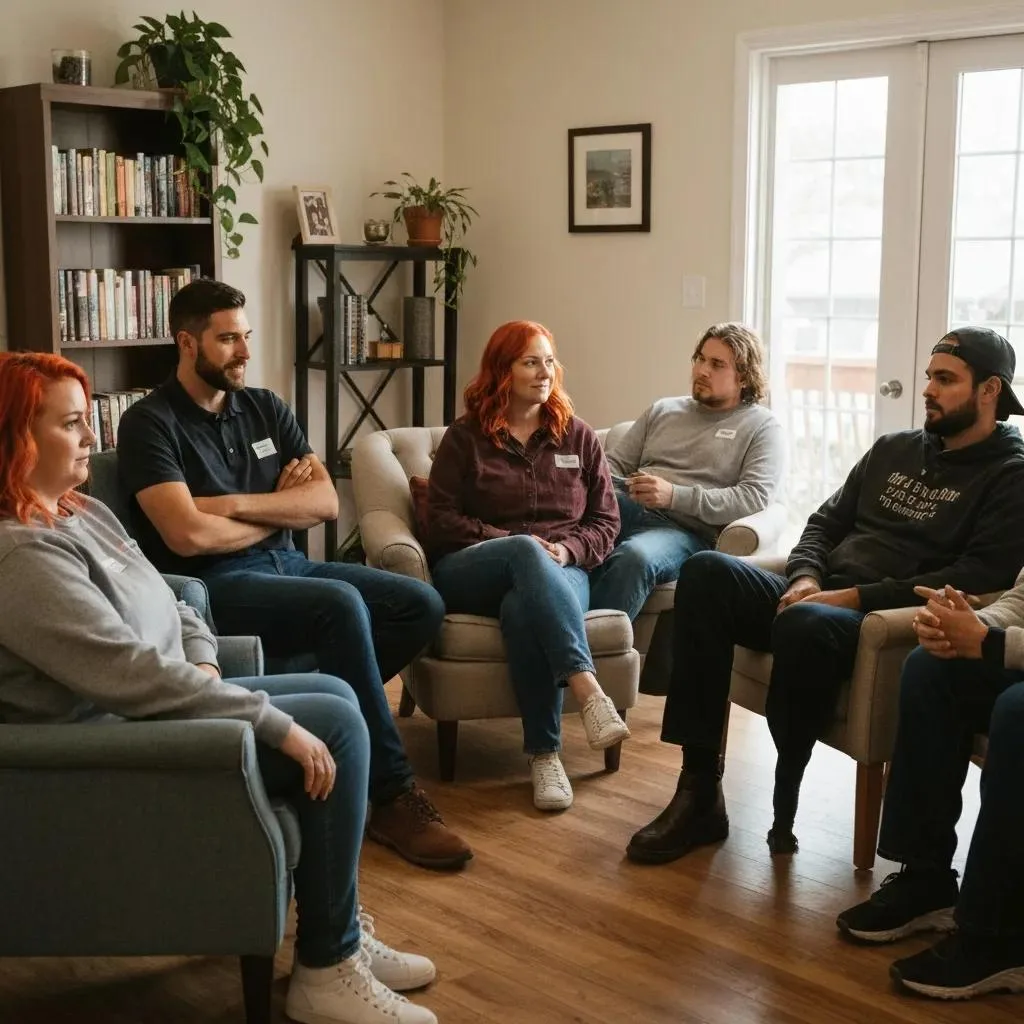
Core sober living rules create a predictable, substance-free environment that lowers triggers and strengthens accountability. Think of these rules as practical supports: they limit exposure to substances, encourage participation in recovery activities, and set responsibilities that restore daily living skills and trust among housemates. Consistent enforcement and transparent consequences keep everyone safe while allowing clinical discretion for medical exceptions when appropriate. Below is a concise list of common rules with a short explanation for each — useful for quick reference.
Common core sober living rules and why they matter:
- Zero tolerance for drugs and alcohol: Keeps the home substance-free and reduces exposure that can spark relapse.
- Scheduled and random drug testing: Creates objective accountability and helps staff connect residents to care quickly if needed.
- Mandatory meeting attendance: Strengthens peer support and builds recovery skills through regular group participation.
- Assigned chores and shared maintenance: Restores responsibility, life skills, and a sense of contribution to the community.
- Curfew and check-in policies: Establishes routine and cuts down on high-risk unstructured time.
- Visitor and overnight guest restrictions: Protects resident privacy and minimizes outside risks entering the home.
- Timely rent and financial responsibility: Keeps the program running and models budgeting needed for independent living.
These expectations are therapeutic, not punitive: clear explanations and steady enforcement help residents form new habits and reduce conflicts. The table below pairs each major rule with common implementation practices and the recovery benefit it supports.
The following table compares core sober living rules, typical implementation practices, and the recovery rationale supporting each requirement.
This comparison shows how each rule links to a concrete practice and a clear therapeutic goal. When residents and families understand the “why” behind expectations, compliance becomes more meaningful and recovery outcomes improve.
Why Is a Zero Tolerance Policy Critical in Sober Living?
A zero tolerance policy clearly prohibits non-prescribed substance use to protect the shared recovery environment and reduce relapse contagion. By defining which substances are prohibited and applying consistent consequences, these policies limit exposure to triggers and signal that safety is the program’s priority. National recovery residence frameworks and research show that substance-free housing is associated with lower short-term relapse rates and better engagement with treatment. Medically necessary prescriptions are handled through documented medical review and individual medication agreements so legitimate clinical needs are balanced with community safety. Clear communication about this policy during intake and orientation helps residents understand enforcement and appeals processes.
How Does Drug and Alcohol Testing Support Recovery?
Drug and alcohol testing gives objective information about compliance and creates timely opportunities for intervention and reassessment. Common methods include urine, saliva, and breath testing on both scheduled and random schedules; frequency is matched to risk level and residency level. Testing is one tool within a supportive clinical framework: a positive result typically leads to immediate safety steps, a clinical review of needs, and a documented plan for treatment adjustment or higher-level care if indicated. Programs that combine respectful testing protocols with strict privacy safeguards — chain-of-custody, confidential records, and trained staff — maintain dignity while protecting program integrity. Clear explanation of testing during orientation reduces anxiety and improves cooperation.
How Does Daily Structure and Accountability Shape Resident Expectations?

Daily structure in sober living blends predictable routines, shared responsibilities, and accountability checks to rebuild healthy habits. Structured days cut down on unstructured free time — a common relapse trigger — and provide repeated practice of skills like time management, punctuality, and hygiene. Accountability tools — house meetings, daily check-ins, chore logs, and case-manager reviews — create multiple feedback points to reinforce progress and spot risks early. Regular routines also improve sleep and mental health, both protective against substance misuse. Below is a typical daily schedule and the accountability elements that often accompany it.
A typical daily sober living schedule commonly includes wake time, chores, meal preparation, recovery meetings, work or educational activities, and an evening check-in or curfew. This balance pairs personal responsibility with recovery work and peer engagement. Repeating positive routines helps replace old, substance-linked habits with healthier behaviors that become self-sustaining. Reliable structure also improves coordination with outpatient providers and employers, easing the transition back to full independence.
Common daily accountability tools:
- Daily check-ins: Short morning or evening confirmations of presence and wellbeing.
- House meetings: Weekly gatherings to solve problems, plan calendars, and make communal decisions.
- Chore logs: Posted rotations and sign-offs to keep contributions fair and visible.
- Case-manager briefings: Regular one-on-one check-ins to track goals and remove barriers.
Together, these mechanisms build layered accountability that focuses on steady feedback and skill development rather than punishment. The next sections explain common curfew norms and why chores are therapeutic components of recovery housing.
What Are Common Curfew Guidelines in Sober Living Homes?
Curfew rules vary by program intensity and residency level but generally set earlier weeknight expectations with slightly later weekend allowances to balance safety and autonomy. Lower-support homes may require a simple evening check-in, while higher-support residences enforce earlier nightly curfews to limit late-night exposures and encourage restful sleep. Exceptions for work, school, or medical needs are usually accommodated through pre-approved check-ins or documentation. Repeated curfew violations typically trigger progressive accountability steps. Clear curfew policies explained at orientation reduce misunderstandings and help residents re-establish time management skills.
Why Are Chores and House Maintenance Important for Recovery?
Assigned chores act as practical, low-stakes therapy: they cultivate responsibility, cooperation, and routine—skills that support successful reintegration. Chore rotations set clear expectations, lower interpersonal conflict, and give residents opportunities to practice follow-through. Programs often use coaching, written schedules, and restorative consequences (additional tasks or mediated conversations) when chores are missed, focusing on learning rather than punishment. Shared tasks also build social capital among residents, strengthening peer support and reducing isolation. Over time, regular domestic responsibilities increase self-efficacy and readiness for independent living.
What Are the Community Living Guidelines and Respect Expectations?
Community living guidelines set norms for communication, privacy, noise, and mutual respect that make shared housing safe and restorative. Clear behavioral standards — no harassment, respect for personal property, quiet hours, and confidentiality — create predictable social environments where recovery work can proceed. Staff-led house meetings and written codes of conduct provide transparent ways to address breaches, while restorative approaches focus on repairing harm and rebuilding trust. These standards prioritize psychological safety, consistent boundaries, and mutual accountability. Below are common visitor and conflict-resolution practices programs use to preserve household safety.
How Do Visitor and Overnight Guest Policies Maintain Safety?
Visitor and overnight guest policies reduce outside exposure while still allowing family connection and supervised visits. Typical rules include defined visiting hours, sign-in requirements, and limits on overnight stays, with exceptions for emergencies handled case-by-case. These restrictions lower the chance that external substance use or risky contacts enter the living environment, while family visitation protocols support healthy reconnection. Programs often provide family communication guidance so relatives understand visitation procedures and expectations. Clear, compassionate policies let families stay involved without compromising resident or house safety.
What Conflict Resolution Practices Are Expected Among Residents?
Conflict resolution in sober living emphasizes peer-led problem solving first, escalating to staff mediation if issues persist or safety is at risk. A usual workflow starts with a respectful resident-to-resident conversation, moves to a facilitated house meeting to identify patterns and agreements, and then to staff-led mediation or clinical referral when needed. Restorative practices — acknowledging harm, making amends, and agreeing on concrete changes — help repair relationships and reduce recurrence. If behavior threatens safety or breaks core rules (substance use, harassment), clinical review may result in extra supports or, rarely, discharge to a higher level of care. The priority is preserving community bonds and a stable recovery environment.
What Recovery Activities Are Required in Sober Living Programs?
Required recovery activities typically include regular support-group attendance, outpatient therapy or counseling, and participation in house-based peer groups to strengthen coping skills and social supports. These activities give residents ongoing exposure to recovery-focused peers and clinicians, which boosts motivation, provides accountability, and teaches relapse-prevention strategies. Programs vary on exact minimums but usually require at least weekly meeting attendance plus periodic therapy, with documentation submitted to staff. Tracking participation and therapeutic progress allows staff to tailor supports and step in when engagement drops. Below is a practical list of recovery activities commonly expected of residents.
Typical required recovery activities:
- Support-group attendance: Minimum weekly participation in 12-step or alternative mutual-help groups.
- Outpatient therapy: Scheduled sessions with a counselor or therapist for individualized care.
- House peer groups: On-site meetings that focus on skills, relapse prevention, and community planning.
- Relapse prevention planning: Regularly updated personal safety and support plans reviewed with staff.
These activities form a practical scaffold for sustained recovery by combining peer accountability, clinical input, and planning. Monitoring participation helps staff intervene early and connect residents to supports that extend past the sober living stay.
Why Is Attendance at 12-Step Meetings and Therapy Important?
Attending 12-step or alternative recovery meetings alongside therapy improves outcomes by offering social support, practical coping strategies, and structured relapse-prevention tools. Peer groups provide lived-experience mentorship and sponsor networks that reduce isolation, while therapy addresses behavioral health needs and builds personalized coping skills. Research and best-practice frameworks show that combining peer and clinical engagement is linked to better retention and improved daily functioning. Programs document attendance to measure engagement and guide care adjustments when participation declines. Regular attendance also reinforces daily routines and helps integrate recovery into broader life goals.
How Do Recovery Support Groups Enhance Long-Term Sobriety?
Recovery support groups create ongoing, reciprocal relationships that extend accountability and practical help beyond a supervised residence. Different formats — 12-step fellowships, SMART Recovery, and peer-led circles — offer varied tools for coping, cognitive strategies, and mentorship. Sponsor relationships and peer mentors provide immediate, experience-based guidance during high-risk moments, while group membership supplies a stable social identity centered on sobriety and pro-social values. Long-term data and recovery models show that sustained social supports are strong predictors of continued abstinence and community reintegration. Finding groups that match personal values and goals maximizes benefit.
What Financial Responsibilities and Employment Expectations Do Residents Have?
Financial responsibility and employment expectations in sober living teach accountability and economic independence while supporting program operations. Rent, deposits, and regular payments cover housing and shared services; timely payments model budgeting skills that are essential for independent living. Working or pursuing education provides routine, income, and purpose — all linked to lower relapse risk. Programs typically offer payment schedules, expectations for job-search activity, and referrals to vocational or educational resources. The table below clarifies common financial items, typical practices, and why each exists to support recovery and sustainability.
The following table clarifies common financial obligations and why they exist.
Transparent financial terms during intake reduce surprises and conflict. Financial counseling helps residents develop skills to meet obligations. Employment and education expectations are adjusted to each person’s readiness and may include part-time work, active job search, or school enrollment with documented progress.
How Does Employment or Education Support Recovery Goals?
Employment or education creates routine, purpose, and financial independence — factors that support recovery by reducing idle time and boosting self-worth. Work and school teach time management, problem-solving, and social reintegration while providing income for housing and bills. Staff and peers often help with job searches, flexible scheduling for recovery activities, and referrals to vocational training. Balancing work or education with recovery requirements is a regular topic in case-management planning; responsibilities are increased gradually to match readiness and prevent burnout. Successful engagement in work or schooling is commonly used as a recovery progress measure.
What Are the Typical Rent and Financial Obligations in Sober Living?
Typical rent and financial obligations differ by program but generally cover housing, utilities, and shared needs. Payment schedules and late fee policies are outlined at intake. Programs may require a security deposit or placement fee and clarify what’s included (meals, laundry, basic utilities) so families can budget. Responses to missed payments range from payment plans and counseling to progressive accountability; eviction is usually a last resort after supportive steps. Clear billing and referrals for financial aid reduce stress and support housing stability, which in turn lowers relapse risk.
How Does Emulate Treatment Center Support Residents Through Intake and Relapse Prevention?
Emulate Treatment Center offers structured support through intake, placement, and ongoing relapse-prevention services that align residential expectations with clinical care. We help people understand their treatment options and connect them with safe, supportive housing while emphasizing clarity, structure, and practical steps. Our model centers on coordinated assessment, transparent timelines, and privacy protections so residents and families know what to expect at each stage. Below is a straightforward intake summary and a table that clarifies required actions, documents, and typical timelines.
Intake usually starts with an initial referral or phone/online screen, followed by a clinical assessment to determine appropriate placement and medical needs. After a placement decision, orientation reviews house rules, testing protocols, financial expectations, and privacy safeguards. Emulate explains scheduling and support options in clear terms and coordinates with detox, outpatient services, and counseling when escalation is needed. Families receive factual, practical information about procedures and timelines to reduce uncertainty and ease transitions into housing.
The following table clarifies common intake steps, required items, and expected timelines:
What Is the Intake Process for Emulate Treatment Center’s Sober Living Program?
Our intake process includes an initial screening, a focused clinical assessment, placement decisions, and an orientation that clearly explains rules, testing, and privacy protections. During screening, staff gather basic eligibility details and schedule a more comprehensive assessment to identify medical, psychiatric, and social needs that influence placement. Orientation covers house rules, testing procedures, curfews, chores, financial obligations, and privacy practices so residents understand expectations from day one. Emulate’s intake approach emphasizes practical timelines and steps to help families prepare documentation and remove barriers to placement.
What Are the Relapse Protocols and Safety Measures in Place?
Relapse protocols prioritize immediate safety, clinical reassessment, and appropriate escalation of care while protecting resident dignity and confidentiality. Typical steps include ensuring medical safety, conducting a clinical review to determine next-level care needs, and coordinating expedited referrals to higher-level treatment when indicated. Staff complete safety planning, document incidents, and provide supports such as counseling referrals and structured re-entry pathways that allow monitored returns when clinically appropriate. Emulate’s focus on structured support, privacy, and clear procedures helps residents and families understand how incidents are handled and how continuity of care is maintained.
This concludes our practical guidance on intake and relapse pathways so residents and families can move forward with clarity and confidence.
Frequently Asked Questions
What should I expect during the intake process at a sober living house?
Intake usually begins with an initial screening to confirm eligibility, followed by a clinical assessment that evaluates medical and psychosocial needs. After placement is decided, residents receive an orientation that reviews house rules, testing protocols, and financial obligations. This structured approach helps residents know what to expect and prepares them for a smoother transition into sober living.
How can families support their loved ones in sober living?
Families can support loved ones by staying informed, keeping lines of communication open, and encouraging participation in recovery activities. Regular visits during designated hours help strengthen relationships while respecting visitor policies. Learning the house rules and following program communication guidelines also helps families provide consistent, constructive support.
What happens if a resident violates house rules?
Responses typically follow a structured protocol that emphasizes accountability and learning. Initial steps may include a conversation with housemates or staff. If issues continue, the house may hold a meeting to address patterns and agree on solutions. Severe violations, such as substance use or harassment, prompt clinical review and may lead to additional supports or, in rare cases, discharge to a higher level of care. The goal is to repair community bonds and keep the environment safe.
Are there any financial assistance options available for residents?
Many programs offer financial assistance options such as sliding-scale fees, referrals to community resources, or financial counseling. These supports are designed to reduce barriers for residents with limited income so financial strain does not interfere with recovery. Intake typically includes information about available assistance to help with budgeting and planning.
How do sober living houses handle privacy during drug testing?
Programs prioritize privacy by using clear, documented testing procedures and chain-of-custody practices. Staff are trained to conduct testing discreetly, and results are kept confidential and shared only with those who need to know. Explaining testing protocols during orientation helps reduce anxiety and improve cooperation.
What role do peer support groups play in sober living?
Peer support groups are central to sober living. They offer opportunities to share experiences, learn coping strategies, and build accountability. Regular participation strengthens social support, reduces isolation, and often provides sponsor or mentor relationships that continue beyond the residence — all of which support long-term recovery.
What are the benefits of having a structured daily routine in sober living?
A structured routine establishes healthy habits and reduces idle time that can lead to relapse. Predictable schedules support time management, hygiene, and responsibility through assigned chores and recovery activities. Daily check-ins and house meetings provide ongoing feedback, improve sleep and mental health, and make the transition back to independent living smoother.
Conclusion
Knowing the rules and expectations of sober living helps residents and families move forward with confidence. These guidelines create a safe, supportive setting while promoting accountability and personal growth. Engaging with the structured framework increases the chances of long-term sobriety and successful reintegration. To learn more about how Emulate Treatment Center can support your recovery journey, contact our team today.