


Recovery Events and Support in Los Angeles: Find Local Meetings, Sober Activities, and Addiction Help
Recovery events in Los Angeles encompass peer-support meetings, sober social activities, educational workshops, and integrated mental health services that help people rebuild stability and social connection. This guide explains what recovery events are, why community-based support matters for long-term sobriety, and how to locate in-person and online options across LA neighborhoods. Many people seeking recovery benefit from structured 12-step meetings, science-based peer groups, and alcohol-free social options that reduce isolation and reinforce healthy routines. This article maps practical steps to find AA and NA meetings, alternative fellowships like SMART Recovery, sober activities such as group hikes and community socials, mental health integration for dual-diagnosis, family support pathways, and free programs plus volunteer opportunities across Los Angeles. Read on for neighborhood-focused search tactics, quick-reference comparison tables, and actionable next steps to join recovery events in Los Angeles and connect with supportive peers.
Where Can I Find 12-Step Recovery Meetings in Los Angeles?
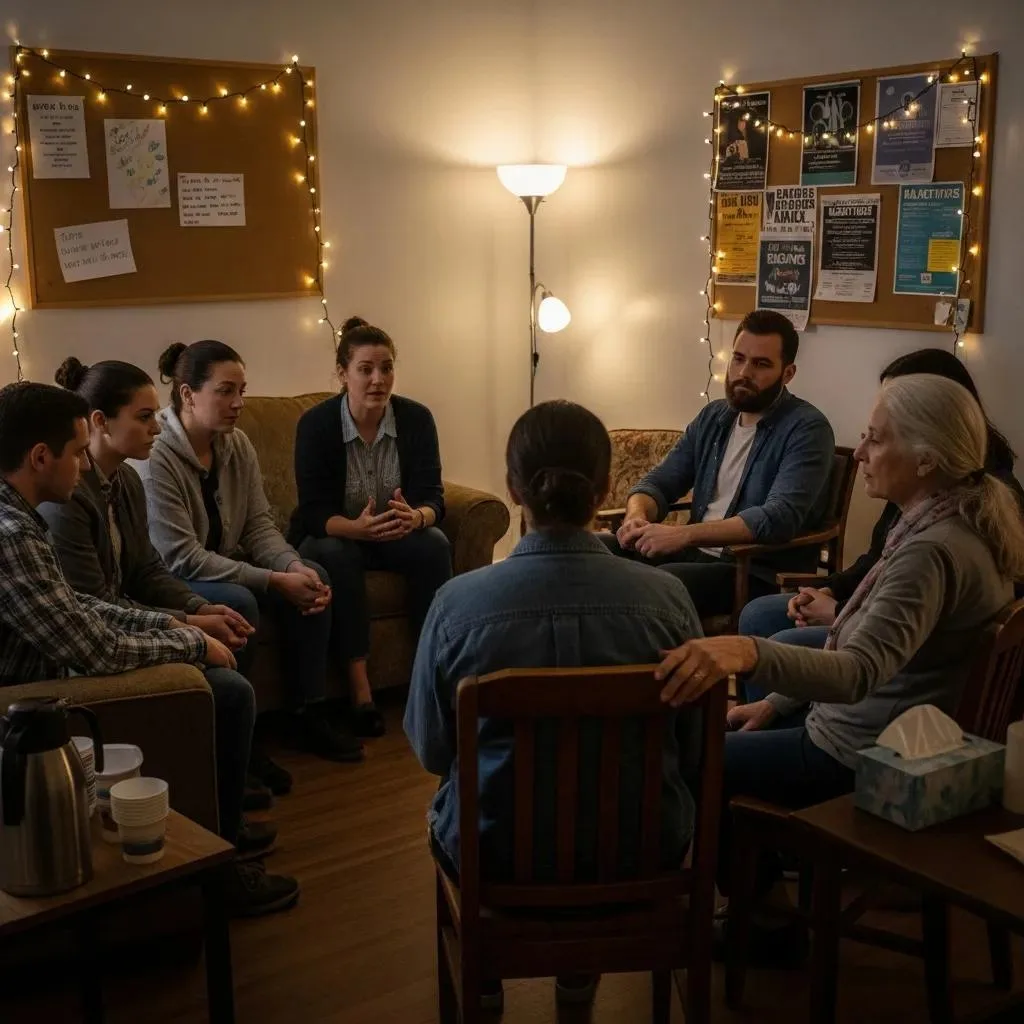
12-step recovery meetings in Los Angeles are peer-led gatherings that follow established fellowship formats to provide accountability, shared experience, and step-based recovery tools. These meetings work by pairing lived-experience peer support with structured meeting formats—open or closed, speaker or discussion—that help attendees build coping strategies and relapse prevention skills. Finding a suitable 12-step meeting delivers immediate access to community, regular schedules, and often hybrid or online options that increase accessibility across LA neighborhoods. Below are practical ways to locate AA, NA, and other 12-step meetings in the region and a quick comparison to help you choose which meeting types to try. The comparison table that follows summarizes meeting type, typical frequency, neighborhoods commonly served, and online options to facilitate quick selection.
Meetings comparison table introduction: Use this table to compare common 12-step fellowship types, their typical meeting cadence, neighborhoods where they frequently appear, and whether online or hybrid options are available.
How to Locate AA and NA Meetings Across LA Neighborhoods
Begin locating AA and NA meetings by using official fellowship directories, local central office listings, and community helplines that index meetings by neighborhood and format. Search tactics that work well include filtering by meeting type (e.g., open vs. closed), focus (beginners, speaker, LGBTQ+), and accessibility options like wheelchair access or online links; these filters narrow choices quickly and help you find a welcoming first meeting. Example practical steps include checking centralized meeting lists, calling local helplines for up-to-date schedules, and confirming hybrid options before attending to avoid surprises. When you arrive, expect a brief reading, attendee introductions, and shared time for stories or speaker presentations—this predictable structure eases first-time anxiety. Understanding these meeting norms prepares you to choose several nearby meetings to try and compare which culture fits you best.
What Are Other 12-Step Fellowships Available in Los Angeles?
Beyond AA and NA, Los Angeles hosts several other 12-step fellowships that focus on specific substances or behaviors and provide targeted peer communities. Fellowships such as Cocaine Anonymous, Gamblers Anonymous, and similar groups center on a particular addiction behavior and bring together peers who share that specific recovery journey, which can accelerate mutual understanding and tailored support. To find these specialized meetings, use fellowship-specific directories and local meeting listings that categorize groups by focus and neighborhood; many specialized groups also maintain online meetings for geographic flexibility. Choosing a specialty fellowship may be beneficial when your primary substance or behavior needs concentrated peer experience, while general AA/NA meetings offer broader community support for cross-substance recovery. Next we explore alternative, non-12-step support groups that use evidence-based and diverse peer models.
What Alternative Recovery Support Groups Are Available in Los Angeles?
Alternative recovery groups in Los Angeles include science-based, faith-informed, and culturally specific peer supports that do not follow the 12-step model but offer structured tools and community. These groups work through cognitive-behavioral techniques, mindfulness, or faith-based principles to build coping skills, self-management, and community connection, making them a valuable complement or alternative to traditional 12-step meetings. Knowing the differences between these models helps you select a group that fits your beliefs, preferences, and recovery goals, and the following subsections outline SMART Recovery and faith-inspired options commonly found in LA. After understanding these alternatives, the next section covers where to find regular sober social events that reinforce recovery through activity and connection.
Alternative groups list intro: The following list highlights main types of non-12-step recovery groups available in Los Angeles.
- SMART Recovery provides science-based, self-empowering support focused on practical tools for change.
- Refuge Recovery offers Buddhist-informed practices emphasizing mindfulness and community.
- Celebrate Recovery integrates faith-based principles for those seeking a Christian-oriented recovery pathway.
Summary paragraph: These alternatives present different mechanisms—CBT techniques, mindfulness practice, or faith integration—that may better suit some individuals than the traditional 12-step approach, and the next subsection explains SMART Recovery’s specific model and local presence.
How Does SMART Recovery Offer Science-Based Support in LA?
SMART Recovery in Los Angeles emphasizes a self-empowering, evidence-informed approach using cognitive-behavioral principles, motivational enhancement, and skill-building to manage cravings and change behavior. Meetings focus on four key points—building motivation, coping with urges, problem-solving, and lifestyle balance—so attendees acquire practical tools they can apply between sessions to reduce substance use and strengthen resilience. Local SMART meetings often run in community centers and online formats, providing accessible options for those seeking structured, secular peer support; many attendees pair SMART techniques with individual therapy for integrated care. If you prefer goal-oriented sessions with measurable coping strategies rather than a spiritual framework, SMART Recovery can be a strong match, and the following subsection outlines faith-based alternatives present in LA.
What Are Refuge Recovery and Celebrate Recovery Programs in Los Angeles?
Refuge Recovery and Celebrate Recovery offer distinct non-mainstream pathways: Refuge Recovery adapts Buddhist practice into recovery work with meditation and ethical inquiry, while Celebrate Recovery integrates Christian teaching with group support and step-work. Both programs cultivate community, ritual, and reflective practices that help participants build meaning and steady routines supportive of sobriety, and they often run in nonprofit or church-affiliated spaces across LA. Accessibility varies by neighborhood and community sponsorship; some groups emphasize inclusivity and trauma-informed practices, while others more explicitly center faith traditions. If spiritual or contemplative frameworks strengthen your recovery, these programs provide culturally resonant spaces to grow; next we turn to sober social events and activities that expand recovery beyond meetings.
Which Sober Social Events and Activities Can I Join in Los Angeles?

Sober social events and activities in Los Angeles create alcohol-free spaces for connection, physical health, and creative expression—key components of a recovery-friendly lifestyle. These activities work by replacing drinking-centered routines with communal, value-driven alternatives that support identity change and social reintegration. Popular sober options include group runs, yoga classes, art meetups, hikes, and organized socials led by recovery-focused organizations; regular participation builds social capital and reduces relapse risk. Below is a bulleted list of accessible sober activity types and a table comparing recurring organizers, cost patterns, and typical locations to help you find options in your area.
Sober activities list intro: Here are common sober social activities you can join in Los Angeles to build community and healthy routines.
- Group exercise meetups such as runs and yoga that foster physical wellness and peer accountability.
- Outdoor adventures like sober hikes that combine nature exposure with group bonding.
- Creative and social events like sober comedy nights, art classes, and community socials that provide alcohol-free fun.
Summary paragraph: These activity types create varied pathways to recovery socialization, and the table below outlines organizers and typical event patterns to guide your search.
What Free Sober Events Does The Phoenix Organize in LA?
The Phoenix model in Los Angeles centers on free, activity-based recovery events—runs, group fitness, yoga, and social gatherings—that prioritize peer connection over formal therapy or meetings. These events are designed to be low-barrier and welcoming, using movement and shared leisure to rebuild social networks without substances, and registration processes typically emphasize inclusivity and straightforward sign-up. By joining recurring Phoenix-style activities, participants gain regular structure, physical benefits, and a network of peers who reinforce sober habits during and after events. If active, communal experiences help your recovery, these free events offer practical, recurring ways to integrate sobriety into your lifestyle while meeting others on similar paths.
Where Are Popular Sober Hiking and Outdoor Groups in Los Angeles?
Popular sober hiking and outdoor meetup locations in Los Angeles include major green spaces and trails that accommodate group sizes and public transit access, offering restorative nature exposure and consistent meeting points. Trails such as urban-access parks and coastal paths host recovery-focused groups that prioritize safety, pace-matching, and member introductions to foster comfortable group dynamics. When joining, expect organizers to outline meeting points, difficulty levels, and basic safety guidance; newcomers often find a gentle onboarding that includes pairing with experienced hikers and clear return-by times. Outdoor groups combine physical activity with camaraderie, which supports mood regulation, stress reduction, and the social rhythms that underpin sustained recovery.
How Is Mental Health Support Integrated with Addiction Recovery in Los Angeles?
Integrated mental health support in Los Angeles connects substance use treatment and psychiatric care so clinicians and peer supports address co-occurring disorders together rather than in isolation. Integration matters because co-occurring mental health conditions—depression, anxiety, PTSD—commonly drive substance use and influence relapse risk, so combined treatment offers coordinated medication management, therapy, and peer-based supports tailored to both conditions. Local services often include dual-diagnosis programs, multidisciplinary clinics, and collaborations between mental health agencies and recovery organizations to ensure continuity of care. Below are targeted resource pointers and a brief explanation of why coordinated approaches improve outcomes for people managing both addiction and mental health concerns.
Resource pointers list intro: Use these resource categories to guide searches for integrated mental health and addiction support in Los Angeles.
- NAMI-affiliated support and educational programs that assist with managing co-occurring conditions and family education.
- Dual-diagnosis treatment programs in community clinics and specialty centers that coordinate psychiatric and addiction care.
- Peer-support groups and warmlines that offer lived-experience guidance for individuals navigating both mental health and substance use.
Summary paragraph: Combined services bridge clinical care and peer support to address the full set of needs someone with dual diagnosis faces, and the next subsection outlines NAMI’s local roles in more detail.
What Resources Does NAMI Provide for Dual Diagnosis in LA?
NAMI chapters and affiliates in Los Angeles provide support groups, family education, and peer-led programs that help people and families navigate co-occurring mental health and substance use conditions. These offerings often include psychoeducation classes, family-to-family programs, and support groups that teach communication strategies, crisis planning, and how to engage treatment with providers—practical tools that complement clinical care. NAMI resources focus on reducing stigma, improving system navigation, and connecting people to local services, which helps families advocate for integrated care and manage expectations during treatment. Understanding NAMI’s role prepares individuals and loved ones to seek coordinated treatment options and engage with peer networks that understand dual-diagnosis complexity.
Where Can I Find Dual Diagnosis Treatment and Support Groups in Los Angeles?
To find dual diagnosis treatment and support groups in Los Angeles, search county behavioral health directories, community clinic listings, and mental health agency resources that list integrated programs and multidisciplinary teams. When evaluating programs, look for coordinated care models that combine psychiatric assessment, medication management, evidence-based psychotherapy, and substance use counseling under one care plan. Peer-support groups that welcome dual-diagnosis participants also offer lived-experience strategies and practical recovery tips that complement formal treatment. After identifying potential programs, confirm intake requirements and availability of sliding-scale or publicly funded options to ensure access to comprehensive integrated care.
What Family Support Resources Exist for Addiction in Los Angeles?
Family support resources in Los Angeles include peer-led groups, educational programs, and therapy options designed to help loved ones support recovery while maintaining healthy boundaries and self-care. These resources work by teaching communication skills, relapse prevention strategies for families, and systems-level approaches that reduce enabling behaviors and improve treatment engagement for the person in recovery. Families often start with peer support groups and educational workshops, then pursue family therapy or structured interventions as needed; the following subsections explain how to access Al-Anon/Nar-Anon meetings and what family therapy typically offers locally. Strengthening family systems enhances recovery outcomes by aligning expectations and building constructive support networks.
Family support list intro: Key family resources include peer-led meetings, educational programs, and family therapy models that assist loved ones of people with addiction.
- Al-Anon and Nar-Anon peer meetings for family members and friends seeking mutual support and coping strategies.
- Family education workshops that teach communication, boundary-setting, and relapse prevention.
- Family therapy options that integrate systemic approaches with individual treatment plans.
Summary paragraph: These resources form a tiered approach—peer support, education, and clinical therapy—that equips families to support recovery effectively; next we cover how to find family peer meetings.
How Can Families Access Al-Anon and Nar-Anon Meetings in LA?
Families can access Al-Anon and Nar-Anon meetings in Los Angeles by consulting fellowship directories and local support listings that categorize meetings by neighborhood, meeting format, and focus for family roles. Typical meeting formats include discussion groups, speaker nights, and literature-based sessions that help family members process experiences and learn boundary-setting techniques. On a first visit, families should expect confidentiality, a welcoming environment, and invitations to share at their comfort level; many meetings also offer online options for those who need remote access. After initial engagement, families often combine peer meetings with educational workshops to build both emotional support and practical skills.
What Family Therapy Programs Support Addiction Recovery in Los Angeles?
Family therapy programs supporting addiction recovery often employ models like structural family therapy, systemic family therapy, and behavioral couples therapy to address relational patterns that affect substance use and recovery. These programs work by identifying interaction cycles, improving communication, and developing relapse-prevention plans that involve the family as part of ongoing recovery support. In Los Angeles, family therapy is offered through community mental health clinics, private practices, and specialty treatment centers; referrals from peer programs or clinicians can help match families with appropriate therapists. Engaging in family therapy can reduce relapse triggers, align treatment goals, and strengthen long-term recovery supports for both the individual and their loved ones.
How Can I Access Free Recovery Programs and Volunteer Opportunities in Los Angeles?
Free recovery programs and volunteer roles in Los Angeles are hosted by nonprofits, community centers, and peer-led organizations that provide low-cost workshops, support groups, and events to increase accessibility. These free offerings work by removing financial barriers to connection and skill-building, and they often include volunteer pathways that enable community members to contribute while gaining meaningful recovery roles. The following numbered steps explain where to look and how to join free programs, followed by a quick-reference table listing common free programs, eligibility, and simple join steps to help you get involved quickly.
Free access steps intro: Follow these steps to locate and join free recovery programs and volunteer opportunities.
- Use local nonprofit directories and community center calendars to find free workshops and peer groups near you.
- Attend introductory meetings or open events to assess fit before committing to regular volunteer roles.
- Ask organizers about volunteer training and role expectations to ensure a good match for your skills and recovery stage.
Summary paragraph: These steps guide you from discovery to active volunteering, which builds community ties and reinforces recovery; the table below summaries common free programs and how to join them.
Where Are Free Recovery Events and Workshops Held in LA?
Free recovery events and workshops commonly take place in community centers, nonprofit meeting rooms, public parks, and occasionally in library community rooms, providing accessible and familiar venues for attendees. Hosts frequently include recovery nonprofits, peer-led organizations, county health initiatives, and community coalitions that emphasize low-barrier participation and recurring schedules. Verify event details via organizers’ announcements or community calendars and confirm accessibility features like wheelchair access or language interpretation when needed. Knowing typical venue types helps you plan travel and expectations, and the last subsection explains how to start volunteering in the Los Angeles recovery community.
How to Get Involved with Volunteer Support in the Los Angeles Recovery Community
Getting involved as a volunteer usually begins with identifying roles that match your experience—meeting greeter, event organizer, peer supporter—and contacting organizers to complete orientation and any recommended training. Volunteer involvement benefits both the program and your recovery by creating purposeful roles, skill-building opportunities, and deeper community connections that support long-term sobriety. Look for organizations that provide clear role descriptions, supervision, and pathways to more advanced volunteer roles if desired; many groups value lived experience as a core qualification for peer-support positions. Starting with a single, manageable role helps you assess fit and gradually increase responsibility while continuing your own recovery work.