


Share This PTSD & Trauma Therapy Guide for Canoga Park
Post-traumatic stress disorder (PTSD) is a psychiatric condition that develops after exposure to traumatic events and can profoundly disrupt daily functioning, relationships, and work performance for residents of Canoga Park. This guide explains what PTSD looks like, how clinicians diagnose it using DSM-5 and ICD-11 frameworks, and which evidence-based therapies — including EMDR and cognitive behavioral approaches — reliably reduce symptoms. Readers will learn how to find qualified trauma therapists locally or via telehealth, what to expect from recovery programs, and practical considerations such as costs and insurance questions. The goal is to give Canoga Park individuals and families clear, actionable steps for seeking assessment, choosing an appropriate modality, and planning a treatment timeline with measurable goals. We also highlight local resources to consider when searching for care and outline how treatment adapts for veterans, children, and diverse cultural backgrounds so you can make informed decisions about next steps.
What is PTSD and How Does It Affect Individuals in Canoga Park?
PTSD is a stress-related disorder that arises after exposure to actual or threatened death, serious injury, or sexual violence and leads to persistent intrusive memories, avoidance, negative mood changes, and hyperarousal. The disorder alters cognition and physiology: neural circuits for fear conditioning become overactive while regulatory systems for safety signaling weaken, which produces symptoms that impair sleep, concentration, and social functioning. For people in Canoga Park, social determinants such as access to behavioral health services, transportation, and culturally competent care influence how quickly someone can get help and recover. Understanding these mechanisms helps prioritize early assessment and tailored interventions to restore daily functioning and relationships.
What Are the Common Symptoms and Causes of PTSD?
PTSD symptoms cluster into re-experiencing, avoidance, negative alterations in cognition/mood, and hyperarousal; these clusters define the practical problems people report in everyday life. Re-experiencing includes intrusive memories, nightmares, and flashbacks that feel as vivid as the original event; avoidance shows up as steering clear of reminders or numbing emotions; negative mood and cognition produce persistent guilt, shame, or memory problems; hyperarousal causes sleep disruption, irritability, and exaggerated startle responses. Common causes include combat exposure, sexual assault, interpersonal violence, serious accidents, and childhood maltreatment, with many cases showing overlap of triggers. Co-occurring conditions such as anxiety disorders, major depression, and substance use disorders are frequent, so clinicians screen broadly to craft integrated treatment plans that address both PTSD and comorbid problems.
- This list summarizes the principal symptom clusters for quick recognition:
Re-experiencing: intrusive memories, nightmares, flashbacks.Avoidance: skipping places, people, or thoughts associated with the trauma.Negative cognition/mood: persistent guilt, diminished interest, memory gaps.Hyperarousal: sleep disturbance, hypervigilance, concentration problems.
These symptom clusters guide assessment and point directly to targeted therapeutic components, which we examine next.
How Is PTSD Diagnosed According to DSM-5 and ICD-10 Criteria?
Diagnosis follows structured criteria: documented exposure to trauma, presence of symptoms across the core clusters, symptom duration (typically longer than one month), and evidence of functional impairment in work, relationships, or self-care. Clinicians typically use validated screening instruments such as the PCL-5 (PTSD Checklist for DSM-5) and follow up with structured clinical interviews to differentiate PTSD from acute stress reactions or other psychiatric conditions. Differential diagnosis matters because symptoms can overlap with major depression, generalized anxiety disorder, traumatic brain injury, and adjustment disorders; thorough assessment ensures accurate treatment selection. If screening indicates probable PTSD, the recommended next step is a full clinical evaluation and formulation that links symptoms to treatment targets and a measurable recovery plan.
Which Trauma Therapy Options Are Available in Canoga Park?

Canoga Park residents can access multiple evidence-based trauma therapies that each target different components of PTSD symptoms, from memory processing to bodily regulation. Therapy modalities range from exposure-based cognitive approaches that restructure trauma-linked beliefs to somatic and body-centered methods that address physiological dysregulation; modality selection depends on symptom profile, patient preference, and co-occurring conditions. Research shows strong evidence for several approaches — EMDR, cognitive behavioral therapies (including CPT and TF-CBT), and somatic interventions — each offering distinct mechanisms for symptom relief. Below is an at-a-glance comparison to help readers match symptoms to likely therapeutic fits.
This table compares common trauma therapy modalities, their typical session phases, and the primary symptoms they address.
This comparison clarifies how therapies differ in approach and which symptom clusters they most directly target, supporting informed choices about care.
How Does EMDR Therapy Work for PTSD Treatment?
EMDR (Eye Movement Desensitization and Reprocessing) applies an eight-phase protocol that combines memory processing with bilateral stimulation to reduce the emotional charge of traumatic memories. The phases include client history and treatment planning, preparation and stabilization, assessment of target memories, desensitization with bilateral stimulation, installation of adaptive beliefs, body scan, closure, and ongoing reevaluation; this structured flow facilitates reprocessing by linking traumatic images to more adaptive information. Evidence from randomized trials and meta-analyses demonstrates EMDR’s efficacy in reducing PTSD symptoms with many clients showing meaningful improvement within 6–12 sessions, though individual timelines vary. Addressing safety and stabilization upfront reduces risk of destabilization, and proper training/certification of providers ensures safe application of bilateral stimulation techniques.
What Are the Benefits of Cognitive Behavioral Therapy for Trauma?
Cognitive Behavioral Therapy for trauma (including Cognitive Processing Therapy and Trauma-Focused CBT) targets the maladaptive beliefs and avoidance behaviors that maintain PTSD by combining cognitive restructuring with graduated exposure exercises. CBT helps clients identify and challenge trauma-related cognitions (for example, “I am permanently unsafe”) while developing behavioral experiments and coping skills to reduce avoidance and increase functioning.
Typical sessions include skill teaching, in-session exposure or narrative work, and structured homework that generalizes gains into daily life; measurable outcomes often appear within 8–16 sessions for many clients. CBT’s mechanisms—modifying interpretations and extinguishing fear responses—create durable changes in both symptoms and daily functioning, especially when comorbid anxiety or depression is present.
How Can You Find a Qualified Trauma Therapist in Canoga Park?
Finding the right therapist hinges on credentials, trauma-specific training, and practical fit such as language, cultural competence, and telehealth availability; these criteria reduce the risk of ineffective or retraumatizing care. Start with clear screening questions about a clinician’s experience with PTSD, specific modalities used, and outcomes tracking; verify licensure type and trauma-focused certifications during intake. Local options to explore include community-based clinics and specialized centers; among local providers listed in public resources are Peace From Within Therapy, The ARTS Outpatient Treatment Center, Restore Health and Wellness Center LLC, Iris Healing Center, and Moment of Clarity Reseda, which can be starting points for inquiries about trauma services. A deliberate search process reduces wasted time and increases the chance of matching a client to a clinician whose approach aligns with clinical needs.
When choosing clinicians, compare these credential features to understand what they imply about therapist capability and suitability.
What Credentials and Specializations Should You Look For in Therapists?
Look for licensure (LCSW, LMFT, PhD/PsyD) as the baseline, plus evidence of trauma-focused training (EMDRIA, TF-CBT, CPT) and ongoing clinical supervision; these markers indicate both legal scope of practice and specialized competency. Ask about the clinician’s experience with PTSD presentations similar to yours, average session length and frequency, how outcomes are measured, and what safety plans are in place for crises. Red flags include reluctance to discuss training, no clear treatment plan, or promises of quick cures; a transparent clinician will describe evidence-based steps and realistic timelines. Use these screening questions during intake calls to compare clinicians and prioritize those who combine licensure with trauma-specific training and an outcomes-focused approach.
- Checklist: Key intake questions to ask potential therapists:
What trauma-focused training do you have and how long have you used these methods?
How do you measure progress and what typical timeline do you expect?
What are your policies for crisis management and coordination with other providers?
Are Telehealth Services Available for Trauma Therapy in Canoga Park?
Telehealth is widely used for PTSD care and suits many evidence-based therapies, particularly cognitive behavioral approaches and some EMDR-adapted protocols, while offering convenience and expanded access. Telehealth platforms can support secure video sessions that replicate much of in-person therapy, but clinicians must address licensing across state lines and ensure privacy-compliant platforms; in California, therapists typically practice under state licensure rules that govern telehealth delivery. While remote care improves access for people with mobility or transportation barriers, some therapies that require close body-based work or intensive somatic interventions may be better delivered in person or through hybrid models. For successful remote sessions, set a private space, test audio/video beforehand, and discuss emergency contact protocols with your clinician.
- Telehealth suitability summary:
CBT and many assessment activities translate well online.EMDR can be adapted to telehealth by trained providers.Somatic and high-intensity bodywork may require in-person sessions.
What Are the Steps and Expectations in Trauma Recovery Programs in Canoga Park?
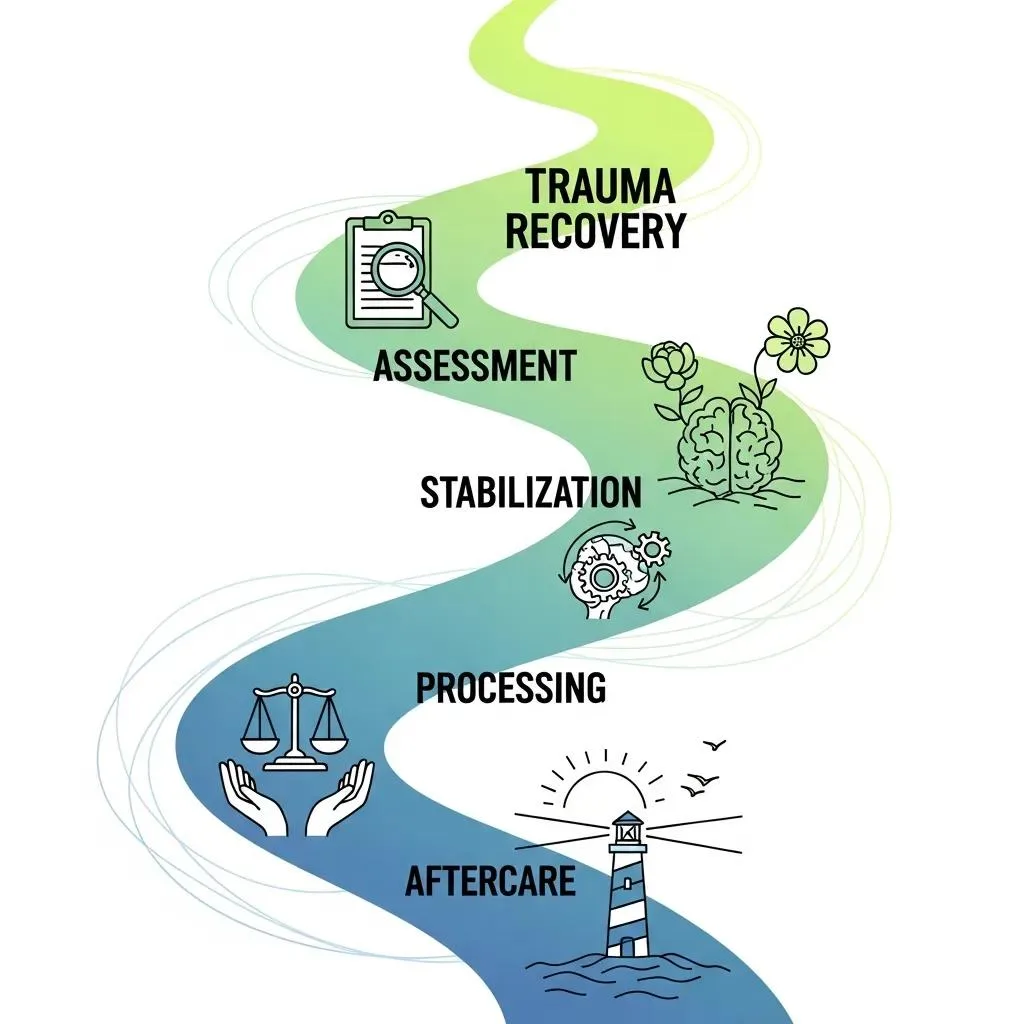
Trauma recovery typically follows a staged pathway: assessment and stabilization, targeted trauma processing, skills consolidation and relapse prevention, and aftercare with community supports. The initial intake clarifies diagnoses, comorbidities, and immediate safety needs; stabilization focuses on stress tolerance, grounding, and coping skills to reduce symptom intensity before intensive processing. Processing phases use structured protocols (EMDR, CPT, TF-CBT) to reprocess traumatic memories or restructure beliefs, while later stages emphasize generalization of skills, vocational or relational rehabilitation, and maintenance plans. Programs often blend individual therapy, group work, and adjunctive services such as medication management or case coordination to address social determinants that affect recovery.
This numbered list outlines the common stages clients experience in structured trauma care programs.
- Intake assessment and safety planning to identify diagnosis and immediate needs.
- Stabilization and skills-building to manage symptoms and increase coping capacity.
- Trauma processing using an evidence-based modality tailored to the client.
- Consolidation, aftercare planning, and community resource linkage for long-term recovery.
These structured stages increase the probability of sustained symptom reduction and functional recovery when each phase is implemented with clinical rigor and client collaboration.
How Long Does Trauma Therapy Typically Take?
Duration varies widely: many clients experience measurable symptom relief within 8–16 sessions for focused protocols, while complex PTSD or long-standing comorbidity may require months to years of care. Factors influencing length include severity of trauma history, presence of complex or developmental trauma, comorbid mental health conditions, client engagement with homework and skills, and external stability in housing and safety. Brief, protocol-driven treatments (e.g., some EMDR or CBT courses) can produce rapid reductions in intrusive symptoms, whereas relational and personality-level changes naturally take longer. Setting realistic milestones and reassessing progress every 6–12 sessions helps clinicians and clients agree on duration and adjust approaches when necessary.
- Quick reference timeline:
Short-course protocols: 8–16 sessions.
Moderate complexity: 3–6 months of regular therapy.
Complex or long-term recovery: 6–12+ months with integrated supports.
Realistic timelines reduce discouragement and support adherence to therapy plans focused on functional recovery.
What Support Groups and Resources Are Available Locally?
Local support options for Canoga Park residents include peer-led groups, community mental health centers, veteran-focused programs, and clinician-led group therapies that complement individual psychotherapy and provide social connectedness. Community centers and provider directories list mutual-support meetings and trauma-specific groups, while national and regional hotlines and online forums offer after-hours support and psychoeducation resources. When evaluating groups, consider facilitator training, confidentiality practices, group size, and whether the format prioritizes safety and stabilization; not all peer groups are appropriate for acute symptom phases. In Canoga Park, the local providers named in public directories—such as Peace From Within Therapy, The ARTS Outpatient Treatment Center, Restore Health and Wellness Center LLC, Iris Healing Center, and Moment of Clarity Reseda—are examples of organizations to contact about group offerings and referral networks.
- Tips for choosing support groups:
Verify facilitator qualifications and structure.Confirm group rules for safety and confidentiality.Choose groups that align with recovery stage (stabilization vs processing).
How Is PTSD Treatment Tailored for Specific Groups in Canoga Park?
Effective trauma care adapts to the needs of distinct populations—veterans, children and adolescents, and culturally diverse groups—by modifying language, session structure, and coordination with community systems like schools or the VA. Tailoring ensures interventions respect developmental stages, cultural identities, and occupation-specific stressors while maintaining evidence-based fidelity. Clinicians integrate family or caregiver work for youth, leverage veteran-specific pathways and benefits when applicable, and incorporate culturally responsive practices such as language-congruent care or community liaison involvement. This approach improves engagement, reduces dropout, and aligns therapeutic goals with real-world functional outcomes.
What Specialized Services Exist for Veterans with PTSD?
Veteran-specific services commonly incorporate military cultural competence, coordination with VA resources and benefits when applicable, and therapies shown effective for combat-related trauma such as prolonged exposure, EMDR, and group-based approaches. Programs for veterans often emphasize peer support, reintegration skills, and attention to comorbidities like traumatic brain injury and substance use; clinicians trained in military culture tailor psychoeducation and safety planning accordingly. Coordination with benefits and referral pathways increases access to specialized care and can streamline medication and case management services. When seeking care, veterans should ask about providers’ experience with military trauma and willingness to coordinate with veteran services for comprehensive treatment.
How Is Trauma Therapy Adapted for Children and Adolescents?
For youth, trauma therapy emphasizes caregiver involvement, developmentally appropriate techniques (play therapy, TF-CBT), and school coordination to address academic and social impacts; the clinician’s role includes safeguarding and mandated reporting responsibilities. TF-CBT uses a structured model combining child sessions and parallel caregiver sessions to build coping, process the trauma narrative at an appropriate pace, and improve family communication; play-based and somatic techniques help younger children express experiences they cannot verbalize. Treatment plans include concrete behavior strategies, liaison with schools for accommodations, and clear safety planning for environments where risk persists. Parents should watch for prolonged changes in sleep, play, school performance, or regressions as signs that professional assessment is needed.
What Are the Costs, Insurance Options, and Practical Considerations for PTSD Therapy in Canoga Park?
Costs and coverage for PTSD treatment vary by service type, provider credentials, and insurance networks; patients should verify benefits, ask about sliding-scale options, and consider telehealth or community clinics for affordability. Many private insurers cover evidence-based psychotherapy when provided by licensed clinicians and coded correctly, but in-network status, prior authorization requirements, and session limits affect out-of-pocket costs. Practical considerations include session length, frequency, whether intensive outpatient or day programs are needed, and whether the provider offers outcome measurement and coordination with medical care. Below is a practical cost guide to set expectations while encouraging verification with insurers and providers before beginning care.
How Does Insurance Typically Cover PTSD and Trauma Therapy?
Insurance often covers PTSD treatment when delivered by licensed providers and when documented with appropriate diagnostic codes and medical necessity, but coverage rules differ widely across plans. Patients should ask insurers about in-network providers, prior authorization requirements, session limits, covered modalities, and whether telehealth sessions are reimbursed equivalently to in-person visits. Common practical steps include obtaining a referral if required, confirming provider licensure and billing codes (CPT and ICD-10), and asking about out-of-network reimbursement rates or superbills for flex spending accounts. If coverage is denied, patients may request an appeal or explore alternative payment options such as sliding scales, community clinics, or group therapy programs.
- Insurance verification checklist:
Confirm in-network status and copay/deductible responsibilities.
Ask about prior authorization requirements for specific modalities.
Request information about session limits and out-of-network reimbursement.
These steps simplify the financial decision-making process and reduce unexpected costs.
What Are the Differences Between In-Person and Online Trauma Therapy?
In-person therapy provides physical presence that can be crucial for somatic and high-intensity interventions, while online therapy increases access for those with transportation, mobility, or scheduling barriers; both formats can deliver effective PTSD treatments when matched to clinical needs. Telehealth adapts well to CBT-based approaches and many assessment tasks, and EMDR can be delivered remotely by trained clinicians using established tele-EMDR protocols; however, some clinicians prefer in-person sessions for severe dissociation, intense somatic reprocessing, or initial stabilization. Privacy, secure platforms, and emergency plans are critical for remote care, and hybrid models combine the strengths of both formats for flexible, personalized treatment. Discuss format suitability with your clinician to choose the setting that best supports safety, engagement, and therapeutic goals.
- Pros and cons summary:
In-person: stronger somatic work, direct presence, potentially more safety for high-intensity sessions.Online: greater access, convenience, and continuity for those with logistics challenges.Hybrid: combines accessibility with periodic in-person assessments for optimal care.
This comparison helps patients weigh access against clinical suitability and make an informed choice.