


Prescription Drug Misuse: Recognizing Risks, Symptoms, and Effective Prevention
Prescription drug misuse occurs when a medication prescribed to one person or taken as directed is used in a way that differs from medical guidance, leading to harm, dependence, or overdose. Understanding prescription drug misuse is critical because it links clinical care, public health, and community safety; this article explains why misuse matters, how to spot early warning signs, and practical prevention strategies grounded in current public health guidance. Readers will learn clear definitions that distinguish legitimate therapeutic use from misuse and abuse, compare commonly misused classes like opioids, stimulants, and benzodiazepines, and review the health and social consequences that can follow. The guide also outlines observable behavioral, physical, and psychological symptoms families and clinicians can monitor, plus evidence-informed prevention steps—safe storage, proper disposal, and prescriber safeguards—that reduce diversion and harm. Finally, we cover when to seek professional help, summarize treatment pathways including medication-assisted treatment and counseling, and describe where to find national resources and support networks. With this roadmap you can better protect yourself and others from medication misuse while navigating treatment and prevention options aligned with current public-health practice.
What is Prescription Drug Misuse and Which Medications Are Commonly Abused?
Prescription drug misuse means taking medications in a manner or dose other than prescribed, using someone else’s prescription, or taking a drug to achieve euphoria rather than its therapeutic effect. This misuse alters a drug’s mechanism of action—such as opioid-induced respiratory depression or stimulant-driven sympathetic activation—producing adverse outcomes that range from impaired function to overdose. Recognizing the main medication classes commonly involved—opioids, stimulants, and CNS depressants—helps target prevention and monitoring efforts in clinical and home settings. The next subsections define misuse versus abuse in more detail and profile the major drug classes with examples and primary risks to illustrate why certain prescriptions carry higher diversion and dependence potential.
How is Prescription Drug Misuse Defined and Differentiated from Abuse?
Prescription drug misuse is defined medically as using a medication outside its prescribed parameters—taking higher doses, using nonprescribed routes, or using another person’s medicine—while abuse often implies willful, recurrent harmful use with harmful consequences and possible criminal intent. Public-health sources frame misuse as a behavioral pattern that may progress to substance use disorder when use becomes compulsive and clinically significant impairment emerges. Examples include taking extra doses for pain relief beyond instructions, crushing extended-release tablets to speed absorption, or sharing stimulants for perceived performance benefits; these cases illustrate how intent, frequency, and harm distinguish misuse from single, accidental errors. Understanding these distinctions helps clinicians and family members decide when monitoring, counseling, or referral are appropriate.
Which Prescription Drugs Are Most Frequently Misused: Opioids, Stimulants, and CNS Depressants?
Three prescription classes account for the majority of clinically significant misuse: opioid analgesics, prescription stimulants, and CNS depressants such as benzodiazepines. Opioids—prescribed for pain—are misused for their euphoric effects and can cause respiratory depression and fatal overdose at high doses or when combined with other depressants. Stimulants, prescribed for ADHD and narcolepsy, are misused for cognitive enhancement, wakefulness, or weight loss, increasing cardiovascular strain and risk of psychosis with misuse. CNS depressants like benzodiazepines are used for anxiety or insomnia but carry high dependence and withdrawal risk and potentiate overdose when combined with opioids or alcohol. The table below summarizes these classes, common examples, and principal risks to aid quick comparison.
Different medication classes present distinct misuse risks and clinical priorities, and knowing these differences guides monitoring and prevention.
This comparison highlights that each class demands tailored safety practices and monitoring to reduce misuse and adverse outcomes.
What Are the Key Risks and Consequences of Prescription Medication Misuse?
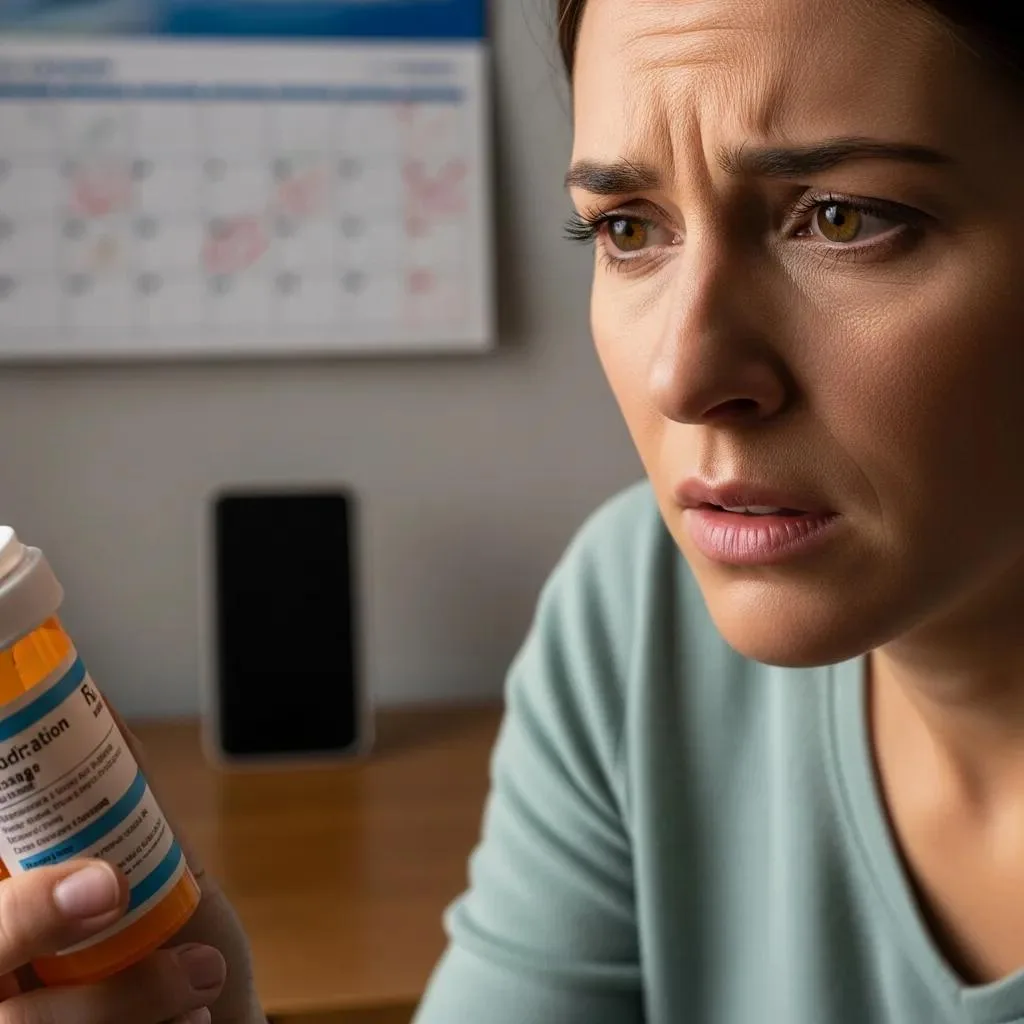
Prescription medication misuse carries immediate health risks, long-term medical and psychological harms, and significant social and economic consequences that affect individuals and communities. Acute harms include overdose (particularly with opioids and combinations with alcohol or other depressants), cardiovascular events with stimulant misuse, and severe withdrawal syndromes that require medical supervision. Over time, misuse can lead to substance use disorder, cognitive impairment, chronic organ damage in some cases, mood disorders, and compounded risks when comorbid mental health conditions exist. Beyond health, misuse produces legal problems, workplace impairment, family disruption, and costs to health systems and public safety infrastructure; these societal impacts amplify the individual burden and create population-level challenges.
What Health and Psychological Risks Are Associated with Prescription Drug Misuse?
Health risks vary by drug class but commonly include overdose, infection risk when routes are altered, and physiologic dependence with characteristic withdrawal syndromes. Psychological harms encompass exacerbation of anxiety and depression, increased suicide risk in vulnerable individuals, and stimulant-related psychosis or panic in susceptible users. Co-ingestion with alcohol or other sedatives multiplies respiratory and cardiovascular danger, making even therapeutic doses hazardous in mixed-use scenarios. Recognizing these clinical risks guides urgent responses, such as administration of naloxone for opioid overdose and medically supervised detoxification for severe benzodiazepine withdrawal, and underscores the importance of integrated mental health care in treatment plans.
How Do Legal and Economic Factors Impact Individuals and Communities?
Legal consequences for possession or distribution of controlled prescription drugs can include criminal charges that affect employment, housing, and family stability, leading to long-term socioeconomic harm. Economically, prescription drug misuse increases emergency visits, inpatient admissions, and chronic care costs while reducing workforce productivity and increasing disability claims. Communities face amplified burdens through law enforcement resources, public health campaigns, and the need for expanded treatment and harm-reduction services. These social and fiscal impacts motivate policy interventions—like prescribing guidelines and monitoring programs—that aim to reduce diversion and downstream costs.
How Can You Identify the Signs and Symptoms of Prescription Drug Misuse?
Identifying prescription drug misuse requires observing behavioral, physical, and psychological indicators that often precede full-blown addiction; early detection enables timely intervention and referral. Behaviors such as secrecy, declining performance at work or school, frequent requests for early refills, and evidence of doctor shopping signal increased risk and warrant verification and conversation. Physical signs differ by drug class—constricted pupils and lethargy for opioids, agitation and weight loss for stimulants, and excessive sedation for benzodiazepines—and should trigger assessment of recent medication use. Psychological symptoms include mood lability, increased anxiety or paranoia, and impaired judgment, all of which suggest a need for clinical evaluation and potentially urgent care if safety is compromised.
- Frequent early refill requests or lost prescriptions: These behaviors suggest escalating use or diversion.
- Multiple prescribers or pharmacies used without disclosure: This pattern may indicate doctor shopping or concealment.
- Marked changes in daily functioning: Declining job or school performance, isolation, or financial problems often accompany misuse.
This behavioral checklist helps guide next steps such as checking a prescription monitoring program, initiating a nonjudgmental conversation, or arranging a clinical evaluation.
This table clarifies how signs map to drug classes and when escalation to emergency or specialty care is warranted.
What Strategies Are Effective in Preventing Prescription Drug Abuse?

Prevention combines household-level practices, prescriber and pharmacist safeguards, and community programs that limit diversion and support safe use. At home, secure medication storage and limiting quantities reduce opportunities for accidental ingestion or intentional diversion. At the health-system level, prescribers use screening, shared decision-making, guideline-consistent prescribing, and prescription drug monitoring programs to detect risky patterns. Community measures—medication take-back events, public education, and access to naloxone for opioid reversal—reduce harms at population scale. Implementing multiple strategies together creates layered protection that reduces the likelihood that prescriptions intended for therapy become sources of misuse or overdose.
How Does Safe Medication Storage and Proper Disposal Reduce Misuse?
Safe storage—using locked containers, keeping medication in original packaging, and limiting the amount stored at home—reduces unauthorized access by children, guests, and household members. Proper disposal removes expired or unused medications that can otherwise be diverted; options include community take-back events, authorized pharmacy programs, and following FDA-recommended household disposal steps when take-back is not available. Educating patients about disposal and keeping prescribing quantities appropriate for the treatment period decreases leftover pills that commonly feed misuse. Together, storage and disposal measures directly reduce the supply of medications available for nonmedical use, lowering general community risk.
- Store medications locked and out of sight: Use a lockbox or secured cabinet to prevent unauthorized access.
- Track and limit quantities: Request the smallest effective prescription supply and avoid automatic refills when not needed.
- Dispose of unused meds safely: Use community take-back events or follow recommended in-home disposal steps when no take-back is available.
These practical steps are high-impact ways families and patients can reduce diversion and accidental ingestion.
This comparison shows that combining storage, disposal, and monitoring yields greater prevention impact than any single measure alone.
What Role Do Healthcare Providers and Prescription Drug Monitoring Programs Play?
Healthcare providers and pharmacists are central to preventing misuse through screening for substance use risk, applying guideline-concordant prescribing, and informing patients about safe use and disposal. Prescription Drug Monitoring Programs (PDMPs) aggregate dispensing data and help clinicians identify doctor shopping, overlapping prescriptions, or high-dose regimens that increase overdose risk. Pharmacists can intervene at the point of dispensing by counseling patients, confirming indications, and collaborating with prescribers on risk mitigation. Together, providers and PDMPs form a system-level safety net that complements household prevention measures and supports early identification of problematic use.
When and How Should Individuals Seek Help for Prescription Drug Addiction?
Individuals should seek professional help when medication use becomes difficult to control, causes health or social harm, or when withdrawal symptoms, tolerance, or overdose occur. Immediate actions for suspected opioid overdose include administering naloxone if available and activating emergency services; for severe withdrawal or suicidal ideation, urgent medical evaluation is necessary. Treatment pathways vary by severity and include outpatient counseling, intensive outpatient programs, inpatient detoxification, and medication-assisted treatment (MAT) for opioid use disorder. Families and patients benefit from prompt connection to evidence-based services and national resource tools that facilitate locating treatment options and crisis support.
What Treatment Options Are Available, Including Medication-Assisted Therapy and Counseling?
Evidence-based treatments for prescription drug addiction combine medication and psychosocial interventions tailored to the drug class and individual needs. For opioid use disorder, medication-assisted treatment with buprenorphine, methadone, or naltrexone reduces cravings and overdose risk while counseling addresses behavioral contributors and relapse prevention. For benzodiazepine dependence, medically supervised tapering with psychosocial support reduces withdrawal risk and improves outcomes. Stimulant use disorders currently rely primarily on behavioral therapies—such as cognitive-behavioral therapy and contingency management—alongside integrated mental health care. Integrating medication strategies with counseling and social supports produces the best outcomes, and treatment settings range from outpatient clinics to residential programs depending on severity.
- Medication-Assisted Treatment (MAT): Combines medications that reduce cravings and harm with counseling.
- Behavioral Therapies: Evidence-based counseling approaches that change use patterns and support recovery.
- Levels of Care: Options include outpatient, intensive outpatient, and inpatient/residential programs.
Where Can Patients and Families Find Support and Resources?
Patients and families can access national and local resources to locate treatment, obtain crisis support, and learn about harm-reduction tools such as naloxone distribution and training. Searchable treatment locators and national helplines operated by public-health agencies help connect individuals with certified programs, peer support groups, and provider directories. Family support organizations and educational resources assist caregivers in creating safety plans, participating in family therapy, and navigating insurance or referral pathways. When immediate danger is present—overdose, severe withdrawal, or suicidal behavior—activate emergency medical services and follow local emergency protocols.
Families and patients should be guided to reputable public-health resources and treatment locators to identify local services and support networks without delay.
What Are the Latest Statistics and Trends in Prescription Drug Misuse?
Current trends emphasize the evolving role of synthetic opioids—particularly illicitly manufactured fentanyl—in increasing overdose risk, shifts in demographic patterns of misuse, and the influence of policy changes on prescribing practices. Recent public-health reporting highlights that while some prescribing reductions have occurred due to guideline updates and PDMP use, illicit market dynamics and polysubstance use now drive many overdoses. Surveillance also shows changing age and geographic patterns that require adaptable prevention and treatment strategies. Understanding these trends helps clinicians, policymakers, and communities prioritize harm reduction, expand access to treatment, and tailor outreach to affected populations.
What Is the Current Prevalence and Demographic Distribution of Misuse?
Prevalence of prescription drug misuse varies by age group and region, with young adults often reporting higher rates of nonmedical use for stimulants and opioids and older adults experiencing risks related to polypharmacy and therapeutic misuse. National survey data and public-health monitoring systems provide periodic snapshots that inform prevention priorities and resource allocation, and these sources are used by clinicians and policymakers to track changes over time. While specific numeric estimates evolve, recognizing which demographic groups are disproportionately affected supports targeted screening, education, and treatment referrals.
How Are Policy Changes and Emerging Drug Types Affecting Misuse Patterns?
Policy interventions—such as updated prescribing guidelines, mandatory PDMP checks, and limits on opioid quantity—have reduced some sources of prescription supply, but unintended consequences include shifts toward illicit substances when dependence exists. Emerging threats like fentanyl contamination of nonopioid drug supplies and synthetic opioid proliferation have transformed overdose risk, making naloxone availability and harm-reduction strategies essential components of the response. Ongoing policy evaluation is necessary to balance access to legitimate pain and psychiatric care with measures that reduce diversion and monitor emerging misuse patterns.
This evolving landscape underscores the need for integrated prevention, monitoring, and treatment systems that adapt to new drug threats and changing patterns of use.
- Increase naloxone accessibility and training: Widespread naloxone provision saves lives from opioid overdose.
- Strengthen PDMP integration with clinical workflows: Routine checks support safer prescribing and early detection.
- Expand treatment access and harm-reduction services: Broad access reduces overdose mortality and supports recovery.
These priorities reflect current public-health strategies aimed at reducing mortality and improving care for people affected by prescription drug misuse.