

Online Mental Health Therapy Sessions: A Practical Guide to Virtual Counseling and Support
Online mental health therapy delivers structured psychological care over secure telehealth channels, making reliable support available to people who can’t — or prefer not to — attend in person. This guide walks through what virtual therapy looks like, how sessions are delivered, and why teletherapy and telepsychiatry are effective for conditions such as anxiety, depression, and trauma-related disorders. We know many people and families feel unsure where to begin; below you’ll find clear explanations of intake steps, scheduling, and how online services can fit with detox, inpatient, and outpatient pathways. You’ll also get a straightforward comparison of online versus in-person care, a summary of the primary benefits, and practical guidance on privacy, safety, and supporting long-term recovery. Throughout, terms like online therapy, virtual counseling, teletherapy, and telepsychiatry are used in real-world contexts so you can see your options and next steps.
What Are Online Mental Health Therapy Sessions and How Do They Work?
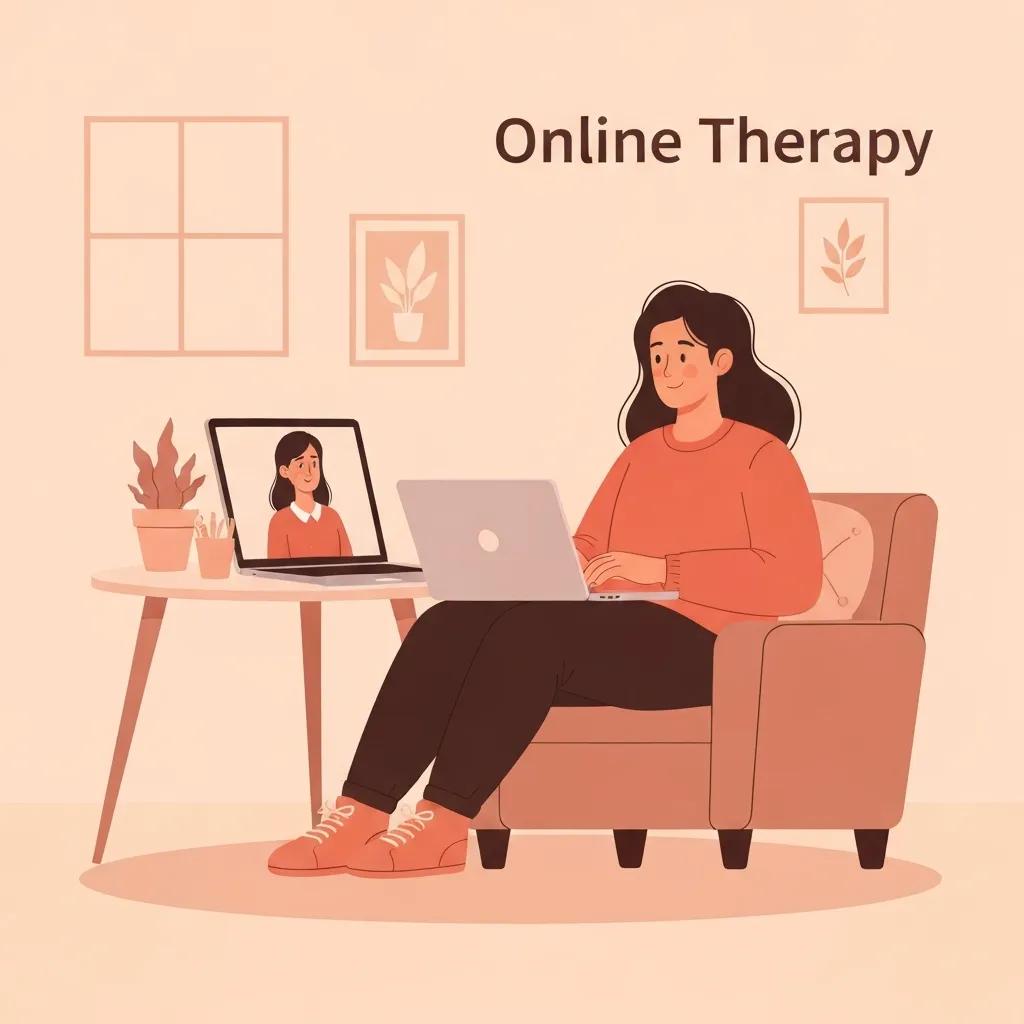
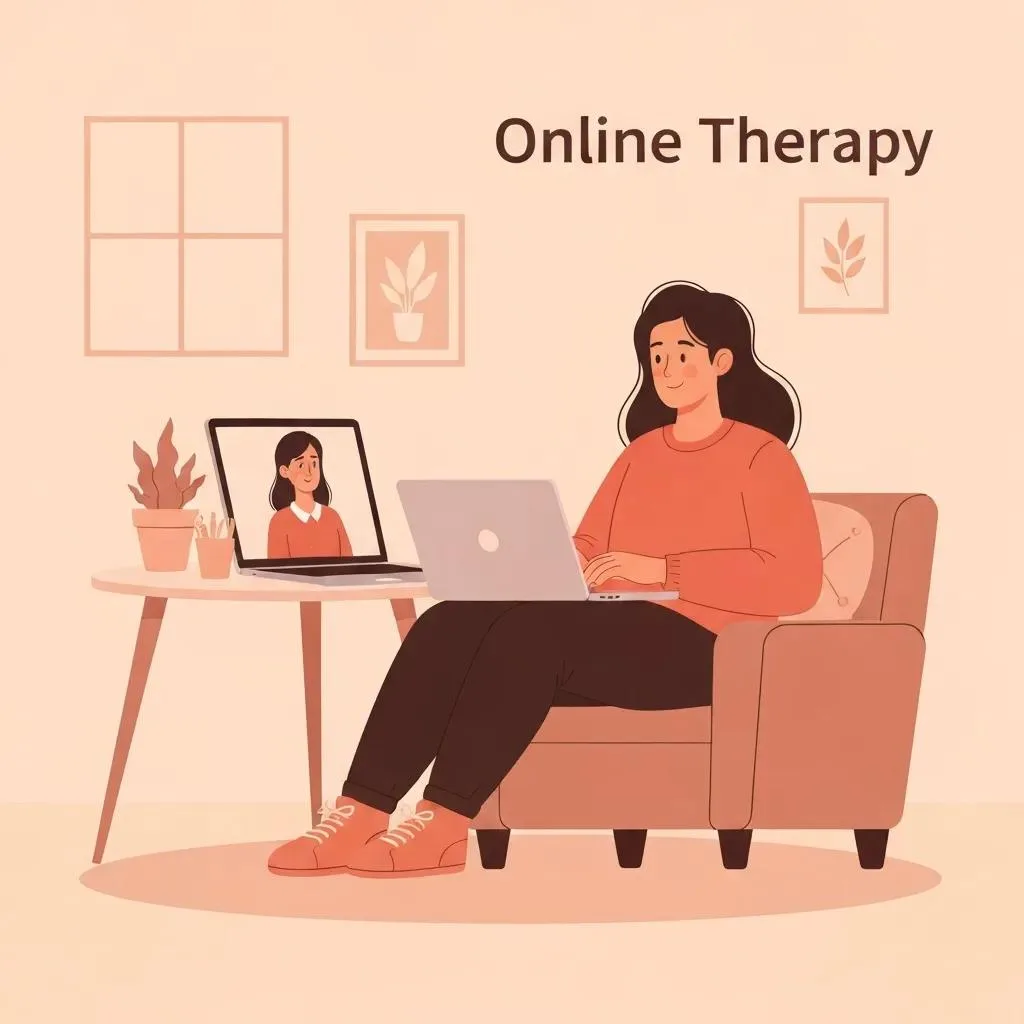
Online mental health therapy sessions are clinical appointments held over secure telehealth platforms where licensed therapists and psychiatrists provide assessment, psychotherapy, and care coordination from a distance. Sessions happen in real time by video or phone and may be supplemented by secure messages or portal check-ins to preserve therapeutic continuity and speed follow-up. A common workflow moves from intake and clinical assessment to a personalized treatment plan, scheduled sessions, and periodic outcome reviews — with coordination across outpatient or inpatient teams when needed. This section explains the delivery methods and operational steps that make virtual counseling effective, and shows when a hybrid or in-person approach may be safer or more appropriate.
What Is Virtual Counseling and Telehealth Mental Health?

Virtual counseling and telehealth mental health refer to psychotherapy and psychiatric care provided remotely using secure platforms for video, phone, and messaging. Services can be synchronous (real-time video or phone sessions) or asynchronous (secure messages, recorded check-ins), giving flexibility to fit different needs and schedules. Licensed clinicians use assessments and evidence-based approaches — such as CBT and EMDR — and telepsychiatry supports medication management when clinically appropriate. For example, someone with moderate depression might complete an online intake, meet weekly for video CBT, and use secure portal messages between sessions. This model keeps care coordinated and accessible while preserving professional standards for assessment and documentation.
How Does Online Therapy Compare to In-Person Sessions?
For many common conditions like anxiety and depression, online therapy produces outcomes similar to in-person care while offering greater convenience and reach; research shows structured therapies delivered by video can be comparable to face-to-face treatment. Teletherapy’s advantages include less travel, more flexible scheduling, and easier family participation through shared virtual sessions. Limitations include the possibility of technical problems and the fact that some high-acuity situations or complex comorbidities are better suited to in-person evaluation. Clinicians and patients should use shared decision-making to choose the best format, balancing accessibility, clinical appropriateness, and safety planning.
What Are the Key Benefits of Online Therapy Services?
Online therapy removes practical barriers and supports more consistent care. Telehealth improves accessibility, convenience, privacy, continuity, and — for many common conditions — clinical effectiveness. By cutting out travel, childcare constraints, and stigma-related hurdles, teletherapy makes it easier to attend sessions regularly, which supports better adherence and symptom improvement. The table below highlights how online and in-person care differ across several core attributes.
Both formats have value. Teletherapy often extends reach and flexibility, while in-person care remains essential for certain high-acuity needs.
Here are the specific, easy-to-scan benefits many people notice when choosing online therapy.
- Improved access: Teletherapy removes geographic and mobility barriers so more people can connect with licensed care.
- Greater convenience: Flexible scheduling and remote attendance reduce practical obstacles to regular treatment.
- Privacy and discretion: Being in a private space can lower stigma and make attending therapy easier.
- Continuity of care: Telehealth supports follow-up after discharge from inpatient or detox programs.
- Comparable effectiveness: For many common conditions, structured online therapies deliver outcomes similar to face-to-face care.
Because of these benefits, online therapy can be an effective first step for many people and also supports smooth transitions into inpatient or outpatient care when needed.
What Types of Online Mental Health Treatment Does Emulate Treatment Center Offer?
Online mental health treatment covers virtual counseling, telepsychiatry, outpatient program support, and online detox coordination — all parts of a broader telehealth approach that serve different roles in a care pathway. Virtual counseling delivers psychotherapy by video or secure messaging; telepsychiatry supports remote psychiatric assessment and medication management; and telehealth integrations help coordinate care between inpatient and outpatient teams to keep treatment consistent. At Emulate Treatment Center, our online services can support pre-admission assessments, ongoing outpatient therapy, and post-discharge follow-ups — practical ways teletherapy fits into broader treatment plans. The table below summarizes service types, how they operate online, who benefits, and typical session formats.
Use this table to match your needs to an appropriate online option.
Emulate’s online options illustrate how telehealth can support different stages of care without replacing in-person services when those are required.
How Does Virtual Counseling Support Detox, Inpatient, and Outpatient Care?
Virtual counseling supports transitions across detox, inpatient, and outpatient care by offering pre-admission screening, coordinated care planning, and post-discharge follow-up that reinforce relapse prevention and treatment adherence. Clinicians can perform intake assessments before an inpatient stay, maintain therapeutic continuity during step-down to outpatient programs, and provide short relapse-prevention check-ins after detox to reduce gaps in care. Remote and onsite teams coordinate medication lists, safety plans, and family involvement so transitions are safer and more seamless. For people moving from detox to outpatient services, frequent brief virtual check-ins can stabilize recovery and address early warning signs.
Which Mental Health Conditions Can Be Treated Through Online Therapy?
Teletherapy effectively treats many common conditions, including generalized anxiety, mild-to-moderate major depressive disorder, certain PTSD presentations, OCD with structured protocols, and ADHD when behavior strategies are tailored for adults and adolescents. Evidence supports remote delivery of CBT and exposure-based treatments for these conditions. Some complex or high-risk situations (active psychosis, uncontrolled suicidal ideation) may still require in-person or inpatient care and rapid escalation. Hybrid models — combining teletherapy for continuity with scheduled face-to-face evaluations — work well when comorbidities or medication monitoring call for occasional in-person visits. Discuss suitability and escalation plans with your clinician during intake.
How Do You Get Started with Online Therapy at Emulate Treatment Center?
Starting online therapy is a clear sequence: initial contact, intake assessment, clinical evaluation, session scheduling, and insurance/payment verification. Our intake captures medical history, current symptoms, a risk screening, and your preferences for real-time or asynchronous sessions so we can build an individualized plan. Emulate’s intake process lets you submit a form or request scheduling through the patient portal; a clinical coordinator will then arrange your first assessment and review payment or insurance questions. The table below outlines typical actions and timeframes you can expect when beginning virtual care.
This timeline clarifies next steps and helps reduce uncertainty for first-time help-seekers.
Many people move from initial contact to a first session within days to a week, depending on scheduling and verification. Clinicians will let you know what documents or insurance information to have ready.
What Are the Online Intake Procedures and Scheduling Options?
Online intake starts with an initial contact that gathers demographic and clinical information, followed by a structured assessment used to shape diagnosis and treatment planning. Scheduling options typically include video visits, phone calls, and secure messaging check-ins; you can choose the format that best fits privacy and connectivity needs. For your first virtual session, pick a private space, ensure a stable internet or phone connection, and have any relevant medical records or current medication lists available. Clinicians review safety planning and emergency contacts at your first appointment and agree on a follow-up cadence that matches clinical needs.
What Insurance and Payment Options Are Available for Online Therapy?
Insurance coverage for telehealth varies by plan, but many insurers cover virtual behavioral health services under similar rules to in-person care; benefit verification checks co-pays and session limits. Alternatives include self-pay and using Health Savings Accounts (HSA) or Flexible Spending Accounts (FSA) where allowed, and clinicians usually share a fee schedule during intake. Emulate’s intake team can confirm plan-specific coverage and discuss payment options confidentially; verification commonly takes one to several business days. Clear upfront verification helps avoid surprises and speeds access to care.
How Does Emulate Treatment Center Ensure Safety, Privacy, and Recovery in Online Therapy?
Emulate follows telehealth best practices to protect privacy and clinical safety: we use HIPAA-compliant platforms, secure patient portals, and documented consent and risk-assessment procedures to maintain consistent standards of care. Technical safeguards like encryption and authenticated access combine with procedural measures — consent forms, private recordkeeping, and clinician training — to reduce the risk of data breaches and preserve confidentiality. Clinically, safety is supported by standardized risk assessments, clear crisis protocols for escalation, and care coordination that connects virtual sessions to in-person resources when needed. These measures align with telehealth guidance and help sustain continuity of recovery-focused supports across settings.
Note: the table below summarizes privacy and safety practices commonly recommended by leading health authorities and shows how technical safeguards relate to clinical outcomes.
What Privacy Measures Protect Your Online Therapy Sessions?
Privacy protections include using HIPAA-aligned telehealth platforms, secure intake portals with authenticated logins, documented consent, and encrypted storage of records. You can help protect your privacy by choosing a private room, using headphones, and confirming device security before sessions. Clinicians review consent and confidentiality limits during intake and explain when exceptions (such as safety concerns) may apply. Taking these steps together preserves trust and helps create a safe space for meaningful therapeutic work.
How Does Virtual Care Support Long-Term Recovery?
Virtual care supports long-term recovery through regular follow-up, relapse-prevention planning, family-inclusive sessions, and remote peer-support groups that help sustain progress between in-person contacts. Teletherapy enables flexible check-ins during higher-risk periods, supports medication adherence through telepsychiatry, and allows clinicians to track progress with standardized outcome measures over time. Coordination with outpatient and inpatient teams ensures treatment plans evolve with the patient’s needs, and scheduled maintenance sessions or group supports can be arranged to lower relapse risk. Regular virtual touchpoints reinforce coping strategies and keep people engaged in recovery.
What Support Is Available for Families and Loved Ones Through Online Therapy?
Family-inclusive telehealth services provide education, structured family counseling, caregiver resources, and staged involvement in treatment planning without requiring multiple in-person visits. These services teach families supportive communication, boundary-setting, and safe ways to participate in relapse-prevention work while clinicians manage consent and confidentiality. Remote formats make it easy for multiple family members to join from different locations, increasing engagement when distance or schedules would otherwise limit participation. Below are common ways families typically engage in virtual counseling and the practical steps involved.
- Family education sessions: Help caregivers learn about diagnosis and practical strategies to support recovery.
- Joint therapy appointments: Bring family members into structured sessions focused on relationships and relapse prevention.
- Caregiver support groups: Provide peer-based guidance and practical tips for ongoing involvement.
- Coordination meetings: Facilitate case reviews between family members and clinicians to align support plans.
These family supports strengthen the care network and reduce isolation, helping both patients and caregivers stay involved in long-term recovery.
How Can Families Participate in Virtual Counseling?
Families can join virtual counseling by scheduling joint sessions with informed consent, selecting a secure shared platform, and agreeing on confidentiality boundaries and goals before treatment begins. Clinicians set ground rules for participation, clarify what stays private, and structure sessions to balance individual and family needs. Practical tips include ensuring each participant has a private space and stable connection; clinicians often provide brief preparatory materials so families can use session time effectively. When confidentiality issues arise, clinicians work with the team to prioritize the patient’s safety and therapeutic progress.
What Resources Does Emulate Provide for Caregivers and Supporters?
Emulate Treatment Center offers caregiver resources such as educational materials, virtual support groups, and coordinated referral pathways that help families participate in treatment planning and recovery support in a structured way. Caregivers can request guidance on best practices for supporting loved ones in teletherapy, ask about crisis planning, and learn how caregiver involvement can integrate with the patient’s treatment plan through our intake process. These resources are intended to reinforce continuity of care and keep families informed without pressuring them into specific choices. Families interested in these supports can contact Emulate’s intake team to learn how caregiver services can be arranged alongside the patient’s care.
Frequently Asked Questions
1. What technology do I need for online therapy sessions?
You’ll need a reliable internet connection and a device such as a computer, tablet, or smartphone with a working webcam and microphone for video visits. It’s also important to be in a private, quiet space to protect confidentiality. Most telehealth platforms are user-friendly and include setup instructions — test your connection and equipment before the first appointment to avoid technical issues.
2. Can online therapy be effective for children and adolescents?
Yes. Many clinicians are trained to engage children and adolescents via virtual platforms using interactive tools and age-appropriate methods. Teletherapy can address anxiety, depression, behavioral concerns, and other issues while allowing parents or caregivers to join sessions as needed. Be sure to choose a therapist with experience working with younger clients for the best outcomes.
3. How do I know if online therapy is right for me?
Consider your comfort with technology, need for convenience, and the nature of your symptoms. If you value flexibility or have mobility or geographic limitations, online therapy may be a good fit. For complex or high-risk situations, an in-person or hybrid model may be safer. A mental health professional can help you weigh options and recommend the best approach.
4. What should I expect during my first online therapy session?
Your first session typically covers why you’re seeking help, your mental health history, and specific goals. The clinician will complete an intake assessment, discuss confidentiality and safety planning, and outline a treatment approach. Use this time to ask questions and decide whether the clinician feels like a good fit.
5. Are there any limitations to online therapy?
Online therapy can be interrupted by technical problems or poor connectivity. It may also be less suitable for people in acute crisis or with complex conditions that require in-person assessment. Some people find it harder to build rapport remotely. Talk with your clinician about these concerns and whether a hybrid or in-person option is better for your needs.
6. How can I ensure my privacy during online therapy?
Use a HIPAA-compliant telehealth platform, pick a private room, and consider headphones to prevent others from overhearing. Confirm device security and discuss confidentiality and its limits with your clinician, including mandatory reporting rules. These steps help create a safe environment for honest conversation.
7. What if I need to change my therapist or stop therapy altogether?
If you feel the therapy relationship isn’t a good fit, speak openly with your clinician. Many therapists will support a referral or transition to another provider. If you choose to pause or stop therapy, reflect on what worked for you and remember you can return to care when you’re ready.
Conclusion
Online mental health therapy offers meaningful advantages — better access, greater convenience, and outcomes that can match in-person care for many conditions. Understanding the different modalities, benefits, and safety considerations helps you choose the right path. If you’re ready to explore virtual counseling, Emulate Treatment Center’s online services can help you take the next step. Start your recovery journey today and see how teletherapy can support your long-term wellness.