


Nutrition for Mental Health: Eating Well in Recovery with a Mental Health Diet Plan
Nutrition for mental health describes how dietary intake influences brain function, mood regulation, and resilience during recovery from mental illness or substance-use disorders. Current research shows that nutrients affect neurotransmitter synthesis, inflammation, and the gut-brain axis, producing measurable changes in mood, cognition, and stress response. This article explains the biological pathways linking food to mental well-being and offers practical, recovery-focused guidance for eating patterns, nutrients, and meal strategies that support long-term stability. Readers will learn how the gut microbiome communicates with the brain, which nutrients are most important for recovery, specific foods to prioritize and avoid, and evidence-backed dietary patterns like the Mediterranean and MIND diets. The guide also includes quick-reference tables, meal-planning tips, and clear cues for when to consult clinicians for personalized nutrition plans. Throughout, keywords such as nutrition mental health, gut-brain axis, omega-3 mental health, and recovery diet are integrated into actionable advice readers can apply today.
How Does Nutrition Influence Mental Health and Recovery?
Nutrition influences mental health through multiple, intersecting mechanisms: modulation of the gut-brain axis, control of systemic inflammation, stabilization of blood sugar, and provision of substrates for neurotransmitter synthesis. These mechanisms operate bidirectionally so that diet alters brain chemistry and behavior, while mood and stress shape food choices and gut microbiota composition. Addressing nutrition in recovery can reduce symptom severity, improve cognitive clarity, and strengthen emotional regulation, which supports relapse prevention and everyday functioning. Understanding these pathways clarifies why targeted dietary change can be a practical adjunct to therapy and pharmacology, and it sets the stage for specific dietary recommendations that follow.
What Is the Gut-Brain Axis and Its Role in Mood Regulation?
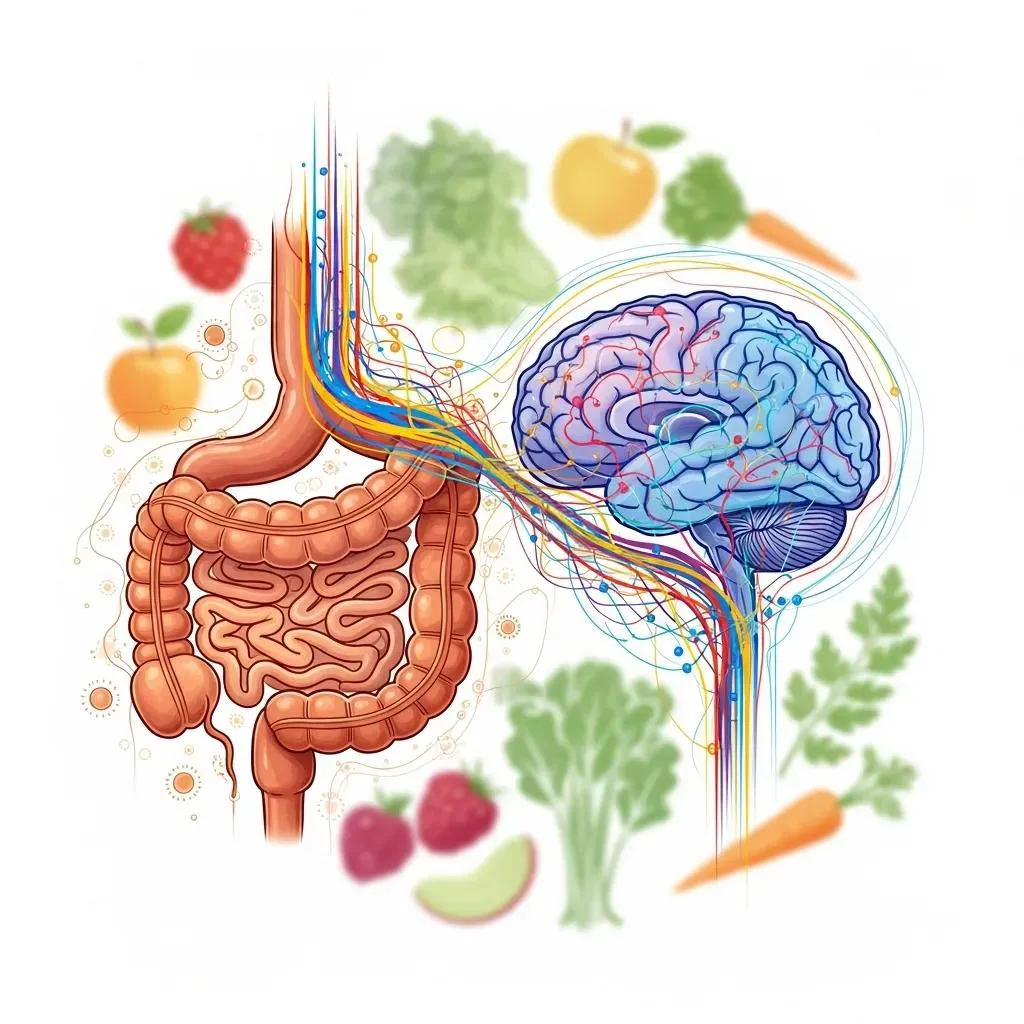
The gut-brain axis is a communication network linking the gastrointestinal tract, the microbiome, the immune system, and the central nervous system via neural, endocrine, and metabolic pathways. Microbial metabolites such as short-chain fatty acids modulate inflammation and can influence neurotransmitter availability, while vagus nerve signaling transmits gut-derived signals directly to brain centers that regulate mood. Recent studies indicate that altering the microbiome through fiber-rich foods and fermented products can measurably affect anxiety and depressive symptoms, suggesting a route for dietary intervention in recovery. Practical steps to support the gut-brain axis include increasing prebiotic fiber, introducing fermented foods gradually, and maintaining regular meal timing to stabilize microbiome rhythms and energy balance.
Which Essential Nutrients Support Brain Nutrition for Recovery?
Essential nutrients support recovery by supplying the biochemical building blocks for neurotransmitters, reducing neuroinflammation, and maintaining neuronal membrane integrity. Key nutrients include omega-3 fatty acids, B vitamins (especially folate and B12), magnesium, zinc, vitamin D, protein for amino-acid precursors, and antioxidants from colorful produce. Ensuring adequate intake of these nutrients supports mood stability, cognitive function, stress resilience, and sleep quality, all of which are vital during recovery. Below is a concise list of priority nutrients and the primary benefit each provides, useful as a quick reference for planning meals or discussing labs with clinicians.
- Omega-3 fatty acids: Support neuronal membranes and reduce inflammation to improve mood.
- B vitamins (folate, B12): Enable neurotransmitter synthesis and energy metabolism for cognitive function.
- Magnesium: Modulates stress response and promotes sleep quality.
- Zinc: Supports cognition and synaptic function, with links to mood regulation.
- Vitamin D: Influences neuroimmune function and mood; low levels associate with depression.
This overview prepares us to examine individual nutrient actions and sources in more depth through a compact nutrient comparison table.
Different nutrients act on mood and cognition through distinct mechanisms and have practical food sources and intake considerations.
How Do Omega-3 Fatty Acids Improve Mood and Cognitive Function?
Omega-3 fatty acids, particularly EPA and DHA, integrate into neuronal membranes where they influence receptor function, synaptic plasticity, and inflammatory signaling. Their anti-inflammatory properties can lower neuroinflammation linked to depression and cognitive fog, with meta-analyses indicating modest benefit for depressive symptoms when EPA-predominant formulations are used. Food sources such as oily fish supply preformed EPA/DHA, while plant sources like flaxseed provide ALA, a precursor with limited conversion efficiency. For people in recovery who have elevated inflammatory markers or persistent mood symptoms, increasing fish intake and discussing targeted supplementation with a clinician may be appropriate to support mood and cognitive recovery.
What Roles Do B Vitamins, Magnesium, and Zinc Play in Mental Wellness?
B vitamins (notably folate and B12) act as enzymatic cofactors in neurotransmitter synthesis and in one-carbon metabolism, which affects methylation and gene expression relevant to mood regulation. Magnesium supports neuronal stability through GABAergic pathways and NMDA receptor modulation, which can reduce anxiety and improve sleep architecture—both essential during recovery. Zinc contributes to synaptic plasticity and immune regulation and low zinc has been correlated with depressive symptoms in some cohorts. Food-first strategies that include legumes, nuts, whole grains, leafy greens, and lean proteins typically supply these nutrients; when dietary intake is insufficient or when clinical signs suggest deficiency, targeted testing and supervised supplementation are recommended.
What Foods Improve Mood and Support Gut Health in a Mental Health Diet?
Whole, minimally processed foods supply fiber, phytonutrients, and healthy fats that nourish the microbiome and provide substrates for neurotransmitter production and anti-inflammatory effects. Emphasizing a mix of colorful vegetables, whole grains, legumes, fermented foods, lean proteins, and healthy fats supports stable blood sugar, improved gut diversity, and steady amino-acid availability for serotonin and dopamine synthesis. The following list highlights food groups that consistently show benefit for mood and gut health and can form the backbone of recovery-oriented meal planning.
- Fermented foods and probiotic-containing dairy: Support microbial diversity and may influence mood via the gut-brain axis.
- High-fiber whole grains and legumes: Feed beneficial microbes and promote steady energy and neurotransmitter precursor supply.
- Colorful fruits and vegetables: Provide antioxidants and polyphenols that reduce neuroinflammation.
- Healthy fats from fish, olive oil, nuts: Improve membrane function and reduce inflammation.
These food groups can be mixed into simple meals, and the table below helps match categories to their active compounds and serving ideas for daily planning.
Which Whole and Fermented Foods Boost the Gut Microbiome for Mental Health?
Whole foods rich in prebiotic fibers—such as onions, garlic, leeks, oats, bananas, and legumes—feed beneficial bacteria that produce short-chain fatty acids like butyrate, which reduce intestinal inflammation and support blood-brain signaling. Fermented foods such as plain yogurt with live cultures, kefir, sauerkraut, and kimchi can introduce diverse microbial species; however, tolerance varies, so introduce fermented items gradually and monitor digestion. Pairing a fermented food with a fiber-rich side promotes synergy between probiotics and prebiotics, enhancing microbial resilience. For recovery settings where taste and tolerance are important, simple combinations like yogurt with oats and berries provide microbial and fiber benefits in a single meal.
What Are Anti-Inflammatory Foods That Enhance Emotional Resilience?
Anti-inflammatory foods include oily fish rich in EPA/DHA, a wide array of colorful vegetables, nuts and seeds, legumes, and extra-virgin olive oil, all of which supply polyphenols, omega-3s, and monounsaturated fats that blunt systemic inflammation. These dietary components support vascular health and neuronal function, mitigating inflammation-driven mood changes and cognitive impairment. Simple meal and snack examples are salmon with roasted vegetables, a mixed-nut snack with fresh fruit, and a salad dressed with olive oil and lemon to boost daily polyphenol and healthy-fat intake. Regular inclusion of these foods supports emotional resilience by reducing inflammatory signaling that otherwise exacerbates anxiety and depressive symptoms.
How Can Dietary Patterns Like the Mediterranean and MIND Diet Aid Recovery?
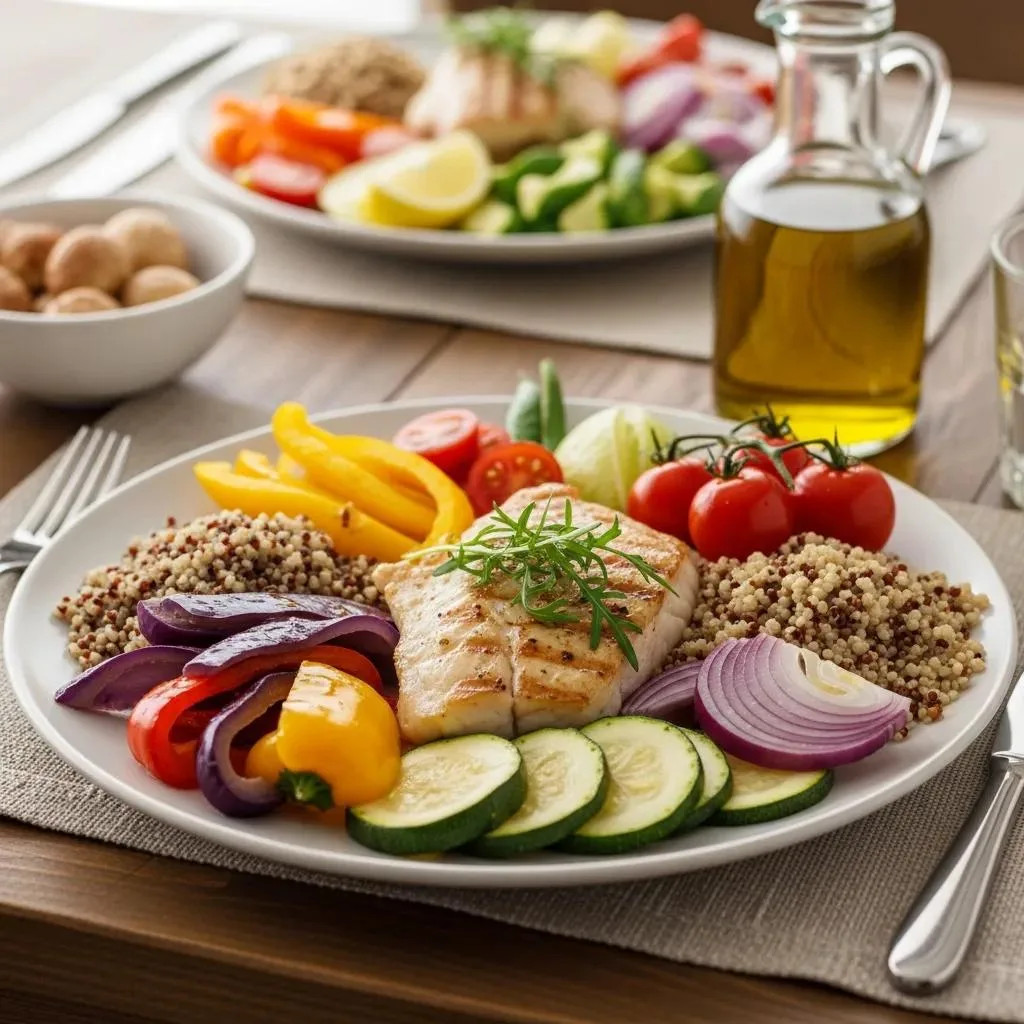
Dietary patterns such as the Mediterranean and MIND diets emphasize plant-forward meals, healthy fats, limited processed foods, and consistent fish and vegetable intake, creating a nutrient-dense pattern that supports brain health. These patterns supply combined benefits—steady glucose, antioxidant coverage, and anti-inflammatory lipids—that together reduce risk for depression and cognitive decline in observational and interventional studies. For people in recovery, adopting pattern-based changes rather than isolated nutrients simplifies implementation and produces synergistic effects on mood and cognition. The comparison table below outlines core principles, evidence highlights, and practical tips for shifting daily eating toward these proven patterns.
Diet patterns share common principles but differ in emphasis and specific recommended foods.
What Are the Key Principles of the Mediterranean and MIND Diets for Mental Health?
Both diets prioritize whole, minimally processed foods, ample vegetables and fruits, legumes, whole grains, nuts, and healthy fats while limiting refined sugars, processed meats, and excess saturated fat. The MIND diet specifically elevates green leafy vegetables and berries because of their neuroprotective polyphenols, whereas the Mediterranean pattern emphasizes olive oil and regular fish consumption for omega-3s. Transition strategies include simple swaps—use olive oil instead of butter, choose beans over processed meats, and make berries the default dessert—to progressively align meals with these evidence-based patterns. Monitoring adherence through meal checklists and small, sustainable changes supports long-term maintenance during recovery.
How Do These Diets Reduce Anxiety and Depression Symptoms?
These dietary patterns reduce anxiety and depression risk through reduced systemic inflammation, improved vascular and metabolic health, and higher intake of nutrients essential for neurotransmitter synthesis and neuroplasticity. Cohort studies and randomized trials have reported lower depressive symptoms and slower cognitive decline in people following Mediterranean-like diets, and the MIND diet shows similar protective associations for cognitive outcomes. Realistic expectations are important: mood improvements may emerge within weeks for some individuals, while broader cognitive benefits often appear over months to years with sustained adherence. Combining dietary change with sleep, physical activity, and psychosocial supports accelerates and amplifies mental health benefits.
Which Foods and Habits Should Be Avoided for Better Mental Well-being?
Certain foods and habits can worsen mood, increase inflammation, and destabilize energy and sleep—factors that complicate recovery and increase relapse risk. Ultra-processed foods, high added-sugar items, trans and excessive saturated fats, and erratic eating patterns produce rapid blood-sugar swings and promote inflammatory signaling that impairs mood regulation. Behavioral habits such as skipping meals, late-night eating, and irregular sleep associated with heavy caffeine or alcohol intake also undermine recovery efforts. The numbered list below highlights specific categories to limit and the rationale for each to help readers implement practical swaps.
- Ultra-processed foods: They drive inflammation and glycemic volatility that worsen mood.
- High added sugars and sweetened beverages: These cause energy crashes and increase anxiety and depressive symptoms.
- Trans fats and excessive saturated fats: These impair vascular and neuronal health, increasing risk for mood disturbance.
- Irregular meal timing and skipping meals: These produce blood sugar dips that can trigger irritability or cravings.
Choosing whole-food alternatives and regular meal patterns reduces these risks and supports more stable mood and energy, making nutritional recovery strategies more sustainable.
How Do Processed Foods, Added Sugars, and Unhealthy Fats Affect Mood?
Processed foods and added sugars provoke rapid glycemic spikes followed by insulin-driven drops that create energy crashes, irritability, and cravings, which can mimic or worsen mood symptoms during recovery. They also promote systemic inflammation and alter gut microbiota composition in ways that impair neurotransmitter balance and stress resilience. Replacing sugary snacks with whole fruits, choosing whole-grain options over refined breads, and prioritizing unsaturated fats like olive oil or avocado can blunt these negative effects while preserving palatability. Small, achievable swaps—such as a piece of fruit plus nuts in place of a candy bar—help stabilize mood and reduce the behavioral cycles that undermine recovery.
What Is the Impact of Excessive Caffeine and Alcohol on Recovery?
Excessive caffeine can increase anxiety, disrupt sleep architecture, and potentiate panic or agitation, particularly when consumed late in the day or in large amounts; these effects interfere with emotional regulation that is essential in recovery. Alcohol acts as a central nervous system depressant, disrupting neurotransmitter balance and sleep, and it increases relapse risk for individuals with substance-use histories, impairing longer-term recovery goals. Practical guidance includes limiting caffeine intake to earlier in the day, trying lower-caffeine options or decaf, and avoiding alcohol if recovery involves sobriety or when it exacerbates mood symptoms. Substitutes like herbal teas or sparkling water can provide ritual and sensory satisfaction without the physiological downsides.
What Practical Tips and Personalized Nutrition Strategies Support Sustainable Mental Health Recovery?
Sustainable nutrition in recovery depends on simple, repeatable strategies: structured meal patterns, balanced macronutrients to stabilize blood sugar, inclusion of fiber and fermented foods for the microbiome, and habit-stacking to make changes stick. Meal planning, batch cooking, and easy swaps reduce decision fatigue and support consistent intake of mood-supporting nutrients even during stress. Behavioral techniques such as mindful eating, small goal-setting, and social support for meals enhance adherence and help address emotional eating triggers. The sample checklist and meal suggestions that follow give concrete steps readers can use to create a one-week pattern that supports both mental health and recovery goals.
- Plan three balanced meals and two snacks per day to avoid blood sugar dips.
- Include a protein source and a vegetable at each meal to stabilize mood and provide micronutrients.
- Prep one or two components (grains, roasted vegetables, cooked legumes) in advance to reduce daily cooking time.
- Introduce one fermented item and one colorful vegetable at most meals to support the microbiome and antioxidant intake.
Applying these steps creates reliable structure that supports mood and reduces cognitive load, making adherence more likely over weeks and months.
How Can Meal Planning and Mindful Eating Improve Mental Wellness?
Meal planning reduces decision fatigue and prevents reliance on convenience foods that undermine mood stability, while mindful eating strengthens awareness of hunger and satiety cues and reduces emotional eating episodes. A sample balanced day might include oatmeal with nuts and berries for breakfast, a lentil and vegetable bowl with olive oil for lunch, a salmon or tofu plate with quinoa and steamed greens for dinner, and snacks such as yogurt with fruit or a handful of nuts. Mindful-eating steps—eat without screens, chew slowly, notice sensations, pause halfway, and rate fullness—encourage better portion control and enjoyment, which supports sustained dietary change in recovery. These behavioral practices form a bridge between nutritional knowledge and lasting, mood-supporting habits.
When Should You Consult Professionals for Personalized Nutrition Plans?
Consult a registered dietitian or relevant clinician when there is a complex medical history, suspected nutrient deficiency, active eating disorder, ongoing substance-use disorder, or when medication interactions could alter nutrient needs; these professionals provide testing, therapeutic nutrition, and individualized plans. Bring to the first appointment a detailed food log, current medications, and any recent lab results to accelerate assessment and personalized recommendations. In recovery contexts, interdisciplinary collaboration between dietitians, addiction specialists, and mental health clinicians ensures that nutrition plans align with overall treatment goals and safety considerations. Early referral is particularly important when weight loss, severe mood symptoms, or medical complications co-occur with nutritional concerns, as integrated care improves outcomes.