

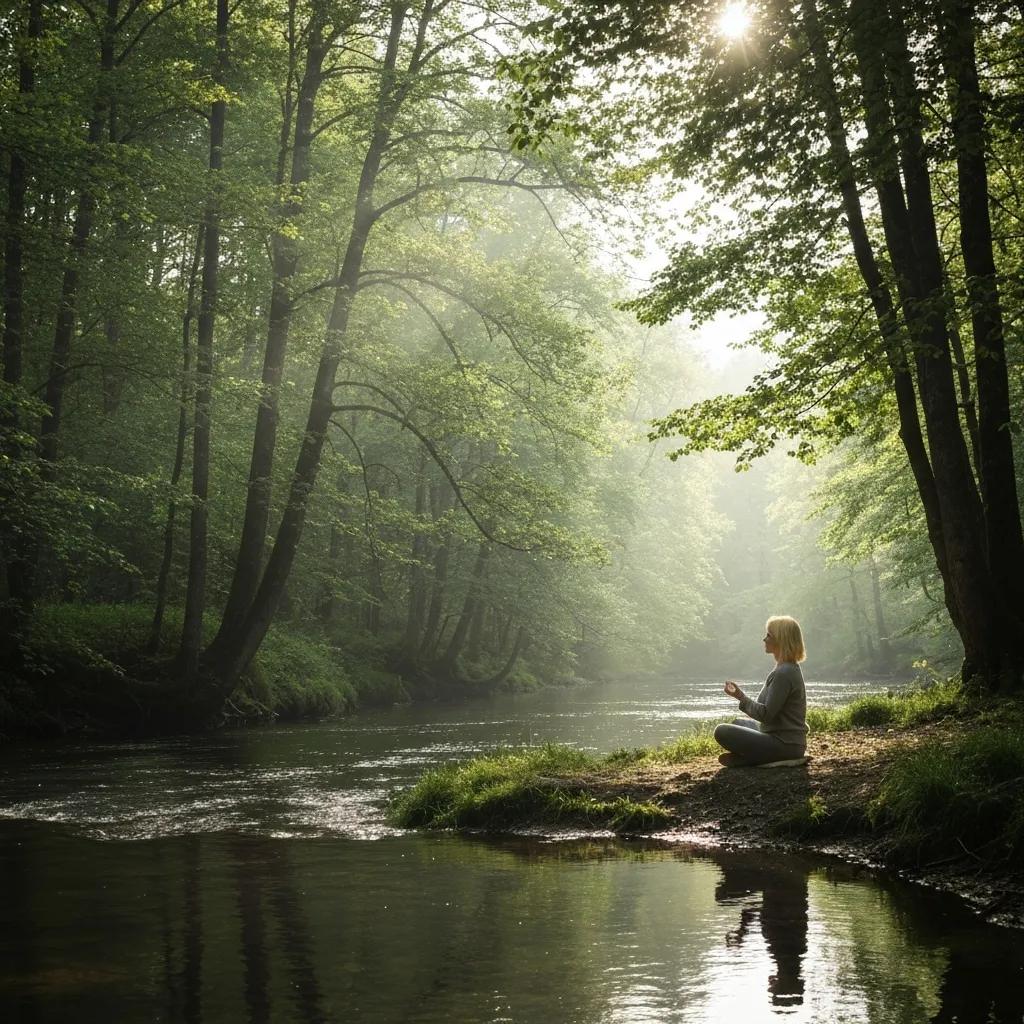
Nature for Mental Health and Wellness: How Nature-Based Therapy Supports Anxiety, Depression, and Overall Well‑being
Nature‑based therapy — often called ecotherapy or outdoor therapy — uses intentional time in natural settings to reduce stress, lift mood, and restore focus. In the following guide we explain how these approaches work, summarize the latest research on ecotherapy and forest bathing, and show practical ways to weave nature into detox, inpatient, outpatient, and counseling care. Many people look for non‑medication options for anxiety, depression, PTSD, ADHD, or everyday stress. Nature approaches provide physiological and psychological pathways — lower cortisol, attention restoration, and stronger social connection — that work alongside conventional clinical care. Below you’ll find evidence‑based benefits, clear definitions (forest bathing, horticultural therapy, green exercise), examples of program integration, condition‑specific coping tips, family guidance, and concrete next steps for pursuing nature‑informed care.
What Are the Proven Benefits of Nature for Mental Health?
Time in natural environments consistently lowers physiological stress and improves mood through attention‑restoration and stress‑recovery processes. Attention Restoration Theory describes how natural settings let directed attention rest, while Stress Recovery Theory explains rapid drops in sympathetic arousal and cortisol. When nature contact is structured and repeated, these mechanisms yield meaningful outcomes: reduced anxiety, improved depressive symptoms, better cognitive focus, and increased social engagement. Recent meta‑analyses and randomized trials report moderate improvements for anxiety and depression with guided ecotherapy or forest bathing, although study methods vary — which is why pairing nature work with clinical care is often most effective. Knowing which benefits map to which approaches helps clinicians and patients choose the right format and frequency for treatment goals.
This section lists core therapeutic benefits and the brief mechanisms behind them so you can match outcomes to needs.
- Stress reduction: Time outdoors supports parasympathetic activity and lowers cortisol and sympathetic arousal.
- Mood improvement: Sensory engagement and shared outdoor experiences increase positive affect after guided sessions.
- Cognitive restoration: Natural settings replenish attention and improve focus on tasks after exposure.
- Social and behavioral gains: Group outdoor activities build cohesion and encourage healthy movement and routine.
These foundational benefits form a practical framework for selecting nature‑integrated interventions; the next sections explain underlying mechanisms and the supporting evidence in more detail.
How Does Spending Time in Nature Reduce Stress and Improve Mood?
Nature shifts the body away from fight‑or‑flight toward rest and digest: cortisol drops, heart‑rate variability stabilizes, and breathing slows. Attention Restoration Theory shows that natural scenes allow involuntary attention to engage, giving directed attention a chance to recover and improving concentration and resilience. In practice, short mindful green‑exercise sessions of 10–30 minutes produce measurable mood changes, and regular exposure two to three times per week builds cumulative reductions in anxiety and depressive symptoms. Simple guidelines: prioritize consistent, repeat exposure over occasional long trips; pair sensory focus (sound, touch, breath) with gentle movement; and favor short, repeatable practices that fit daily life. These practical tips set up the evidence summarized next.
What Scientific Evidence Supports Ecotherapy and Forest Bathing?
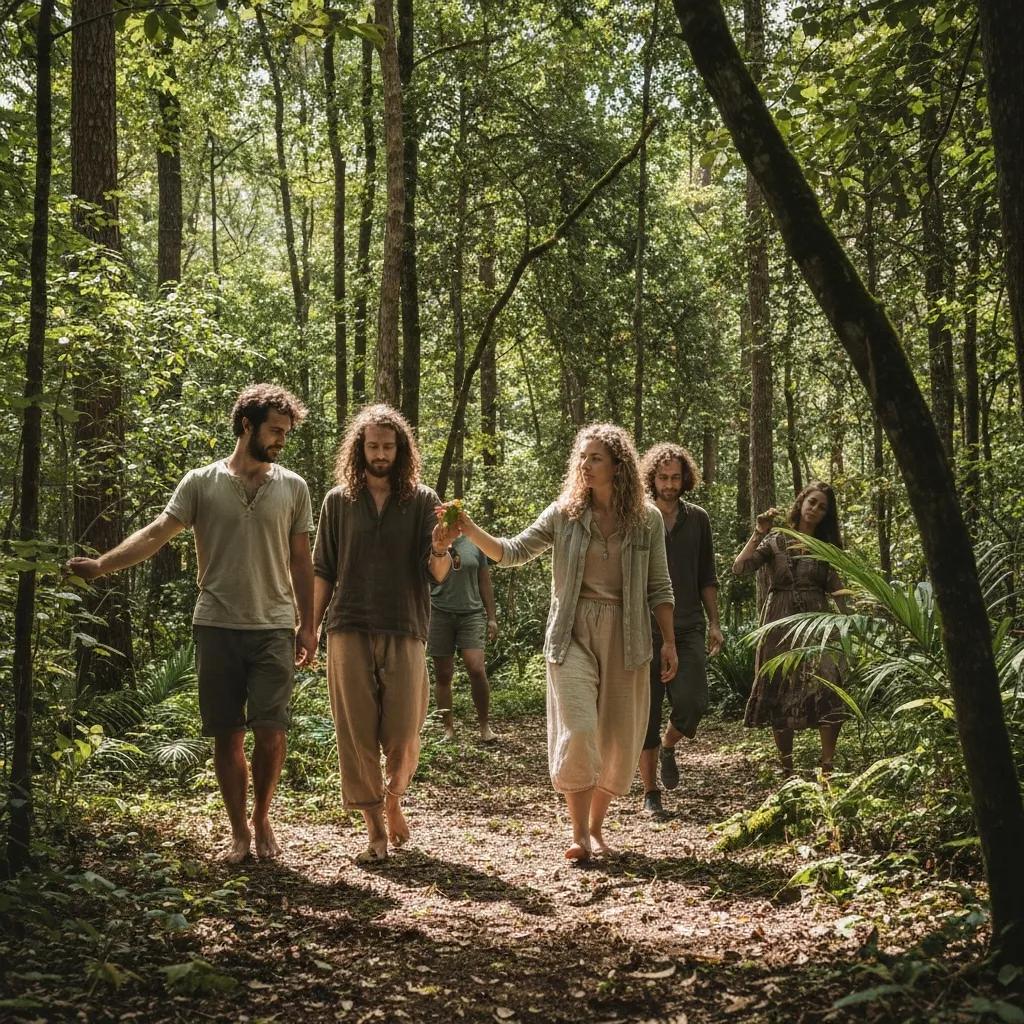
Systematic reviews and randomized trials show ecotherapy and forest bathing can produce moderate improvements in anxiety and depressive symptoms when used as adjunctive care. Meta‑analytic summaries report consistent short‑term reductions in self‑reported stress and better mood following structured forest bathing and guided ecotherapy. Trials that include physiological measures also demonstrate lower cortisol and improved autonomic balance. Limitations — small samples, different intervention doses, and few long‑term follow‑ups — mean these methods are most reliable when integrated into a stepped‑care clinical plan. Seen this way, nature‑based methods are powerful complementary tools, not wholesale replacements for established medical treatments.
Different outcomes link to distinct mechanisms and varying levels of evidence; the table below summarizes those connections.
The following table compares benefit areas, mechanisms, and current evidence strength.
Use this comparison to identify which nature‑based outcomes are best supported and to guide selection of therapy formats described below.
What Types of Nature-Based Therapies Are Available for Mental Health?
Nature‑based therapies differ by structure, setting, and clinical aims. Common modalities include ecotherapy, forest bathing, horticultural therapy, green exercise, and wilderness/adventure therapy. Each pairs exposure to green or wild settings with therapeutic techniques — counseling, mindfulness, or skills training — to address anxiety, depression, PTSD, or attention differences. Choose a modality based on safety, mobility, and treatment stage: low‑intensity, accessible formats work well during early detox or acute anxiety, while immersive wilderness or adventure programs suit higher‑intensity inpatient or specialized outpatient care. Understanding these distinctions helps match session frequency, group size, and therapeutic focus to individual needs.
The list below summarizes common modality types and typical uses.
- Ecotherapy: Outdoor counseling that blends psychotherapy with nature contact — often used for anxiety and depression.
- Forest bathing: Guided, sensory‑led walks that emphasize non‑goal‑oriented presence in wooded settings to lower stress.
- Horticultural therapy: Plant‑based activities that support routine, responsibility, and skill‑building for mood regulation.
- Green exercise: Outdoor physical activity (walking, tai chi, gentle cycling) paired with therapeutic aims to boost mood and attention.
- Wilderness/adventure therapy: Longer, structured outdoor programs using challenge and teamwork to build resilience and social skills.
These definitions help clinicians and patients select formats that best fit their safety needs and treatment goals; the next subsections describe session structure and typical delivery.
How Does Ecotherapy Work to Improve Mental Well‑being?
Ecotherapy layers proven therapeutic techniques — cognitive‑behavioral tools, mindfulness, interpersonal processing — onto guided nature contact. The result is twofold: the clinical frame supports cognitive and behavioral change, while the natural setting eases physiological arousal and restores attention, creating fertile ground for new learning. Typical sessions range from brief outdoor check‑ins to skill practice among natural stimuli, with homework that encourages short nature exposures between meetings. Contraindications are limited but include unmanaged medical risk or severe mobility limitations; clinicians adapt activities for safety and access. Ecotherapy is designed to complement traditional therapy, not replace it.
What Are Forest Bathing and Green Exercise Techniques?
Forest bathing (shinrin‑yoku) and green exercise use sensory immersion and gentle movement to trigger restoration and mood gains. A guided forest bathing session is often an unhurried walk of 20–90 minutes that focuses on breath, senses, and open observation to engage involuntary attention and reduce rumination. Green exercise prescribes low‑to‑moderate intensity outdoor activity — walking, tai chi, gentle cycling — with reflective prompts to combine physical benefit and cognitive restoration. Recommended practice is either brief daily exposures or two to three organized sessions per week for clinically meaningful effects. Safety planning includes weather‑appropriate gear, accessible routes, and screening for exercise tolerance.
The table below compares typical settings and uses for these therapy types.
Use this table to match therapy type to setting and clinical aims; the next section explains how Emulate integrates these approaches across care stages.
How Does Emulate Treatment Center Integrate Nature into Mental Health Programs?
At Emulate Treatment Center we use nature‑based approaches as complementary elements across detox, inpatient, outpatient, and counseling tracks. Integration follows a clear, safety‑first structure: activities are adapted to clinical stage and medical needs and run alongside medication, psychotherapy, and peer support. Our model relies on structured, evidence‑informed outdoor sessions — guided mindful walks, horticultural groups, and green exercise — tailored to support detox stabilization, the rhythm of inpatient care, and outpatient relapse prevention. Safety, privacy, and clinical oversight shape every activity so nature contact consistently advances therapeutic goals without compromising medical care.
The table below maps program stages to how nature is used and what participants should expect.
This program map shows how we operationalize nature across treatment stages and leads into practical details about activities and scheduling.
How Is Nature Incorporated into Detox, Inpatient, and Outpatient Care?
In detox, nature activities prioritize safety and low stimulation: short, supervised outdoor breaks and sensory grounding to ease agitation and support physiological stabilization. In inpatient care, outdoor routines are part of the therapeutic day — horticultural groups, mindful walks, and green exercise sessions are scheduled alongside individual therapy and medical monitoring. Outpatient care focuses on continuity: patients receive guided nature homework, community group sessions, and skills practice to maintain gains and reduce relapse risk. Across all stages, clinicians complete individual risk assessments and adapt activities for mobility, weather, and privacy so outdoor therapy enhances treatment without compromising safety or confidentiality.
Next we describe sample programs and activities that illustrate how these approaches look in practice.
What Outdoor Therapy Programs and Activities Does Emulate Offer?
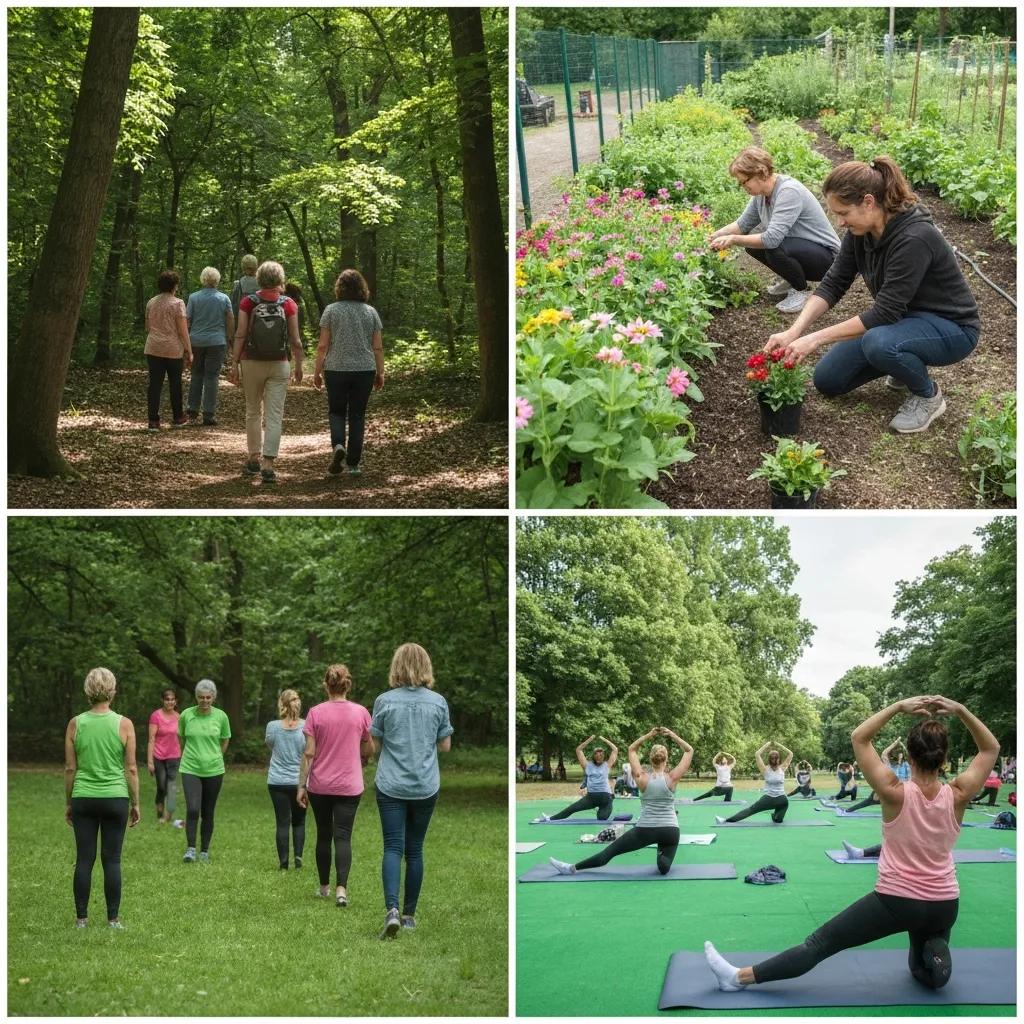
Emulate offers a range of outdoor activities designed to meet specific clinical aims while keeping participant safety and oversight front and center. Examples include mindful nature walks to reduce acute stress through sensory focus, horticultural groups that build routine and a sense of purpose, and green exercise sessions that pair movement with cognitive‑behavioral practice. Typical formats and frequencies: mindful walks occur daily or several times per week for stress regulation; horticultural groups meet weekly to foster skills and social connection; green exercise sessions are scheduled two to three times weekly to support mood and attention. Staff run sessions with clear safety protocols and privacy safeguards appropriate to each stage of care.
The list below outlines sample activities and intended outcomes.
- Mindful nature walks: Short, guided sensory walks to reduce acute stress and steady attention.
- Horticultural groups: Repetitive plant‑care tasks that promote routine, mastery, and mood improvement.
- Green exercise sessions: Low‑intensity outdoor workouts paired with therapeutic prompts to boost attention and resilience.
These examples show how nature activities are integrated with clinical goals and lead into condition‑specific coping strategies you can use or request in a treatment plan.
How Can Nature Therapy Help Manage Anxiety, Depression, and Stress?
Nature therapy targets core symptoms of anxiety and depression by combining physiological downregulation with behavioral and cognitive skills practice. For anxiety, calming natural stimuli reduce hypervigilance and support breath‑based regulation while attention restoration interrupts perseverative worry. For depression, horticultural tasks and green exercise create rewarding routines and mastery experiences that counteract anhedonia and social withdrawal. Nature approaches also help reduce PTSD‑related hyperarousal through controlled sensory exposure and improve attention in ADHD by offering stimulating yet restorative environments. Translating these mechanisms into simple, repeatable coping strategies lets patients use nature as a practical adjunct to clinical care.
Try or request these nature‑based coping strategies as part of your plan:
- 10‑minute grounding walk: Move slowly and name five sensory details to interrupt rumination and lower heart rate.
- Micro‑dose nature exposures: Spend 5–15 minutes near plants or by a window several times daily to build restorative effects.
- Horticultural task routine: Schedule short plant‑care tasks three times a week to cultivate mastery and daily structure.
- Green exercise practice: Pair a 20–30 minute walk with a CBT prompt or brief mindfulness to combine movement and skill use.
These strategies work in urban, indoor, or limited‑access settings and set up the research that follows on PTSD and ADHD.
What Nature‑Based Coping Strategies Support Anxiety and Depression Relief?
Short, repeatable nature practices — micro‑dosing exposure, mindful walks, and structured horticulture — help with anxiety and depression by reducing physiological arousal and increasing behavioral activation. The two mechanisms work together: sensory engagement activates parasympathetic calming while task‑oriented activities provide routine and mastery that combat depressive inertia. Clinically, we recommend starting with short activities (10–20 minutes) and increasing frequency rather than duration to build habit. When access to green space is limited, indoor plants, green rooftops, and nature imagery can deliver many of the same restorative benefits.
What Recent Research Highlights Nature’s Role in Reducing PTSD and ADHD Symptoms?
Recent studies suggest targeted nature interventions can reduce PTSD hyperarousal and support attention in ADHD when used as adjuncts to standard care. Trials report that sensory‑focused forest bathing lowers physiological markers of hypervigilance in PTSD and improves sleep and mood when paired with trauma‑focused therapy. For ADHD, green exercise and unstructured outdoor play are linked with better attention regulation and longer task persistence across age groups. Sample sizes and intervention doses vary, but the clinical implication is clear: adding nature‑based components can strengthen multimodal treatment by addressing physiological regulation and attention restoration. Program designs that incorporate these findings tend to show better overall outcomes.
Next we cover how families can support participation while keeping appropriate boundaries.
How Can Families Support Loved Ones Through Nature‑Based Mental Health Treatment?
Families play a valuable role when therapeutic boundaries are clear. Practical help — transportation, scheduling outdoor time, and supporting at‑home nature homework — preserves continuity and encourages attendance. Participating in occasional structured family sessions, like joint horticultural activities or educational walks, can improve mutual understanding and create shared recovery moments. Emulate offers family resources and education on supporting participation, maintaining boundaries, and accessing referrals so family involvement strengthens treatment without compromising privacy.
Concrete roles families can adopt and resources to request from providers include:
- Transport and logistics: Coordinate safe travel and help maintain regular attendance.
- Shared activities: Join occasional family nature sessions to build connection and practice new skills together.
- Boundary maintenance: Follow therapist guidance and privacy safeguards to protect the client’s therapeutic space.
These practical roles prepare families to support recovery and point to center resources described next.
What Role Do Families Play in Outdoor Therapy and Recovery?
Families support outdoor therapy by facilitating access, reinforcing skills between sessions, and joining joint activities when clinically appropriate. Practical help includes arranging transport, ensuring suitable clothing and supplies, and encouraging at‑home practice of nature‑based homework. Relationally, family sessions can model communication and shared coping strategies; at the same time, therapists protect individual confidentiality and keep treatment patient‑centered. When families understand these roles, they become strong allies in recovery without overstepping therapeutic boundaries.
What Resources and Support Are Available for Families at Emulate Treatment Center?
Emulate provides family education sessions and materials that explain program expectations, privacy rules, and ways relatives can support recovery without undermining treatment. Resources include family‑focused modules describing program structure, typical schedules, and suggested at‑home nature practices to reinforce therapeutic gains. We also offer referral guidance and family counseling pathways to help relatives navigate their role while protecting confidentiality and safety. These tools give families concrete ways to support participation and recovery.
What Are the Next Steps to Begin Nature Therapy for Mental Health at Emulate Treatment Center?
Beginning nature‑integrated care follows a clear, patient‑centered sequence: initial contact, screening, clinical assessment, and scheduling of program elements — whether detox, inpatient, outpatient, or counseling with nature components. Emulate provides transparent information and a supportive, non‑pressured path to care so individuals and families can make informed choices. During intake, be ready to discuss current symptoms, treatment history, mobility or medical needs, and outdoor activity preferences so clinicians can match modalities and safety requirements. The intake flow below gives a simple roadmap and expected timeframes to set realistic expectations.
Follow this step‑by‑step intake flow for quick clarity:
- Initial contact: Reach out for a confidential conversation about needs and options.
- Phone screening: A brief call collects history and identifies immediate safety or medical concerns.
- Clinical assessment: A full assessment recommends the best program stage and any nature‑based elements.
- Scheduling: Staff and clinicians arrange first sessions and outline follow‑up plans.
This clear pathway reduces uncertainty and leads into what to expect about privacy, safety, and day‑to‑day support during care.
How Does the Intake and Program Scheduling Process Work?
Intake begins with a confidential conversation that clarifies concerns, collects medical history, and screens for safety. After screening, a detailed clinical assessment identifies an appropriate pathway — detox, inpatient, outpatient, or counseling — and defines any nature‑based activities, adapted to the person’s condition and mobility. Scheduling balances clinical priorities and availability; patients receive timelines for when outdoor sessions start and how often they will occur, with flexibility as treatment progresses. Bringing documentation of medical history and current medications helps speed assessment and ensures safe activity planning.
What Should Patients Expect Regarding Privacy, Safety, and Support?
Patients can expect clinical‑grade confidentiality, clear consent procedures for family involvement, and discretion during outdoor sessions. Safety protocols include pre‑activity risk assessments, staff supervision during higher‑risk phases like detox, and contingency plans for weather or mobility concerns. Support is coordinated across clinical oversight, peer support, and administrative staff so issues are addressed promptly. These safeguards preserve therapeutic integrity while allowing nature‑based methods to deliver restorative and clinical benefits.
Frequently Asked Questions
1. Can nature therapy be used alongside traditional treatments for mental health issues?
Yes. Nature‑based therapy works well alongside conventional treatments such as medication and psychotherapy. We typically use it as part of a stepped‑care plan where nature interventions complement clinical care, addressing both physiological regulation and psychological skills.
2. How often should one engage in nature therapy for optimal benefits?
Regular exposure is key. Short sessions of 10–30 minutes two to three times per week — or brief daily micro‑doses — are effective, especially when they include mindful, sensory focus. Consistency matters more than long, infrequent outings.
3. Are there specific populations that benefit more from nature therapy?
Certain groups often see strong benefits, including people with anxiety, depression, PTSD, and ADHD. Children and adolescents can especially benefit from outdoor play and structured nature activities that support attention and resilience.
4. What safety measures are in place during nature therapy sessions?
We use clinical risk assessments, trained staff supervision, and adaptive plans for weather and mobility. Activities are tailored to each participant’s needs and closely monitored, particularly during higher‑risk stages such as detox.
5. How can individuals incorporate nature therapy into their daily lives?
Simple practices help: short walks in green spaces, tending indoor plants, sitting by a window with a view, or brief mindfulness outdoors. Regular, short practices are an accessible way to gain restorative benefits.
6. What role does mindfulness play in nature therapy?
Mindfulness amplifies nature’s benefits by helping people focus on sensory experience — sights, sounds, touch, breath — which promotes relaxation and reduces rumination. Mindful attention makes nature exposures more restorative and supports emotional regulation.
7. Can families participate in nature therapy sessions, and how can they support their loved ones?
Yes. Families can join structured sessions, help with logistics, and encourage at‑home nature practices. Participating in occasional family activities can strengthen recovery, provided therapeutic boundaries and confidentiality are respected.
Conclusion
Bringing nature into mental health care offers measurable benefits — lower stress, improved mood, better focus — and complements traditional therapies. When delivered safely and consistently, nature‑based practices can deepen recovery and support lasting well‑being. If you’re interested in exploring nature‑informed care, reach out to a clinician for personalized guidance and next steps. Discover how intentional time outdoors can become a practical part of your healing journey.