



Naltrexone Treatment for Alcohol Addiction: How It Works, Benefits, and What to Expect
Naltrexone is a prescription medication commonly used in medication‑assisted treatment (MAT) for Alcohol Use Disorder (AUD). It works by blunting alcohol’s rewarding effects, which can lower cravings and reduce the chance of relapse. This guide walks through how naltrexone affects brain chemistry, the differences between oral and monthly injectable options, and what research and clinical practice say about outcomes and safety. Many people and families want clear, practical answers about detox needs, dosing choices, likely side effects, and where medication fits within counseling and ongoing care. We’ve organized this information into easy-to-follow sections: how it works and available formulations, evidence of benefit and the role of psychosocial support, common side effects and how clinicians manage them, dosing and monitoring, how naltrexone fits into detox/inpatient/outpatient care, and ways families can help. The goal is to give you useful, clinical perspectives and concrete next steps so you can make informed choices about naltrexone.
What Is Naltrexone and How Does It Work for Alcohol Use Disorder?
Naltrexone is an opioid receptor antagonist that reduces the pleasurable, reinforcing effects of alcohol by blocking mu‑opioid receptors involved in reward pathways. By interrupting the link between drinking and dopamine‑driven reinforcement, it can lessen cravings and the urge to drink. Naltrexone is typically considered for people with moderate to severe AUD who are medically stable, not currently using opioids, and willing to engage in follow‑up care. It’s important to set realistic expectations: naltrexone lowers the biological drive to drink but works best when paired with psychosocial treatments that address habits, triggers, and coping skills. Below we first explain the receptor‑level action and then compare the main formulations to help guide treatment choices.
How Does Naltrexone Block Opioid Receptors to Reduce Alcohol Cravings?
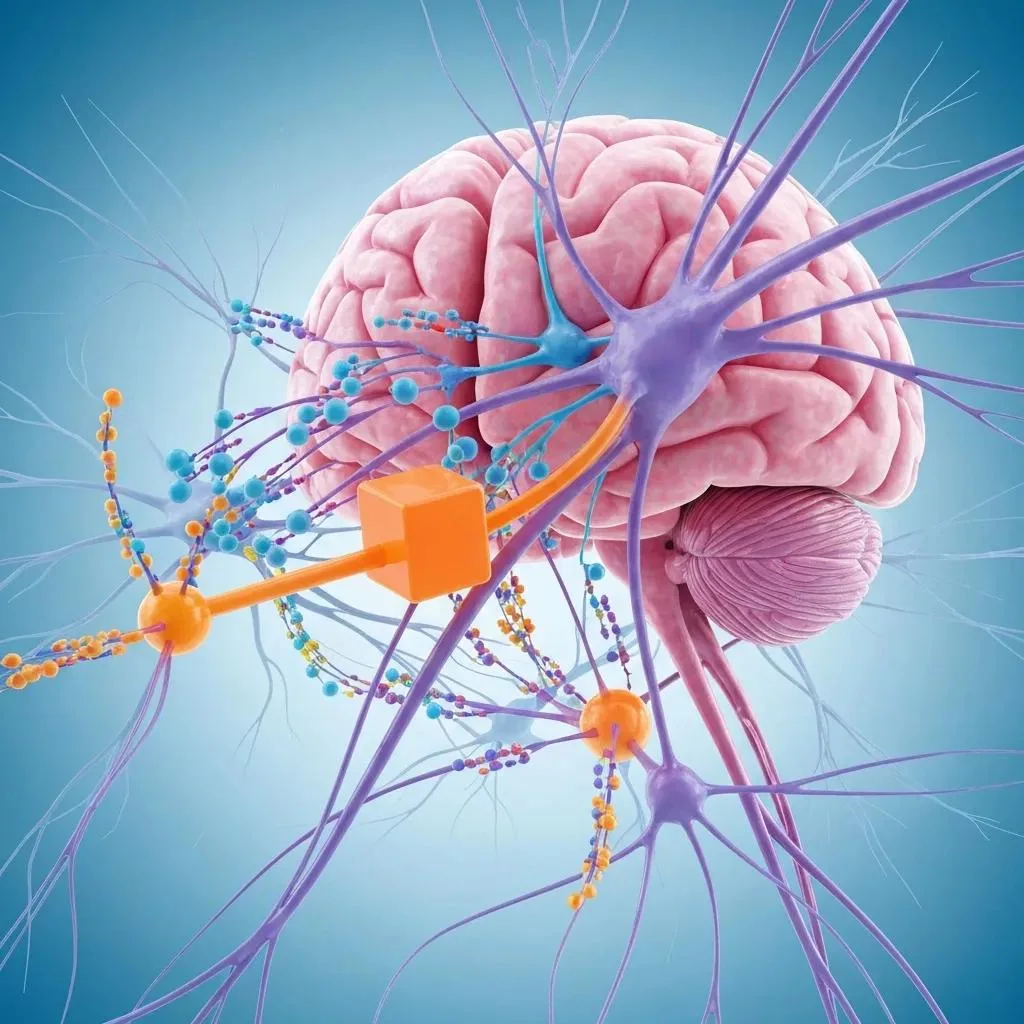
Naltrexone binds to opioid receptors—especially mu‑opioid receptors—and prevents the body’s own opioid molecules (released when drinking) from activating reward circuits. That blockade reduces alcohol‑induced euphoria and weakens the conditioned reinforcement that fuels repeated drinking. Over time, people often report that urges feel less intense; this makes behavioral therapies and relapse‑prevention skills easier to use. In short, naltrexone is a pharmacologic tool that supports behavioral change—it’s not a standalone cure, but a way to make therapy and coping strategies more effective.
What Are the Different Forms of Naltrexone Used in Treatment?
Naltrexone is available as a daily oral tablet and as an extended‑release injectable given monthly. Each option has different implications for adherence, monitoring, and access. Oral naltrexone (usually 50 mg daily) offers flexible dosing and can be stopped quickly if side effects occur, but it relies on daily adherence. Injectable naltrexone (380 mg monthly) eliminates the need for daily pills and supports adherence through clinic‑administered doses, but it requires monthly visits and confirmation of opioid‑free status before each injection. Clinicians choose based on likely adherence, patient preference, liver function, and ability to attend follow‑up; monitoring also differs by formulation because injectables involve scheduled clinic visits while oral regimens rely more on self‑report and periodic labs.
The following table summarizes key distinctions between oral and injectable approaches and a commonly referenced oral protocol variation.
This comparison highlights the practical trade‑offs to consider when choosing a formulation and leads into the evidence on outcomes and safety.
What Are the Benefits and Success Rates of Naltrexone Treatment for Alcohol Addiction?
Evidence shows that naltrexone can help reduce heavy drinking and support relapse prevention, especially when combined with psychosocial care. Meta‑analyses and randomized trials report consistent, though typically modest, reductions in heavy drinking and drinking days. Benefits are greatest when patients stick with treatment and engage in counseling. Outcomes vary by individual factors, treatment length, and the level of behavioral support, so combined treatment plans are usually recommended to maximize and sustain benefits. The table below summarizes common research findings and what they mean in practice.
These results set realistic expectations: naltrexone helps many people reduce harmful drinking and supports relapse prevention, but success often depends on adherence, treatment duration, and integration with behavioral therapy. The next section explains how psychosocial support amplifies medication effects.
How Effective Is Naltrexone in Reducing Drinking and Preventing Relapse?
Pooled clinical trials show that naltrexone reduces alcohol’s reinforcing effects, which commonly leads to fewer heavy drinking episodes and longer relapse‑free intervals versus placebo. Effectiveness is tightly linked to adherence: people who take daily oral doses consistently or receive monthly injections on schedule see larger, more durable benefits. Even moderate reductions in heavy drinking can produce meaningful improvements in health, relationships, and work. Clinicians therefore focus on strategies that support adherence and pair medication with structured psychosocial treatments to improve real‑world outcomes and sustain recovery.
What Role Does Psychosocial Support Play in Enhancing Naltrexone Treatment?
Psychosocial treatments such as cognitive behavioral therapy (CBT), motivational interviewing, group therapy, and family involvement complement naltrexone by addressing patterns, triggers, and skills for long‑term recovery. Medication reduces craving intensity, which makes people more able to learn and use coping strategies taught in therapy. Combining pharmacotherapy with counseling improves adherence, helps manage high‑risk situations, and supports lasting reductions in drinking. Practical treatment programs link medication management with scheduled therapy and peer support because medication alone does not address the behavioral and social contributors to AUD.
What Are the Common Side Effects of Naltrexone and How Are They Managed?

Naltrexone is generally well tolerated, but side effects can range from mild, temporary symptoms to rare but more serious issues that need prompt attention. Common mild‑to‑moderate effects include nausea, headache, fatigue, and dizziness, which often improve as the body adjusts. Less common concerns include elevated liver enzymes and mood changes; baseline and periodic liver tests and attention to psychiatric symptoms are standard precautions. The table below helps patients and clinicians recognize likely reactions and first‑line management steps.
This table is a quick reference for expected reactions and typical clinical responses.
Overall, most side effects are manageable; rarer events are identified through screening and follow‑up so clinicians can intervene and protect safety.
Which Side Effects Are Most Frequent and How Does Emulate Treatment Center Support Patients?
The most common short‑term effects are gastrointestinal (nausea), headache, and temporary fatigue. These usually resolve with simple measures like taking the medication with food or short‑term symptomatic treatment. At Emulate Treatment Center we prioritize clear education about what to expect, routine monitoring, and quick clinical reassessment if symptoms persist or worsen. We encourage patients to report new or worsening side effects so clinicians can adjust dosing, suggest supportive therapies, or arrange further evaluation. Clear communication about side effects helps people stay engaged and reduces unnecessary discontinuation.
When Should Patients Be Concerned About Serious Side Effects?
Seek urgent care for signs that could indicate serious problems: severe abdominal pain, yellowing of the skin or dark urine (possible liver injury), new or worsening suicidal thoughts or severe mood changes, or any severe allergic reaction. Serious adverse events are uncommon, but early assessment matters because stopping the medication or providing targeted medical care can prevent complications. Clinicians review these warning signs at treatment start and schedule follow‑ups to review labs and mood; recognizing red flags early protects safety and allows treatment plans to be adjusted as needed.
How Is Naltrexone Dosage Determined for Alcohol Addiction Treatment?
Dose decisions balance standard regimens with individual factors such as liver function, recent opioid use, likely adherence, and patient preference. The usual oral dose in trials and practice is 50 mg once daily; the extended‑release injectable is 380 mg given once monthly. Providers check liver enzymes at baseline and periodically, confirm no recent opioid use, and arrange follow‑up visits to assess response, adherence, and side effects. Treatment length is individualized but often spans several months with regular reassessment to weigh ongoing benefit against any risks; adherence and involvement in psychosocial care guide duration decisions.
Key factors that guide dosage and monitoring decisions:
- Liver function: Baseline and periodic liver tests guide safety and may influence dosing.
- Opioid use history: Active opioid use is a contraindication; opioid‑free status must be confirmed before starting.
- Adherence likelihood: Patients with adherence challenges may be better served by monthly injectable dosing.
- Concurrent treatments: Engagement in counseling and other medications affects follow‑up frequency.
Combining clinical standards with individual considerations produces a safe, practical dosing plan that supports better outcomes.
What Are the Recommended Dosages for Oral and Injectable Naltrexone?
The commonly used doses are straightforward: oral naltrexone is usually 50 mg once daily, and the extended‑release injectable is 380 mg given intramuscularly every 28–30 days. Initiating treatment normally includes a baseline medical exam and labs, confirmation of opioid‑free status, and education about expectations and side effects. Providers may adjust dose or hold medication for adverse effects or significant lab changes, and they choose injectable versus oral based on adherence prospects and access to clinic visits. These recommendations serve as a clinical framework; individual medical and psychosocial factors guide final decisions.
How Does Dosage Affect Treatment Duration and Outcomes?
Sticking to the prescribed schedule—daily oral or monthly injectable—is strongly linked to better outcomes, including fewer heavy drinking days and longer periods of reduced drinking. Longer continuous treatment is often associated with more durable benefit. Many patients show meaningful improvement after several months, so clinicians typically reassess every 4–12 weeks to decide whether to continue medication, adjust supports, or plan tapering. Regular follow‑ups allow review of liver tests, monitoring of mood and side effects, reinforcement of psychosocial strategies, and coordination across care settings. Structured monitoring both protects safety and helps optimize outcomes.
Program monitoring usually includes baseline labs, an early follow‑up within the first month to check tolerability and adherence, and routine visits timed with injection appointments or periodic medication reviews; Emulate Treatment Center outlines these steps at intake and schedules follow‑ups to support continuity of care.
How Does Naltrexone Fit Into Comprehensive Alcohol Addiction Treatment Programs?
Naltrexone is one part of a stepped treatment pathway that can start with detox when needed, move through medication initiation and stabilization, and continue with outpatient maintenance plus psychosocial therapies to support recovery. As a component of MAT, naltrexone addresses biological drivers of craving while counseling and skills‑based therapies tackle behavioral and social factors. Different levels of care—detox, inpatient stabilization, outpatient management, and counseling—work together to manage withdrawal, ensure medication safety, support adherence, and build relapse‑prevention skills. The typical flow is: detox (if needed) → medical assessment and medication start → structured psychosocial support and follow‑up → ongoing maintenance and relapse‑prevention planning.
What Is the Role of Detoxification Before Starting Naltrexone?
Detoxification treats acute withdrawal and stabilizes medical status before starting medications like naltrexone, because naltrexone does not treat withdrawal and can be unsafe if opioid exposure exists. Clinicians usually wait until withdrawal symptoms are controlled and the patient is medically stable before initiating naltrexone; timing depends on clinical status, co‑occurring conditions, and confirmation of opioid‑free status. This sequencing reduces risk and helps the person engage reliably in follow‑up care. Clear communication about the sequence—detox then medication—helps patients and families set accurate expectations for the early phase of treatment.
How Do Inpatient, Outpatient, and Counseling Services Complement Naltrexone Therapy?
Inpatient care offers a controlled setting to manage withdrawal and begin medical evaluation, while outpatient services provide ongoing medication management, counseling, and community supports after discharge. Counseling approaches—CBT, motivational enhancement, family therapy, and support groups—teach coping strategies, address triggers, and build relapse‑prevention skills that complement naltrexone’s effect on craving. Coordination across levels of care includes medication handoffs, scheduled follow‑ups for labs and injections, and linked psychosocial appointments to maintain engagement. This integrated approach improves adherence and widens the supports available during recovery.
How Emulate Treatment Center integrates naltrexone into a full care pathway:
- Confidential assessment: A thorough initial evaluation of medical history, current use, and readiness for treatment.
- Detox coordination (if needed): Arrange medical stabilization before starting medication to ensure safety.
- Medication initiation and monitoring: Begin oral or injectable naltrexone after medical clearance and set a schedule for labs and symptom checks.
- Counseling and outpatient planning: Connect patients with counseling options and schedule ongoing sessions to support behavior change.
- Follow-up and support: Provide periodic monitoring visits and guidance for families; offer confidential assessments and form‑based intake to help people connect with services without pressure.
This stepwise plan clarifies intake, scheduling, and support so patients and families know what to expect when engaging in comprehensive care.
How Can Families Support Loved Ones Undergoing Naltrexone Treatment?
Families are vital in supporting adherence, watching for safety concerns, and encouraging engagement with psychosocial care. Thoughtful, structured involvement can improve outcomes while preserving healthy boundaries and self‑care for family members. Practical actions include learning about the medication and side effects, helping with appointment logistics, reinforcing coping strategies learned in therapy, and keeping communication nonjudgmental and focused on safety and recovery goals. Families should also know the red flags—worsening mood, signs of liver distress, or medication nonadherence—and how to help arrange timely clinical contact. Below are concrete ways families can support someone on naltrexone.
Resources and practical support families can offer:
- Education and information: Learn how naltrexone works and what side effects to expect.
- Scheduling support: Help coordinate and remind about medication doses, clinic visits, or injection appointments.
- Emotional support: Offer steady, nonjudgmental encouragement for recovery activities and therapy attendance.
- Safety monitoring: Watch for concerning symptoms and help facilitate prompt clinical follow‑up when needed.
Families who adopt these practical habits help create an environment where medication and psychosocial treatments can work best. Emulate Treatment Center offers confidential guidance, family education resources, and intake assistance by form or phone to help relatives understand options and connect with services in a supportive, non‑pressuring way.
What Resources Are Available for Families at Emulate Treatment Center?
Emulate Treatment Center provides family‑focused guidance that emphasizes education, appropriate involvement, and help navigating intake. Resources may include family education sessions about treatment options, descriptions of family therapy and participation opportunities, and assistance with scheduling confidential assessments or form‑based referrals. Our approach values clarity, privacy, and practical support so families can participate as appropriate while respecting boundaries. We encourage families to reach out for confidential guidance on how best to support a loved one’s recovery.
How Can Families Help Manage Expectations and Encourage Recovery?
Managing expectations means understanding that recovery is often gradual, medication supports but does not replace therapy, and relapse risk remains even with effective treatment. Realistic timelines and clear communication reduce frustration and help families provide steady support. Practical strategies include setting short‑term goals, celebrating small milestones, avoiding punitive reactions to setbacks, and encouraging consistent attendance at appointments and therapy. Do/Don’t guidance: encourage autonomy while offering logistical help, avoid blame, and work with clinicians if safety concerns arise. Over time, structured family involvement helps maintain adherence, reinforce coping skills, and foster a stable environment for recovery.
Practical do/don’t checklist for families:
- Do: Learn about the medication and side effects, assist with scheduling, and encourage therapy attendance.
- Do: Keep communication open, nonjudgmental, and set realistic short‑term goals.
- Don’t: Use punishment after relapse; avoid coercive tactics that erode trust.
- Don’t: Ignore signs of mood deterioration or medical warning signs—help arrange timely clinical evaluation.
If families need help applying these steps, Emulate Treatment Center can provide confidential intake guidance and family education to clarify expectations and suggest practical ways to support a loved one.
Frequently Asked Questions
What should I expect during the initial consultation for naltrexone treatment?
In the first consultation, a clinician will take a detailed medical history, review current alcohol use, and screen for co‑occurring conditions. This assessment determines whether naltrexone is a good option for you. The provider will explain the treatment process, likely benefits, potential side effects, and the role of psychosocial support. Bring questions and any concerns—this visit is a chance to get clear, practical information and plan next steps.
Can naltrexone be used in combination with other medications?
Yes. Naltrexone can be prescribed alongside medications for co‑occurring mental health conditions such as anxiety or depression, but you should always tell your provider about all medications you take to avoid interactions. Your clinician will review safety and coordinate treatments to support your recovery holistically.
How long does it typically take to see results from naltrexone treatment?
Some people notice reduced cravings within a few weeks, but timelines vary. Many studies find clearer benefits after several months of consistent use—especially when combined with counseling and behavioral therapy. Regular follow‑ups help track progress and adjust the plan if needed.
Is naltrexone treatment suitable for everyone with alcohol use disorder?
No. Naltrexone is generally recommended for people with moderate to severe AUD who are medically stable and not currently using opioids. A clinician will review your medical history, current health, and possible contraindications to decide whether it’s appropriate for you.
What lifestyle changes should accompany naltrexone treatment?
Lifestyle changes can boost treatment effects. Regular physical activity, balanced nutrition, healthy sleep, and developing coping strategies all help. Participating in counseling or support groups and building a reliable support network of family and friends are also important parts of lasting recovery.
How can I manage side effects while on naltrexone?
Talk openly with your provider about any side effects. Common complaints like nausea or headaches often improve with simple measures—taking the medication with food, adjusting timing, or short‑term symptomatic care. If side effects persist or worsen, your clinician can reassess dosing or consider alternatives. Regular monitoring and follow‑up ensure side effects are addressed promptly.
Conclusion
Naltrexone can be a valuable part of treatment for alcohol addiction by reducing cravings and supporting longer‑term recovery when used alongside psychosocial interventions. Knowing how it works, what to expect from side effects, and the importance of adherence helps individuals and families make informed choices. If you’re considering naltrexone, reach out to a healthcare provider or treatment center for personalized guidance—Emulate Treatment Center is here to help you explore options and support the next steps in recovery.


