


Mental Health Clinical Trials: What They Are, How to Join, and What to Expect
Clinical trials for mental health test new medications, therapies, devices, or care models to see whether they’re safe and helpful for people with psychiatric conditions. This guide breaks down what those trials look like, why they matter for patients and families, how to find studies, and what to expect if you choose to participate. Research language, eligibility rules, and how trials fit with ongoing treatment can feel confusing — we translate study designs, oversight, benefits, and risks into clear, practical steps. Ahead you’ll learn how trials differ from routine care, common types of psychiatric studies, how to prepare for screening, and what protections are in place for safety and privacy. The sections that follow cover definitions and importance, trial types, a step-by-step participation guide, a balanced look at benefits and risks, how trials work alongside detox and inpatient/outpatient care, and resources to locate studies near you.
What Are Mental Health Clinical Trials and Why Do They Matter?
Mental health clinical trials are formal research studies that test new ways to prevent, diagnose, or treat psychiatric conditions. They follow a written plan and measure outcomes to produce reliable evidence. Trials matter because they’re the pathway to better medications, therapies, and care practices — and they can give participants access to specialized monitoring and treatments not yet widely available. Unlike routine care, trials test interventions under controlled conditions, use strict eligibility rules to define who takes part, and include oversight to protect safety and data. Knowing these features helps patients and families weigh potential benefits and responsibilities before signing up. Below we outline the main elements that define trials and how they push treatment forward.
What Defines a Mental Health Clinical Trial?
A clinical trial is defined by a written protocol that states the study’s goals, who can join, what treatments or procedures will happen, how outcomes are measured, and how safety is tracked. Trials run in phases (Phase I–IV), from early safety and dosing work to large-scale effectiveness studies and long-term monitoring after approval — each phase serves a clear purpose. Common protocol elements include inclusion/exclusion rules, randomization or control groups, blinding when appropriate, scheduled assessments, and processes for reporting adverse events to safety monitors. Institutional Review Board (IRB) approval, a thorough informed consent process, and ongoing safety checks protect participant rights and the integrity of the study. These structures shape the participant experience and how results move into real-world care.
How Do Clinical Trials Advance Psychiatric Treatments?
Clinical trials provide the high-quality data regulators and clinicians use to judge benefits and risks and to update care standards. Successful drug trials can lead to regulatory approval; psychotherapy studies refine how treatments are delivered and compared; device and neuromodulation trials establish safe settings and target groups. New approaches — like digital therapeutics, combined treatments, or therapies for underserved populations — expand choices when they’re supported by solid evidence. Participant-reported outcomes and standardized measures feed into reviews and clinical guidelines, helping effective interventions shift from experimental settings into everyday practice. Over time, this evidence base improves options for patients and families.
Which Types of Mental Health Clinical Trials Are Available?
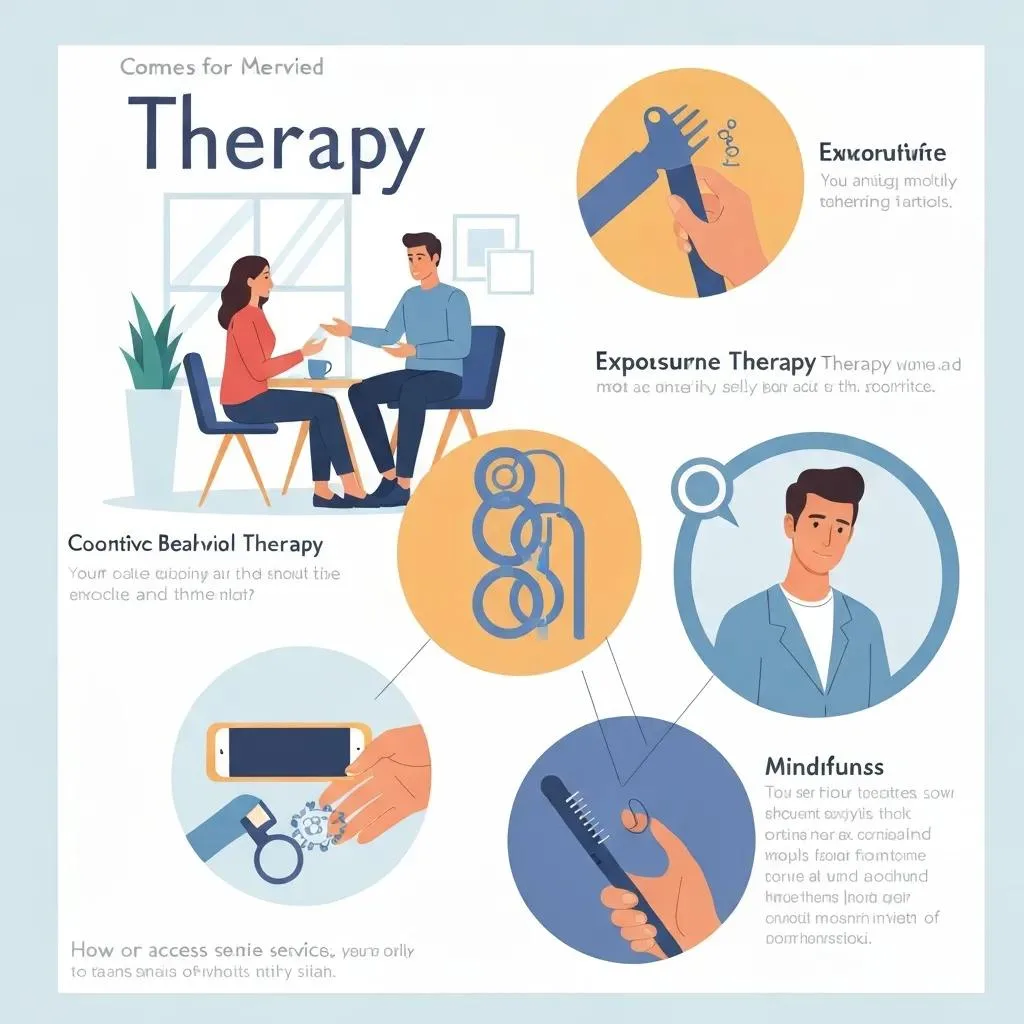
Clinical trials differ by the condition studied and the kind of intervention being tested. Knowing the main categories makes it easier to find studies that fit your needs. Common trial types include medication studies, psychotherapy trials, device or neuromodulation research, combined-treatment studies, and digital or remote-delivery trials. Each type uses different outcome measures and participant rules, which shape what you’ll experience if you join. The sections below list typical conditions studied and the treatment methods most often evaluated.
What Mental Health Conditions Are Studied in Clinical Trials?
Researchers commonly study major depressive disorder, anxiety disorders, PTSD, bipolar disorder, schizophrenia, and substance-related conditions. Work on depression and mood disorders looks at new antidepressants, augmentation strategies, and therapy formats for acute and maintenance care. Anxiety and PTSD trials explore medications, exposure-based therapies, and new options for treatment-resistant cases. Bipolar and schizophrenia research focuses on mood stabilization, relapse prevention, cognition, and reducing side effects. Addiction studies often combine behavioral approaches with medication-assisted treatments and close monitoring, since these trials frequently link to detox and recovery services.
What Treatment Methods Are Tested in Psychiatric Clinical Trials?
Psychiatric research evaluates medications, psychotherapies, device-based neuromodulation, and an increasing range of digital and hybrid delivery models. Drug trials test dose, safety, and comparative effects of small molecules or biologics. Therapy studies examine manuals, formats (individual vs. group), and digital supports. Device studies test transcranial magnetic stimulation, neurostimulation settings, or implantable systems. Combined trials look at medication plus therapy to measure additive benefits. Emerging areas — like psychedelic-assisted therapy and virtual care platforms — follow specialized protocols and close safety monitoring to capture both clinical results and participant experience.
This introductory table maps common conditions to trial types and typical example interventions so you can match concerns to study models.
The table clarifies how specific conditions align with common study designs and what participants might experience in each trial category.
How Can You Participate in Mental Health Clinical Trials?

Joining a clinical trial usually follows a clear process: locate studies, complete eligibility screening, sign informed consent, attend baseline and treatment visits, and take part in scheduled follow-ups. Start by searching registries or asking local providers for active studies. Early conversations with study teams clarify inclusion criteria, visit frequency, and any compensation or cost coverage. Screening commonly asks for medical and psychiatric history, current medications, and sometimes lab or imaging tests to ensure safety. If accepted, you’ll receive a consent form that details risks, benefits, and your rights, and study staff will help coordinate scheduling and monitoring. The checklist below summarizes practical steps to prepare for and join a trial.
- Search and identify trials: Use clinical trial registries or ask your provider for studies relevant to your condition.
- Contact the study team: Share basic information and answer pre-screening questions to see if you might fit.
- Undergo screening: Provide records, complete assessments, and attend screening visits to confirm eligibility.
- Review informed consent: Read consent carefully, ask questions, and confirm you understand risks, procedures, and withdrawal rights.
- Begin participation: Follow the study schedule for visits, medications, therapy sessions, and safety checks.
This checklist helps you gather documents and prepare questions before the screening conversation.
The table below lays out the participation steps in a practical checklist so you know what documents and expectations come with each stage.
Local treatment teams and support staff can help assemble records and manage logistics to make screening less stressful.
Emulate Treatment Center can offer supportive navigation at the inquiry and intake stage — without implying we run specific trials. Our role is to help you understand study options, gather and summarize medical records for screening, and assist with scheduling or referrals to appropriate research teams. We provide this support without pressure, so you and your family can prepare for conversations with study coordinators or clinical investigators. If you’d like help organizing documents or reviewing consent forms, a local supportive provider can ease the administrative burden before a trial screening visit.
What Are the Benefits and Risks of Participating in Mental Health Research Studies?
Joining mental health research can give you access to new treatments, close clinical monitoring, and the chance to help others — but it can also bring risks like side effects, uncertain benefit, and time commitments. Typical benefits include early access to investigational therapies, focused oversight during the study period, and possible compensation or travel support. Risks include potential adverse effects, the chance of receiving a placebo or comparison treatment, and frequent visits or procedures. Ethical safeguards such as IRB approval, informed consent, and safety monitoring reduce risk and ensure participants can withdraw at any time. The brief list below contrasts main benefits and risks so you can weigh your options.
- Benefits:
Potential access to experimental treatments and specialist monitoring while enrolled.Contributing to research that may improve care for others in the future.Structured follow-up and objective measures that can inform personal care plans. - Risks:
Possible side effects or adverse events from investigational interventions.No guaranteed benefit; some participants may receive placebo or standard-care comparisons.Time, travel, and procedural commitments tied to the study protocol.
The table below summarizes key benefits and risks and what you can reasonably expect to help with informed decision-making.
How Does Participation Provide Access to New Treatments and Expert Care?
Participants often receive specialized assessments, regular monitoring, and care from clinicians focused on the study intervention — which can mean closer oversight than routine outpatient care. Some trials offer investigational medications, structured psychotherapy, or device-based treatments not yet available in general practice. Study teams usually include psychiatrists, research nurses, and coordinators who monitor safety and adherence. Compensation and cost coverage vary by study; some cover travel or clinic fees to reduce burden. Because monitoring is standardized, issues can be identified and addressed quickly, and the information gathered may help guide future treatment choices.
What Safety and Privacy Measures Protect Clinical Trial Participants?
Clinical trials must pass IRB review and follow regulatory rules designed to protect participants. Many studies also use independent Data Safety Monitoring Boards to review safety data as the research progresses. Informed consent explains risks, benefits, alternatives, and the right to stop participation at any time; it’s your opportunity to ask specific questions about confidentiality and data use. Privacy protections commonly include de-identifying research data, secure storage, and strict limits on who can see identifiable health information. Adverse event reporting systems ensure timely review and response to safety concerns. Before enrolling, ask study teams about IRB approval, data protection practices, and how they handle adverse events.
How Do Mental Health Clinical Trials Fit Into Your Overall Treatment Journey?
Clinical trials can complement ongoing care, provide alternatives when standard treatments haven’t worked, or be timed around transitions in care — for example, moving from inpatient stabilization to outpatient follow-up. Trials often require coordination between research teams and a patient’s regular providers to manage medication changes, overlapping therapies, or detox needs. Clear communication is key to preserving continuity and safety. When thinking about a trial, consider timing — whether to enroll while stable as an outpatient, after inpatient stabilization, or following detox — and look at logistics like visit schedules and travel. Below we outline typical integration scenarios and coordination steps to protect your care throughout the process.
How Are Clinical Trials Integrated with Detox, Inpatient, and Outpatient Care?
Integration looks different depending on the setting: an outpatient may join a trial that runs alongside regular therapy; an inpatient who’s stabilized might be screened for a post-discharge study; someone finishing detox could be evaluated for relapse-prevention medication studies. Successful integration requires sharing relevant records, aligning medication plans with protocol rules, and setting clear points of contact between the trial team and your primary clinicians. Practical tasks — timing medication washouts, arranging monitoring, and planning transportation — are usually handled before enrollment to avoid gaps in care. Clear handoffs and documented care plans help maintain safety during and after trial participation.
How Can Emulate Treatment Center Support You Through Clinical Trial Participation?
Emulate Treatment Center’s mission is to help people understand treatment options and connect with safe, supportive recovery programs. Our navigation services extend to exploring clinical trial options: we can explain study terms, help gather and summarize medical records for screening, walk you through what to expect at consent and baseline visits, and make referrals to research teams when appropriate. We prioritize clarity, safety, and privacy, offering non-pressured guidance to individuals and families who are unsure where to start. Our support focuses on preparation and coordination rather than running specific trials, keeping your overall treatment journey at the center of every decision.
Where and How Can You Find Mental Health Clinical Trials Near You?
Start with trusted search tools and local resources: national trial registries and nonprofit directories list active studies; academic medical centers and hospital research pages post current opportunities; and local treatment centers can help connect you. Use condition-specific keywords, filters for age and phase, and geography to narrow results, and contact study coordinators directly to confirm eligibility and logistics. When evaluating listings, look for IRB oversight, clear contact information, and details about visit frequency and compensation. The sections below list helpful resources and explain how local centers can support your search.
What Resources Help Locate Psychiatric Clinical Trials?
Useful resources include national clinical trial registries, research pages from academic medical centers, and nonprofit organizations that curate study listings and patient registries. Using several sources together gives a fuller picture. Search with precise terms like your condition plus “clinical trial” or “research study,” and apply filters for location, age, and whether the study is recruiting. Call the study coordinator for the most current enrollment information, and ask about IRB oversight, expected visit cadence, and any participant compensation. Having a short symptom and medication summary ready speeds up pre-screening conversations and helps study teams assess fit quickly.
How Can Local Treatment Centers Facilitate Your Participation?
Local treatment centers can act as navigators: they prepare medical records, coordinate referrals, and offer practical help like transportation planning or scheduling support to lower barriers to enrollment. Centers often know regional research programs and can make warm handoffs to study coordinators or advise whether a trial fits with your current care plan (detox, inpatient stabilization, or outpatient therapy). Emotional and family support resources from local providers help participants and caregivers understand consent, manage expectations, and cope with participation-related stress. If you need help finding or evaluating trials, a supportive local provider can clarify options and coordinate next steps without pressuring you to enroll.
Practical next step: if you’d like help identifying trials or preparing for screening, reach out to Emulate Treatment Center. We can clarify options, help organize records, and assist with referrals so you can make an informed choice that fits your recovery plan.
Frequently Asked Questions
What is the difference between a clinical trial and standard treatment?
Clinical trials are research studies that test new treatments or approaches under controlled conditions, while standard treatment uses established methods that have already been proven effective. In trials, participants may receive experimental interventions not yet available to everyone, along with closer monitoring by research staff. Standard treatment follows accepted guidelines and is the usual care you’d get outside of research. Knowing this difference helps you decide whether participating in a trial aligns with your care goals.
How can I determine if I am eligible for a clinical trial?
Eligibility is defined in the study protocol and can include age, diagnosis, medical history, and symptom severity. To check eligibility, you’ll usually go through a screening process that involves sharing medical records, answering health questions, and possibly having tests. Be open with the study team about medications and health history — that helps them determine whether the study is a good fit.
What should I expect during the informed consent process?
Informed consent is a key step where the study team explains the trial’s purpose, procedures, risks, and benefits. You’ll be given written materials to review and time to ask questions. The consent form also spells out your rights, including the ability to withdraw at any time. Take the time you need to understand what participation involves and ask for clarification on anything that’s unclear.
Are there any costs associated with participating in a clinical trial?
Costs vary by study. Some trials cover the investigational treatment, related clinic visits, and even travel, while others may require participants to cover certain expenses. Always ask the study team which costs are covered and whether any compensation is provided so you can plan accordingly.
How can I find support during my participation in a clinical trial?
Support can come from study staff — coordinators and nurses are usually available to answer questions — and from local treatment centers like Emulate, which can help with logistics and emotional support. Peer support groups and online communities can also be helpful. Don’t hesitate to lean on your clinical and personal supports while participating.
What happens if I experience side effects during a clinical trial?
If you have side effects, report them to the study team right away. Protocols are in place to monitor and manage adverse reactions, which may include additional care, dose adjustments, or withdrawal from the study if needed. Your safety is the priority, and you can leave the study at any time if you feel it’s necessary.
Conclusion
Mental health clinical trials offer a way to access new treatments and receive focused care while contributing to research that can help others. Understanding the potential benefits and risks lets you decide whether participation fits your treatment goals. If you’re considering a trial, contact local treatment centers like Emulate Treatment Center for guidance — we can help you explore options, organize records, and connect with appropriate research teams so you can make an informed choice that supports your recovery.