



Medication for Depression: Clear Treatment Options and Practical Patient Guidance
When we talk about depression medication, we mean prescription treatments that help reduce the core symptoms of major depressive disorder and related conditions by changing brain chemistry and supporting recovery. This guide explains how antidepressants work, compares major classes like SSRIs and SNRIs, and lays out expected benefits, common side effects, and practical ways patients and families can manage treatment. Many people want straightforward, step-by-step guidance on starting medication, how it’s coordinated with therapy and different levels of care, and what to expect at intake and follow-up appointments—this article gives that roadmap. At Emulate Treatment Center we take a supportive, adult-centered approach: we explain program structure, intake steps, scheduling, and available supports, and we invite readers to contact us for a confidential assessment if they want help beginning treatment. Below you’ll find sections on mechanisms and medication classes, side-effect profiles and management, how medication fits into inpatient and outpatient care, intake timelines, family supports, and short answers to common questions—starting with how antidepressants work and the main types clinicians use.
What Are Antidepressant Medications and How Do They Work?
Antidepressants are medications that act on brain chemistry to reduce depressive symptoms and improve daily functioning. They typically increase the availability of mood-related neurotransmitters—serotonin, norepinephrine, or dopamine—by blocking reuptake or changing enzyme activity. Over several weeks these changes can also support brain plasticity. The practical benefit is symptom relief that helps people engage more fully in therapy, routines, and recovery activities. Knowing the different classes of antidepressants helps set realistic expectations about how quickly benefits may appear and what side effects to watch for; we outline those details next.
What Are the Main Types of Antidepressants?
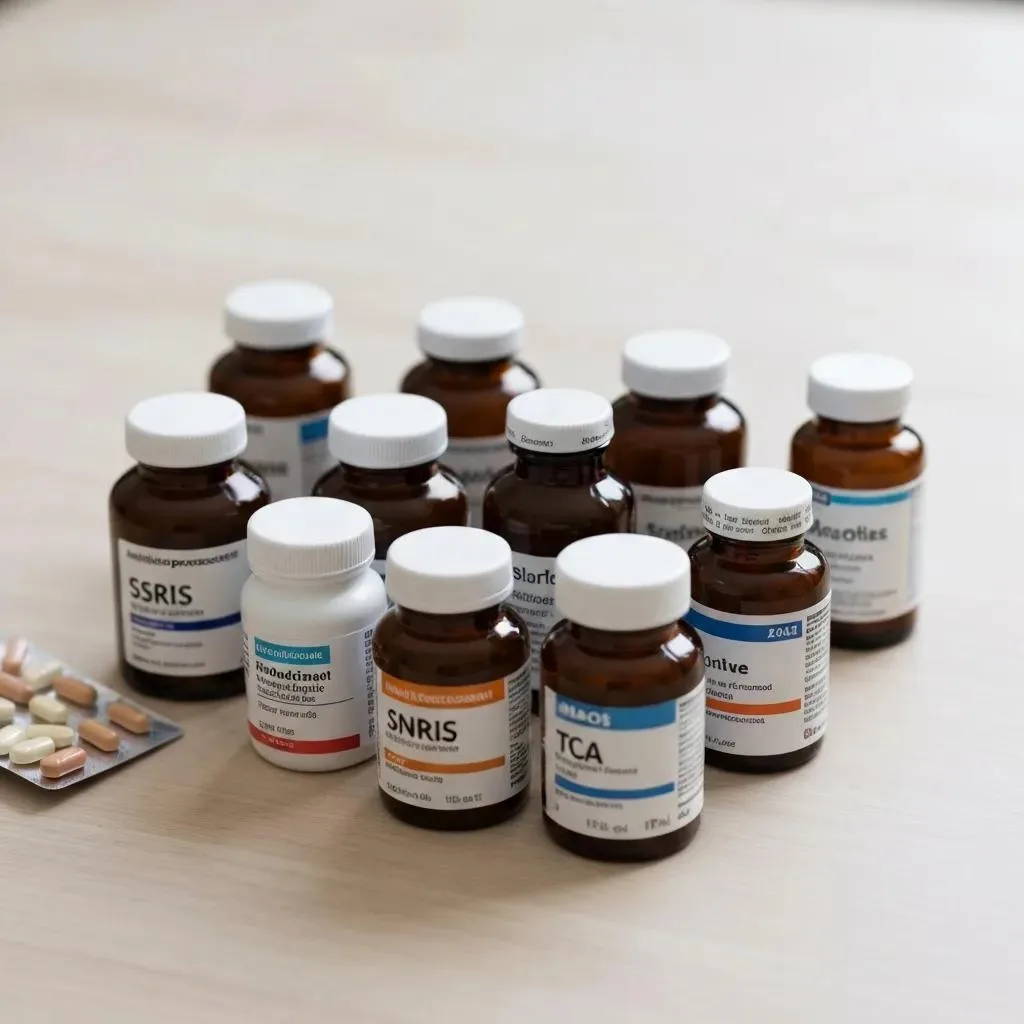
Clinicians group antidepressants into several main classes, each with typical uses and important clinical considerations. SSRIs (selective serotonin reuptake inhibitors) are commonly chosen first because they’re generally well tolerated. SNRIs (serotonin–norepinephrine reuptake inhibitors) add norepinephrine activity and may help when low energy or pain are prominent. Older classes like tricyclic antidepressants (TCAs) and monoamine oxidase inhibitors (MAOIs) can be effective but require more monitoring and have interaction precautions, so they’re usually reserved for treatment-resistant cases. Atypical antidepressants (for example, bupropion or mirtazapine) offer alternatives targeted to specific symptoms such as low motivation or sleep problems. Prescribers balance symptom targets, previous treatment response, coexisting medical conditions, and side-effect risks to find the best fit for each person.
Here’s a simple way to think about how these classes differ and when they’re used:
- SSRIs (first-line): Often selected for major depression and anxiety because they’re usually well tolerated.
- SNRIs (energy / pain symptoms): Considered when low energy, fatigue, or chronic pain are part of the problem.
- TCAs & MAOIs (later-line): Used when other options haven’t worked; require closer monitoring and more safety precautions.
- Atypical agents: Chosen for specific symptom patterns such as low motivation, sleep disturbance, or prior side-effect sensitivity.
The table below summarizes mechanisms and clinical notes for easy comparison.
What Are the Benefits and Common Side Effects of Antidepressants?
Antidepressants can reduce core symptoms of depression, improve daily functioning, and — when used appropriately — lower the risk of relapse. Many people notice early improvements in sleep, appetite, or energy that build into larger mood changes over several weeks. With clinical monitoring, medication can also reduce suicidal thoughts in adults. Side effects differ across classes and can affect willingness to continue treatment, so knowing common effects and how to manage them helps patients and families stay safe and get the best benefit.
Typical therapeutic benefits include:
- Symptom reduction: Less persistent sadness, more motivation, renewed interest in activities.
- Functional improvement: Better ability to work, socialize, and manage daily tasks.
- Relapse prevention: Maintenance treatment can lower the chance of future depressive episodes.
Common side effects to watch for include:
- Gastrointestinal symptoms: Early nausea is common and often improves.
- Sleep and energy changes: Some medications cause insomnia, others cause sedation.
- Sexual side effects: Reduced libido or difficulty reaching orgasm can occur with certain agents.
The table below pairs common side-effect tendencies with practical management and monitoring ideas to help patients and families plan ahead.
What Are the Typical Side Effects of SSRIs and How Are They Managed?
SSRIs commonly cause early nausea, transient headaches, sleep changes, and sexual side effects. These effects tend to be dose-related and often ease after several weeks as the body adjusts. Practical steps include taking medication with food to reduce nausea, changing dose timing to manage sleepiness or insomnia, trying a lower dose when safe, or switching to another SSRI or a different class if problems persist. Non-medication strategies—like good sleep hygiene and therapy for co-occurring anxiety—can also reduce symptom burden while medication is optimized. Prompt communication with the prescribing clinician helps resolve side effects quickly; families can support this by tracking changes and sharing that information with the care team.
How Do Side Effects Differ Among SNRIs, TCAs, and MAOIs?
SNRIs add norepinephrine activity, which can raise blood pressure and cause increased sweating or a faster heart rate—so monitoring blood pressure when starting or increasing doses is wise. TCAs have more anticholinergic effects and a greater potential impact on heart conduction, which means extra caution for older adults and people with cardiac risk; an ECG may be recommended. MAOIs pose dietary and drug-interaction risks that can trigger hypertensive crises, so they require careful education, medication reconciliation, and coordination among providers before use. Recognizing these differences helps clinicians match medication choice and monitoring to each patient’s medical profile and safety needs.
How Is Medication Integrated with Other Depression Treatment Options?

Medication works best when combined with psychotherapy and program-level supports. Pharmacotherapy can reduce symptoms enough that a person can make the most of therapy, while psychotherapy builds skills for coping, behavioral change, and relapse prevention. Coordinated care means psychiatrists or prescribing clinicians work closely with therapists, case managers, and program staff so medication decisions align with therapy goals and level-of-care transitions. Settings such as inpatient stabilization, partial hospitalization, intensive outpatient programs, and routine outpatient care differ in how intensively they review and monitor medication; knowing those differences helps patients and families know what to expect. Below we outline therapy roles and compare how medication management looks across care levels.
What Role Does Psychotherapy Play Alongside Medication?
Psychotherapy complements medication by teaching strategies to change unhelpful thinking, manage stress, and build routines that support recovery. Common approaches paired with medication include cognitive behavioral therapy (CBT) and dialectical behavior therapy (DBT). While medication addresses biological contributors to depression, therapy targets behaviors and thought patterns that maintain symptoms—making the combination especially effective for moderate to severe depression. Session frequency ranges from weekly individual therapy to multiple group sessions per week in higher-intensity programs, and treatment planning is collaborative between therapist and prescriber so medication adjustments support therapeutic goals and functional improvements.
Below is a program-level comparison that shows typical medication management features at each care level.
How Do Inpatient and Outpatient Programs Support Medication Management?
Inpatient care focuses on safety and stabilization, offering frequent psychiatric assessments and the ability to administer medication immediately when needed. Outpatient care emphasizes maintenance, adherence, and gradual adjustments during scheduled visits. In inpatient settings staff routinely monitor vitals, symptom scores, and side effects and document treatment responses to rapid changes; discharge plans include prescriptions and outpatient follow-up. In outpatient and IOP settings, teams prioritize patient education, medication reconciliation, and scheduled check-ins to spot side effects, manage dosing, and coordinate therapy. Clear communication between prescribers and therapists during transitions reduces risk and supports continuity of care.
When Should Adults Consider Medication for Depression?
Medication is a reasonable option when depressive symptoms cause meaningful impairment, when symptoms are moderate to severe, or after repeated episodes when non-drug approaches haven’t been enough. Shared decision-making looks at symptom severity, prior responses to treatment, co-occurring conditions, patient preferences, and practical factors like ability to attend follow-ups and monitor side effects. Medication may be recommended earlier in severe cases—especially with suicidal thoughts or marked psychomotor slowing—while for mild depression a therapy-first plan can be appropriate if the person prefers to avoid medication. The checklist below summarizes common clinical indications and typical intake procedures many centers use.
Key clinical indications to consider medication include:
- Moderate to severe depressive symptoms that interfere with daily life.
- Recurrent episodes or a history of benefit from antidepressants.
- Significant risk factors such as safety concerns, suicidal ideation, or psychotic features.
What Are the Intake Procedures for Starting Medication at a Treatment Center?
Most centers begin with a confidential clinical assessment that reviews current symptoms, psychiatric and medical history, and prior medications. A psychiatric evaluation follows to determine whether medication is likely to help. Clinicians then complete medication reconciliation, explain options and risks, obtain informed consent, and—if appropriate—prescribe an initial medication with a clear follow-up and monitoring plan. Early follow-up is common: an initial safety check within 1–2 weeks after starting medication, then response checks at 4–8 weeks. Administrative steps include confirming privacy practices, arranging therapy or program placement, and coordinating with family or outpatient providers as needed to support continuity of care.
Here’s a numbered checklist of what patients can expect during intake:
- Initial screening: Symptom review, safety assessment, and medical history collection.
- Psychiatric evaluation: Diagnostic interview and consideration of medication.
- Medication reconciliation & consent: Review current medicines, discuss risks and benefits, obtain informed consent.
- Scheduling follow-up: Early safety check within 1–2 weeks and a response review at 4–8 weeks.
- Coordination: Arrange therapy, notify outpatient providers if appropriate, and document a clear follow-up plan.
How Long Does It Take for Antidepressants to Show Effectiveness?
Most people notice early signs of improvement within 2–4 weeks, such as better sleep, appetite, or energy. More substantial mood and cognitive changes typically appear by 6–8 weeks, although full effects can continue to develop over several months. Clinicians use scheduled assessments to decide whether to continue, adjust the dose, or switch medications. Response times vary by medication class, dose, adherence, individual biology, and concurrent therapies, so patience and consistent follow-up are important. If there’s no meaningful improvement after about 6–8 weeks at a therapeutic dose, clinicians commonly consider dose changes or a medication switch as part of collaborative decision-making.
What Support Is Available for Families of Individuals Taking Medication for Depression?
Families are often essential partners in supporting adherence, spotting safety concerns, and helping with access to care. Treatment programs typically offer education, family therapy, and guidance about privacy and healthy boundaries so relatives can participate constructively. Support focuses on recognizing side effects and warning signs, helping with appointments and medication reminders, and keeping communication supportive without overriding the patient’s autonomy. Many centers run family sessions or educational groups where clinicians describe medication effects, safety monitoring, and practical ways to support recovery while respecting confidentiality.
Family members can take these practical steps to help during medication treatment:
- Attend appointments with permission to understand the medication plan and monitoring needs.
- Track side effects and behavior changes in a simple log to share with clinicians.
- Support adherence by helping with medication schedules and transportation to follow-up visits.
- Prepare for emergencies by knowing crisis contacts and recognizing warning signs like sudden worsening or suicidal behavior.
How Can Family Members Help During Medication Treatment?
Family support works best when it balances practical help with respect for privacy. Useful actions include gentle medication reminders, assisting with scheduling and attending follow-ups if invited, and documenting side effects or mood shifts to report to the clinician. Avoid coercion; use encouraging, calm language and focus on safety planning. Keep in mind that benefits and side effects can change over weeks—so keeping a brief symptom log helps the clinical team make informed adjustments. Families should also know red flags—such as increasing agitation, suicidal statements, or signs of serotonin syndrome—that require urgent medical attention. Open communication with the treatment team, with the patient’s consent, helps keep support aligned with clinical goals.
What Resources Does Emulate Treatment Center Provide for Families?
Emulate Treatment Center provides structured information and supports for families, including education about treatment options, family therapy sessions, and referrals that reflect our commitment to safe, respectful recovery. Our family resources explain program structure, intake steps, scheduling, and available supports for adults seeking care and their relatives, always emphasizing privacy and a nonjudgmental approach. We encourage families to contact our intake team to discuss appropriate ways to participate in care and to learn about family-oriented sessions or educational offerings tailored to support recovery.
Frequently Asked Questions
What Should I Expect During the First Few Weeks of Taking Antidepressants?
In the first weeks after starting an antidepressant you may notice changes in sleep, appetite, or energy within 2–4 weeks. Significant mood improvements often take longer and become clearer by 6–8 weeks. Keep scheduled follow-ups with your provider so they can monitor progress and adjust doses if needed. Patience and consistent communication with your clinician are important while your body adjusts.
How Can I Manage Side Effects of Antidepressants Effectively?
Managing side effects starts with clear communication with your prescriber. Simple strategies include changing the timing of the dose, taking medication with food to reduce nausea, or switching to a different medication if side effects persist. Keeping a symptom log helps your clinician tailor management. Lifestyle measures—like regular exercise, healthy meals, and good sleep habits—can also reduce some side effects.
Are There Non-Pharmacological Treatments That Can Complement Medication?
Yes. Psychotherapy, mindfulness practices, and lifestyle changes are effective complements to medication. CBT and DBT are particularly helpful for changing thought patterns and behaviors linked to depression. Regular physical activity, a balanced diet, and stress-reduction practices can improve outcomes. Combining medication with these approaches often supports longer-lasting recovery.
What Should I Do If I Miss a Dose of My Antidepressant?
If you miss a dose, take it as soon as you remember unless it’s almost time for your next dose—then skip the missed one. Do not double up doses to make up for a missed pill, as this can increase side-effect risk. If missed doses are frequent, use reminders or a pill organizer and talk with your clinician about adherence strategies.
How Can I Tell If My Antidepressant Is Working?
Measure improvement by tracking mood, energy, sleep, appetite, and daily functioning. Many people see gradual changes—less sadness, more motivation, better engagement—over weeks. Regular follow-ups with your provider are essential for assessing response and making adjustments. If you don’t notice meaningful change after 6–8 weeks at a therapeutic dose, discuss next steps with your clinician.
What Are the Long-Term Considerations for Taking Antidepressants?
Long-term use involves periodic evaluation of ongoing need, monitoring for side effects, and planning for maintenance or tapering when appropriate. Some people benefit from continued medication to prevent relapse; others can taper off under supervision after stability. Regular conversations with your clinician about goals, side effects, and relapse risk help guide long-term decisions.
What Is the Best Medication for Depression?
There isn’t a single best medication for everyone. Choice depends on symptom profile, past treatment response, potential side effects, medical history, and personal preference. SSRIs and SNRIs are common first-line options because of tolerability and safety, while atypical agents or older classes may be chosen for specific needs or prior response. Shared decision-making with a prescriber helps match medication attributes to individual goals.
Can Depression Be Treated Without Medication?
Yes. Mild depression can often be managed effectively with psychotherapy, structured behavioral activation, and lifestyle changes. For moderate to severe depression, combining medication with therapy usually produces quicker symptom relief and stronger functional recovery. The best approach depends on symptom severity, treatment history, and personal preference.
What Are the Risks of Starting or Stopping Antidepressants?
Risks include early side effects (nausea, sleep changes), a small risk of increased suicidal thinking in some younger people early in treatment, and discontinuation symptoms if medications are stopped abruptly. Serotonin syndrome is rare but serious when certain drugs are combined. To minimize risks, clinicians start at appropriate doses, schedule early follow-ups, teach patients and families warning signs, and taper medications slowly under supervision when stopping. If concerning symptoms appear, contact your treatment team promptly and follow emergency procedures if immediate danger is present.
Careful medication decisions, structured follow-up, and open communication complete the patient-journey approach described in this guide and align with program-level intake, monitoring, and family-support practices outlined above.
Conclusion
Knowing the available medication options for depression helps individuals and families make informed choices. When medication is combined with psychotherapy and strong support systems, people can see meaningful improvements in daily functioning and quality of life. If you or someone you love is thinking about medication for depression, contact Emulate Treatment Center for a confidential assessment and personalized guidance. Visit our resources or reach out to take the next step toward recovery.