
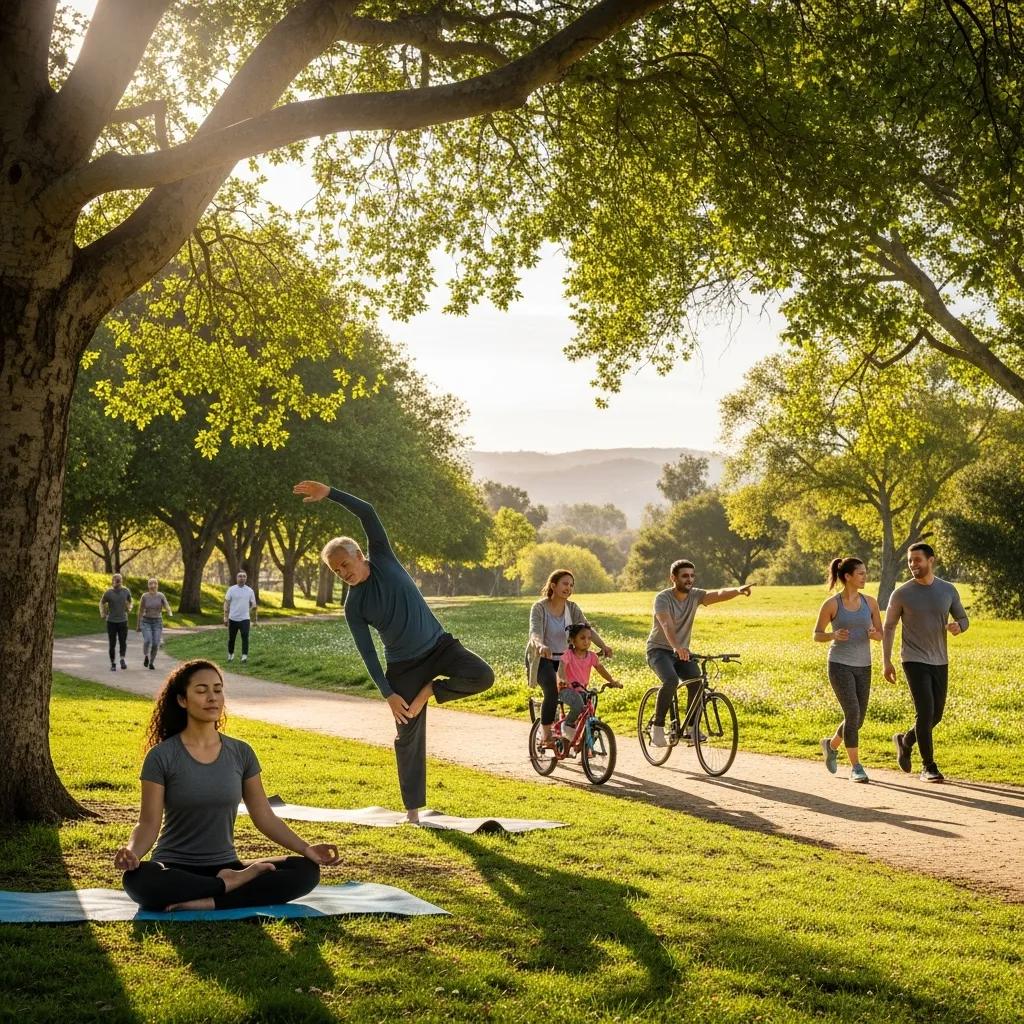

Share Your Woodland Hills Recovery and Wellness Stories
Healthy activities for recovery and wellness combine purposeful physical movement, restorative mind-body practices, creative expression, and social connection to support mental health and long-term resilience. This guide helps Woodland Hills residents and visitors translate evidence-based recovery strategies into practical local routines, linking outdoor recreation, yoga and meditation, creative therapies, and community resources to measurable well-being gains. Many people in recovery face stress, isolation, disrupted routines, or physical deconditioning, and targeted healthy activities reduce symptoms while rebuilding strength, mood, and social identity. Below you will find actionable outdoor options, mind-body practice guidance, creative and volunteer pathways, a concise local resource directory, and a decision framework to choose activities that match your recovery stage and preferences. Each section explains what to do, why it works (mechanisms like stress reduction and social support), where to try it around Woodland Hills, and how to begin safely with gradual pacing and community checks. Read on for practical steps, short recommended sessions, local examples, and structured checklists designed to make recovery-focused wellness actionable now.
What Are the Best Outdoor Activities for Mental Health and Recovery in Woodland Hills?
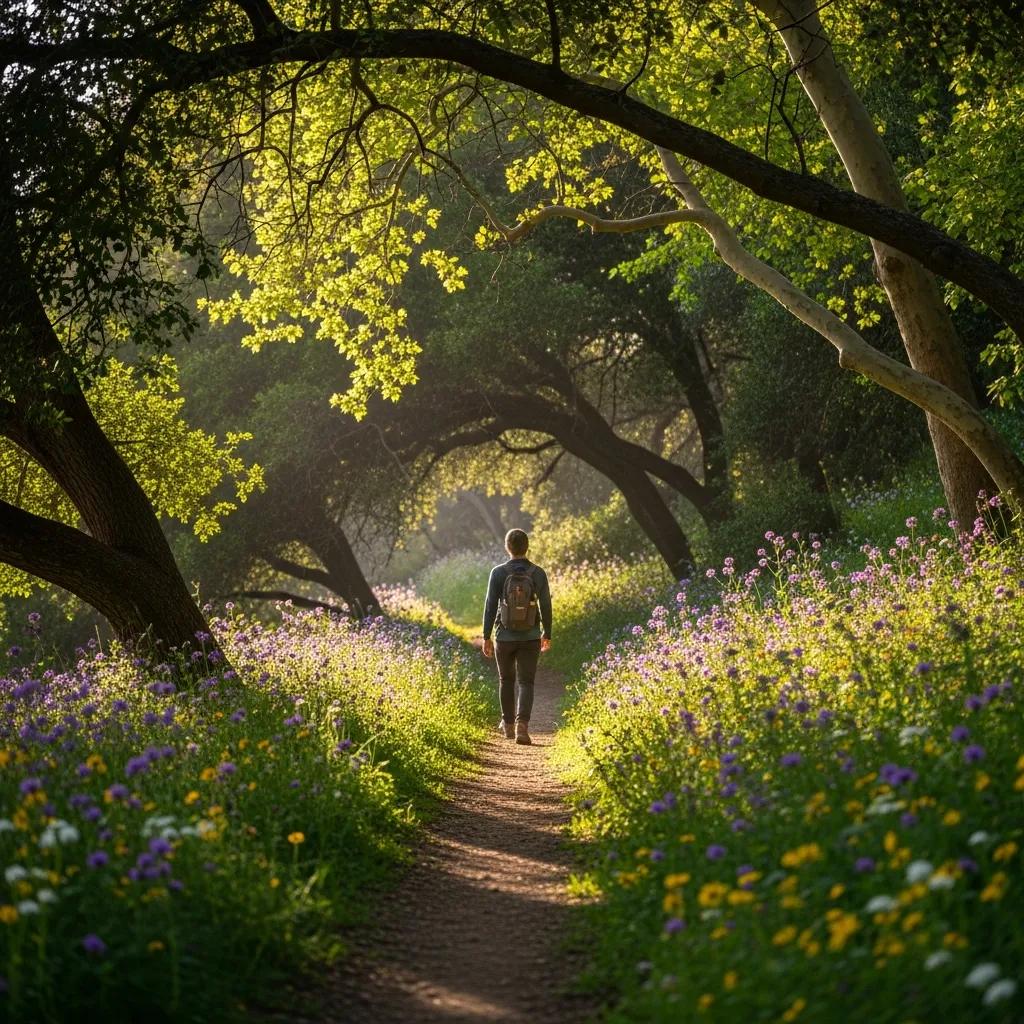
Outdoor recreation in Woodland Hills includes moderate aerobic activities like walking and cycling, nature-focused practices such as guided nature walks and forest bathing sessions, and low-impact movement like gentle trail hiking; these activities reduce stress by lowering cortisol, improving mood through increased serotonin and endorphins, and strengthening attention regulation via restorative attention mechanisms. Engaging in outdoor recreation for recovery delivers both physiological benefits (cardiovascular improvement, regulated sleep) and psychological gains (reduced rumination, improved self-efficacy). Short, regular sessions—20 to 40 minutes, most days—produce measurable mood and stress improvements, while longer weekly hikes support social connection and endurance. Below are top activities tailored for different recovery stages and accessibility needs, with local examples that illustrate low-barrier participation in Woodland Hills.
This list highlights four high-impact outdoor activities that support recovery and where to begin locally:
- Gentle Trail Walking: Short, shaded routes in nearby green spaces ease stress and build stamina while minimizing joint strain.
- Guided Nature Walks / Forest Bathing: Slow-paced immersion in natural settings promotes parasympathetic activation and mood improvement.
- Cycling on Low-Traffic Routes: Moderate cycling increases cardiovascular fitness and releases endorphins that reduce cravings and anxiety.
- Nature Observation / Birdwatching: Mindful observation cultivates attention restoration and reduces intrusive thoughts for people in early recovery.
These activities can be combined into a weekly plan that balances solitary restorative time and low-pressure social outings, which leads into specific local park and trail options below.
Which Parks and Trails Support Wellness and Stress Reduction?
Woodland Hills benefits from nearby green spaces and trailheads that provide varied terrain, shade, and accessible entry points suitable for different recovery needs. Topanga State Park and routes within the Santa Monica Mountains offer quieter trails and sweeping views that support stress reduction through exposure to natural vistas, while local neighborhood greenways and small pocket parks give low-barrier options for shorter restorative sessions. Shaded, looped trails with frequent resting points are ideal for early-stage recovery or people rebuilding endurance, whereas longer ridge hikes suit those seeking physical challenge and community hikes. When planning a visit, choose early mornings or late afternoons to avoid heat, bring water, and pair routes with a short grounding practice to maximize mood benefits.
This comparison shows that a mix of large natural areas and nearby urban green spaces provides options for everyone in recovery; selecting the right site depends on mobility, desired solitude, and session length.
How Does Nature Exposure Enhance Recovery and Mood?
Nature exposure enhances recovery by engaging multiple mechanisms: physiological calming through parasympathetic activation, cognitive restoration via attention replenishment, and social bonding when activities occur in groups—each contributing to reduced anxiety and improved mood. Recent studies indicate that even 20–30 minutes in green settings can lower cortisol and heart rate variability and improve self-reported well-being, while repeated weekly exposure strengthens resilience and sleep quality. For recovery, these mechanisms translate into fewer cravings, better emotional regulation, and increased motivation to maintain healthy routines. To use nature exposure effectively, aim for short daily green breaks and one longer weekly outdoor session, combining gentle movement with mindful presence to maximize both immediate relief and cumulative recovery benefits.
Where Can You Find Mind-Body Practices Like Yoga and Meditation in Woodland Hills?
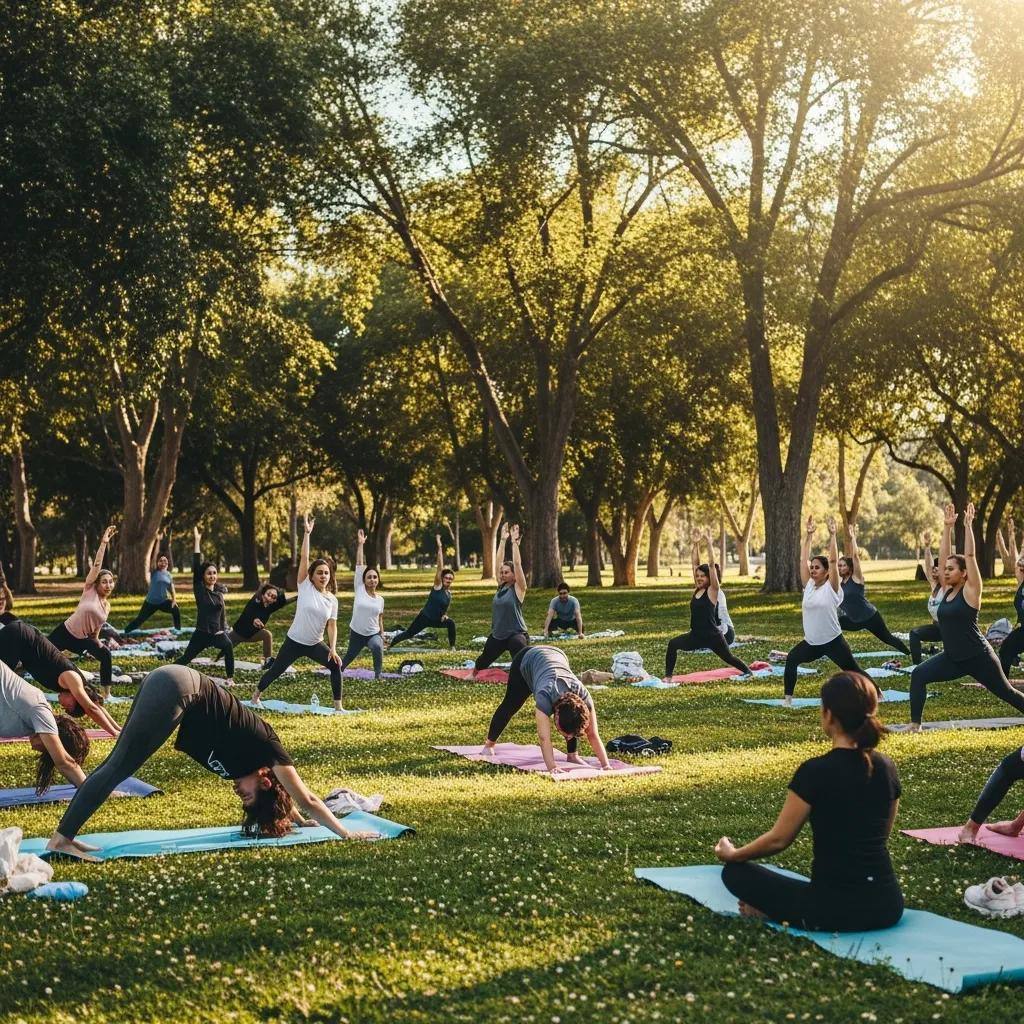
Mind-body practices encompass yoga, meditation, breathwork, Tai Chi, and Pilates—modalities that integrate physical movement, breath regulation, and focused attention to reduce stress, improve sleep, and strengthen self-regulation during recovery. These practices work by shifting autonomic balance toward relaxation, reducing inflammatory markers, and enhancing mood through improved sleep and cognitive control. In Woodland Hills, options range from community center classes and meditation meetups to studio-based recovery-focused sessions or outdoor group practices that harness nature as a supportive backdrop. When selecting modalities, consider intensity, trauma-informed instruction, and accessibility to ensure the practice supports recovery goals without triggering.
This comparison clarifies which modalities best match different recovery needs and shows that consistent, moderate practice yields the most durable wellness gains.
Local offerings include community classes at city recreation facilities, small studios that run recovery-focused mindfulness sessions, and outdoor group practices that combine breathing and movement in parks. Examples of local resource types include the Woodland Hills Recreation Center for low-cost classes, community centers hosting donation-based meditation meetups, and private studios offering structured yoga series; these give multiple entry points for people of varying budgets and physical capacities. Consider trying a community drop-in class first to assess instructor style and trauma-awareness before committing to a weekly series.
What Are the Benefits of Yoga and Meditation for Holistic Wellness?
Yoga and meditation improve physiological markers relevant to recovery—such as lowering resting heart rate and cortisol—while supporting psychological skills like emotional regulation, distress tolerance, and improved sleep hygiene. Practicing these modalities also strengthens interoception (awareness of bodily states), which helps people in recovery recognize and manage early signs of stress or craving. Regular short meditation sessions (10–20 minutes daily) enhance attentional control, and weekly yoga for 60 minutes supports flexibility and mood. For beginners, start with gentle, breath-focused classes and build frequency gradually; instructors trained in trauma-informed approaches help create safe environments that reduce retraumatization risk and support sustained engagement.
Which Local Studios and Classes Offer Recovery-Focused Mindfulness?
Finding recovery-friendly classes means looking for low-cost, trauma-informed, or community-based options with small class sizes and clear modification policies. Community centers and local libraries often list donation-based or sliding-scale meditation sessions and beginner yoga classes that emphasize accessibility. Private studios may run specialized recovery yoga or mindfulness series tailored to emotional regulation and relapse prevention, while outdoor group meditations bring together nature therapy and breathwork for added restorative benefit. When evaluating classes, ask about class pace, instructor qualifications, and whether the environment supports gradual exposure and modifications; these criteria help ensure the practice supports recovery without pressure.
How Do Creative and Social Activities Support Recovery and Emotional Well-being in Woodland Hills?
Creative and social activities act as expressive outlets and sources of social connectedness, both crucial for rebuilding identity and purpose during recovery. Arts-based activities like community art workshops or group music sessions allow nonverbal processing of emotions and reduce isolation while volunteer roles restore routine and social responsibility. In Woodland Hills, libraries, community art spaces, and small music groups offer accessible ways to engage; these settings often tolerate gradual participation and prioritize process over performance. Integrating creative work with social involvement—such as a group mural project or community choir—combines self-expression with belonging, which research links to lower relapse risk and sustained well-being.
This list offers low-pressure creative and social participation ideas that support recovery and how to start:
- Community Art Workshops: Drop-in painting or collage sessions that emphasize expression over technique.
- Group Music or Drumming Circles: Informal participation that builds social bonds and rhythmic regulation.
- Library Programs and Creative Meetups: Writing groups, book clubs, and guided workshops that foster routine and intellectual engagement.
Participating in any of these activities supports emotional processing and social reintegration and naturally leads into volunteer opportunities that create routine and purpose.
What Art Therapy and Music Groups Are Available Locally?
Formal art therapy—led by licensed therapists—differs from community creative groups by integrating clinical goals and therapeutic frameworks, while community art and music groups prioritize accessibility and self-expression without formal therapy goals. Woodland Hills residents can access both types: therapy-based programs in health settings or community-run workshops and music circles in libraries and recreation centers. For recovery, community groups are often a gentle first step that builds confidence, while formal art therapy may be appropriate when processing trauma or co-occurring mental health needs. To find inclusive options, look for programs that advertise low-pressure attendance, confidentiality, and facilitator experience with diverse populations.
How Can Community Engagement and Volunteering Promote Wellness?
Volunteering and community engagement foster purpose, schedule, and social networks—three elements strongly associated with sustained recovery outcomes. Practical local volunteer options include park cleanups, library assistance, and community center support; each provides manageable time commitments and immediate social feedback that reinforce self-worth. Short, regular volunteer shifts (1–3 hours weekly) help structure days, reduce idle time associated with relapse risk, and offer opportunities to practice social skills in a supportive setting. To get started, choose roles with clear tasks, flexible schedules, and opportunities to pair with a buddy or support person to ease initial participation.
- Park cleanup crews and community garden projects offer outdoor social connection and nature-based meaning.
- Library and literacy programs create low-pressure roles centered on service and routine.
- Recreation center volunteer roles often involve event support and provide structured pathways into broader community engagement.
These volunteer forms not only restore purpose but also create bridges to other wellness activities, supporting a layered recovery plan.
What Local Resources and Support Networks Enhance Wellness and Recovery in Woodland Hills?
A compact directory of Woodland Hills resources helps connect readers to accessible support groups, wellness workshops, and healthy-eating options that reinforce recovery routines. Local community centers and libraries frequently post schedules for support groups and workshops, while specialized wellness and recovery providers offer targeted programming and classes. Below is a concise resource table listing common types of services, cost accessibility, and brief notes on community reach to guide next steps for people seeking in-person or hybrid support options.
This directory highlights the range of entry points for wellness; decisions should factor in cost, facilitator training, and group format to ensure the best fit for recovery needs.
Which Support Groups and Wellness Workshops Are Accessible?
Accessible support groups and workshops can be found through city recreation calendars, library event listings, and community centers that prioritize low-cost or donation-based programming. When choosing a group, assess format (open vs closed), facilitator experience, and whether content aligns with your recovery focus—peer support groups often emphasize lived experience, while professionally facilitated workshops may teach specific skills like relapse prevention or stress management. If local in-person options are limited, hybrid or online groups can supplement community involvement; ensure online groups follow evidence-based facilitation standards and offer confidentiality. Before attending, ask about group size, confidentiality policies, and whether a buddy system or intake process exists to support your first visit.
Where to Find Healthy Eating Options and Holistic Wellness Services?
Healthy eating and holistic services support recovery by stabilizing energy, improving mood, and reducing inflammation, which together support mental health and relapse prevention. Local options include farmers markets for seasonal produce, health-focused cafes offering balanced meals, and nutrition workshops that teach practical meal planning on a budget. When seeking practitioners or classes, look for those that address dietary accommodations and emphasize whole-food approaches rather than restrictive diets. Practical strategies include planning simple balanced meals, using community market offerings to reduce grocery costs, and attending brief nutrition workshops to build skills for long-term dietary patterns that support recovery.
How Can You Choose the Right Healthy Activity for Your Recovery and Wellness Journey?
Choosing the right healthy activity requires weighing personal interest, fitness level, recovery stage, accessibility, and cost to create a sustainable plan that builds momentum without overwhelming capacity. Begin by matching activities to your current energy and support needs: gentle yoga or short nature walks suit early recovery, while group hikes or community service roles may fit later stages with stronger stamina and social confidence. Safety and pacing matter: gradual progression, trauma-informed instruction, and a buddy system reduce risk and increase adherence. Use the stepwise starter plan below to trial activities safely and iteratively adapt based on outcomes and enjoyment.
- Identify interests and physical capacity to shortlist suitable activities.
- Trial one low-commitment class or short outdoor session to assess fit.
- Set a small, measurable goal (e.g., two 20-minute sessions per week) and track progress.
These steps create a simple feedback loop—try, reflect, adjust—that supports sustained participation and gradual recovery gains.
What Factors Should Influence Your Activity Selection?
Key selection factors include current fitness and mobility, recovery stage and emotional readiness, potential triggers or trauma sensitivities, schedule constraints, and budget limitations. For beginners or those in early recovery, prioritize low-intensity, trauma-informed classes, short outdoor sessions, and activities with flexible attendance that reduce pressure to perform. Those with higher fitness or later-stage recovery can add more structured modalities like cycling or Pilates. Safety considerations include consulting healthcare providers for physical limitations and choosing instructors aware of trauma-informed practices to prevent reactivation. Matching activities to these factors improves adherence, reduces risk, and increases the therapeutic value of participation.
How to Get Started with Woodland Hills Wellness Activities Safely?
Begin with a five-step starter plan to launch local wellness activities safely: choose one low-barrier activity, set a small time-based goal, bring a support person or notify someone of your plans, check accessibility and weather, and pace effort with built-in rest. Start with short durations—20 to 30 minutes—and increase by 5–10 minutes each week as tolerated; keep a simple log of mood and energy to guide adjustments. If uncertain about physical limitations, seek a brief professional consult before undertaking new exercise, and prioritize classes with clear modification options and trauma-aware instructors. These precautions allow steady progress while preserving safety and mental well-being.
- Choose one accessible activity and set an immediate, measurable goal.
- Bring a buddy or inform a trusted contact of your plans and return time.
- Use gradual progression and rest; check in with a healthcare provider if needed.
Following this plan builds routine and confidence while minimizing risk and supports longer-term recovery by emphasizing consistency over intensity.
Local Examples and Service Mentions
As you explore Woodland Hills options, local entities provide entry points for recovery-focused activities: the Woodland Hills Recreation Center offers municipal programs and green spaces that host movement and community events, and specialized wellness providers listed in local directories run workshops and classes that complement city offerings. In addition, several recovery and wellness centers in the regional search landscape provide structured programs and specialty workshops; these organizations can be useful when looking for targeted, paid services or specialized support. Use municipal calendars and community listings to compare schedules, cost, and format to find what best fits your recovery plan.
This article has outlined practical activities, evidence-based mechanisms, local resource types, and a clear starter framework to help Woodland Hills residents and visitors translate recovery goals into sustainable wellness routines.