
Guided Meditations to Relieve Anxiety and Stress: Effective Techniques and Benefits
Guided meditation is a structured practice where a narrator or recording leads attention, breath, and imagery to activate the relaxation response and reduce anxious arousal. Readers will learn how guided meditation works physiologically and psychologically, which techniques reliably reduce anxiety, and practical routines for integrating short and sustained sessions into daily life. Many people experience persistent worry, racing thoughts, or sleep disruption that make day-to-day functioning difficult; guided meditations provide stepwise prompts that redirect attention, regulate breathing, and reduce sympathetic nervous system dominance to restore calm. This article explains core guided meditation methods (breath awareness, body scan, visualization, progressive relaxation), summarizes contemporary evidence showing reductions in subjective anxiety and physiological stress markers, and offers ready-to-use scripts and routines for acute relief and long-term resilience. You’ll also find quick comparison tables to choose the right technique, answers to common questions about session length and effectiveness, and habit-building strategies to make meditation a reliable tool for stress management.
What Is Guided Meditation and How Does It Help Anxiety and Stress?
Guided meditation is a practice where verbal cues, structured prompts, or recorded audio guide attention through breath, bodily sensations, or imagery to induce relaxation and cognitive reframing. The technique reduces anxiety by slowing breath, shifting attention away from ruminative loops, and engaging the parasympathetic nervous system to lower heart rate and physiological arousal. Practically, guided sessions create predictable mental scaffolding that helps beginners sustain focus and experience rapid reductions in tension, which translates into better sleep and clearer thinking. The next subsections define core techniques and then explain the physiological and psychological mechanisms so you can match methods to your needs.
Defining Guided Meditation and Its Core Techniques
Guided meditation commonly uses four core techniques: breath awareness, body scan, visualization, and progressive muscle relaxation, each providing a distinct pathway to calm. Breath awareness directs attention to inhale-exhale cycles to slow respiration and stabilize the nervous system, while body scans map attention through sensations to dissipate localized tension and restore interoceptive balance. Visualization engages calming imagery—safe places or slow-moving scenes—to replace distressing thoughts with soothing sensory detail, and progressive relaxation alternates tension and release across muscle groups to signal safety to the brain. A short micro-script to illustrate: “Breathe in for four counts, hold two, breathe out for six; imagine warm light filling your chest with each inhale,” which introduces immediate physiological slowing and emotional downregulation for on-the-spot relief.
How Guided Meditation Activates Relaxation and Reduces Anxiety
Guided meditation decreases anxiety by engaging top-down attention control while triggering bottom-up parasympathetic processes that reduce fight-or-flight activity. Focusing on breath or sensations increases vagal tone and can raise heart rate variability, a marker of adaptive stress regulation, which helps buffer exaggerated stress responses over time. Psychologically, guided prompts interrupt worry cycles by occupying working memory with present-moment tasks and by offering cognitive reframing—shifting appraisal from threat to manageable sensation—so distressing thoughts lose intensity. Understanding these mechanisms makes it easier to select a practice that targets either physiological arousal (breathwork) or cognitive rumination (visualization and structured scripts), which we’ll compare next to help you choose a best-fit technique.
Which Guided Meditation Techniques Are Best for Anxiety and Stress Relief?
Guided meditations vary in approach and are most effective when matched to the symptom profile: breathwork for acute arousal, body scan for generalized tension, and visualization for intrusive worry or anticipatory anxiety. Recent practical guidance ranks three high-utility techniques—breath awareness, body scan, and guided imagery—based on immediacy of effect and ease of practice, helping readers quickly pick a method for specific moments. The following sections lay out actionable how-to steps and give recommendations for session durations and formats, followed by a comparison table summarizing typical durations and primary benefits to make selection simple.
Guided meditation techniques compared in practice:
- Breath Awareness: Use paced breathing patterns to slow the nervous system and reduce immediate panic or high arousal.
- Body Scan: Move attention slowly through the body to discharge muscular tension and foster present-moment grounding.
- Guided Visualization: Replace catastrophic mental images with calming, sensory-rich scenes to lower cognitive rumination.
These options provide a flexible toolkit for situational or daily use; the table below helps you choose the fastest route to relief depending on time and symptom severity.
Different techniques suit different goals; the table that follows highlights typical durations and benefits to guide selection.
This comparison clarifies that short breathwork is ideal for immediate relief, while body scans and progressive relaxation yield broader somatic regulation across longer sessions. Choose the technique that aligns with your immediate need, and the next subsections show specific breathing patterns and body-scan steps you can use right away.
Breath Awareness and Calming Breathing Exercises
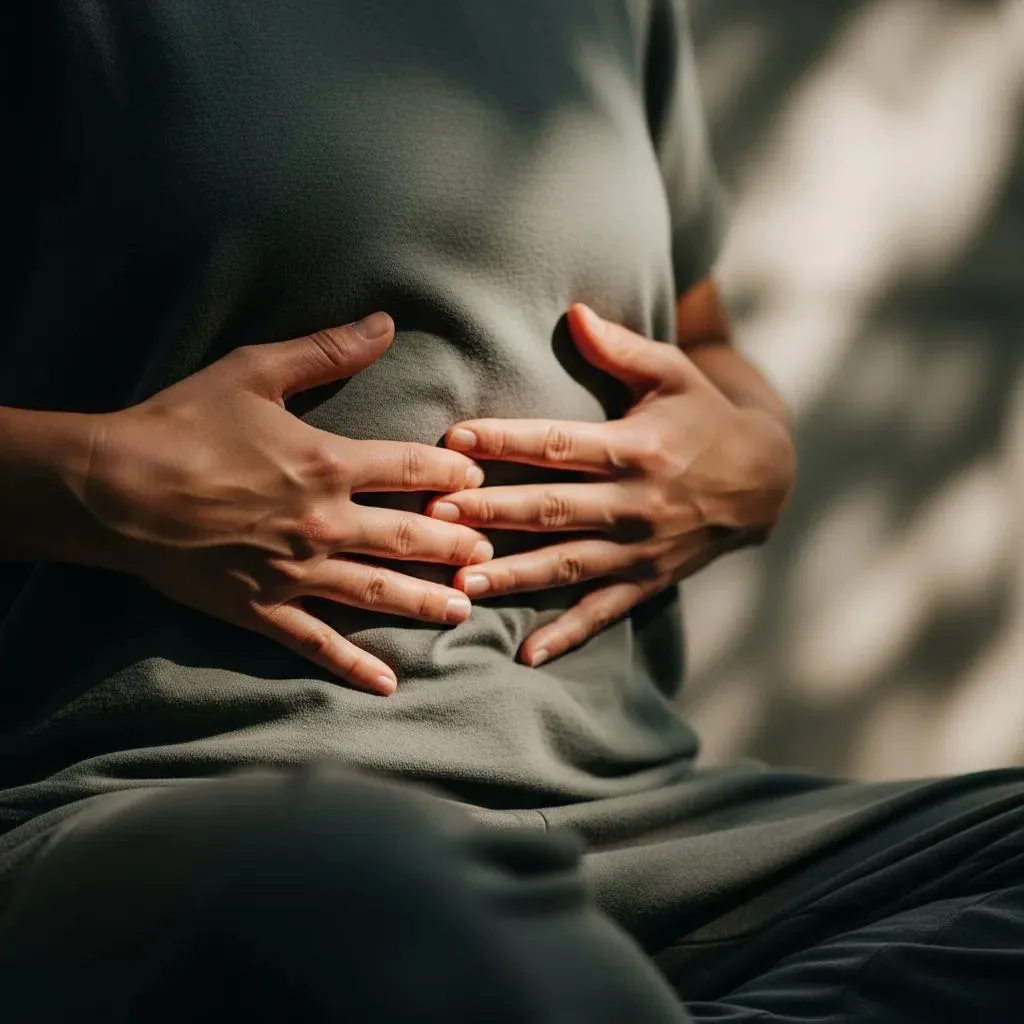
Breath awareness involves purposeful, paced breathing patterns that decrease sympathetic activation by lengthening exhalation and stabilizing respiratory rate. A practical pattern is 4-4-6 breathing: inhale for four counts, hold for four, exhale for six, repeated for two to five minutes to lower heart rate and interrupt panic physiology. Another effective cue is box breathing—inhale four, hold four, exhale four, hold four—which helps restore a sense of control and clarity in moments of acute stress. Use short scripts like “Notice your belly rise as you inhale, then soften and release on the exhale” to anchor attention and produce immediate calming; practice these patterns during breaks or when noticing the first signs of tension.
Body Scan and Mindfulness Practices for Emotional Regulation
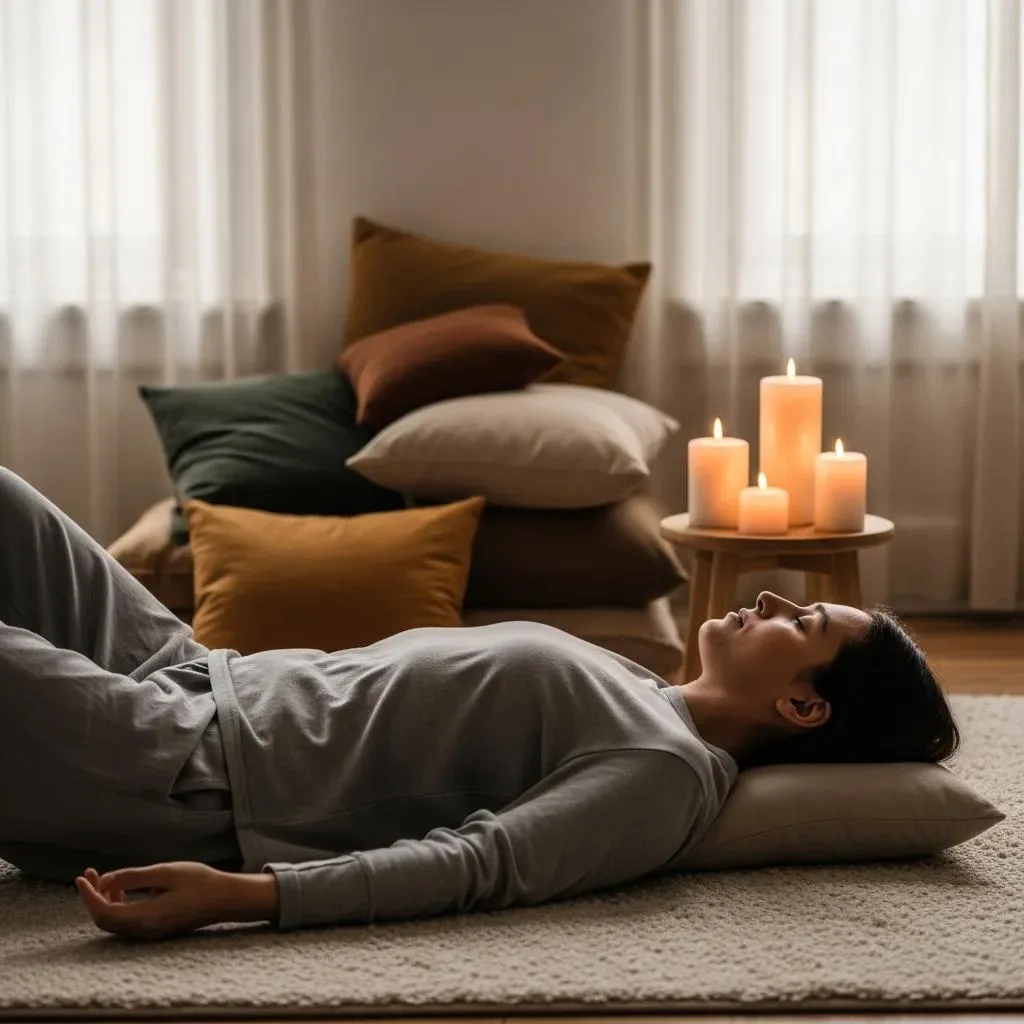
A body scan guides attention sequentially through body regions, inviting observation without judgment and encouraging release of held tension to regulate emotions over time. Begin by focusing on the feet for several breaths, notice sensations without trying to change them, then slowly move attention upward—calves, thighs, hips, abdomen, chest, shoulders, arms, hands, neck, and face—spending several breaths at each region to foster body awareness.
Short session templates include:
- 5-minute quick scan focusing on shoulders and diaphragm
- 10-minute full-body scan
- 20-minute deep practice that includes breathing cues and soft imagery to enhance relaxation
When the mind wanders, acknowledge the distraction and gently return to the point of focus; this attention training reduces reactivity to intrusive thoughts over weeks of regular practice.
How Can Guided Meditations Be Tailored for Specific Anxiety and Stress Needs?
Guided meditations can be adapted into rapid-response scripts for panic, situational protocols for social or work anxiety, and specialized pre-sleep sequences for nighttime rumination, enabling targeted relief across contexts. Tailoring involves adjusting duration, sensory emphasis, and cueing style—short, directive breath cues for panic; grounding prompts and present-moment observation for social anxiety; and slow progressive relaxation with breath-led imagery for sleep. The following subsections provide concrete scripts and situational advice so you can select an approach that fits the type and intensity of your symptoms.
When designing tailored practices, consider severity and setting, and use concise scripts for immediate safety while reserving longer practices for building resilience.
Meditations for Panic Attacks, Social Anxiety, and Work-Related Stress
Rapid-response meditations for panic and acute stress focus on grounding and breath stabilization to quickly reduce hyperventilation and catastrophic thinking.
Plant your feet, name five things you see, four things you feel, three things you hear, breathe in for three, out for five.
For social or performance anxiety, a short pre-event routine—two minutes of diaphragmatic breathing, a 60-second body-scan focusing on shoulders and jaw, and a brief positive anchor phrase—helps reduce anticipatory tension and improve presence. If symptoms are severe or persistent, these practices complement rather than replace professional mental health care, and seeking clinical support is advised when panic interferes with daily functioning.
Sleep-Focused Guided Meditations to Improve Rest and Reduce Anxiety
Sleep-focused meditations use slow rhythm breathing, progressive relaxation, and imagery that fosters safety and detachment from daytime worries to reduce nighttime rumination and improve sleep onset.
A recommended pre-sleep routine:
- dim lights 30 minutes before bed
- perform a 10–15 minute guided body scan emphasizing softened jaw and abdomen
- then conclude with a three-minute breath pattern of 4-6 counts to prepare the nervous system for sleep
Imagine each exhale washing away the day’s thoughts like waves retreating; let the body grow heavier with each breath.
Combine these meditations with consistent sleep hygiene—regular schedule, limited screens, and a cool, dark environment—to maximize restorative sleep benefits and reduce anxiety-driven awakenings.
What Is the Scientific Evidence Supporting Meditation for Anxiety and Stress?
Current research indicates that guided meditation and mindfulness-based programs produce small to moderate reductions in anxiety symptoms and physiological stress markers when practiced consistently. Meta-analyses of randomized controlled trials show improvements in self-reported anxiety, depressive symptoms, and stress-related outcomes across clinical and nonclinical populations, with greater effects observed when practice is sustained for several weeks. The next subsections summarize representative findings and describe how meditation influences physiological markers such as heart rate variability and cortisol, helping readers interpret research and apply findings to daily practice.
Below is a concise table summarizing selected research-style entries to give readable, actionable insights into study designs and key outcomes.
These study-style summaries indicate that both brief guided practices and structured multi-week programs can reduce anxiety; single-session techniques often yield immediate physiological change, while longer programs support sustained symptom reduction and resilience. The following subsection explains the physiological pathways that mediate these benefits in accessible terms.
Research Findings on Meditation’s Impact on Mental Health and Well-being
Recent analyses and randomized trials document that guided meditation lowers subjective anxiety, improves mood, and enhances quality of life across diverse adult samples, with greater benefit for individuals who maintain regular practice. Effect sizes vary by study design and population, but consistent patterns show that structured programs (e.g., 6–8 week courses) produce more durable changes than single sessions, while short guided tracks reliably reduce acute arousal. Limitations include variable control conditions and reliance on self-report measures, but the overall evidence supports meditation as an evidence-based adjunct for stress management. These findings guide practical expectations: use brief guided meditations for immediate relief and structured programs for long-term symptom reduction.
How Meditation Influences the Parasympathetic Nervous System and Stress Response
Meditation influences stress physiology by increasing parasympathetic activity—often measured as enhanced heart rate variability—and by reducing hypothalamic-pituitary-adrenal axis activation, which can lower cortisol over time. Simple breath-focused practices prolong exhalation relative to inhalation, which stimulates the vagus nerve and signals safety to the brain, producing measurable declines in heart rate and muscular tension within minutes. Over weeks of practice, these repeated activations of relaxation pathways can shift baseline stress reactivity downward, making stressful situations feel less overwhelming. Observing changes can be as simple as noticing lower resting tension, easier sleep, or quicker recovery after an upsetting event, which encourages continued practice.
How Can You Integrate Guided Meditation into Daily Life for Lasting Stress Relief?
Integrating guided meditation into daily life relies on micro-practices, habit stacking, and predictable scheduling to transform intermittent relief into lasting stress resilience. Short practices—two to five minutes—work well for habit formation and acute relief, while medium sessions of 10–20 minutes build attention capacity and emotional regulation over time. Below are practical routines and habit-forming tips, followed by strategies for combining meditation with other wellness practices to create a holistic stress-reduction plan.
Practical micro-practices and routine examples:
- Morning 5-minute breath: Start the day with a 5-minute breath-awareness practice to set a calm baseline.
- Midday 10-minute body scan: Use a lunchtime body scan to release accumulated tension and reset focus.
- Evening 15-minute guided relaxation: End the day with progressive relaxation or guided imagery to support sleep and recovery.
These sample routines illustrate how short, timed practices before and after predictable daily anchors—like brushing teeth or lunch—help sustain regularity and reinforce the habit loop. The next subsection explains how to combine meditation with complementary practices such as journaling or gentle movement for amplified effects.
Practical Tips and Routines for Consistent Meditation Practice
Forming a reliable meditation habit is easier when practices are short, scheduled, and linked to existing behaviors—an approach known as habit stacking that leverages context cues for consistency. A sample weekly plan might include a 5-minute morning breath practice on weekdays, a 10-minute body scan three afternoons per week, and a 20-minute guided session on weekends; tracking progress in a simple log reinforces adherence and highlights measurable benefits. Use reminders tied to daily activities (after morning coffee, before bedtime), choose a consistent physical location, and allow flexibility—missing a session is not failure but feedback for adjusting timing. Persistence yields cumulative benefits: attention control, emotional regulation, and improved stress resilience typically become noticeable after several weeks of steady practice.
Combining Meditation with Mindfulness and Other Wellness Practices
Meditation integrates well with journaling, gentle movement (walks or yoga), and sleep hygiene to create a comprehensive approach to stress management that addresses cognition, physiology, and behavior. For example, pairing a 10-minute guided body scan with five minutes of reflective journaling can help process emotions surfaced during practice and clarify next steps, while gentle yoga before a longer guided relaxation session eases bodily tension and primes the nervous system for deeper calm. When symptoms exceed self-help strategies, combining meditation with professional therapy or medical care ensures safety and efficacy; clinicians often recommend integrated plans for moderate-to-severe anxiety. These combined practices support both immediate symptom relief and long-term wellbeing, which encourages continued engagement.
What Are Common Questions About Guided Meditation for Anxiety and Stress?
People commonly ask how long they should meditate, whether guided meditation can “cure” anxiety, and how quickly results appear; clear, evidence-informed answers set realistic expectations and guide action. Guided meditation reliably reduces acute arousal within minutes and contributes to longer-term anxiety reduction across weeks of consistent practice, but it is not a guaranteed cure for clinical anxiety disorders. The following short Q&A subsections address these core concerns concisely, helping readers determine practical next steps and when to seek professional help.
How Long Should I Meditate to Relieve Anxiety and Stress?
Immediate relief often occurs within 2–10 minutes of targeted breathing or grounding guided meditations, while daily practice of 10–20 minutes supports cumulative improvements in attention, emotional regulation, and baseline anxiety over weeks. For fast-acting relief, brief 2–5 minute breath or grounding scripts can interrupt panic or rumination, whereas committing to 8–12 weeks of 10–20 minute daily sessions typically produces more durable symptom reductions. Tailor duration to your schedule: even short micro-practices repeated consistently will compound into significant benefits, and tracking progress helps refine the optimal session length for your needs.
Can Guided Meditation Cure Anxiety and How Quickly Does It Work?
Guided meditation reduces symptoms and builds coping capacity but should not be framed as a categorical cure for clinical anxiety disorders; it is most effective as an adjunctive tool that complements therapy and medication when needed. Research indicates that some people experience noticeable symptom relief within one to several weeks of regular practice, with larger, sustained changes emerging after 8–12 weeks of consistent sessions; however, individual timelines vary by baseline severity, practice quality, and accompanying supports. If anxiety is severe, persistent, or disabling, seek professional assessment—guided meditation can be a powerful supportive strategy but may need to be integrated into a broader treatment plan.
- Practice consistently: Even brief daily sessions compound into significant improvements over weeks.
- Match technique to need: Use breathwork for acute distress and longer body scans for general regulation.
- Combine with other supports: Journaling, sleep hygiene, movement, and professional care amplify benefits.
These action-oriented steps summarize practical next moves and point readers toward routine-building and escalation when necessary.