


Find Your Local Detox Haven
Taking the step to find a nearby detox center is often the most practical move toward a safer, more organized recovery. Medical detox offers supervised withdrawal care that stabilizes physical health, lowers immediate risk, and creates a clear path into ongoing treatment. This guide explains what medical detox does, how clinicians manage withdrawal, and what a typical day looks like so you know what to expect when searching for “detox centers near me.” We also cover how to choose a trustworthy facility, compare program types, and outline common next steps after detox—like inpatient rehab or intensive outpatient programs. Practical sections on counseling, family involvement, and admissions and insurance simplify the process with checklists and tables designed to reduce delay and make taking the next step easier and less stressful. Throughout, our focus is safety, continuity of care, and removing barriers so you and your family can move forward with confidence.
What Is Medical Detox and How Does It Support Your Recovery?
Medical detox is a clinical process that safely manages physical withdrawal under professional supervision so patients can stabilize and transition into ongoing treatment. Care teams monitor vitals, assess medical and psychiatric needs, and use medically appropriate interventions to manage symptoms until withdrawal subsides and a treatment plan is in place. The main benefits are increased safety, symptom control, and a structured referral into rehabilitation services—factors that reduce immediate complications and the chance of early relapse. Knowing these goals helps set realistic expectations about how long detox lasts, how intense it can be, and why following detox with structured care matters. The next sections describe daily routines during detox and the clinical strategies commonly used to manage withdrawal safely.
Most detox programs begin with a thorough intake assessment documenting substance use history, medical conditions, and current medications. That evaluation guides monitoring frequency, medication choices, and whether a higher level of care is needed; it also forms the basis for an individualized treatment plan. Intake starts privacy protections and discharge planning from day one, ensuring there’s a clear pathway to therapy or residential care after detox. Clear intake procedures reduce delays and support rapid, safe admission for people in crisis.
Medical detox offers three primary clinical benefits:
- Safety through monitoring: Regular vital-sign checks and clinical observation lower the risk of severe withdrawal complications.
- Symptom management: Clinically supervised treatments ease distressing symptoms and help patients remain medically stable.
- Connection to care: Detox links people to counseling, residential rehab, or outpatient programs so recovery continues after stabilization.
These benefits make medical detox the first step in many recovery plans and lead naturally into a closer look at what a typical detox day entails.
What Happens During a Medical Detox Program?

Medical detox starts with an intake that includes a physical exam, psychiatric screening, and a medication review to identify risks and create a stabilization plan. In the first 24–72 hours, staff closely monitor vital signs, address pain and withdrawal symptoms, and provide supportive care like hydration and nutrition to restore baseline health. Clinical teams protect privacy, document progress, and adjust monitoring or the level of care if complications arise. They also begin discharge planning early, discussing next-step options with the patient so the transition to ongoing treatment is seamless. Daily routines typically mix brief medical checks with short therapeutic contacts, education about relapse prevention, and coordination with family or support networks.
A typical day in detox balances medical oversight with simple structure: morning vitals and medication checks, symptom rounds, brief counseling or education groups, time to rest, and evening monitoring. That predictability reduces anxiety and lets patients focus on stabilization rather than logistics. Staff explain each step so patients understand what’s happening and why, and transitions to higher levels of care are arranged when clinically appropriate to continue recovery beyond the detox window.
How Are Withdrawal Symptoms Managed Safely?
Managing withdrawal relies on clinical assessment and evidence-informed practices that prioritize safety and comfort without promising unrealistic outcomes. Clinicians use standardized symptom scales and frequent observation to determine severity and whether escalation or hospitalization is required. Supportive measures—such as hydration, nutrition, and brief counseling—work alongside symptom-targeted medications when indicated to ease distress and stabilize physiology. Facilities keep clear escalation protocols for complications and maintain privacy and documentation throughout care.
Patients are reassured through transparent communication about monitoring schedules, criteria for medication use, and how the team will respond to emergencies. This combines medical oversight with emotional support and reinforces that detox is a safety-first step, not a complete treatment on its own.
How to Choose the Right Detox Center Near Me?
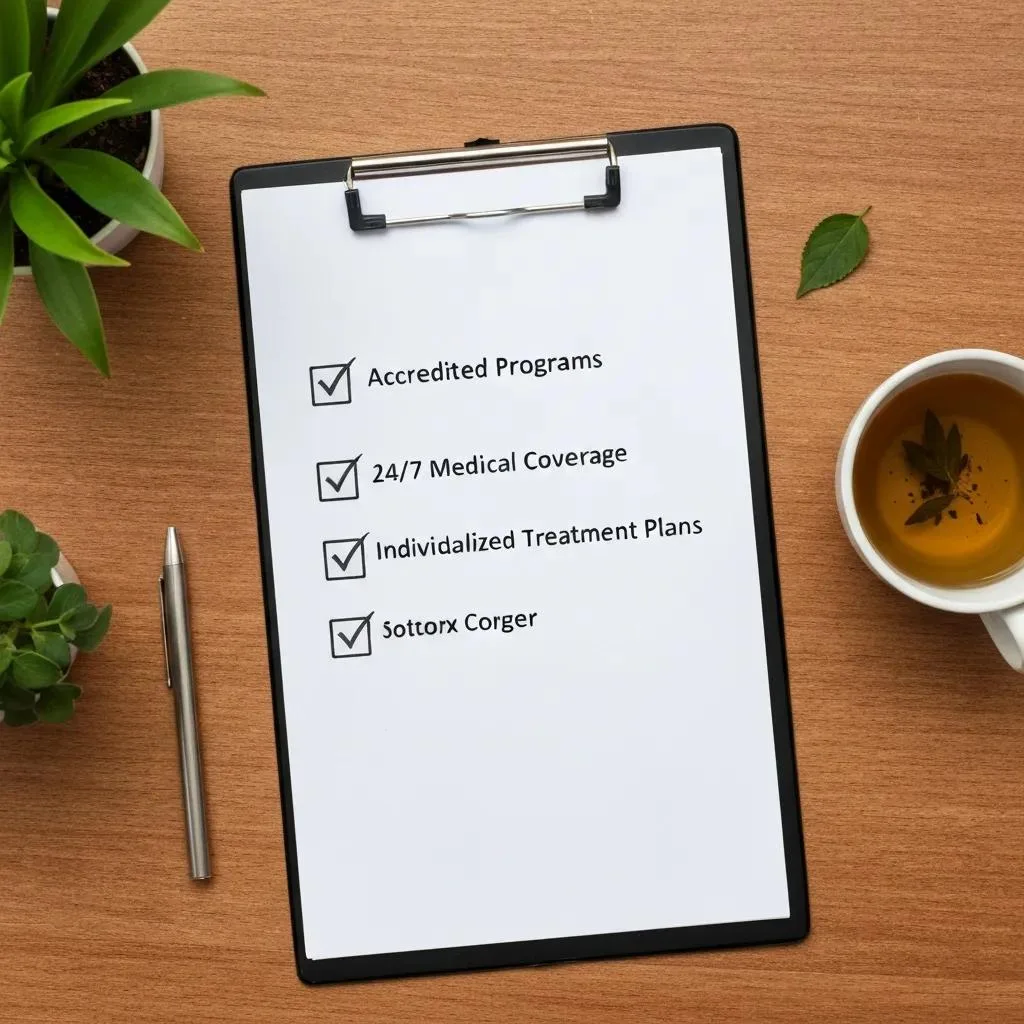
Choosing the right detox center starts with a short checklist of practical criteria that affect safety, continuity of care, and long-term outcomes. Look for accredited programs with 24/7 medical coverage, clear intake and discharge planning, experience treating the substance(s) in question, and transparent information about costs and insurance help. Evaluating staffing levels, integrated counseling, and privacy safeguards ensures the center meets both clinical needs and personal comfort. Use the checklist below to compare nearby options and prioritize calls or visits with centers that match the clinical profile and logistics you need.
When you evaluate options, ask specific questions about credentials, medication-assisted treatment pathways, and how the center connects patients to longer-term rehab or outpatient services. Think about whether proximity to family or distance from triggers will best support recovery—both can influence engagement and relapse risk. The right facility balances clinical quality with the practical realities of a person’s life and recovery goals. The next section highlights concrete features that indicate a high-quality program.
Key features of quality detox centers include:
- 24/7 medical oversight with physicians and nursing staff available around the clock.
- Individualized treatment plans that address medical, psychiatric, and social needs.
- Clear aftercare planning that links detox to inpatient, outpatient, or community supports.
- Transparent billing and insurance assistance to reduce barriers to admission.
These basics protect safety and continuity; the following subsection explains how the facility’s environment and location can affect recovery outcomes.
To make this concrete: Emulate Treatment Center emphasizes clear, structured care, practical guidance, and privacy while providing medical detox, inpatient care, outpatient support, and counseling. Their non-pressured, action-oriented intake and support with next steps help many people move from crisis to a planned recovery pathway.
What Are the Key Features of Quality Detox Centers?
High-quality detox centers combine continuous medical oversight, individualized assessments, integrated counseling, and clear discharge plans to lower relapse risk after stabilization. Staff experience and appropriate staffing ratios matter because seasoned clinicians detect and respond to complications more quickly. Integrated behavioral-health supports address co-occurring mental health needs, and strong privacy practices—secure records and confidential intake conversations—encourage honest disclosure that improves care. Facilities that document handoffs to long-term treatment or outpatient programs help make detox the start of a sustained recovery path rather than a single episode.
These features protect physical health during withdrawal and set expectations for follow-up care. Knowing a facility’s policies on family involvement, medication management, and aftercare referrals helps you pick a program that fits your recovery needs.
How Does Location and Facility Environment Impact Recovery?
Location and environment matter for both practical follow-up and emotional recovery from triggers and stress. Being close to family may improve support and follow-up attendance, while choosing a facility farther from daily triggers can reduce relapse risk during early recovery. Amenities like private rooms, quiet common areas, and access to counseling spaces improve comfort, but clinical priorities—staffing and medical resources—should outweigh luxury when safety is the main concern. Transportation, local outpatient options, and community resources also shape aftercare planning and long-term engagement.
Balancing proximity and distance requires honestly assessing personal triggers, family dynamics, and local supports; use that assessment to guide your final choice and aftercare plan.
What Are the Different Types of Detox Programs Available?
Detox programs differ by setting and substance-specific needs, with choices guided by withdrawal severity, medical comorbidities, and social supports. Residential inpatient programs offer round-the-clock supervision for high-risk withdrawals, while outpatient options let patients go home between clinic visits when risks are lower. Substance-specific programs—like those for alcohol or opioids—reflect different timelines, risks, and clinical supports. Comparing program attributes helps match clinical need to the appropriate level of care. The table below summarizes common program types and their usual characteristics.
This comparison clarifies how setting and substance affect the intensity of supervision patients should seek. The next section focuses on clinical differences between alcohol and opioid detox pathways to help guide decisions.
How Do Alcohol and Opioid Detox Programs Differ?
Alcohol and opioid withdrawal carry different clinical risks and therefore different monitoring and intervention priorities. Alcohol withdrawal can escalate to life-threatening complications for some people and often requires higher-intensity inpatient monitoring early on. Opioid withdrawal is intensely uncomfortable and medically significant but is less likely to be immediately fatal when managed appropriately. Both pathways emphasize symptom assessment, supportive care, and prompt referral to ongoing treatment, but alcohol-focused programs generally maintain closer observation in the early phase. Program choice depends on history of heavy use, prior withdrawal complications, co-occurring medical conditions, and social supports.
Patients and families should share prior withdrawal history and medical details during intake so clinicians can select the safest level of care. The clinical team will match monitoring and supportive strategies to the substance and the patient’s overall risk profile.
What Are Inpatient vs. Outpatient Detox Options?
Inpatient detox provides continuous observation, immediate clinician access, and a structured environment that minimizes exposure to triggers—making it suitable for high-risk cases or complex medical histories. Outpatient detox offers more flexibility, letting patients keep home responsibilities while attending scheduled clinic visits for monitoring and medication adjustments. Considerations include cost, time commitment, family obligations, and the stability of the home environment—patients with unstable housing, severe psychiatric comorbidity, or prior complicated withdrawals typically benefit from inpatient care. Outpatient programs work well for people with strong home supports, reliable transportation, and lower clinical risk.
A clear decision rests on clinical assessment and an honest evaluation of home stability and support networks; clinicians weigh these factors during intake when recommending the appropriate level of care.
What to Expect After Detox: Inpatient and Outpatient Treatment Options
Once detox has stabilized immediate medical risk, a planned transition into ongoing treatment is essential to lower relapse risk and address the behavioral-health aspects of substance use disorder. Continued care can include residential rehabilitation, intensive outpatient programs (IOP), partial hospitalization programs (PHP), or routine outpatient counseling—each varying in intensity and duration. Effective post-detox planning matches clinical needs and life obligations with programs that offer evidence-based therapies, medication-assisted options when appropriate, and peer support for long-term recovery. The table below compares common aftercare pathways to help you see which options match different recovery goals and life circumstances.
Transition planning should begin before discharge from detox so patients leave with scheduled appointments and a clear support network. Emulate Treatment Center emphasizes continuity of care by coordinating appropriate inpatient or outpatient placements after detox stabilization, focusing on supportive handoffs and reducing gaps in services.
What Are the Benefits of Inpatient Detox Facilities?
Inpatient detox facilities provide continuous medical oversight, immediate emergency response access, and a structured setting that reduces exposure to triggers. The concentrated therapy schedule and peer support in residential settings also enable intensive behavioral work and skill building. Tradeoffs include more time away from home and potentially higher costs, but these are often balanced by the safety and focused treatment intensity inpatient care offers for higher-risk individuals. Decisions to choose inpatient care are typically based on withdrawal severity, co-occurring medical or psychiatric conditions, and the need to remove patients from harmful environments.
Understanding these tradeoffs helps patients and families weigh short-term disruption against greater safety and therapeutic benefit when deciding on post-detox care.
How Do Outpatient Programs Support Long-Term Recovery?
Outpatient programs—like IOP and standard counseling—integrate therapy into daily life so patients can keep family, work, and community responsibilities while getting structured support. These programs are flexible and can be stepped up or down based on progress, serving as a bridge between intensive care and long-term maintenance. Core benefits include access to evidence-based therapies, relapse-prevention skills training, and peer support without the disruption of a residential stay. For many people, outpatient care supports sustainable recovery when paired with stable housing, family involvement, and ongoing monitoring.
Outpatient options are especially useful for building routines that support lasting recovery, and clinicians commonly recommend them as part of a graduated continuum following detox stabilization.
How Does Counseling Enhance the Detox and Recovery Process?
Counseling turns the physiological stabilization achieved in detox into durable behavioral change and relapse prevention. Therapy addresses underlying triggers, teaches coping skills, and supports motivation for sustained recovery. Family therapy and peer support help rebuild social networks. Evidence-based approaches—such as cognitive behavioral therapy (CBT), dialectical behavior therapy (DBT), and motivational interviewing—target the cognitive and emotional patterns that keep substance use going. Bringing counseling into care early, during detox and afterward, connects medical stabilization with the psychological tools needed for long-term recovery.
The following subsections outline common evidence-based therapies and practical ways family members can support recovery.
Therapies and counseling work together in three ways: they change behavior, help regulate emotion, and strengthen support systems—turning short-term medical gains into sustained lifestyle change.
What Evidence-Based Therapies Are Offered During Treatment?
Common evidence-based therapies used during detox and subsequent treatment include cognitive behavioral therapy (CBT), which addresses unhelpful thoughts and behaviors; motivational interviewing, which builds readiness for change; and dialectical behavior therapy (DBT), which teaches emotion-regulation skills for people with co-occurring disorders. Group therapy and peer-support groups add social learning and accountability. Clinicians select and tailor these therapies based on assessment to address both substance use and co-occurring mental health needs.
When appropriate, these therapies are combined with medication-assisted approaches to create a comprehensive plan that addresses both biological and psychosocial aspects of recovery.
How Can Family Support Improve Recovery Outcomes?
Family involvement boosts outcomes by offering practical help, supporting relapse-prevention strategies, and joining family therapy to repair relationships and establish healthy boundaries. Education for family members reduces enabling behaviors and clarifies how to support recovery while protecting their own wellbeing. Structured family sessions teach communication and problem-solving skills that lower stressors linked to relapse. Providing families with resources and clear guidance makes them effective partners in long-term recovery.
Encouraging family engagement early in treatment improves adherence and builds a stronger social foundation for lasting sobriety.
How Can I Navigate Admissions, Insurance, and Costs for Detox Treatment?
Admissions, insurance, and costs can feel overwhelming, but a step-by-step approach simplifies the process and cuts delays. Admissions usually start with a phone or online screening to collect basic clinical and insurance information, followed by a medical and psychiatric assessment to confirm the right level of care. Facilities typically verify benefits before admission and explain any out-of-pocket costs and available financial options. Having clear documentation—like a list of current medications and ID—speeds intake and helps treatment begin sooner. The numbered list below outlines common intake steps you can prepare for to reduce wait times.
- Initial screening: Share substance use history and any immediate medical concerns so staff can determine urgency.
- Medical and psychiatric assessment: Clinicians evaluate vital signs, withdrawal risk, and co-occurring conditions.
- Insurance verification and financial review: The center confirms coverage and explains expected copays or deductibles.
- Scheduling and admission: Once clinically appropriate and verified, the patient is scheduled for admission or outpatient start.
Preparing these items before you call helps streamline admission and reduce stress at a critical moment. The table below clarifies common payment options and what they typically cover.
Many centers help with benefits verification to remove administrative barriers. Emulate Treatment Center, for example, assists with insurance checks and admissions navigation so individuals and families can focus on care rather than paperwork; their admissions team explains options and next steps without pressure.
What Is the Typical Intake Process at Detox Centers?
The typical intake process moves from initial contact through screening, assessment, benefit verification, and admission scheduling. It’s set up to act quickly for urgent cases while being thorough enough to ensure safety. Initial contact gathers essential details to triage risk and match the patient to the proper level of care, and the medical assessment determines monitoring needs and immediate interventions. Insurance teams confirm benefits and explain any financial responsibilities, while clinical staff plan discharge and ongoing treatment pathways to begin once stabilized. Having documentation and a concise health history ready shortens admission time and supports immediate treatment planning.
Clear coordination among clinical staff, admissions, and family contacts helps create a seamless transition into care and reduces the chance of dropping out between detox and follow-up services.
Is Detox Covered by Insurance and What Are Payment Options?
Insurance coverage for detox varies by plan, state rules, and medical-necessity criteria, but many private plans and public programs cover medically necessary detox and subsequent rehab services. The best first step is to ask a facility’s admissions team for a benefits check to confirm covered services, prior-authorization needs, and expected copays or deductibles. If insurance is limited, centers often offer self-pay rates, sliding-scale assistance, or financing options to reduce cost barriers. Because coverage varies, verify benefits before admission and request a written estimate to avoid unexpected bills.
If coverage is unclear, an admissions counselor can outline alternative payment options and help prioritize services that match clinical needs and your financial situation.
Detoxification Protocol for Acute Alcohol and Drug Withdrawal Management
Certain medications and substances can produce dependence and withdrawal syndromes that require medically supervised detox. Clinicians may use carefully measured tapering strategies and other pharmacologic approaches to reduce withdrawal risk for alcohol, opioids, benzodiazepines, stimulant-related presentations, and polydrug use, always balancing safety and individual needs.
Detox protocol for acute alcohol and drug withdrawal, 2016
Managing withdrawal symptoms is a central part of detox and often includes targeted medications to keep patients safe and comfortable. These pharmacologic approaches help reduce severe physical and psychological distress during acute withdrawal from various substances.
Evidence-Based Practices for Comprehensive Substance Use Disorder Treatment
Treatment services address not only the substance use itself but also the range of co-occurring issues—family and social relationships, legal and employment problems, medical comorbidities, and psychiatric disorders—that commonly accompany substance use disorders. Comprehensive, evidence-based care targets these interconnected challenges to support lasting recovery.
Evidence-based practices for substance use disorders, KM Carroll, 2003
Effective substance use treatment goes beyond stopping use to address the many related areas of life that affect recovery. Treating those interconnected needs is essential for a holistic, successful outcome.
Bridging the Detoxification-Treatment Gap: Patient and Program Factors
Research highlights important patient and program factors that influence whether people successfully move from detox to ongoing treatment. Despite complexities in evaluating interventions, many evidence-based services show clear effectiveness and cost-efficiency in promoting sustained recovery.
Patient and program factors that bridge the detoxification-treatment gap: a structured evidence review, C Timko, 2015
Although measuring treatment effectiveness is complex, a substantial body of research shows that many interventions for substance use disorders are both effective and cost-effective—supporting the use of evidence-based approaches throughout care.
Frequently Asked Questions
What should I look for in a detox center’s accreditation?
Check for accreditation from respected organizations such as The Joint Commission or CARF and confirm the facility’s state licensing. Ask whether licensed medical and behavioral-health professionals staff the program. Accreditation and licensing are practical indicators that a center follows recognized standards for safety and quality.
How can I prepare for the detox process?
Gather basic medical information (current medications, medical history, and allergies), have photo ID ready, and line up a trusted contact who can support you during intake and after discharge. Ask the facility what to bring and review their policies so you know what to expect. Being prepared helps reduce anxiety and speeds the admission process.
What role does aftercare play in recovery?
Aftercare is essential. It typically includes ongoing therapy, support groups, and follow-up medical care to prevent relapse and address underlying issues. Engaging in aftercare reinforces the skills learned during detox and provides continued support as you rebuild daily life.
Are there specific detox programs for different substances?
Yes. Detox protocols differ by substance because withdrawal timelines and medical risks vary. Alcohol detox often requires close medical monitoring due to the risk of severe complications; opioid detox may focus on medication-assisted strategies to ease symptoms. Choose a program tailored to the specific substance and clinical needs.
How can family members support someone in detox?
Family members can provide emotional support, help with logistics, and participate in family therapy to repair relationships and set healthy boundaries. Learning about addiction and recovery helps families avoid enabling behaviors and offer consistent, informed support.
What are the signs that someone needs detox treatment?
Signs include withdrawal symptoms when not using, inability to stop despite negative consequences, repeated failed quit attempts, and health or psychiatric problems related to substance use. If these signs appear, seek professional help to ensure a safe, effective detox.
How long does the detox process typically last?
Duration varies by substance, dependence severity, and individual health. Detox can last a few days to a couple of weeks—alcohol detox often takes 3–10 days, while opioid detox can be several days to weeks. A clinician can estimate the appropriate length based on individual circumstances.
Conclusion
Choosing the right detox center is a critical step toward a safer, more effective recovery. Medical detox stabilizes immediate medical risk and creates a clear pathway into ongoing treatment. Armed with the information in this guide, you can compare options, prepare for intake, and take the next step with confidence. When you’re ready, reach out to a local detox center to begin the process—support is available, and help starts with that first call.