


Financial Aid Options for Addiction Treatment Costs: Comprehensive Guide to Funding Recovery
Accessing financial aid for addiction treatment means understanding a range of funding pathways and how they reduce or eliminate out-of-pocket costs for care. This guide explains what “financial aid” and “addiction treatment” mean in practical terms, then maps the major funding sources—grants, insurance, scholarships, payment plans, loans, and specialized benefits—and shows how to pursue them step by step. Many people face barriers such as high program fees, insurance denials, and limited local capacity; this article offers actionable strategies to find low-cost or no-cost care and to navigate eligibility and paperwork efficiently. You will learn the main types of aid, how government grants translate into services, insurance verification and appeal tactics, scholarship and non-profit options, payment-plan negotiation, and alternative routes like crowdfunding and veterans benefits. Throughout, this resource uses current research trends and policy context to help you evaluate options like treatment grants, rehab scholarships, and state government funding while preparing concrete next steps to secure support for recovery.
What Are the Main Types of Financial Aid for Addiction Treatment?
Financial aid for addiction treatment groups into several distinct categories that address costs in different ways, from covering direct service fees to reducing ongoing living expenses during care. Each type—grants, insurance, scholarships, payment plans, and loans—has different eligibility rules, coverage scopes, and repayment or compliance conditions that determine suitability for individuals seeking recovery. Understanding each category and its tradeoffs helps you prioritize applications and choose the path with the fastest, most reliable access to services. The following list summarizes the primary funding types and prepares you for deeper guidance on where to search and how to apply.
Common funding categories include:
- Grants: Public or private awards that fund services without repayment and often flow through providers.
- Insurance: Private and public plans that may cover detox, outpatient, and medication-assisted treatment subject to benefits and limits.
- Scholarships: Center-funded or foundation awards that reduce or waive program fees for qualified applicants.
- Payment plans and sliding scale: Provider-level arrangements that stagger payments or adjust fees based on income.
- Loans and crowdfunding: Borrowed funds or community-supported campaigns used when other aid is unavailable.
This high-level comparison clarifies what each option covers and whether repayment, documentation, or provider participation is typically required.
Different aid types vary in purpose and repayment expectations; the table below helps compare major categories and typical use cases.
This comparison shows grants and scholarships as the strongest routes to no-repayment funding, while insurance and payment plans offset costs but may leave residual obligations. Next we’ll explain how government grants specifically reach individuals and providers.
Government Grants: SAMHSA and State Programs Explained
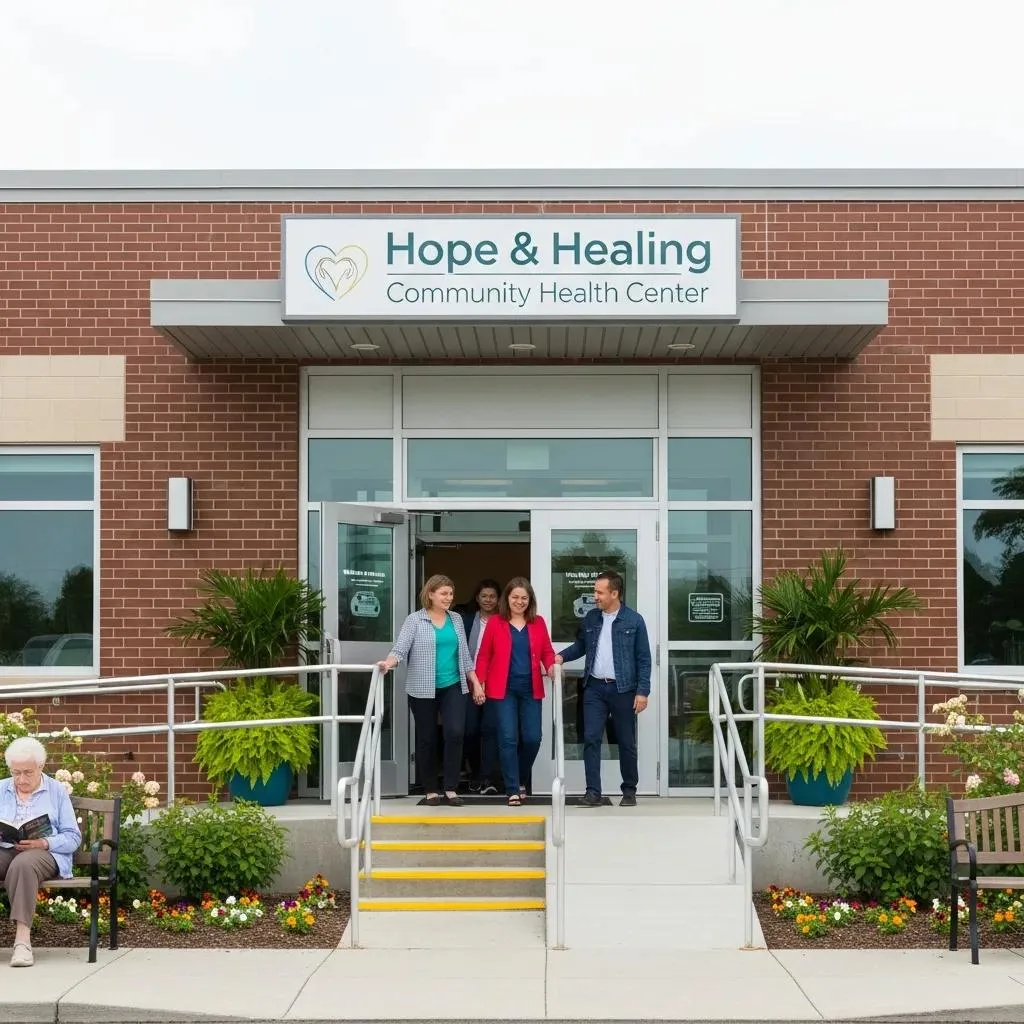
Government grants are public funds allocated to expand treatment capacity and subsidize care, and they generally work by funding programs rather than paying individual invoices directly. Federal grant programs—most notably block grants administered through national agencies—allocate money to state behavioral health agencies, which then contract with treatment providers and community organizations to deliver low-cost or free services. The mechanism helps increase availability of detox beds, outpatient counseling, medication-assisted treatment, and recovery supports; eligibility for the services funded usually depends on program rules like residency, clinical need, and income. Understanding this flow clarifies why an individual seeking free rehab typically connects with a state or community provider funded by grants rather than applying directly for a federal check. The next subsection breaks down SAMHSA’s block grant model and its typical uses so you can see concrete examples of funded services.
Insurance Coverage: Medicaid, Medicare, and ACA Benefits
Public insurance programs and the Affordable Care Act change the calculus for many people by covering a broad range of substance use disorder (SUD) services when benefits apply. Medicaid often provides the most comprehensive coverage for low-income individuals, with variability across states in covered services and provider networks; expanded Medicaid states generally see better access to treatment than non-expansion states. Medicare covers some SUD services for eligible beneficiaries, though there are limits and specific rules for inpatient versus outpatient care. The ACA established SUD treatment as an essential health benefit in many marketplace plans, improving baseline coverage for many enrollees, but parity enforcement and prior authorization rules still affect access. Understanding what each public program covers and how to check limitations prepares you to verify benefits and escalate denials successfully.
How Can Government Grants Help Cover Rehab Costs?
Government grants reduce rehab costs by expanding provider capacity, underwriting sliding-fee programs, and funding ancillary services such as transportation and housing that otherwise impede treatment access. Grants are issued in different forms—block grants for system-wide funding, competitive grants for targeted initiatives, and program-specific awards for populations or service models—and each mechanism shapes who benefits and how quickly funds translate into available slots. For individuals, the practical result is more low-cost clinic appointments, subsidized residential beds, vouchers for medication-assisted treatment, and funded peer-support programs.
The following table summarizes common grant program types and their typical applications.
This comparison highlights that block grants commonly underpin day-to-day subsidized services, while competitive grants fund innovation and expansion. Next we’ll explore the Substance Abuse Prevention and Treatment Block Grant in more detail to show how it specifically translates into services individuals can access.
Understanding SAMHSA Block Grants and Their Impact
The Substance Abuse Prevention and Treatment Block Grant (SABG) provides states with flexible federal funding to support prevention, treatment, and recovery services, and it is a primary mechanism through which federal dollars reach local providers. States allocate SABG funds to contractors and clinics that offer detoxification, outpatient treatment, recovery housing support, and prevention activities, which increases low- or no-cost service availability for people who meet program criteria.
These grants typically prioritize underserved populations and may be paired with state matching funds to extend impact; individuals benefit by receiving subsidized care at participating providers, often after an eligibility screening. Understanding the SABG role helps you identify which local agencies to contact and what documentation—such as proof of residency or income—you may need when seeking grant-funded services.
State-Specific Grants and Eligibility Criteria
State governments often operate supplemental grant programs with eligibility and priorities shaped by local needs, and these programs usually require contacting a state behavioral health agency or local health department to determine available services. Typical eligibility criteria across state grants include state residency, clinical diagnosis of SUD, income thresholds, and prioritization of pregnant people, adolescents, veterans, or justice-involved individuals; documentation requirements commonly include ID, proof of residence, and clinical referral or screening results. To find state resources, start with the state behavioral health office and local community mental health centers, prepare required documents, and ask about waiting lists and voucher programs. Making this initial contact and preparing documentation increases the likelihood of quick placement in grant-funded programs.
What Insurance Options Are Available for Addiction Treatment?
Insurance options for addiction treatment fall into private employer plans, ACA marketplace plans, Medicaid, and Medicare, each with distinct coverage rules, out-of-network considerations, and prior authorization requirements. Private insurance plans vary widely in covered services, network participation, and out-of-pocket costs, so verifying in-network SUD providers and required pre-approvals is essential to avoid surprise bills. Medicaid is state-administered and frequently the most comprehensive option for low-income individuals, but the scope of services—especially residential treatment—differs by state. Medicare covers certain SUD services for eligible beneficiaries but may require specific facility types or have limits on days of inpatient care.
Before the table, here is a short checklist for readers preparing to verify insurance benefits.
- Collect insurance details: Have policy number and plan name available before calling.
- Ask specific questions: Confirm coverage for detox, inpatient, MAT, therapy, and peer support.
- Document responses: Note representative name, date, and written confirmation when possible.
This comparison clarifies that while many insurance routes exist, verifying in-network providers and appeal pathways is frequently necessary. The next subsections explain how to handle private plans and public programs in detail.
Private Health Insurance Coverage for Rehab
Private health insurance can cover a comprehensive array of addiction treatment services when the plan includes substance use benefits, but coverage varies by insurer, plan tier, and whether the provider is in-network. To maximize coverage, verify benefits in writing, identify in-network treatment facilities, confirm prior authorization requirements, and ask about length-of-stay limits for inpatient or residential care. If a denial occurs, use an appeal process that documents medical necessity, supplies clinical assessments, and follows insurer timelines; many successful appeals hinge on clear clinician support and detailed treatment plans. Understanding these steps improves the chance that private insurance will cover the appropriate level of care when clinically justified.
Public Insurance Programs: Medicaid and Medicare Details
Medicaid and Medicare provide critical safety nets for many people seeking addiction treatment, with Medicaid often covering the broadest array of services for low-income individuals and Medicare offering options for eligible older adults and disabled persons. Medicaid programs vary by state in which services are included—some cover extensive residential and outpatient care while others limit certain levels of service—so call your state Medicaid office to confirm covered providers and any enrollment steps. Medicare coverage generally includes outpatient counseling and certain inpatient services, with eligibility rules and possible supplemental coverage needs; beneficiaries should check Part A/B rules and any Medicare Advantage plan specifics. For both programs, enrollment assistance and appeals support are available through local consumer assistance programs and state health advocates.
How Do Rehab Scholarships and Non-Profit Assistance Work?

Rehab scholarships and non-profit assistance provide targeted financial relief by waiving fees, offering vouchers, or subsidizing ancillary costs like transportation and housing, and they are often run by treatment centers, foundations, or community groups. Scholarships can come from treatment providers, philanthropy, or industry-specific foundations and typically require an application demonstrating need, clinical documentation, and sometimes a personal statement. Non-profit organizations and community agencies may offer one-time grants, referral vouchers, or case-management support to connect individuals with funded slots, and they frequently prioritize people with acute need or those in vulnerable populations. Understanding the landscape helps you identify where to apply and how to present a compelling case for support.
Below is a list describing the main scholarship types and how applicants typically qualify.
- Center-funded scholarships: Offered directly by treatment providers to reduce fees for clients who meet income or clinical criteria.
- Foundation or charity awards: Granted by non-profit entities that fund specific populations or treatment modalities.
- Employer or community sponsorships: Provided through workplace programs or local organizations that support employees or residents in need.
These scholarship types represent practical avenues to reduce costs, and preparing standardized documentation increases award likelihood. The next subsections detail application elements and where to seek non-profit help.
Types of Scholarships for Substance Abuse Treatment
Scholarships for treatment typically fall into center-funded awards, private foundation grants, and employer or community sponsorships, and each source has distinct eligibility patterns and application requirements. Center scholarships often require an intake assessment and proof of inability to pay, foundation grants can be competitive with formal applications and deadlines, and employer assistance may require verification of employment and a treatment plan. To apply successfully, gather pay stubs, benefit statements, clinical referrals, and a concise statement of need explaining how treatment will support recovery and stability.
Understanding these categories allows applicants to target the most appropriate scholarship sources and assemble the strongest possible submission.
Non-Profit Organizations Offering Financial Support
Non-profit organizations and community agencies play a crucial role by supplying funding vouchers, case management, and short-term supports like transportation or housing that make treatment possible. United Way chapters, local community health centers, recovery foundations, and faith-based organizations commonly provide referrals or small grants that address barriers to starting or completing programs. When reaching out, prepare a brief intake packet including ID, proof of income, clinical referral, and a short description of needs so organizations can assess eligibility quickly. Knowing how to contact and what to bring to these organizations accelerates access to their limited but impactful resources.
What Payment Plans and Sliding Scale Options Do Treatment Centers Offer?
Treatment centers often offer flexible payment options to bridge gaps when insurance or grants do not fully cover services, and these arrangements can significantly reduce immediate financial barriers. Payment plans typically allow installment payments over weeks or months, sometimes with no interest for short-term plans, while sliding scale fees adjust program costs based on documented income and household size. Understanding typical plan structures, what documentation to provide, and negotiation levers such as agreeing to partial upfront payment or shorter length-of-stay can make programs affordable. The list below outlines common plan types and practical negotiation tips to help secure a manageable arrangement.
- Installment Plans: Agree to regular payments over a defined period to spread out costs.
- Deferred Payment: Start treatment with a later repayment schedule when income stabilizes.
- Sliding Scale: Reduced fees based on income verification and family size.
These approaches reduce immediate indebtedness and improve access to timely treatment. Next we explain how flexible plans operate and what pitfalls to watch for.
Flexible Payment Plans: How They Reduce Financial Barriers
Flexible payment plans allow individuals to receive treatment promptly while repaying costs over time, and common structures include fixed monthly installments, interest-free short-term plans, and third-party financing options for larger balances.
To request a plan, present a simple budget and documentation of income, negotiate the length and amount of installments, and get the agreement in writing to avoid misunderstandings about fees or default consequences. While third-party loans can bridge gaps, they add credit and interest considerations; prioritize interest-free or low-interest provider plans when available. Understanding the pros and cons of each financing route helps people choose a plan that balances affordability and long-term financial health.
Sliding Scale Fees Based on Income and Need
Sliding scale fees adjust treatment costs in proportion to documented income and household size, typically using standardized bands that reduce or eliminate fees for the lowest-income brackets while requiring partial payment from higher bands. To apply, provide recent pay stubs, benefit award letters, or tax forms along with a signed attestation of household size; centers commonly reassess eligibility periodically or at intake. Tips to increase approval include combining sliding scale requests with grant or scholarship applications and requesting temporary emergency relief while documenting ongoing efforts to secure long-term funding. Correct documentation and clear communication with registration staff often unlocks meaningful fee reductions.
What Alternative Funding Sources Can Help with Addiction Treatment Costs?
When traditional funding sources are insufficient, alternative routes such as personal loans, crowdfunding, and Veterans Affairs benefits can provide targeted support, and each option carries tradeoffs in terms of speed, privacy, and long-term cost. Personal loans or lines of credit can cover immediate program costs but create repayment obligations and affect credit; carefully compare interest rates and loan terms before borrowing. Crowdfunding campaigns can raise funds quickly from social networks, but they require public disclosure and active outreach to succeed. For veterans, VA benefits and veteran-specific programs frequently cover a wide array of SUD services and supportive housing, though eligibility and access rules apply. The following subsections describe loans and crowdfunding best practices and summarize veteran-specific benefits to help decide when these alternatives make sense.
Below is a numbered, stepwise guide to crowdfunding a treatment campaign:
- Prepare a concise story: Clearly state need, treatment plan, and how funds will be used.
- Set a realistic goal: Base the target on program costs and ancillary needs like housing.
- Provide supporting documentation: Share intake dates or facility details to increase trust.
- Promote ethically: Respect privacy and obtain consent when sharing others’ stories.
A well-structured campaign combined with offline outreach increases chances of success. Next we outline loan and VA considerations in detail.
Personal Loans and Crowdfunding for Rehab Expenses
Personal loans and crowdfunding offer different balances of speed and cost: loans provide guaranteed funds that must be repaid with interest, while crowdfunding can yield gifts without repayment but requires public sharing and active promotion. If choosing a loan, compare interest rates, term lengths, and origination fees and consider the impact on credit and eligibility for future assistance; use the smallest viable loan and prioritize programs that enable treatment quickly.
For crowdfunding, craft an authentic narrative, use clear budgeting for the funds requested, and prepare updates to maintain donor trust; protect privacy by avoiding unnecessary medical detail about others. Evaluating these tradeoffs helps individuals determine whether borrowing or community fundraising fits their situation.
Veterans Affairs Benefits and Other Specialized Programs
Veterans Affairs benefits often include comprehensive support for substance use disorders, and veterans should contact VA health services or a local vet center to determine eligibility for residential programs, outpatient treatment, medication-assisted therapy, and case management. VA benefits may cover treatment costs directly or through referral networks and often include additional supports such as housing assistance and vocational services aimed at long-term stability. Other specialized programs—such as initiatives for pregnant people, justice-involved individuals, or specific professional groups—may offer targeted financial or programmatic assistance, and these resources typically require enrollment or referral through relevant agencies. Connecting with veteran-specific intake staff or specialized program coordinators accelerates access to these population-focused benefits.
This article has described the primary funding types, how grants convert into services, insurance verification strategies, scholarships and non-profit pathways, center-level financing options, and alternative sources like loans and VA benefits to help you plan and obtain funding for addiction treatment.


