


Exercise & Mental Health Benefits: How Physical Activity Boosts Mood and Supports Recovery
Regular physical activity directly influences brain chemistry and psychological functioning by triggering neurotransmitter release and promoting neuroplasticity, creating measurable improvements in mood and recovery. This article explains how exercise acts through endorphins, serotonin, dopamine, BDNF, and HPA-axis modulation to reduce stress, lift mood, and support recovery from mental health conditions. You will learn which exercise types best target anxiety, depression, and addiction recovery, practical ways to integrate movement into daily routines, and the latest 2023–2024 research trends such as personalized prescriptions and digital tools that enhance adherence. Many readers struggle to translate motivation into consistent activity; this guide offers evidence-based dosages, sample routines, and stepwise habit techniques to build sustainable practice. The following sections map core benefits, compare modalities, examine clinical uses, provide habit strategies and post-workout mental recovery methods, and summarize emerging science and technology that shape future practice.
What Are the Key Mental Health Benefits of Exercise?
Exercise benefits mental health by producing immediate neurotransmitter changes, reducing stress-hormone activity, and driving long-term neuroplasticity that together improve mood, resilience, and cognitive function. Physiologically, short bouts raise endorphins and monoamines while regular training increases BDNF and downregulates the HPA axis, which lowers cortisol exposure over time. Psychologically, movement strengthens self-efficacy, emotion regulation, and sleep quality, all of which support recovery from mood disorders. The paragraph below lists primary outcomes and mechanisms before we inspect biochemical details in the table and the following subsections.
Exercise delivers primary mental-health benefits through these mechanisms and outcomes:
- Immediate mood elevation: acute release of endorphins and dopamine enhances positive affect.
- Stress reduction: regular activity modulates the HPA axis and reduces baseline cortisol.
- Cognitive resilience: increased BDNF supports neuroplasticity and memory consolidation.
- Better sleep and self-efficacy: routine exercise improves sleep architecture and perceived competence.
The table below summarizes key biological and psychological mechanisms so you can quickly compare causal pathways and practical implications for mood and recovery.
This table clarifies that biological (endorphins, BDNF, HPA-axis) and behavioral (sleep, self-efficacy) pathways work together to deliver durable mental-health benefits, leading naturally into specific neurotransmitter and stress-reduction mechanisms discussed next.
How Does Exercise Improve Mood Through Neurotransmitter Release?
Exercise improves mood by rapidly increasing brain chemicals that regulate pleasure, motivation, and pain perception, creating an acute lift that can last for hours. Endorphins are released during and after exercise, producing analgesia and a sense of well-being, while serotonin and dopamine shifts support mood stability and reward-based motivation. Short sessions of moderate-intensity movement—sometimes as brief as ten minutes—produce detectable neurotransmitter changes, and regular training leads to sustained receptor and signaling adaptations that underpin longer-term mood improvements. Understanding these acute-versus-chronic effects helps design routines that provide both immediate relief and cumulative resilience, which leads into how exercise also lowers physiological stress responses.
In What Ways Does Physical Activity Reduce Stress and Anxiety?
Physical activity reduces stress and anxiety by downregulating the HPA axis, lowering cortisol exposure, and building psychological coping skills through mastery and distraction. Repeated exercise bouts create a regulated stress-response profile: heart-rate variability and cortisol reactivity become more adaptive, and behavioral changes—improved sleep, routine, and social contact—amplify anxiety reduction. Low-to-moderate intensity aerobic work and mind-body practices excel at acute anxiety relief, whereas consistent moderate training yields the largest long-term decreases in generalized anxiety symptoms. These physiological and psychological changes form the basis for selecting specific exercise types to target mood and anxiety, which we examine in the next section.
Which Types of Exercise Best Enhance Mental Well-Being?

Different exercise modalities target distinct mental-health mechanisms, so matching mode and intensity to goals improves outcomes. Aerobic cardio often produces the fastest mood lifts and anxiety reduction via acute neurotransmitter release and HPA-axis effects. Strength and resistance training build self-efficacy and have sustained antidepressant effects, while mind-body practices like yoga and tai chi directly train emotion regulation and reduce sympathetic arousal. Outdoor and group activities add benefits from nature exposure and social support, increasing adherence and enjoyment. The comparison table below helps you weigh modalities by intensity, typical session length, and primary mental-health benefit, informing personal choice and prescription.
Compare exercise modalities by how they typically influence mental health and practical session parameters.
This comparison shows how modality choice can be matched to goals—short cardio for quick mood boosts, resistance training for longer-term self-efficacy, and mind-body sessions for stress regulation—leading into specific evidence and dose guidance for cardio next.
What Are the Mood-Boosting Effects of Aerobic and Cardio Exercises?
Aerobic and cardio exercises deliver rapid mood improvements through increased cerebral blood flow and immediate neurotransmitter shifts, making them ideal for acute mood management. Brief sessions—often ten minutes or more of brisk walking, cycling, or interval movement—have been associated with quick reductions in negative affect and improved cognitive readiness for tasks. Weekly volume consistent with public-health guidelines (roughly 150 minutes of moderate aerobic activity) is linked with larger, sustained mental-health benefits including reduced depressive symptoms. For practical use, start with short, frequent sessions and gradually build to longer, more structured workouts to combine immediate relief with cumulative resilience.
How Do Strength Training and Mind-Body Practices Like Yoga Improve Mental Health?
Strength training improves mental health primarily through mastery, increased self-efficacy, and physiological adaptations that support mood regulation; it also contributes to cognitive benefits via metabolic and hormonal pathways. Regular resistance programs—two to three sessions per week—are associated with reductions in depressive symptoms and improvements in body image and confidence. Mind-body practices such as yoga and tai chi integrate movement with breath and mindfulness, directly training emotional regulation and calming sympathetic arousal, which is especially helpful for anxiety and stress-related disorders. Combining resistance work with mind-body sessions offers complementary pathways to support both mood and emotional control, which prepares us to consider clinical applications next.
How Can Exercise Be Used to Manage Specific Mental Health Conditions?
Exercise functions as an evidence-based adjunctive intervention for conditions such as depression, anxiety disorders, and substance-use recovery by combining neurobiological effects with behavioral structure. Clinical trials and meta-analyses indicate moderate effect sizes for exercise as an adjunct to psychotherapy and medication, particularly for mild-to-moderate depression and generalized anxiety. In addiction recovery, exercise contributes alternative reward pathways, stress-buffering, and routine that help prevent relapse. The following clinical comparison table summarizes recommended exercise approaches and evidence notes for common conditions to assist clinicians and lay readers in choosing appropriate formats.
Quick clinical-style comparisons for exercise use in mental health settings.
This table highlights that exercise prescriptions vary by condition and should be integrated with clinical care when symptoms are moderate-to-severe, which we elaborate on in the specific subsections below.
What Role Does Exercise Play in Depression and Anxiety Recovery?
Exercise serves as an effective adjunct for depression and anxiety by increasing BDNF, improving sleep, and enhancing self-efficacy, all of which reduce symptom severity and support recovery. Structured programs delivering approximately 150 minutes per week of moderate activity or supervised sessions have shown consistent improvement in depressive symptoms across meta-analyses, and mind-body practices show particular utility for anxiety through nervous-system regulation. Exercise also enhances psychotherapeutic outcomes by improving cognition and energy levels, making patients more able to engage in treatment. Safety and individualization matter: clinicians should tailor intensity and progression, monitor comorbidities, and combine exercise with established treatments when needed.
How Does Physical Activity Support Addiction Recovery and Relapse Prevention?
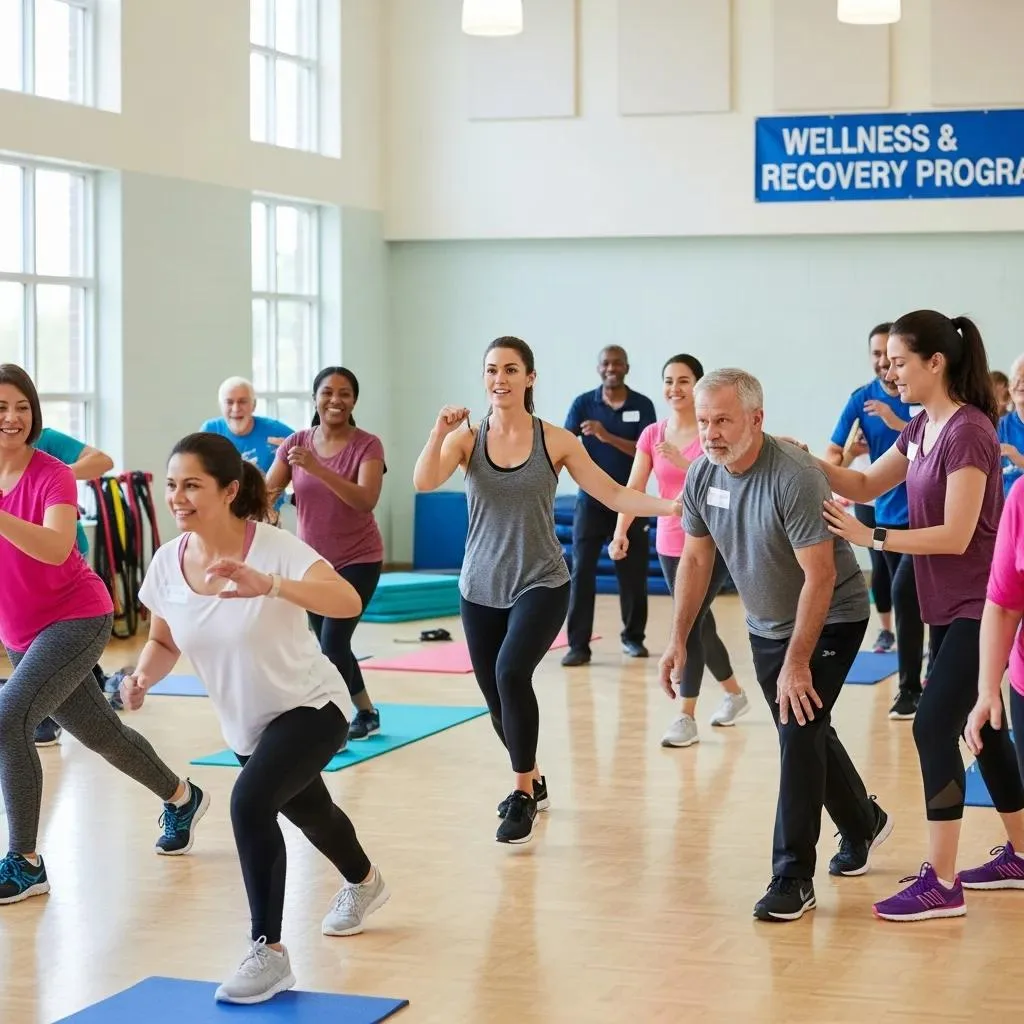
In addiction recovery, physical activity provides alternative reward pathways, reduces stress-induced cravings, and establishes daily structure that supports relapse prevention. Neurochemically, exercise stimulates dopamine and opioid systems in a regulated fashion that can substitute for maladaptive reward-seeking behaviors while improving mood and sleep. Group-based and supervised programs increase accountability and social support, two factors strongly associated with sustained abstinence. Practical starter programs emphasize low-barrier aerobic sessions and gradual progression, with integration into broader relapse-prevention plans under clinical supervision when appropriate.
What Practical Strategies Help Integrate Exercise for Mental Health Consistently?
Consistent integration of exercise for mental health requires behavior-change techniques that prioritize small wins, routine, and enjoyable activities to maintain adherence over time. Habit strategies include scheduling exercise like an appointment, starting with micro-workouts (10 minutes), pairing movement with existing routines, and leveraging social accountability to sustain practice. Addressing barriers—time, motivation, injury—through adaptations and graded progression increases persistence, and post-workout routines such as breathwork and reflection consolidate emotional gains. The following numbered steps present a how-to roadmap for building a consistent, mental-health-oriented exercise habit.
Steps to build and maintain an exercise habit for mental health:
- Start small and specific: Commit to 10 minutes daily and build gradually.
- Schedule and pair: Place workouts next to an existing routine like breakfast.
- Choose enjoyable modes: Prioritize activities you like to increase adherence.
- Use social support: Share goals with a friend or join small group sessions.
- Track progress: Record sessions and feelings to reinforce gains.
These steps form a practical foundation for overcoming common barriers and lead directly into targeted solutions for specific obstacles described next.
How Can You Overcome Barriers to Starting and Maintaining an Exercise Routine?
Common barriers—lack of time, low motivation, and physical limitations—can be overcome with targeted strategies such as micro-workouts, low-cost options, and adaptive programming that accommodates injuries or disabilities. Micro-workouts (3–10 minutes) deliver acute mood benefits and lower the activation energy for starting, while choosing enjoyable contexts (outdoor walks, social classes) increases intrinsic motivation. For physical limitations, graded activity plans that emphasize mobility and low-impact modalities preserve safety while building confidence and functional capacity. Applying these strategies consistently transforms sporadic activity into sustainable practice, setting up effective post-workout recovery techniques described next.
What Post-Workout Techniques Aid Mental Recovery and Emotional Regulation?
Post-workout recovery techniques amplify emotional gains by downregulating physiological arousal and consolidating positive affect through structured cool-downs and reflection practices. Simple breathwork protocols (box breathing for 60–90 seconds), a mindful 3–5 minute body-scan cool-down, and brief journaling prompts that note mood shifts and achievements help encode benefits and improve emotional regulation. Sleep hygiene and hydration after exercise further support psychological recovery, while regular use of these techniques strengthens the link between activity and improved mood. Implementing these routines consistently increases the likelihood that exercise will become a reliable tool for emotion regulation and recovery.
What Are the Latest Research Insights and Future Trends in Exercise for Mental Health?
Recent 2023–2024 research emphasizes personalization, short-session efficacy, and the role of digital tools in improving adherence and mental outcomes. Studies show acute mood benefits from brief activity bursts, while personalization of mode and intensity—aligned with preference, comorbidity, and functional status—enhances adherence and effect size. Wearables and apps that combine step tracking with mindfulness prompts increase motivation, and emerging biomarker-driven prescriptions aim to optimize dosage based on physiological responders. The trends below summarize actionable implications for practitioners and individuals seeking to leverage current science.
Emerging trends and implications for practice include:
- Personalization of prescriptions using preference and functional markers.
- Short, frequent sessions recognized for acute mood benefits.
- Integration of wearables and behavioral nudges to boost adherence.
- Development of biomarker-guided dosing as a future research priority.
These trends set the stage for two focused topics: how personalization improves outcomes and how technology supports mental fitness, discussed in the subsections below.
How Does Personalized Exercise Prescription Enhance Mental Health Outcomes?
Personalized exercise prescriptions enhance outcomes by matching modality, intensity, and dose to individual preferences, comorbid conditions, and functional status, which increases adherence and amplifies neurobiological benefits. Tailoring training—such as prioritizing mind-body practices for anxiety or resistance work for low mood and low self-efficacy—creates better alignment between patient goals and intervention mechanics. Preliminary evidence indicates that preference-matched programs yield higher completion rates and stronger mood improvements, and future work aims to incorporate biomarkers to refine dosing. Practical personalization begins with simple assessments of preference and physical capacity and iteratively adjusts the program to maintain engagement.
What Role Do Technology and Digital Tools Play in Supporting Mental Fitness?
Digital tools—wearables, step trackers, and apps—support mental fitness by delivering feedback, gamification, and integrated mindfulness prompts that increase motivation and consistency. Combining activity tracking with prompts for reflection or brief guided breathwork links physical movement to emotional regulation, enhancing psychological outcomes. When selecting tools, prioritize evidence-based features, data privacy protections, and ease of use to avoid drop-off from complexity or intrusive data sharing. Technology is an amplifier of behavior change when thoughtfully integrated, and it can be combined with human support to maximize long-term mental-health benefits.