



Emerging Therapies for Mental Health: What They Are and How They Can Help
Emerging therapies for mental health are a set of newer clinical approaches that use biological, technological, and personalized strategies to treat conditions that haven’t responded to standard care. Below we describe what these options involve, why they matter for people with treatment-resistant depression, PTSD, anxiety and related conditions, and how they integrate with care pathways like detox, inpatient and outpatient programs, and counseling. You’ll find clear definitions, the biological principles at work (for example, neuroplasticity and targeted brain stimulation), concise summaries of the evidence for key modalities — psychedelic-assisted therapy, transcranial magnetic stimulation (TMS), virtual reality (VR) therapy, AI chat tools, and pharmacogenomics — and practical next steps for accessing them. Our aim is to give structured, usable information so individuals and families know what to expect during assessment, treatment sessions, and follow-up care. The sections that follow define emerging therapies, compare them with traditional approaches, review psychedelic and brain-stimulation options (with comparison tables), describe digital and precision medicine advances, and end with a step-by-step guide to eligibility, intake, and how treatment centers can help you make informed choices.
What Are Emerging Therapies for Mental Health and Why Are They Important?
Emerging therapies are newer clinical methods and technologies in psychiatric and behavioral health that focus on underlying brain function, learning processes, or individual biology rather than only treating symptoms. These approaches act through mechanisms such as boosting neuroplasticity, targeted neuromodulation, or precision pharmacology to produce measurable changes in mood, thinking, and behavior. They matter because they expand options for people who haven’t improved with standard care, can lower relapse risk when paired with psychotherapy, and give clinicians additional ways to tailor treatment. Because these therapies often have evolving evidence and different regulatory statuses, it’s important to understand how they fit alongside established treatments.
Knowing how these options differ from longstanding approaches is essential when deciding whether a given therapy is appropriate — a point we explore next.
How Do Emerging Therapies Differ from Traditional Mental Health Treatments?
Emerging therapies differ from traditional treatments in three key areas: mechanism of action, delivery setting, and the maturity of the evidence. Mechanistically, many newer options aim to rewire network connectivity or support neuroplasticity instead of primarily changing neurotransmitter levels. In terms of delivery, some require specialized clinic environments (for example, supervised dosing rooms or neuromodulation suites), while others can be delivered as outpatient or home-supported adjuncts. Evidence maturity varies widely: some approaches have multiple randomized trials and regulatory milestones, while others remain experimental and need specialist referral. These differences influence safety monitoring, patient selection, and how a therapy is integrated with psychotherapy and medication.
- Important contrasts include how the treatment works, where it’s delivered, how it’s monitored, and its regulatory status.
- Those contrasts determine who is a candidate and what preparatory steps are necessary.
- Understanding the trade-offs helps patients and families weigh novelty against established practice.
With that foundation, we next outline the conditions most commonly treated with emerging therapies and the strength of the evidence for each.
What Mental Health Conditions Can Emerging Therapies Address?
Emerging therapies are being studied and used for a defined set of conditions where standard care sometimes falls short — most notably major depressive disorder (including treatment-resistant depression), PTSD, anxiety disorders, obsessive-compulsive disorder (OCD), certain substance-use conditions, and as adjunctive care in some psychotic disorders. Evidence varies by condition and modality: TMS and ketamine have stronger support for treatment-resistant depression; psilocybin and MDMA show promising trial results for depression and PTSD respectively; and VR exposure therapy has consistent benefits for phobias and trauma-related avoidance. For many patients, multidisciplinary care that combines medication, psychotherapy, and structured follow-up shows the best outcomes.
- This mapping helps clinicians prioritize options based on diagnosis and prior treatment response.
- The following sections examine specific modalities — psychedelic therapies, TMS, VR, and digital tools — with practical expectations and research summaries for each.
How Does Psychedelic Therapy Support Mental Health Recovery?

Psychedelic-assisted therapy combines a pharmacological agent such as psilocybin or ketamine with structured psychotherapy to encourage rapid shifts in mood, thinking, and behavior by increasing neuroplasticity and enabling deeper psychological processing. These compounds temporarily alter neural network dynamics, opening a window for therapeutic learning; guided preparation and integration sessions help translate the acute experience into lasting change. Clinical trials report notable reductions in depressive symptoms and PTSD severity in selected patients when dosing is paired with preparatory and integration therapy. Clear expectations around session structure, onset and duration of benefit, and safety are important for planning recovery and follow-up care.
Clinical practice emphasizes careful preparation, monitored dosing, and integration work after sessions to consolidate gains and reduce relapse. The next subsection compares psilocybin and ketamine in practical terms and includes a compact comparison to clarify differences in mechanism, timing, and risks.
What Are the Benefits of Psilocybin and Ketamine for Depression and PTSD?
Psilocybin and ketamine can both produce rapid antidepressant effects, but they differ in mechanism, session format, and how long benefits last. Ketamine works mainly as an NMDA receptor antagonist and often relieves symptoms within hours; it’s commonly given as repeated low‑dose infusions or supervised intranasal dosing with clinical monitoring. Psilocybin primarily acts on serotonin 2A receptors and tends to facilitate deeper psychological processing, with effects that may appear over days and consolidate over weeks when paired with psychotherapy. Safety profiles differ as well: ketamine can cause transient dissociation and blood-pressure changes, while psilocybin may provoke acute anxiety during the experience and requires a supportive setting. Typical care includes preparation sessions, supervised dosing, and follow-up integration therapy to help translate the experience into lasting behavioral change.
Below is a concise comparison to clarify these practical distinctions.
Psilocybin vs. Ketamine: a practical comparison of mechanism, session structure, onset, and known risks.
This comparison shows how the choice of agent affects logistics, monitoring, and the therapeutic model. The next section explains the role of neuroplasticity and why integration work is essential.
How Does Neuroplasticity Play a Role in Psychedelic-Assisted Therapy?
Neuroplasticity is the brain’s ability to remodel synaptic connections and reorganize networks in response to experience, and it underpins how psychedelic-assisted therapies create change. Psychedelics and ketamine trigger molecular cascades that increase growth factors and temporarily loosen rigid cognitive patterns, creating a window for new learning. When these biological effects are paired with psychotherapy — emotional processing, behavioral rehearsal, and meaning-making — patients are more likely to convert transient neural flexibility into lasting behavioral change. Practically, that makes integration sessions and structured follow-up central to turning neurobiological shifts into real-world recovery.
What Is Transcranial Magnetic Stimulation and How Does It Treat Depression?
Transcranial Magnetic Stimulation (TMS) is a noninvasive neuromodulation method that uses magnetic pulses to induce electrical currents in targeted cortical areas — most commonly the dorsolateral prefrontal cortex — to influence mood-regulating networks. Protocols such as repetitive TMS (rTMS) and intermittent theta-burst stimulation (iTBS) differ in pulse pattern and session length but share the goal of strengthening adaptive connectivity. Trials show meaningful symptom reduction for many people with treatment-resistant depression. TMS is usually delivered as a course of daily outpatient sessions over several weeks. Safety screening is important to rule out contraindications like certain metal implants or epilepsy risk; the most common side effects are transient scalp discomfort or headaches.
Because patients often compare TMS protocols and side effects, the table below summarizes typical procedure types, parameters, and common adverse effects so you know what to expect.
This table clarifies how different TMS approaches trade off session time and technical parameters while keeping safety considerations consistent. The next subsection outlines the neurophysiology behind TMS’s effects on mood circuits.
How Does TMS Stimulate Brain Activity to Improve Mental Health?
TMS delivers brief magnetic pulses that induce localized electrical currents, briefly changing neuronal firing and synaptic strength in targeted cortical regions. Stimulating the dorsolateral prefrontal cortex influences downstream limbic and subcortical circuits involved in emotion regulation, shifting network dynamics toward healthier patterns. Repeated sessions produce cumulative plastic changes — strengthening adaptive connections and weakening maladaptive ones — which translate into clinical improvement over weeks. This explains why TMS is provided as a course of sessions and why consistent scheduling is important for clinical benefit.
What Are the Safety Considerations and Side Effects of TMS Therapy?
TMS is generally well tolerated but requires structured screening and monitoring to reduce risk and improve comfort. Common transient side effects include scalp tenderness and headache, usually resolving between sessions. Rare serious risks include seizures, so providers screen for epilepsy history, certain implants, and medications that lower seizure threshold. Pre-treatment evaluation, informed consent, and observation during initial sessions are standard practices to detect and manage side effects early.
How Is Virtual Reality Therapy Used in Mental Health Treatment?
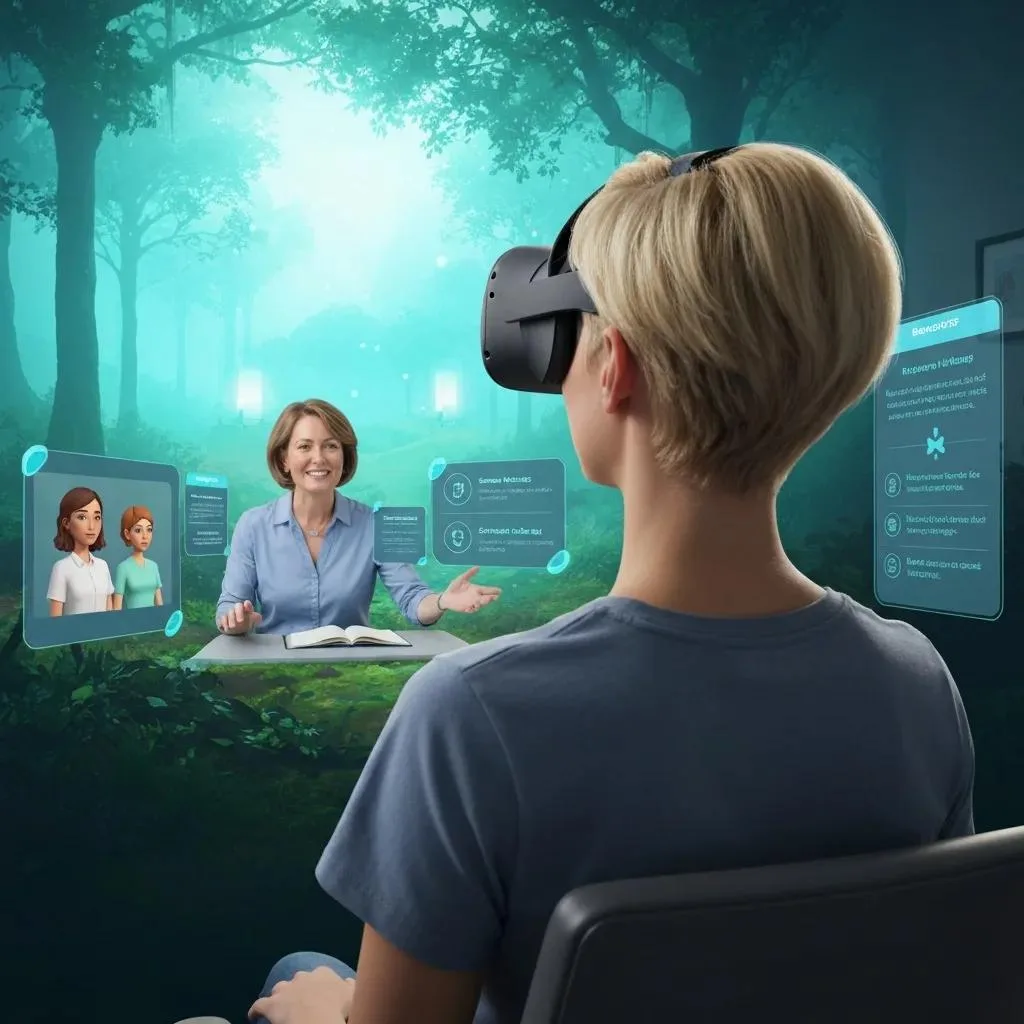
Virtual Reality (VR) therapy uses controlled, immersive simulations that clinicians employ for graded exposure, skills rehearsal, and context-rich behavioral experiments — useful for phobias, PTSD, and social anxiety. VR creates realistic scenarios where patients can safely face fears while a therapist guides exposure and cognitive reframing, accelerating therapeutic learning in a controlled environment. Delivery ranges from in-clinic, therapist-guided headset sessions to validated home-adjunct programs with clinician oversight. Evidence is strongest for exposure-based uses, and regulatory clarity is evolving as commercial platforms and clinical trials progress.
The table below summarizes common VR use-cases, session formats, and the current strength of evidence to help you weigh options.
VR therapy use-cases and evidence levels.
This table highlights areas where VR reliably augments therapy and where evidence is still emerging. The next subsection explains which conditions benefit most and how clinicians decide when to use VR in a care plan.
What Mental Health Conditions Benefit Most from VR Therapy?
VR therapy is particularly effective for specific phobias and shows strong results in exposure-based protocols where immersive simulation accelerates desensitization. For PTSD, VR can structure trauma-focused exposure when used alongside evidence-based psychotherapy, though integration and clinician oversight remain essential. Social and performance anxiety respond to repeated rehearsal in simulated settings, and early research suggests VR can support social cognition training in psychosis care. Clinicians choose VR when controlled sensory environments enhance therapeutic learning and when therapist-guided exposure reduces dropout compared with real-world situations.
How Do AI-Powered Chatbots Enhance Mental Health Support?
AI-powered chatbots expand access to cognitive-behavioral tools, symptom tracking, and psychoeducation, serving as adjunctive support between clinician visits. These platforms deliver structured CBT exercises, mood monitoring, and low-intensity coping strategies that can boost engagement and provide immediate guidance for mild-to-moderate symptoms. Limitations include mixed evidence for long-term outcomes, data privacy concerns, and the need for clear escalation protocols when users show crisis symptoms. For these reasons, chatbots work best within a stepped-care model where human clinicians oversee safety and intervene when needed.
- Chatbots can track symptoms, deliver CBT-style exercises, and reinforce therapy homework.
- They are not substitutes for crisis care — reliable referral and escalation paths are essential.
- Responsible use requires transparent data policies and integration with clinician workflows.
What Are Personalized and Novel Pharmacotherapies in Mental Health Care?
Personalized pharmacotherapy uses tools like pharmacogenomic testing to guide medication selection by identifying genetic markers that affect drug metabolism and response. At the same time, new small molecules and receptor-targeting agents broaden options for conditions such as schizophrenia and treatment-resistant depression by targeting mechanisms beyond traditional dopamine blockade. Together, these approaches aim to reduce trial-and-error prescribing, lower side-effect burden, and improve remission rates by aligning drug choice and dose with a person’s biology and clinical history. Implementing these options requires clinical expertise, informed consent about evidence limits, and attention to insurance and access issues.
The subsections that follow outline the pharmacogenomics workflow and recent medication developments so readers understand practical implications for treatment planning.
How Does Pharmacogenomics Tailor Treatments for Better Outcomes?
Pharmacogenomic testing looks for genetic variants that influence drug-metabolizing enzymes, transporters, and receptor function to help guide medication choice and dosing. A typical workflow includes sample collection, laboratory analysis, clinician interpretation of results in the clinical context, and medication adjustments informed by those insights. This approach can reduce adverse effects and shorten the time it takes to find an effective regimen by avoiding drugs likely to be poorly metabolized or ineffective. Limitations include variable insurance coverage, incomplete predictive power for complex psychiatric outcomes, and the need to interpret results alongside clinical judgment rather than relying on them alone.
What Are the Latest Medications for Schizophrenia and Treatment-Resistant Conditions?
Recent pharmacotherapy advances emphasize novel mechanisms — for example, agents targeting glutamatergic systems, trace amine-associated receptors, or other non-dopaminergic pathways — to address symptoms that persist despite standard antipsychotics. These medications aim to improve negative symptoms, cognitive deficits, or treatment-resistant mood symptoms while potentially reducing classic dopamine-related side effects. Careful safety monitoring and a thoughtful benefit–risk assessment are essential, and clinicians typically consider newer agents for patients who have not responded to established treatments. Because the evidence base is still growing, specialist consultation is often appropriate when considering these options.
How Can Patients Access Emerging Therapies and What Should They Expect?
Accessing emerging mental health therapies usually follows a stepwise pathway that balances eligibility screening, informed consent, logistical planning, and structured follow-up to maximize safety and benefit. Typical steps include an initial clinical assessment to confirm diagnosis and prior treatments, targeted screening for modality-specific contraindications, referral to a specialty program when indicated, and scheduling a treatment course with preparatory and integration visits as needed. Practical logistics — for example, whether treatment is inpatient, outpatient, or requires detox — are determined during assessment, and privacy and safety expectations are reviewed so patients and families understand data handling and monitoring. Clear expectations reduce uncertainty and support informed decision-making.
Below is a concise, actionable step-by-step guide summarizing the common access pathway for most emerging therapies.
- Initial Assessment: Get a diagnostic evaluation and clear treatment history to determine appropriateness.
- Specialized Screening: Complete modality-specific medical, neurological, and psychosocial safety screening.
- Referral and Consent: If eligible, refer to a specialist program and complete informed consent with a thorough risk–benefit discussion.
- Treatment Course: Schedule the treatment (for example, daily TMS sessions or supervised psychedelic dosing) with preparatory and integration visits.
- Follow-up Care: Arrange regular follow-up to monitor response, side effects, and ongoing support.
These steps outline the typical journey from first contact to follow-up. The next subsection describes how a treatment center can help you navigate these pathways with clear, supportive guidance.
Who Is Eligible for Emerging Mental Health Treatments?
Eligibility depends on the therapy and an individual’s clinical profile, but common considerations include a documented diagnosis with inadequate response to standard treatments, medical stability for the proposed procedure, and the ability to participate in preparatory and integration or follow-up visits. Contraindications vary: active psychosis or uncontrolled medical conditions may rule out certain psychedelic approaches, while implants or a seizure history can exclude some neuromodulation options. Age, decision-making capacity, and comorbid substance use are also considered. A specialist assessment weighs diagnostic clarity, prior treatment response, comorbidities, and safety factors to arrive at an individualized recommendation.
Careful eligibility screening lowers risk and improves the likelihood that a chosen modality will be helpful. Centers that offer structured care can guide families and patients through next steps in a clear, supportive way.
How Does Emulate Treatment Center Support Understanding and Access to These Therapies?
At Emulate Treatment Center, we help people understand their options and connect with safe, supportive recovery programs. Our clinicians and staff explain pathways such as detox, inpatient care, outpatient support, and counseling in a clear, low-pressure way so families can make informed choices. We provide information on program structure, intake procedures, scheduling, and privacy and safety expectations, and we support referral pathways and eligibility questions. Emulate clarifies what to expect during intake, the treatment process, and follow-up care — including family involvement when appropriate — and encourages you to contact our team to discuss pathways and scheduling in a supportive, informational setting.
This approach reflects our commitment to clarity and trust without promising specific outcomes. Below are suggested immediate steps for anyone considering care.
- Prepare a concise treatment history and current symptom summary before contacting a provider.
- Ask about eligibility screening, required preparatory visits, and privacy protections.
- Clarify whether the modality is delivered inpatient, outpatient, or as an adjunctive program.
- Confirm how follow-up and family support are incorporated into the care plan.
These practical steps help individuals and families move from uncertainty to an informed conversation with clinicians and support teams at a pace that respects both safety and readiness.
Frequently Asked Questions
What is the role of virtual reality in mental health therapy?
Virtual reality (VR) therapy creates immersive environments where patients can confront fears and practice coping strategies in a controlled setting. It’s especially useful for phobias, PTSD, and social anxiety. By simulating real-life scenarios, VR enables graded exposure and rehearsal while a therapist guides the work. The strongest evidence supports exposure-based applications, and VR’s clinical use is expanding as technology improves and trials accumulate.
How do AI chatbots assist in mental health treatment?
AI-powered chatbots increase access to CBT-style tools, symptom tracking, and psychoeducation between therapy sessions. They can deliver exercises, monitor mood, and provide immediate low-intensity support for mild-to-moderate symptoms. While chatbots can boost engagement and accessibility, they are not a replacement for professional care in crisis situations. Their best use is within a stepped-care model where clinicians supervise safety and intervene when needed.
What are the potential risks associated with psychedelic therapy?
Psychedelic therapy carries risks that must be managed. Common side effects include transient anxiety, dissociation, and changes in blood pressure. The therapeutic environment must be carefully controlled to ensure safety. Thorough screening is essential to identify contraindications, such as a history of psychosis or certain medical conditions. Proper preparation, monitoring during dosing, and structured integration work afterward are critical to reduce risks and support positive outcomes.
How can patients prepare for emerging mental health therapies?
To prepare, gather a clear treatment history and a summary of current symptoms to share with your provider. Learn the therapy’s specific requirements — eligibility screening, preparatory visits, and what to expect on treatment days. Ask whether the therapy is delivered inpatient, outpatient, or as an adjunctive program, and clarify how follow-up care and family support will be handled. This preparation makes the transition into treatment smoother and safer.
What is the significance of neuroplasticity in mental health treatments?
Neuroplasticity — the brain’s ability to form new connections — is central to many emerging treatments. Therapies that enhance plasticity, like psychedelic-assisted therapy and TMS, aim to create windows for new learning and behavioral change by promoting synaptic growth and flexibility. That’s why integration therapy and follow-up care are essential: they help turn biological change into lasting functional improvements.
What should patients expect during a TMS treatment session?
During a TMS session, you’ll experience a noninvasive procedure where magnetic pulses are applied to targeted brain regions. Sessions typically last 20–40 minutes, and many people feel mild scalp discomfort or a headache that resolves between sessions. Treatments are usually scheduled daily over several weeks, with monitoring for side effects. The therapeutic effect builds over repeated sessions and is aimed at reducing depressive symptoms over time.
Conclusion
Emerging mental health therapies offer new ways to target underlying mechanisms in conditions such as depression and PTSD, and they can provide meaningful options for people who haven’t found relief with traditional treatments. By learning how these therapies work, what the evidence shows, and how access and safety pathways operate, patients and families can make more informed choices about care. If you’re considering these options, reach out to a qualified provider to discuss what might be appropriate for your situation. Taking that first step — asking questions and gathering information — can help you move toward better mental health.