


Effective Stress Management: Essential Tools and Techniques for Daily Life
Stress is the body’s response to demands and threats, and chronic stress impairs sleep, mood, cognition, and long-term health; this guide presents practical, evidence-informed tools you can use every day to reduce stress and restore balance. You will learn how relaxation techniques, physical practices, mind-body methods, lifestyle habits, and cognitive-emotional strategies work, plus step-by-step routines you can start in minutes. The article integrates physiological mechanisms—parasympathetic activation, cortisol modulation, endorphin release—and actionable templates like short breathing exercises, a 5-minute mindfulness script, and journaling prompts. Readers facing daily overwhelm will gain immediate tactics for instant calm and longer-term plans to build resilience, including time-management templates and sleep-hygiene checklists. The sections that follow cover the most effective daily tools, physical relief methods, mind-body practices, habit-based strategies, cognitive-emotional coping, and clear guidance on when to seek professional help. Throughout, target terms such as relaxation techniques, stress management, deep breathing exercises, progressive muscle relaxation, mindfulness meditation, and sleep hygiene for stress are woven into practical, stepwise recommendations.
What Are the Most Effective Stress Management Tools for Daily Use?
Most effective daily stress management tools are simple practices that change physiology and cognition to reduce arousal and improve coping; they work by activating the parasympathetic nervous system, lowering cortisol, or shifting attention away from rumination. Below is a prioritized list of broadly applicable tools with a one-line mechanism and a quick-start tip so you can begin within 30–120 seconds. These tools combine relaxation techniques, behavior changes, and cognitive strategies to produce immediate relief and cumulative resilience over weeks. Start with a single tool and layer others into a daily routine to build reliability and habit. The following list links directly to deeper how-to sections later in the article for practice templates and troubleshooting.
The top daily tools for stress management include:
- Deep breathing exercises: Activate the vagus nerve and slow heart rate; try a 4-7-8 breath cycle for one minute.
- Mindfulness meditation: Train attention and reduce rumination; begin with a 3-minute breath-focused practice.
- Regular exercise: Release endorphins and improve sleep; aim for 20–30 minutes of brisk movement most days.
- Sleep hygiene: Improve restorative sleep to lower baseline stress; use a consistent bedtime routine.
- Time management: Reduce overload using time-blocking and task triage; schedule high-focus windows.
- Journaling: Process emotions and clarify problems; use structured prompts for 10 minutes nightly.
- Social support: Share feelings and get perspective; plan brief check-ins with supportive contacts.
These tools work together: physiological calming enables clearer thinking, which supports effective problem-solving and better sleep, and that leads into physical stress relief techniques.
How Do Relaxation Techniques Help Reduce Stress?
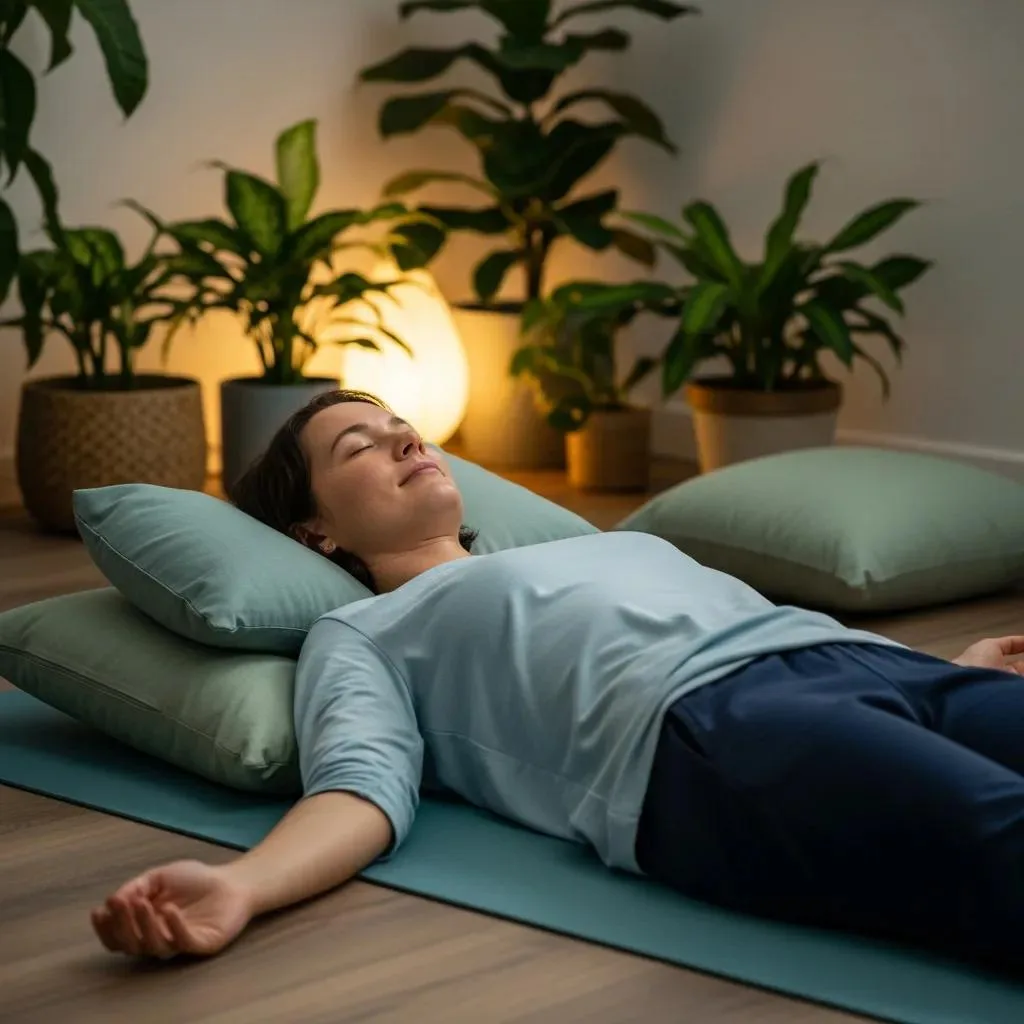
Relaxation techniques reduce stress by shifting the autonomic balance toward parasympathetic activation, lowering heart rate, blood pressure, and cortisol while increasing vagal tone and calm. Physiologically, practices like diaphragmatic breathing and progressive muscle relaxation change respiratory patterns and muscle tension, which send signals to the brainstem to downregulate arousal. Psychologically, relaxation interrupts cycles of worry and catastrophic thinking and creates a window for cognitive reframing. A simple example is the 4-7-8 breathing method: inhale for 4, hold for 7, exhale for 8, repeated four times to produce measurable calming within minutes. Understanding these mechanisms explains why short daily practice accumulates into lower baseline reactivity and improved emotional regulation, which prepares you to adopt other stress-management strategies.
Which Coping Strategies Are Proven to Improve Well-being?
Proven coping strategies combine problem-focused actions with emotion regulation techniques to improve well-being by increasing perceived control and reducing distress; cognitive behavioral strategies and social support consistently show strong outcomes in recent research. Problem-focused coping targets actionable solutions—time management, task delegation, and planning—while emotion-focused coping uses mindfulness, acceptance, and cognitive reframing to reduce distress when problems are uncontrollable. Evidence shows that combining approaches—practical steps plus emotion regulation—produces the best functional results. Practical examples include breaking large tasks into 25-minute focused blocks and using a 3-step cognitive reframe to challenge catastrophic thoughts, which together enhance performance and reduce chronic worry, paving the way to physical stress relief techniques.
How Can Physical Stress Relief Techniques Improve Your Daily Life?
Physical stress relief techniques improve daily life by altering cardiovascular, endocrine, and neuromuscular systems: they reduce sympathetic activation, trigger endorphin release, and improve sleep quality. Deep breathing produces immediate parasympathetic activation, exercise elevates mood through endorphins and neuroplasticity, and yoga or tai chi combine movement with breath to regulate the nervous system. Regular use yields both immediate calming and long-term resilience—lower resting heart rate, reduced anxiety symptoms, and improved mood. The short practice templates and a comparison table below show mechanisms, time needed, and immediate versus long-term benefits so you can choose practices that fit your schedule and goals.
What Are the Benefits of Deep Breathing Exercises for Instant Calm?
Deep breathing exercises quickly lower physiological arousal by increasing CO2 tolerance, lengthening exhalation, and stimulating vagal pathways, which produces a detectable drop in heart rate and a sense of calm within one to three minutes. A 3-step diaphragmatic routine:
- Sit upright and place one hand on the belly.
- Inhale slowly through the nose expanding the abdomen for 4 counts.
- Exhale fully through the mouth for 6–8 counts, repeating 6–8 cycles.
Expected immediate outcomes include slower breathing, softened muscle tension, and clearer thinking; common troubleshooting is lightheadedness from over-breathing, which can be corrected by slowing the pace. Regular brief sessions train the autonomic set point toward lower baseline arousal and lead naturally into exercise-based strategies.
How Does Regular Exercise Support Stress Reduction and Mental Health?
Regular exercise reduces stress through multiple mechanisms: endorphin and monoamine release improves mood, neuroplastic changes enhance cognitive flexibility, and improved sleep quality lowers baseline cortisol. Effective prescriptions balance aerobic activity, strength work, and mind-body movement; for most adults, 20–30 minutes of moderate aerobic exercise most days of the week produces measurable benefits for mood and anxiety. For busy schedules, micro-workouts of 5–10 minutes—short walks, stair climbs, or bodyweight circuits—provide acute stress relief and cumulative gains when repeated daily. Integrating movement into breaks supports time management and mental clarity, and consistent exercise amplifies the benefits of relaxation techniques and sleep hygiene.
Different physical approaches compare by mechanism, time required, and benefit timeline.
Intro to comparison: The following table compares three common physical techniques—deep breathing, exercise, and yoga—by how they work, time commitment, and immediate versus long-term benefits.
This comparison highlights that short breathing routines offer instant relief while regular physical activity and mind-body practice build lasting resilience, which connects to specific mind-body practices for stress reduction.
What Mind-Body Practices Are Most Effective for Stress Reduction?

Mind-body practices such as mindfulness meditation, progressive muscle relaxation (PMR), guided visualization, and yoga reduce stress by training attention, releasing tension, and changing appraisal patterns. These practices target cognitive processes—reducing rumination and improving attentional control—while also producing physiological changes like lower blood pressure and reduced cortisol. Evidence favors short, consistent sessions; even 3–10 minutes daily of guided practice can shift baseline reactivity over weeks. The sections below provide a brief mindfulness script and a stepwise PMR routine so readers can implement these techniques immediately and overcome common beginner barriers like restlessness and self-judgment.
How Does Mindfulness Meditation Reduce Stress and Enhance Emotional Regulation?
Mindfulness meditation reduces stress by strengthening attention networks, decreasing habitual rumination, and improving interoceptive awareness, which together support better emotional regulation and lower reactivity. Practically, a 5-minute breath-focused script involves:
- Finding a comfortable posture.
- Settling attention on the breath.
- Noting distractions without judgment.
- Gently returning focus to the breath.
Expected benefits include reduced worry, clearer decision-making, and improved tolerance for discomfort; beginners often face wandering attention, which the practice normalizes as part of training. Regular short sessions increase attentional control and support more adaptive coping strategies, which naturally lead into progressive muscle relaxation for physical tension release.
What Are the Steps for Progressive Muscle Relaxation to Relieve Tension?
Progressive muscle relaxation (PMR) relieves tension by sequentially tensing and releasing major muscle groups to increase interoceptive awareness and reduce sympathetic arousal, creating a felt sense of relaxation within 10–20 minutes. A concise routine:
- Clench toes for 5–7 seconds then release.
- Move up through calves, thighs, abdomen, hands, arms, shoulders, neck, and face, tensing each group briefly before releasing.
- End with five slow diaphragmatic breaths while scanning for residual tension.
Common mistakes include over-tensing or moving too fast; slowing the pace and focusing on sensory differences improves effectiveness. PMR pairs well with mindfulness and deep breathing and is particularly useful before sleep or after prolonged sitting.
Which Lifestyle and Habit-Based Strategies Support Daily Stress Management?
Lifestyle and habit-based strategies—sleep hygiene, time management, nutrition, and social routines—create a foundation that reduces vulnerability to stress by stabilizing physiological systems and daily rhythms. Sleep hygiene directly affects cognitive control and emotional regulation, while consistent time management prevents overload and decision fatigue. Dietary choices and regular social contact support neurochemical balance and emotional resilience. Below are tactical steps and a comparison table to help prioritize which habit changes will show early wins versus longer-term results, and a short checklist you can implement tonight to protect sleep and restore daily balance.
How Can Time Management Prevent Overwhelm and Improve Stress Levels?
Time management prevents overwhelm by structuring attention and reducing cognitive load, using techniques like prioritization, batching, and boundaries to minimize urgent-reactive behavior and maximize focused work. A practical 5-step plan:
- List top priorities for the day.
- Apply the Eisenhower matrix to triage tasks.
- Time-block two focused work windows.
- Schedule short breaks and physical activity.
- Set a clear end-of-day boundary.
For remote or hybrid workers, designate a physical or temporal boundary for work and communicate it to colleagues. These tactics reduce context switching and decisional fatigue, producing immediate relief and freeing cognitive resources for emotional coping strategies like journaling and gratitude practice.
Quick time-management techniques to try:
- Use a 2-item priority list each morning to limit decision overload.
- Batch similar tasks into single blocks to reduce switching costs.
- Schedule breaks of 5–10 minutes every 60–90 minutes to reset focus.
Summary: Implementing a small set of time-management rules reduces daily unpredictability and supports the capacity to practice sleep hygiene and relaxation techniques.
Intro to comparison table: The following table compares sleep hygiene, time management, and diet by actionable steps, expected impact on stress, and time to see results.
What Role Does Sleep Hygiene Play in Managing Stress Effectively?
Sleep hygiene plays a central role in managing stress by improving restorative sleep stages that regulate emotion, memory consolidation, and HPA axis recovery; consistently good sleep reduces daytime irritability and cognitive impairment. Actionable sleep steps include a consistent sleep-wake schedule, limiting caffeine after mid-afternoon, dimming lights 60 minutes before bed, keeping the bedroom cool and dark, and using a brief pre-sleep relaxation routine such as PMR or guided breathing. Common sleep disruptors—late-night screen exposure, irregular schedules, and alcohol—can be mitigated by planning wind-down rituals and environmental controls. When poor sleep persists despite hygiene changes, consult a professional for possible sleep disorders, which connects to when to seek professional help.
How Do Cognitive and Emotional Coping Strategies Help Manage Stress?
Cognitive and emotional coping strategies—cognitive reframing, gratitude practice, and journaling—help manage stress by altering appraisal processes, shifting attention to positive elements, and clarifying emotions to enable problem-solving. Cognitive reframing restructures unhelpful interpretations into balanced perspectives, which reduces emotional intensity and promotes actionable responses. Gratitude and expressive writing change attentional biases and improve mood across weeks when practiced consistently. Below are practical reframing steps, a journaling prompts list, and a comparison table that clarifies mechanisms, frequency recommendations, and typical outcomes so you can choose practices that fit your personality and goals.
How Can Practicing Gratitude Shift Your Mindset to Positivity?
Practicing gratitude shifts mindset by redirecting attention from threats to valued resources, altering attention bias and increasing positive affect through repeated salience of good events. Simple daily gratitude exercises include listing three specific things you appreciated that day and writing one sentence about why each mattered; this practice strengthens noticing of positive details and increases resilience. Evidence indicates even brief nightly gratitude journaling improves sleep quality and mood over several weeks. To maintain the habit, link gratitude to an existing routine—such as practicing it immediately after brushing teeth at night—which helps habit formation and supports broader coping strategies like journaling and cognitive reframing.
What Are Effective Journaling Methods for Emotional Release and Stress Relief?
Effective journaling methods include expressive writing for emotional processing, structured journaling for problem-solving, and bullet journaling for tracking tasks and mood; each method targets specific needs and can be practiced for 10–15 minutes. Sample prompts:
- “What upset me today and what did I learn?”
- “List three things that went well and why”
- “What is one small step I can take tomorrow to reduce stress.”
Maintain confidentiality and safety by using private storage or secure apps if privacy is a concern, and stop if writing increases distress—seek professional support in that case. Regular journaling promotes emotional clarity, reduces rumination, and complements gratitude and cognitive reframing, which prepares readers to recognize when stress escalates to a level warranting professional help.
Intro to comparison: The table below compares gratitude, journaling, and cognitive reframing by mechanism, suggested frequency, and typical outcomes to guide selection.
When Should You Seek Professional Help for Stress Management?
You should seek professional help when stress symptoms significantly impair daily functioning, last for weeks despite self-care, or include signs of burnout, severe sleep disturbance, or suicidal thinking; timely help prevents escalation and improves outcomes. Professionals—therapists, psychiatrists, and specialized organizations—offer evidence-based interventions such as CBT, ACT, medication management where indicated, and workplace resources. A clear, concise checklist below helps identify warning signs and immediate action steps, and guidance follows on how therapists and health organizations can support recovery and sustained stress management. If you experience persistent symptoms, contact a qualified provider promptly for assessment.
What Are the Signs That Stress Is Leading to Burnout or Mental Health Issues?
Warning signs that stress is progressing to burnout or a mental health condition include pervasive exhaustion, cynicism or detachment from previously valued tasks, decreased performance, persistent sleep problems, and worsening physical symptoms such as headaches or gastrointestinal distress. Cognitive changes—concentration problems, memory lapses, and intrusive negative thoughts—signal that stress is impairing neurocognitive function. Behavioral shifts like withdrawal from social supports, increased substance use, or inability to meet responsibilities are red flags requiring evaluation. If these symptoms persist for more than two weeks or intensify, seek a professional assessment; recognizing these signs early provides a pathway to effective interventions and supports return to functioning.
A numbered checklist for action when warning signs appear:
- Document symptoms and their duration to share with a clinician.
- Contact a mental health professional for assessment if symptoms persist >2 weeks.
- Use crisis resources immediately if you have thoughts of harm or suicide.
Summary: Early recognition and prompt professional engagement limit progression and connect you to therapies that restore capacity, which is described in the next section.
How Can Therapists and Health Organizations Support Your Stress Management Journey?
Therapists and health organizations support stress management through evidence-based therapies (CBT, ACT, mindfulness-based interventions), medication management where appropriate, and structured programs for burnout and workplace stress; they provide assessment, tailored treatment plans, and referral pathways. A typical therapy process includes an initial assessment, goal setting, skill-building sessions (for example, cognitive reframing and exposure-based work), and progress monitoring. Organizations also offer employee assistance programs, guided self-help resources, and group treatments that increase access and peer support. Recognizing which approach matches your needs—short-term skills coaching versus longer-term psychotherapy—helps you select the right support and integrate professional care with daily practices described earlier.
If self-help strategies are insufficient, professional care augments daily tools with structured interventions, and combining therapy with routines like sleep hygiene, exercise, and mindfulness maximizes recovery and long-term resilience.