

Deep Breathing for Stress Relief: Practical Techniques and Benefits
Deep breathing includes intentional, repeatable breathing patterns that increase air exchange, engage the diaphragm, and trigger the body’s natural relaxation response. Research shows that slow, diaphragmatic breathing stimulates the parasympathetic nervous system, lowers heart rate and muscle tension, and can improve emotional regulation within minutes. This page explains what deep breathing is, the physiology behind why it works, and how common techniques—diaphragmatic breathing, box breathing, and the 4-7-8 method—can help with everyday stress, panic moments, and sleep trouble. You’ll find clear step‑by‑step instructions, quick rescue scripts for acute anxiety, tips for teaching family members, and realistic expectations for benefits over time. After the practical guide, we explain how Emulate Treatment Center uses breathwork inside clinical care pathways for detox, inpatient, outpatient, and counseling services. Use the comparison tables, daily practice suggestions, and guidance on when to seek professional help to pick the approaches that fit your needs.
What Is Deep Breathing and How Does It Help Reduce Stress?
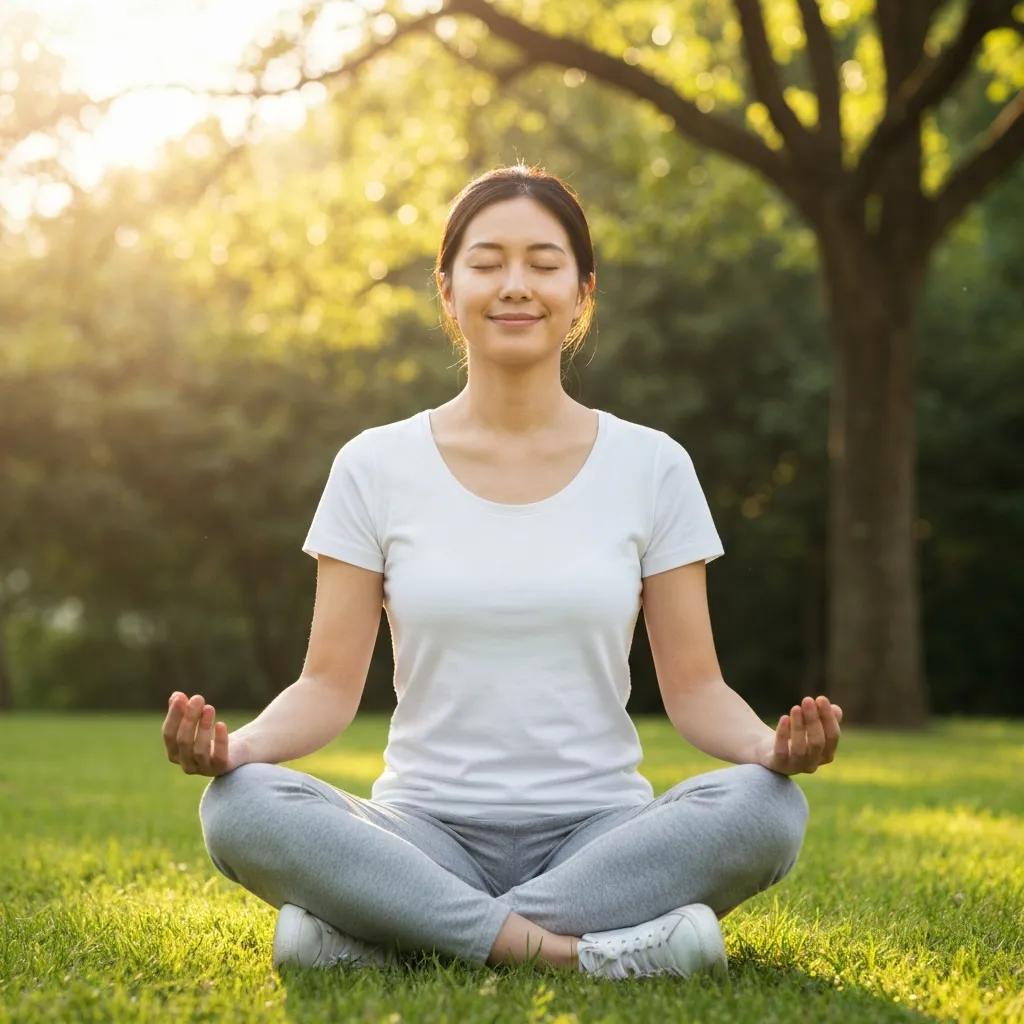
Deep breathing—often called diaphragmatic breathing—focuses on slow, full inhales that let the diaphragm do the work instead of shallow chest breaths. Physiologically, this increases vagal tone and activates the parasympathetic system, which counteracts the body’s fight‑or‑flight response: heart rate slows, cortisol production decreases, and muscles relax. Practically, deep breathing helps balance oxygen and carbon dioxide and reduces hyperventilation that can worsen anxiety, so many people feel calmer within minutes. Noticing the difference between shallow and deep breathing—rapid chest rise, shoulder tension, or lightheadedness—helps you self‑correct during stressful moments and keep a steadier baseline for daily life. Understanding these contrasts prepares you to learn the specific techniques that follow, each matched to things like panic control, falling asleep, or keeping focus during the day.
How Does Diaphragmatic Breathing Activate Relaxation?
Diaphragmatic breathing means inhaling so your belly rises while your chest stays relatively still, which engages the diaphragm and increases lung capacity. This movement stimulates baroreceptors and the vagus nerve, producing measurable parasympathetic effects—slower heart rate and lower blood pressure—that feel like calm. With regular practice, vagal tone improves over weeks, and stress responses become less reactive while emotional regulation strengthens. A simple self‑check places one hand on your chest and the other on your belly to confirm the abdomen moves more during inhalation. Consistent practice brings quick relief in the moment and supports longer‑term balance in the autonomic system.
What Are the Differences Between Shallow and Deep Breathing?
Shallow breathing relies on the upper chest and accessory muscles, creating faster breaths and lower diaphragmatic movement; it tends to keep the body in sympathetic arousal and can prolong anxiety. Deep breathing uses the diaphragm, slows the respiratory rate, and helps retain CO2—reducing lightheadedness and the panic sensations that come with hyperventilation. Common mistakes include lifting the shoulders, holding the breath, or forcing overly long inhales; simple posture cues—sit tall, relax the shoulders, breathe into the belly—correct these habits. Learning to spot the difference lets you apply quick corrective routines during stress and prevent escalation into more intense anxiety.
Which Deep Breathing Techniques Are Best for Stress and Anxiety Relief?
No single technique fits every situation. Some methods ground you quickly, others are better for sleep, and some support ongoing anxiety management. Below are concise descriptions, when to use each technique, and short practice notes so you can choose what works in the moment. Each entry includes how often to practice and common beginner adjustments so the exercises stay safe and effective. Matching the method to the situation—panic, pre‑sleep, or focused work—helps you get the most benefit.
- Diaphragmatic Breathing: Best for everyday stress reduction and baseline regulation; practice 5–10 minutes twice daily to build vagal tone.
- Box Breathing: Best for grounding before stressful tasks or to interrupt escalating anxiety; use 4–4–4–4 counts for 1–3 minutes.
- 4-7-8 Breathing: Best for sleep onset and acute calming; perform 4 cycles before bed or when stress prevents sleep.
- Alternate Nostril and Pursed-Lip Breathing: Best for focus, short resets, and breath-rate control during physical exertion.
This quick list links each technique to common needs and leads into the step‑by‑step sections below for practical learning and habit building.
How to Practice Diaphragmatic Breathing: Step-by-Step Guide and Benefits

Sit or lie comfortably, place one hand on your chest and the other on your abdomen, and inhale slowly through your nose so the belly rises while the chest stays relatively still. Exhale gently through pursed lips, feeling the belly fall. Aim for a comfortable inhale of about 4–6 seconds and an exhale of about 6–8 seconds—adjust to what feels natural and avoid strain. Practicing 5–10 minutes twice daily helps build the habit and delivers immediate calming plus gradual improvements in autonomic stability over several weeks. Benefits include a lower resting heart rate, reduced subjective stress, and better breath control during panic or exertion. Once you’re comfortable with the basic pattern, use it before presentations, during moments of withdrawal‑related panic, or whenever you need a quick reset.
What Is Box Breathing and How Does It Calm Anxiety?
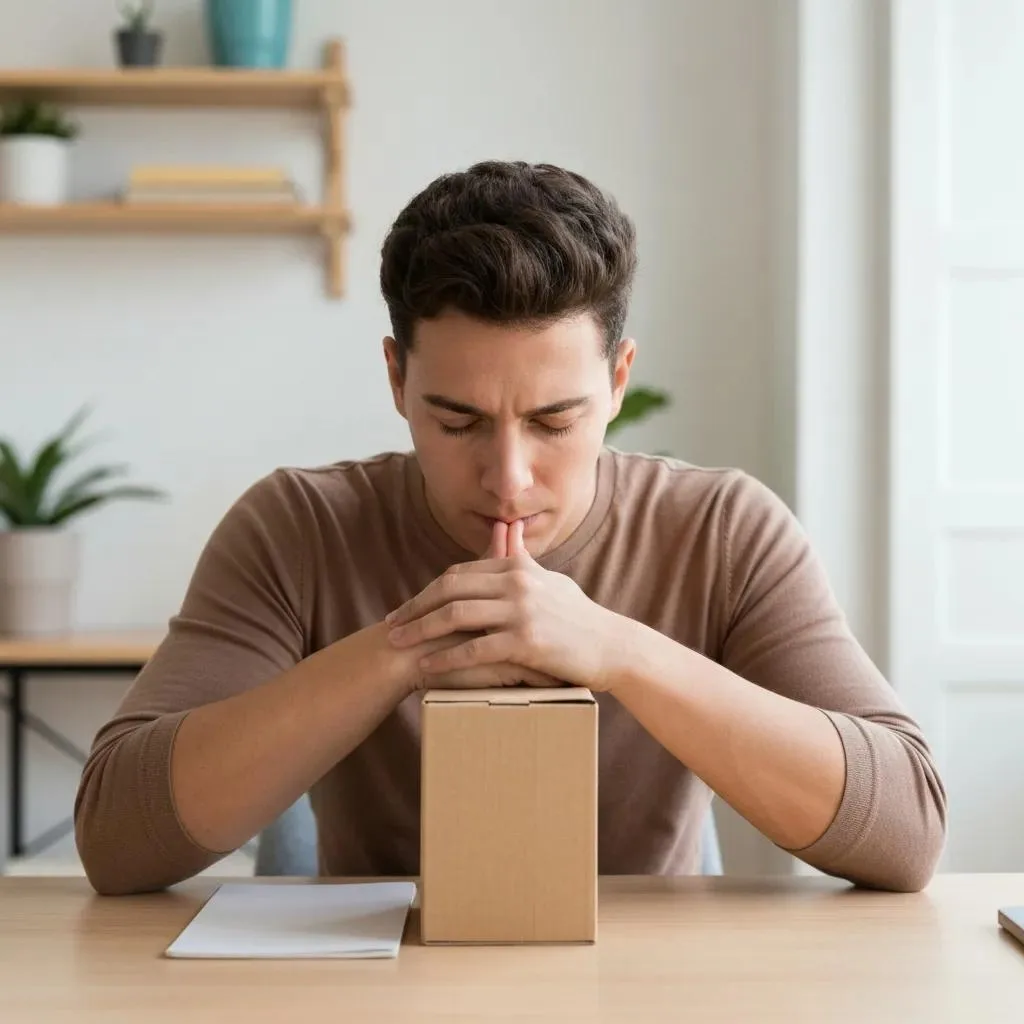
Box breathing (square breathing) uses equal counts for inhale, hold, exhale, and hold—commonly 4 seconds each—to create a steady rhythm that interrupts anxious thought patterns. The predictable cadence stabilizes breathing rate, improves CO2 tolerance, and engages attention—reducing physiological arousal and sharpening cognitive clarity. Beginners can start with 3‑second counts and build up; 4–8 cycles typically provide an effective grounding reset before stressful tasks or during acute agitation. Clinicians and performers often use box breathing because its structure helps restore a sense of control and focus.
How Does the 4-7-8 Breathing Technique Promote Relaxation and Sleep?
The 4‑7‑8 method asks you to inhale for 4 counts, hold for 7, then exhale for 8—lengthening the exhale to encourage parasympathetic dominance and help with falling asleep. Developed from relaxation training popularized by Dr. Andrew Weil, regular nightly practice—three to four cycles before bed—can shorten sleep latency and calm pre‑sleep rumination. People with respiratory conditions should adapt the counts for comfort. The extended exhale increases vagal tone and reduces sympathetic activity, creating a body state more ready for sleep. Use 4‑7‑8 as part of a short pre‑sleep routine with low light and minimal stimulation for the best effect.
What Other Calming Breathing Exercises Can Support Stress Management?
Other useful options include alternate nostril breathing for balanced attention, pursed‑lip breathing for airflow control during exertion, and guided paced breathing for beginners who prefer external cues. Alternate nostril breathing can sharpen focus and ease anxiety before therapy or studying. Pursed‑lip breathing helps keep airflow steady and calms you after physical strain. Guided exercises—via apps or short recordings—are helpful for timed practice and homework between sessions. Combining complementary techniques builds a personal toolkit for both acute moments and daily maintenance.
How Are Deep Breathing Exercises Integrated into Emulate Treatment Center’s Programs?
We include deep breathing across clinical pathways to support symptom management, emotional regulation, and skills building inside comprehensive treatment plans. Our goal is to give clear, practical information so people searching for help understand their options. We explain detox, inpatient care, outpatient support, and counseling in straightforward terms so you know what to expect. We also address common concerns about safety, privacy, and recovery expectations. Our tone is steady and professional so readers feel grounded—not pressured—toward the next step, whether that’s a call or a form submission. Below is an at‑a‑glance comparison showing how breathwork supports each phase of care.
This table shows how clinicians tailor breathwork to safety needs and therapy goals; breath exercises are used within broader clinical protocols rather than on their own. Emulate Treatment Center integrates breathwork in a structured, supervised way that supports recovery while protecting privacy and clinical safety.
How Does Deep Breathing Support Detox and Withdrawal Management?
During detox, acute anxiety, insomnia, and autonomic instability are common. Brief diaphragmatic routines and rescue breathing scripts can lower perceived distress and help patients tolerate medical observation. Breathwork in this phase is coordinated with medical monitoring and medication plans so techniques complement—not replace—clinical interventions. Staff teach short, repeatable sequences (one to three minutes) that patients can use during spikes of sympathetic arousal; nursing oversight ensures safety if breathing changes oxygenation or interacts with medications. Emphasizing predictability, privacy, and safety helps people in withdrawal feel more grounded and supported.
What Role Does Mindful Breathing Play in Inpatient and Outpatient Care?
In inpatient settings, mindful breathing is taught in group classes and offered as bedside coaching to reinforce coping skills between therapy sessions and to improve sleep. Outpatient programs usually provide one‑on‑one coaching, assigned daily practice, and regular check‑ins to integrate breathing into relapse‑prevention plans. Typical scheduling includes short daily home practice (5–10 minutes) and weekly supervised sessions that connect breathwork to CBT and mindfulness‑based interventions. This stepped approach moves people from guided practice to independent use while clinicians track adherence and response.
How Is Breathwork Used in Counseling for Stress and Anxiety?
Therapists use breathwork to ground clients before exposure tasks, to lower physiological arousal during processing, and to provide homework that reinforces session learning. In‑session scripts are brief and prescriptive—simple steps clients can recall when panic rises or decisions trigger anxiety—so they leave with practical, usable tools. Breathwork is taught within the therapeutic alliance with attention to confidentiality and ethics; clinicians watch for adverse reactions or signs that deeper therapeutic work is needed. Paired with cognitive restructuring and behavioral experiments, breathwork increases the chance of durable symptom improvement.
What Are the Additional Benefits of Regular Deep Breathing Beyond Stress Relief?
Regular deep breathing offers benefits beyond immediate calm—helping sleep quality, focus, emotional stability, and some physical markers. Repeated parasympathetic activation often leads to shorter sleep latency, better attention during demanding tasks, and lower resting heart rate over weeks to months. Breathwork isn’t a cure for chronic medical conditions, but it supports overall wellness by reducing muscle tension, improving breathing efficiency, and aiding recovery from stressful episodes. The comparison below links techniques to their physiological mechanisms and expected benefits so you can pick practices that match your goals.
This comparison highlights that choosing the right technique helps produce the physiological shift you want, and regular practice compounds those benefits over time.
How Does Deep Breathing Improve Sleep Quality and Emotional Regulation?
Breathing exercises before bed lower sympathetic arousal and help you fall asleep by lengthening the exhale and quieting racing thoughts—especially when combined with good sleep hygiene. Practicing 4‑7‑8 or diaphragmatic breathing as part of a short nightly routine can reliably shorten time to sleep for many people. Emotional regulation improves because regular breath practice increases tolerance for distress and strengthens the ability to return to baseline after upsetting events. Over weeks, consistent practice makes breathing an automatic first‑line coping tool.
Can Deep Breathing Enhance Focus and Physical Well-being?
Short midday resets—two to five minutes of box breathing, for example—can restore attention and reduce mental fatigue, producing measurable gains in sustained concentration. Physically, better breathing mechanics lower reliance on accessory muscles, ease shoulder tension, and may modestly reduce resting blood pressure for some people when practiced consistently. Breathwork works best alongside other healthy habits like regular exercise, sleep hygiene, and therapeutic support when needed.
How Can Families Support Loved Ones Using Deep Breathing Techniques?
Families can help by learning, modeling, and gently reinforcing breathing practices while respecting boundaries and privacy during treatment. When family members know short scripts and simple coaching phrases, they can offer nonjudgmental prompts and practice together in safe settings, helping the person in recovery carry skills from clinic to home. Emphasizing consent and boundaries prevents overstepping, and clinicians can advise families on how to participate in practice plans. Practical family support strengthens adherence and contributes to relapse prevention in a compassionate, structured way.
- Model Calm: Practice techniques together so the behavior feels normal and stigma decreases.
- Use Short Scripts: Offer 2–3 sentence prompts that cue diaphragmatic or box breathing during stress without lecturing.
- Respect Boundaries: Ask permission before coaching and be mindful of privacy when someone is in treatment.
What Are Practical Tips for Teaching Breathing Exercises to Family Members?
Teach breathwork with short demonstrations, simple language, and paired practice so learners can mirror the mechanics and notice immediate effects. Start with a 2–3 minute demo of diaphragmatic breathing, then have the learner lead one cycle to build confidence; use encouraging, noncritical language. Troubleshoot common issues—shallow chest movement or shoulder tension—by offering posture cues and suggesting seated or reclined positions. Focus on short, daily micro‑practices that fit into existing routines, like after meals or before bedtime, so habit forms without adding burden.
How Can Daily Breathing Practice Maintain Long-Term Recovery?
A simple 4‑week starter plan builds a habit from guided sessions to independent practice and measurable improvements in stress tolerance. Week 1 introduces two daily 5‑minute diaphragmatic sessions; Week 2 adds box breathing for situational use; Week 3 brings in 4‑7‑8 at night; Week 4 focuses on combining techniques and tracking progress. Habit stacking—pairing breathwork with an established routine like morning hygiene—helps with consistency. Clinicians can track progress with symptom check‑ins and practice logs. If practice stalls or symptoms worsen, involve counselors or clinical teams to adjust the plan and address underlying issues.
What Are Common Questions About Deep Breathing for Stress Relief?
This FAQ answers practical questions about choosing techniques, how long to practice, managing panic, and when to seek professional help. Each short answer gives direct guidance you can try right away and points to clinical signs that warrant a specialist assessment. The responses are designed for quick reading and clear decision‑making in both everyday and clinical contexts.
What Are the 3 Best Breathing Exercises for Stress?
The three most widely useful exercises are diaphragmatic breathing for baseline regulation, box breathing for grounding during acute stress, and 4‑7‑8 breathing for sleep and pre‑sleep anxiety. Use diaphragmatic breathing for daily practice, box breathing for performance or panic prevention, and 4‑7‑8 as part of a bedtime routine. These three form a compact toolkit that covers most common stress situations and keeps practice simple for beginners.
How Long Should You Practice Deep Breathing Exercises Daily?
A starter dose of 5–10 minutes twice daily is effective for most people, with short situational uses (1–3 minutes) as needed during the day. Over several weeks you can increase to 15–20 minutes daily if you want greater autonomic change, but clinicians emphasize consistency over duration to make the skill automatic. Expect immediate calming within minutes and more stable baseline changes in about 2–8 weeks of regular practice.
How Can Deep Breathing Calm Anxiety and Panic Attacks?
During panic, scripts that slow the breathing rate and lengthen exhalation reduce hyperventilation and activate vagal pathways, easing dizziness and chest tightness. A practical rescue script: inhale slowly for 4 counts, exhale for 6–8 counts, and repeat for 6–10 cycles while grounding with a sensory cue (for example, name five objects in the room). If you experience chest pain, fainting, or severe shortness of breath that doesn’t respond to breathing, seek emergency care—breathwork supports coping but is not a substitute for urgent medical evaluation when red flags appear.
What Is Diaphragmatic Breathing and Why Is It Effective?
Diaphragmatic breathing shifts respiratory effort from the upper chest to the diaphragm, increasing tidal volume and engaging parasympathetic pathways that calm stress physiology. It works because it changes both mechanics and autonomic signaling—giving immediate calming and, with regular practice, greater resilience to stress. A simple cue: place one hand on the belly and one on the chest and aim to feel the belly rise more than the chest with each inhale.
When Should You Seek Professional Help for Stress and Anxiety?
Seek professional assessment when stress or anxiety causes ongoing impairment in daily functioning, when severe panic doesn’t respond to self‑help, when you have suicidal thoughts, or when symptoms threaten safety or relationships. Emulate Treatment Center can help people understand treatment options and connect with a safe, supportive recovery program—we explain clinical pathways, intake procedures, scheduling, and privacy so families and individuals know what to expect. If there is immediate danger, contact emergency services; for persistent concerns, schedule a clinical assessment to determine whether therapy, medication, or a structured program is the right next step.
This article covered practical techniques and clinical integration so you can use breathwork safely, teach it to others, and know when to seek professional support. Use the step‑by‑step scripts, practice schedules, and comparison tables above as a foundation for consistent, evidence‑informed breathing practice that supports stress relief and recovery.
Frequently Asked Questions
What are the physiological effects of deep breathing on the body?
Deep breathing primarily activates the parasympathetic nervous system, which helps lower heart rate and blood pressure and reduces stress hormones such as cortisol. It also improves oxygen exchange and supports overall lung function and tissue oxygen delivery. Over time, regular practice can improve emotional regulation and resilience to stress, making it a useful tool for both mental and physical health.
Can deep breathing exercises be used in combination with other stress management techniques?
Yes. Deep breathing pairs well with mindfulness meditation, yoga, progressive muscle relaxation, and similar practices. These approaches complement each other by boosting relaxation and bodily awareness. For example, adding deep breathing to a yoga sequence can deepen the practice and enhance its calming effects.
How can I incorporate deep breathing into my daily routine?
Start with 5–10 minutes in the morning or evening for dedicated practice. Use short reminders—before meals or during breaks—to do quick exercises. Pair breathing with established habits, like brushing your teeth or waiting for coffee, so it becomes a natural part of your day without feeling like extra work.
Are there any specific populations that benefit more from deep breathing exercises?
Certain groups often gain particular benefit: people with anxiety disorders, chronic stress, or some respiratory conditions, as well as those in recovery from substance use who need tools for cravings and stress. Athletes may use breathwork to improve focus and performance. Tailoring technique and pacing to individual needs is important.
What should I do if I feel lightheaded while practicing deep breathing?
Lightheadedness can come from breathing too quickly or hyperventilating. Slow your rate, focus on longer exhales, and return to a comfortable rhythm. Breathing into a paper bag for a short moment can help rebalance carbon dioxide if you recognize hyperventilation. If lightheadedness continues or is frequent, consult a healthcare professional to rule out underlying causes.
How can I teach deep breathing techniques to children?
Make it simple and fun: use simple metaphors like “blowing up a balloon” or “bunny breaths” (small quick inhales, slow long exhales). Turn practice into a game or story, keep sessions short, and practice together so kids can mirror you. Consistent, calm practice in a relaxed setting helps children learn to use breathing to manage emotions.
What are some common mistakes to avoid when practicing deep breathing?
Common errors include shallow chest breathing, holding the breath, and forcing long inhales. Focus on using the diaphragm so the abdomen rises more than the chest, keep shoulders relaxed, and work at a comfortable pace. Gradually increase duration and depth as the practice feels natural.
Conclusion
Deep breathing is a simple, evidence‑informed way to reduce stress, improve emotional regulation, and support overall well‑being. Techniques like diaphragmatic breathing, box breathing, and the 4‑7‑8 method offer immediate calming effects and meaningful benefits with regular practice. Learning when and how to use each method helps you take control of stress responses in daily life. Start with short, consistent practice and use the resources here to build a routine that fits your needs—one breath at a time.