California Addiction Treatment Success Stories You Need to Read: Real Recovery Journeys and Proven Outcomes
Searching for “California addiction recovery testimonials” often starts from a place of confusion and urgency. This guide presents anonymized success stories alongside a clear roadmap of treatment stages so you can see how evidence-based care leads to lasting progress. You’ll read how medically supervised detox, residential treatment, outpatient programs, and counseling each play a role in measurable recovery — and how family involvement and aftercare complete the picture. Our aim is practical: reduce overwhelm, explain what to expect at each step, show real pathways with concise vignettes, and offer straightforward next steps to connect with care. Where helpful, we anchor descriptions in treatment science and explain how Emulate Treatment Center maps services to common care stages in a factual, non-promotional way. Continue for stage-by-stage explanations, anonymized examples, family-focused guidance, and clear intake steps to help you move forward.
What Are the Key Stages of Addiction Treatment in California?
Treatment follows a continuum: medically supervised detox, inpatient/residential rehabilitation, outpatient services (including IOP), and counseling-based aftercare. Each stage has a specific clinical purpose — from managing acute medical risk to rebuilding daily life and maintaining long-term recovery through behavioral care. Knowing how these stages differ and when people commonly transition between them helps families and those seeking help choose appropriate care and set realistic timelines. Below is a compact comparison that makes these differences easy to scan.
The table below summarizes each primary stage, the core services delivered, and common expectations for what happens next during the first weeks of care.
This comparison shows how each stage fits into a larger recovery plan: detox secures medical safety, residential care builds skills, outpatient care supports reintegration, and aftercare sustains gains over time. Understanding these roles helps families and referral sources match clinical need to program intensity and prepares readers for the deeper explanations that follow.
How Does Detox Support the Start of Recovery?

Detoxification is the medically supervised process that manages withdrawal and reduces immediate physical risk so therapeutic work can begin safely. Clinical teams monitor symptoms, correct metabolic issues, and — when appropriate — use medication-assisted approaches to ease withdrawal and lower complication risk. Detox’s main goal is physiological stabilization and readiness for structured treatment; it’s not a standalone cure. Families preparing for detox should know stabilization is followed by a clinical assessment to determine the next level of care, ensuring the medical gains from detox connect directly to behavioral treatment.
Why Is Inpatient Care Crucial for Lasting Sobriety?
Inpatient residential care gives people a controlled, supportive setting for focused therapeutic work. With a daily schedule that blends individual therapy, group sessions, education, and clinical oversight, residents address co-occurring mental health conditions and learn relapse-prevention skills. The immersive nature of residential programs reduces exposure to triggers and accelerates skill-building. For many, this concentrated time produces measurable progress and clearer aftercare plans — and the planned step-down to outpatient services helps preserve those gains over the long term.
Which California Addiction Recovery Stories Inspire Hope?
Real recovery stories show the many routes people take through care and how different services combine to create positive results. Below are anonymized vignettes that reflect common California pathways: detox-to-outpatient, inpatient-to-IOP, counseling-focused recovery, and family-supported aftercare. Each example ties a turning point to specific program elements without promising outcomes for everyone.
These anonymized accounts cover varied substance histories, ages, and co-occurring challenges and emphasize the processes clinicians recognize as meaningful. They demonstrate that tailored plans and steady support — rather than a single “fix” — usually produce durable improvement. The short narratives that follow show how detox, residential care, outpatient engagement, and family involvement can build recovery momentum.
- Detox-to-Outpatient: After medical stabilization in detox, a young adult completed a brief residential assessment and moved into an intensive outpatient program with twice-weekly groups and weekly individual therapy, which supported a return to work and continued sobriety.
- Inpatient Transformation: A middle-aged person with co-occurring anxiety entered residential care, received trauma-informed therapy and psychiatric coordination, and stepped down to IOP with a clear aftercare plan and peer-alumni support.
- Counseling-Led Recovery: Someone with long-standing alcohol use focused on individual and family therapy to process grief, build relapse-prevention skills, and reconnect with community supports.
- Family-Focused Success: A parent-supported path combined family therapy, education sessions, and case management to reduce home triggers and align the household around steady recovery practices.
These vignettes show that change commonly follows a sequence: stabilization, concentrated therapeutic work, and sustained outpatient supports. The sections below offer detox- and inpatient-centered examples that highlight these pathways.
What Are Notable Detox Success Stories in California?
Detox-focused stories emphasize safe stabilization and smooth handoffs to ongoing care, especially when families and providers coordinate early transitions. One anonymized account describes successful withdrawal management followed by quick placement in an intensive outpatient program, preserving early health gains and cutting readmission risk. Another shows how medically supervised detox enabled rapid psychiatric assessment and the start of trauma-informed therapy, allowing the person to engage in longer-term psychosocial rehabilitation. These examples underline that detox is a vital first step that requires coordinated planning to translate medical stability into sustained recovery work.
How Have Inpatient Rehab Patients Transformed Their Lives?
Inpatient success stories often highlight the concentrated therapeutic environment and the chance to practice new coping skills away from high-risk situations. Case sketches show residents who complete multidisciplinary assessments and focused therapies commonly leave with concrete relapse-prevention plans and scheduled outpatient follow-up. Peer groups and family therapy during residency often improve motivation and adherence to aftercare. Early post-discharge milestones — like regular outpatient attendance and participation in community supports — are common signals of a positive transition from residential care.
How Do Outpatient Programs and Counseling Sustain Long-Term Recovery?
Outpatient care and counseling are central to long-term recovery, addressing the underlying drivers of substance use while supporting reintegration into work, family, and social roles. Outpatient intensity varies from weekly therapy to IOPs that meet several times a week; each level balances therapeutic dose with day-to-day responsibilities. Evidence-based approaches such as cognitive-behavioral therapy (CBT), trauma-informed care, and family therapy help change thinking patterns, manage cravings, and resolve trauma. Sustained outpatient engagement — often measured in months — is linked with better long-term outcomes when combined with peer and community supports.
Common outpatient and counseling supports include the options below; each fits different needs and stages of recovery.
- Standard Outpatient Therapy: Weekly individual counseling plus periodic groups to support gradual behavior change while maintaining daily routines.
- Intensive Outpatient Program (IOP): Multiple weekly group and individual sessions for those needing structured therapeutic contact without residential placement.
- Aftercare and Alumni Programs: Ongoing peer groups, periodic check-ins, and recovery coaching that help sustain engagement after formal treatment ends.
These options let people step down from more intensive care or begin treatment while keeping work and family responsibilities. The next subsection shares outpatient examples that show how session frequency and wraparound supports help preserve recovery gains.
What Are Examples of Outpatient Program Triumphs in California?
Outpatient success stories focus on steady engagement and concrete reintegration outcomes like steady employment or repaired relationships. One example describes someone who kept working while attending IOP three times a week and used case management to secure stable housing and community supports. Another shows a person who moved from residential care to weekly therapy and peer groups, maintaining recovery through a structured relapse-prevention plan and employment coaching. These outcomes demonstrate that measurable progress in outpatient settings often depends on a schedule that balances intensity with life needs and access to supportive services.
How Does Counseling Address Underlying Addiction Issues?
Counseling targets the psychological and social drivers of substance use using evidence-based approaches such as CBT, motivational interviewing, and trauma-informed therapy. These methods help reframe unhelpful thinking, manage cravings, and process past trauma. Clinicians assess for co-occurring conditions and tailor interventions to treat both substance use and mental health needs, coordinating with psychiatric services when needed. Family therapy can improve communication and create safer home environments, strengthening relapse prevention. Regular therapy over months builds skills and resilience — key elements for preventing relapse and supporting sustained recovery.
How Does Family Support Influence Addiction Recovery Success in California?
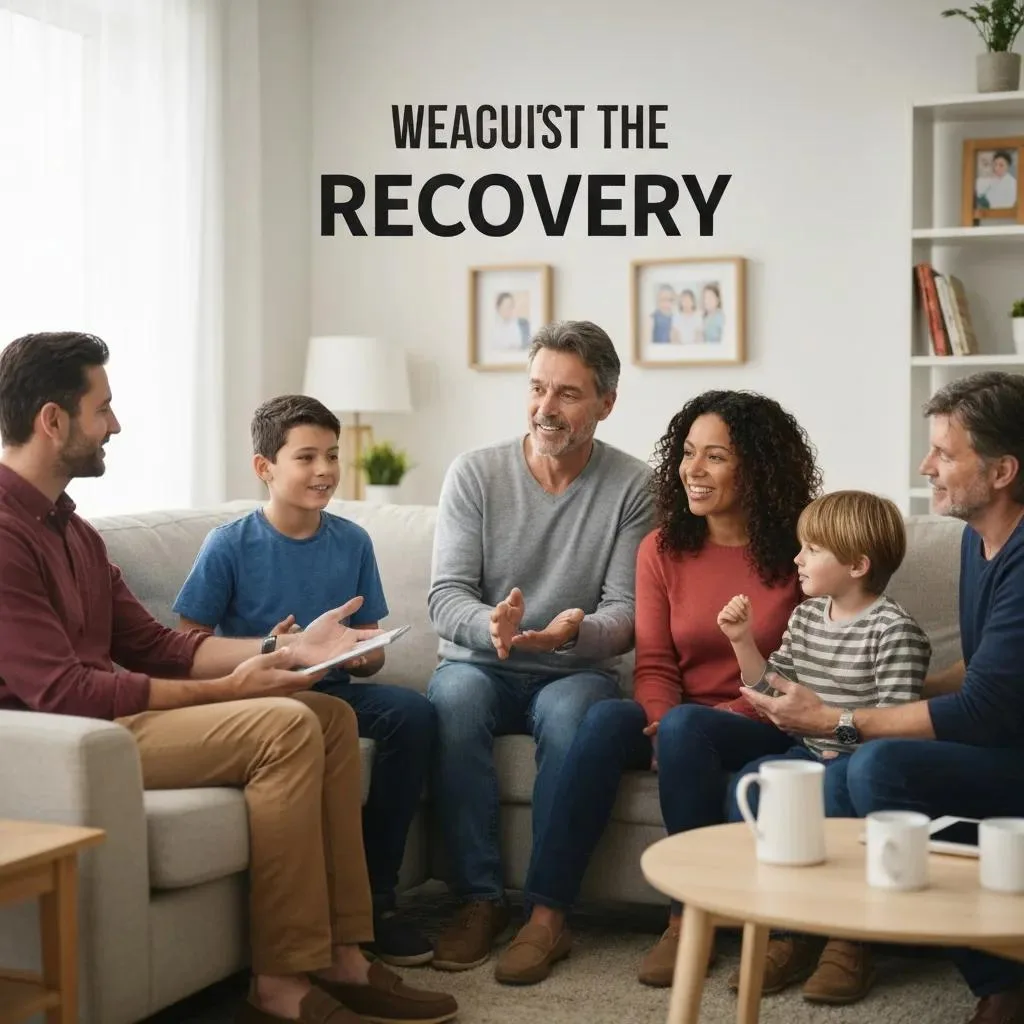
When families engage appropriately, they significantly improve recovery outcomes by offering emotional steadiness, practical help, and accountability. Family-inclusive interventions — family therapy, education groups, and support networks — teach relatives about addiction, help them adopt supportive behaviors without enabling, and improve treatment engagement. Families involved in planning and aftercare coordination often see better participation and fewer early relapses. Practical steps families can take include learning effective communication, setting clear boundaries, and tapping community resources to support their own wellbeing.
Families can support recovery without replacing clinical roles. The list below outlines three practical, evidence-based actions families commonly find helpful.
- Learn About Addiction: Educate yourselves on substance use disorder, relapse triggers, and treatment phases to set realistic expectations and reduce stigma.
- Establish Supportive Boundaries: Use consistent, non-punitive boundaries that encourage treatment adherence while keeping loved ones safe.
- Join Supportive Networks: Take part in family education groups or community supports that offer guidance and peer encouragement.
These steps help create a household environment that supports accountability and reduces relapse triggers, and they lead naturally to how families can locate and use resources during treatment.
What Are Family Members’ Perspectives on the Recovery Journey?
Family members often describe the recovery journey as stressful but hopeful when they pair education with supportive practices and clinical care. One anonymized family vignette recalls skepticism turning into active partnership after attending education sessions and family therapy, which improved communication and reduced crisis-driven reactions. Common takeaways include the value of clear boundaries, involvement in treatment planning, and access to caregiver supports to manage stress and burnout. These insights reinforce that family engagement is a vital piece of comprehensive, sustainable recovery.
How Can Families Access Support Resources During Treatment?
Families can find resources through treatment providers, county behavioral health programs, and national helplines — and they should ask intake teams about family education and therapy options. Useful questions include whether family sessions are offered, how confidentiality works, and what local caregiver support groups exist; answers reduce uncertainty and help families prepare. Case managers often connect families to financial, legal, and housing resources that stabilize the home during transitions. Proactive resource navigation by families complements clinical care and lessens logistical burdens that can derail recovery.
What Makes Emulate Treatment Center’s Approach Effective for California Patients?
Emulate Treatment Center structures services around the standard continuum — detox, inpatient, outpatient, and counseling — while prioritizing clear intake pathways, coordinated care, and family involvement to support measurable progress. Described here in neutral, procedural terms, Emulate’s programs include clinical assessment, individualized care planning, multidisciplinary therapy, and discharge planning that links people to aftercare. Safety and privacy practices, plus practical insurance navigation and family resources, are woven into intake conversations to reduce friction for those seeking help. This account explains how a center like Emulate maps services to common clinical needs while keeping guidance reader-focused and factual.
Below is a compact comparison showing program types, core components, and typical support levels to help readers choose the right level of care.
This table clarifies how program intensity scales with support level and how each program typically connects to the next phase of care. The sections that follow describe program structure and safety practices to set clear expectations for intake.
How Are Treatment Programs Structured for Optimal Outcomes?
Programs start with a clinical assessment to determine medical risk, co-occurring conditions, and psychosocial needs, which informs an individualized care plan matched to the right level of care. Core elements include evidence-based therapies (individual and group), family participation options, medication management when indicated, and active discharge planning that arranges outpatient follow-up and community resources. Multidisciplinary teams coordinate care for dual-diagnosis cases and tailor relapse-prevention strategies. Clear planning at admission supports continuity of care and increases the chance of sustained engagement after formal treatment ends.
What Safety and Privacy Measures Ensure Patient Confidence?
Facilities maintain confidentiality consistent with privacy laws and clinical best practices, and clinicians review consent and information-sharing limits during intake. Medical oversight in detox and inpatient care includes crisis-response protocols and clinical escalation procedures to protect safety, while anonymization rules guide how personal stories are shared publicly. Families should ask providers about these safeguards during intake to confirm clinical governance and privacy norms. Knowing these protections helps people feel secure pursuing treatment and comfortable contributing anonymized recovery stories when appropriate.
How Can You Take the Next Step Toward Recovery at Emulate Treatment Center?
Getting started is easier with a clear, low-pressure process that explains contact options, intake steps, and what to expect during first conversations. Emulate accepts inquiries through standard channels and conducts an initial screening to assess immediate safety needs, clinical acuity, and possible placement options before outlining next steps. During intake, sharing basic information about medical history, current substances, and insurance concerns helps clinicians recommend the most appropriate care level. The checklist below gives a simple, step-by-step view of what typically happens when someone reaches out.
- Initial Contact and Screening: A brief conversation to assess immediate medical risks and determine appropriate next steps.
- Clinical Assessment and Documentation: Collection of health history, substance-use details, and any information needed for clinical placement.
- Placement and Scheduling: Coordination of the appropriate program level (detox, inpatient, IOP, or counseling) and planning of arrival or first session.
- Insurance and Administrative Coordination: Verification steps to clarify coverage options and confirm logistical arrangements.
This sequence reduces uncertainty and helps families know what information to have ready during first contact. The table below outlines contact methods and typical processing times so you can plan accordingly.
After these initial steps, clinical teams prioritize safety and continuity of care — arranging medical stabilization if needed and scheduling therapeutic intake appointments. Families and individuals are encouraged to ask about privacy, family therapy options, and basic insurance navigation during early conversations to reduce barriers to effective placement.
What Are the Contact Options and Intake Process?
The intake process usually begins with a screening to check medical stability and immediate needs, followed by a detailed clinical assessment that guides placement and individualized care planning. Helpful documents to have include a list of current medications, a brief medical history, and any insurance information to speed verification. After assessment, clinical staff coordinate next steps: scheduling detox, reserving a residential bed, or enrolling in outpatient or IOP services. Clear communication and asking about family participation during intake make the transition into care smoother and more predictable.
Where Is Emulate Treatment Center Located in California?
To find the center’s location or nearby licensed services, use Emulate’s public listing or a verified business profile to confirm facility address and licensing details, and to plan logistics for in-person visits or admissions. When traveling for care, arrange for privacy during intake and coordinate family support or transportation ahead of time to reduce stress on arrival. If an in-person placement isn’t immediately available locally, ask intake staff about nearby alternatives or interim outpatient supports while waiting for a residential spot. Preparing these details in advance helps keep momentum during the early stages of treatment and makes family participation easier.
Frequently Asked Questions
What is the role of family therapy in addiction recovery?
Family therapy helps families communicate more effectively, understand addiction, and support recovery without enabling harmful behaviors. In structured sessions, families address underlying issues, set healthy boundaries, and build strategies to reduce relapse risk. Participating in family therapy strengthens relationships and creates a more supportive home environment, making it an important part of comprehensive treatment plans.
How can I identify the right treatment program for my needs?
Finding the right program starts with a clinical assessment of substance-use severity, co-occurring mental health conditions, and your daily responsibilities. Consult a healthcare professional for an evaluation, and consider program components like therapy types, medical support, and duration. Programs that include family involvement and aftercare often improve long-term outcomes. Asking detailed questions during intake will also clarify which option best fits your situation.
What are the signs that someone is ready for outpatient treatment?
Signs someone may be ready for outpatient care include a stable living environment, a commitment to recovery, and the ability to attend regular therapy while handling daily responsibilities. Completion of a higher level of care (like inpatient treatment) combined with motivation to continue therapy is another indicator. A reliable support network of family or friends also improves the chances of success in outpatient programs.
What should I expect during the initial intake process?
Expect a thorough assessment of medical history, substance-use patterns, and any co-occurring mental health issues. The intake team will discuss treatment goals, explain program options, answer questions, and outline next steps. The goal is to match you with a personalized care plan that fits your needs and circumstances.
How does aftercare support contribute to long-term recovery?
Aftercare provides ongoing support after formal treatment ends — through check-ins, peer groups, and counseling — and reinforces coping strategies while addressing relapse triggers. Continued engagement in aftercare strengthens accountability and community connections, significantly improving the chances of sustained sobriety.
What are the benefits of medication-assisted treatment (MAT)?
Medication-assisted treatment (MAT) pairs medications with counseling and behavioral therapies to reduce withdrawal symptoms and cravings, making it easier to engage in therapy and work toward long-term recovery. MAT is particularly effective for opioid and alcohol use disorders and is tailored to individual clinical needs to improve stabilization and treatment outcomes.
How can I support a loved one going through addiction treatment?
Supporting someone in treatment means being present, listening without judgment, and encouraging their progress. Learn about addiction to better understand their experience, help them maintain healthy routines, and encourage therapy and support-group participation. Set clear boundaries to protect your wellbeing and consider joining family support groups for additional guidance and peer support.
Conclusion
Knowing the stages of addiction treatment in California helps individuals and families navigate recovery with greater confidence and clarity. Real success stories show how tailored care and family support combine to produce lasting change. Taking the first step matters, and Emulate Treatment Center is available to guide you through the process. Reach out to learn how we can support your path to a healthier, sober life.