
Art Therapy: Techniques and Benefits for Mental Health and Wellness
Art therapy blends creative activity with clinical care to support emotional healing, strengthen coping skills, and improve overall mental health through nonverbal and symbolic work. This guide explains what art and expressive arts therapy are, how common techniques affect the brain and body, and why clinicians increasingly add creative approaches to comprehensive treatment. Many people with depression, anxiety, PTSD, or chronic stress find talking alone doesn’t fully capture their experience; creative therapies open alternative paths for regulation, meaning-making, and social reconnection. You’ll learn core methods (painting, drawing, sculpting, music, movement, creative writing), evidence-based benefits (emotional, cognitive, physiological), how art is used for depression and trauma, and simple at-home mindfulness-and-art routines to support recovery. The guide also shows how creative therapy fits into levels of care—detox, inpatient, outpatient—and what to expect around intake, scheduling, privacy, and family involvement. Throughout, the focus is practical: clear mechanisms, stepwise actions, and gentle next steps toward clinical support when appropriate.
What Is Art Therapy and How Does It Support Mental Health?
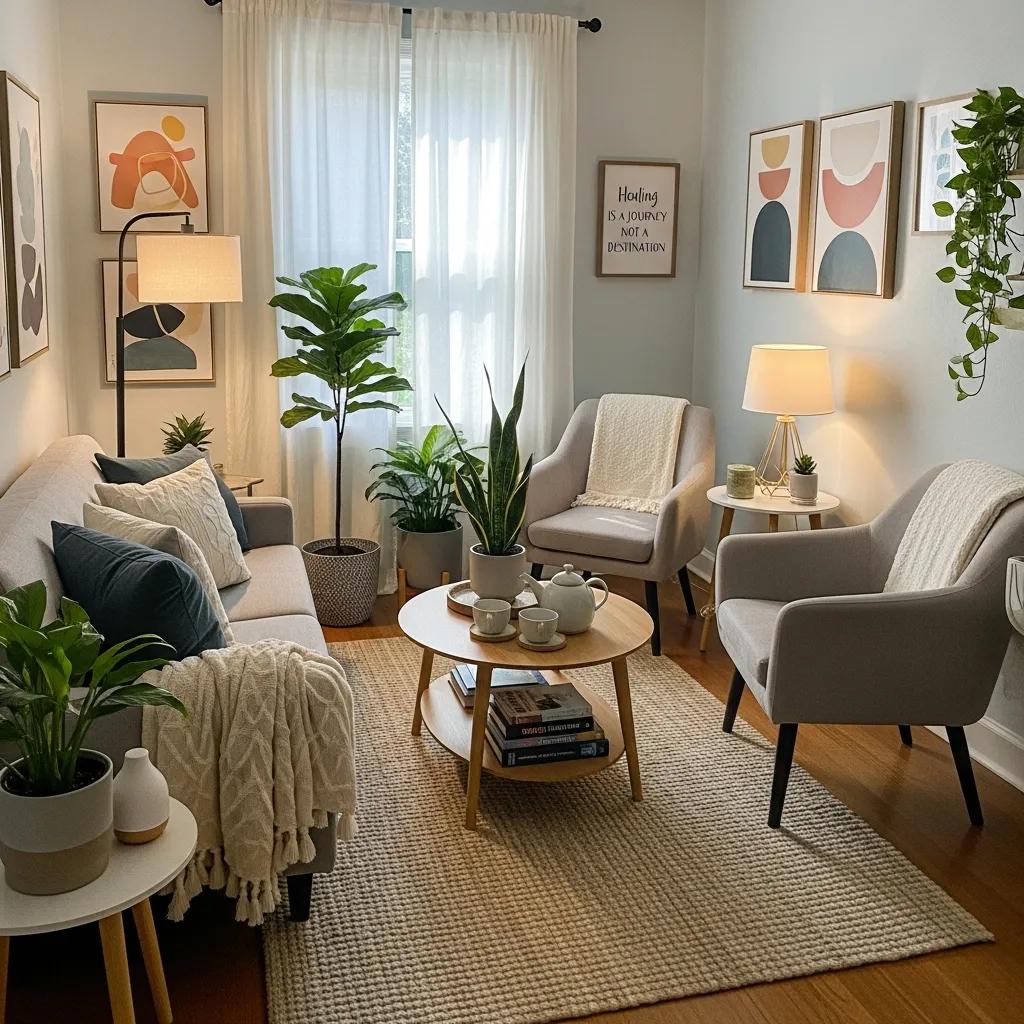
Art therapy — also called creative or expressive arts therapy — is a psychotherapy that uses visual and performing arts to help people express emotions, gain insight, and change unhelpful patterns. By offering nonverbal and symbolic ways to communicate, art therapy can calm emotional centers, support cognitive reframing, and lower physiological stress. The outcomes often include better emotional regulation, greater self-awareness, and a safer way to approach painful memories or feelings. Core elements are a trusting therapeutic relationship, structured activities tailored to the client, and trauma-informed pacing to create predictability and containment. These foundations explain why art therapy is effective across diagnoses and care settings and lead into the specific techniques clinicians commonly use.
What Are the Key Techniques Used in Art Therapy?
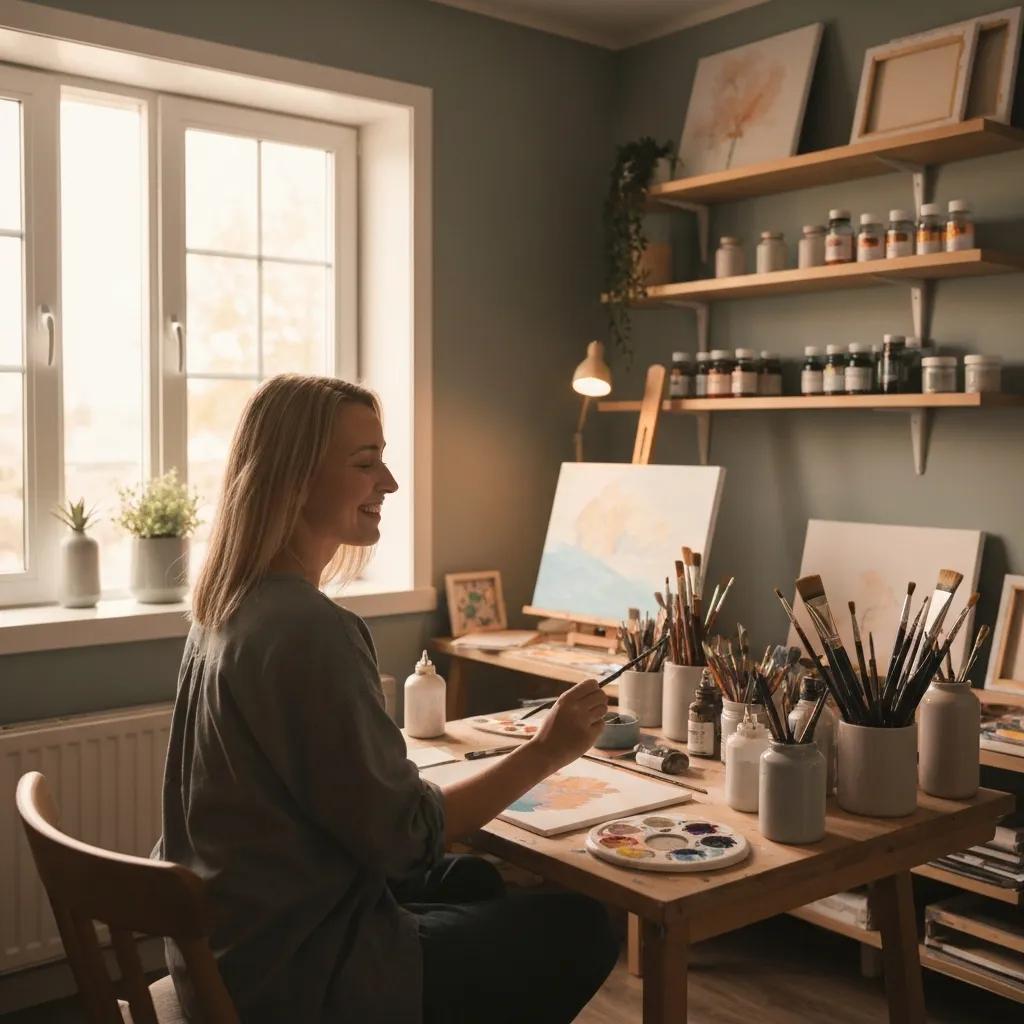
Art therapy uses many modalities—painting, drawing, collage, sculpting, music, movement, drama, and creative writing—selected to match a client’s energy, preferences, and treatment goals. Painting and drawing help make inner states visible and externalize emotion. Collage offers a lower-pressure way to assemble stories and organize memory fragments. Sculpting and other tactile media support grounding and sensorimotor processing, which is often helpful in trauma work. Music and movement tap rhythm and the body to reduce hyperarousal. Therapist-led sessions balance directive prompts with open creative time; self-guided practices can be used between sessions to reinforce skills. Clinicians choose techniques based on readiness, goals, and safety considerations.
How Does Art Therapy Facilitate Emotional Expression and Healing?

Art therapy creates symbolic distance between intense feelings and reflective processing, allowing clients to observe and rework experiences with less overwhelm. For example, when someone paints a difficult memory, the image becomes an external object that can be safely explored, labeled, and gradually reorganized into a narrative. That externalization supports new meaning-making and helps integrate emotion with thought, which can aid memory reconsolidation within a regulated setting. Therapists support this work with grounding practices, containment strategies, and carefully paced exposure so symbolic exploration doesn’t destabilize the client. Over time, this approach increases tolerance for difficult feelings and builds more adaptive coping skills.
What Are the Proven Benefits of Art for Mental Wellness?
Art-based therapies support mental wellness across emotional, cognitive, and physiological domains and work alongside talk therapies. Expressive arts therapy helps process emotions and can trigger beneficial neurochemical changes (for example, lowering cortisol and engaging reward pathways). It also promotes cognitive reframing and self-reflection and fosters social connection through group work. The combined effect often includes reduced symptoms of anxiety and depression, improved emotional regulation, and measurable stress reduction. The table below maps common benefits to mechanisms and evidence to show how creative interventions target multiple aspects of recovery.
Different benefits of art therapy map to specific mechanisms and measurable outcomes.
In short, art therapy works on body, brain, and relationships to deliver measurable benefits that support broader clinical goals.
Art therapy reduces stress and anxiety through both psychological and physiological routes, helping people enter focused, present-moment “flow” that interrupts rumination. During creative tasks many people notice a slower heart rate and a calmer mind as attention narrows to sensory experience and the process itself. Clinicians often combine art-making with breathwork, guided imagery, and grounding prompts to stabilize anxious clients and teach skills that transfer to daily life. These approaches are useful in short crisis interventions and in longer outpatient work to lower baseline anxiety and improve functioning. Reduced physiological arousal lays the groundwork for deeper emotional processing later in treatment.
Art therapy also builds self-awareness and regulation by producing visible artifacts clients can reflect on with a clinician, supporting insight and cognitive restructuring. Practices like art journaling or montage projects let clients track themes, triggers, and progress over time, strengthening metacognitive skills. Therapists use structured reflection to link artwork to real-life behavior, turning symbolic discoveries into practical coping strategies. Repeatedly practicing this scaffolding improves regulatory capacity and supports relapse prevention for mood and anxiety disorders.
How Is Expressive Arts Therapy Used to Treat Depression, PTSD, and Trauma?
Expressive arts therapy complements standard treatments for depression and trauma by providing nonverbal ways to process emotion and reclaim agency, especially when talking feels too hard or shameful. For depression, creative tasks encourage behavioral engagement and sensory pleasure, supporting behavioral activation strategies that counteract withdrawal and anhedonia. For PTSD and complex trauma, trauma-informed art therapy emphasizes containment, pacing, and grounding so clients can approach memories safely without retraumatization. Across conditions, interdisciplinary teams combine art-based methods with evidence-based psychotherapies to build patient-centered, coordinated treatment plans.
What Creative Activities Are Effective for Depression and Anxiety?
Low-barrier activities that support mood and reduce anxiety include guided coloring, collage-making, and short creative writing prompts. These interventions minimize decision fatigue while giving a sense of accomplishment and positive reinforcement—principles used in behavioral activation. Start small—10–30 minutes several times per week—and build consistency. In clinical settings, therapists pair these exercises with reflection to translate creative work into everyday coping routines and to monitor mood over time.
How Does Art Support Trauma Recovery and PTSD Healing?
Trauma-informed art therapy prioritizes safety, pacing, and client choice. Therapists use grounding visuals, mandalas, and sensory-based art tasks to stabilize clients before memory-focused work. Techniques focus on containment—setting clear boundaries for when and how images are explored—and use gradual exposure alongside stabilization skills to avoid overwhelm. Timeline art or collage can help clients reorganize memory sequences with clinician support, encouraging integration rather than fragmentation. All work follows a trauma-informed framework that values consent, predictability, and clinician attunement.
How Does Emulate Treatment Center Integrate Art Therapy into Mental Health Programs?
At Emulate Treatment Center, Creative/Art Therapy is a clinician-led program integrated into broader care pathways to support structured recovery and skills development. The program offers individual art therapy sessions, therapist-facilitated group workshops, and family-focused creative interventions, all coordinated with medical and counseling teams to align with overall treatment goals. Integration ensures that creative sessions complement detox stabilization, inpatient therapeutic work, and outpatient continuity, using evidence-informed pacing and trauma-informed facilitation. Emulate emphasizes clear program information so individuals and families understand intake, scheduling, and what to expect—reducing uncertainty and supporting steady progress.
Below is an organized look at core program components and how they fit across levels of care.
Emulate’s intake and scheduling emphasize transparency and support: prospective clients and families receive clear explanations of program structure, typical session cadence, and what to expect regarding privacy and safety. Intake includes a clinical assessment, alignment of creative goals with treatment objectives, and collaborative planning for session frequency and modalities. Privacy and safety follow trauma-informed principles, confidentiality within clinical limits, and coordination with medical teams during detox or inpatient care. When you’re ready to take the next step, Emulate invites contact by phone or form to request an assessment, ask about program fit, or coordinate referrals—offering steady, professional guidance without pressure.
How Can Families Benefit from Art Therapy in Supporting Loved Ones?
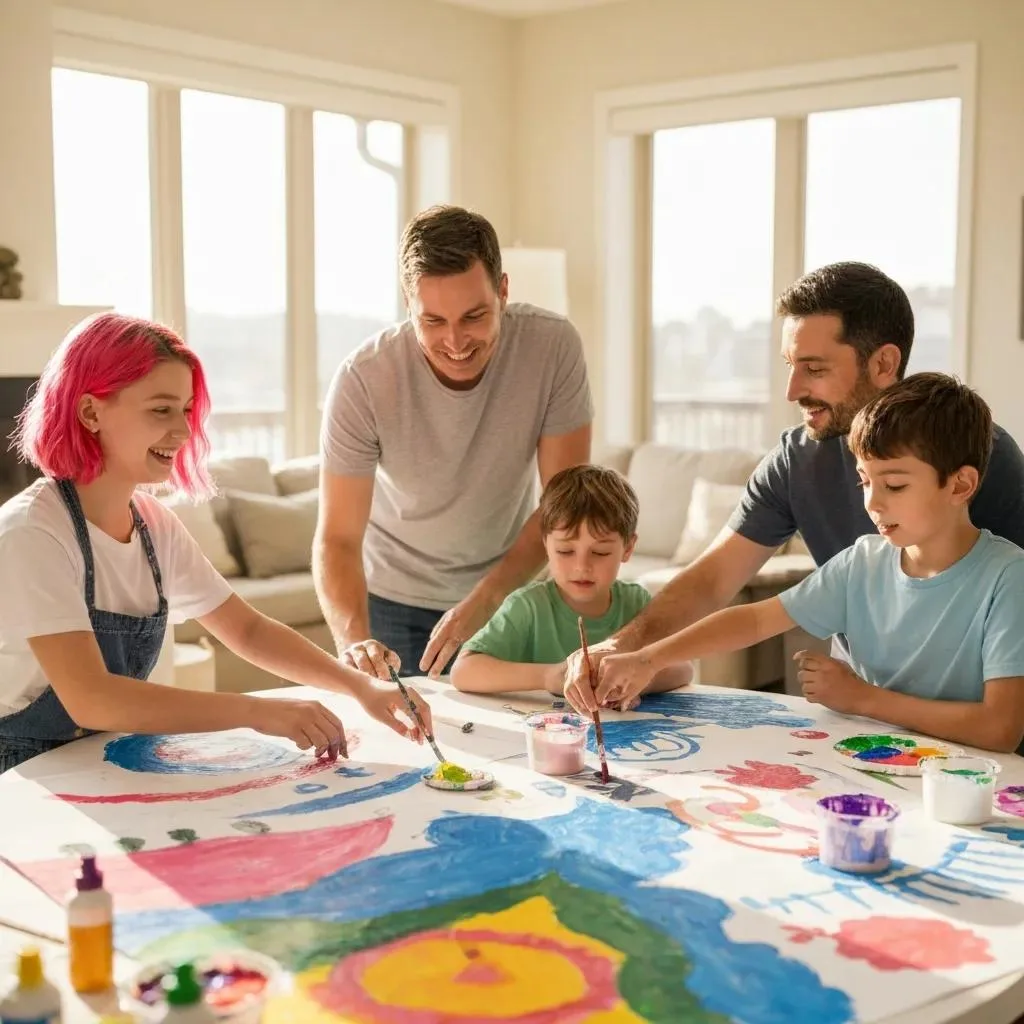
Family-focused creative therapy helps caregivers and family members improve communication, rebuild trust, and create structured moments of positive interaction that support recovery. Joint art activities offer a low-threat way to express thoughts and emotions, letting family members co-create and reflect rather than rely solely on verbal conversations. Shared creative work can reduce caregiver isolation, model supportive behaviors, and provide practical tools families can use at home to manage conflict and stress. When included in a clinical plan, family sessions are scheduled with clear expectations and boundaries to protect safety and emotional containment.
What Creative Activities Promote Family Bonding and Support?
Simple, structured activities—like collaborative collage, sequential storytelling with images, and family mural projects—encourage cooperation and reveal interaction patterns in a contained way. Facilitators prompt reflection rather than give instructions, helping families notice dynamics and practice new responses in a safe setting. Adaptations range from short 20–30-minute home exercises for busy families to longer clinic sessions for deeper relational work. Recommended frequency moves from weekly guided sessions early on to monthly check-ins as progress stabilizes.
How Does Art Therapy Help Caregivers Manage Stress and Emotional Challenges?
Caregivers gain from individual and peer-group creative practices that reduce burnout and improve regulation—brief mindful-art sessions, reflective journaling, and art-based support groups are common examples. These interventions give caregivers a low-barrier way to process feelings, set boundaries, and practice self-care while learning how to support their loved one without overextending themselves. Programs often recommend short daily practices plus scheduled peer groups to sustain resilience. When caregivers need more intensive help, clinicians connect them with structured resources and referrals as part of coordinated care planning.
What Daily Mindfulness and Art Practices Enhance Mental Wellness?
Daily routines that combine mindfulness with simple creative tasks offer accessible, repeatable tools for stress relief, mood support, and ongoing self-reflection. Mindful drawing, short collage sessions, and breath-synchronized movement exercises can be done in 10–30 minutes and show measurable improvements in regulation when practiced consistently. A basic plan includes short daily micro-sessions for regulation, scheduled longer creative periods for processing, and periodic reflection prompts to track change. These routines adapt easily to outpatient plans and different energy levels.
Which Art Exercises Are Recommended for Stress Relief at Home?
Try breath-drawing (matching slow breaths to continuous lines), a 10-minute collage to name your mood, or mindful coloring focused on texture and pressure. Each exercise needs minimal materials—paper, markers, magazines, or simple tactile items—and emphasizes present-moment experience over artistic outcome. Sessions can last 5–30 minutes depending on time and stress level; follow with brief reflective journaling to notice shifts. Regular practice builds a toolkit of self-regulation strategies you can use when stress spikes.
How Can Mindfulness and Art Therapy Work Together for Ongoing Wellness?
Mindfulness and art pair attention training with embodied expression, improving moment-to-moment regulation and deeper emotional insight. A simple weekly plan might include daily 10-minute mindful-art micro-sessions, two weekly creative-reflection sessions of 20–40 minutes, and a monthly review of artwork to track themes and progress. Use a short mood-and-activity log to spot patterns and guide adjustments. If symptoms persist or worsen despite consistent practice, clinicians recommend clinical reassessment. Integrating these routines into outpatient care supports continuity and empowers people to manage wellness proactively.
Artful daily practices create sustainable habits that reinforce therapy work and offer immediate tools for distress tolerance.
- Daily micro-practice: Ten minutes of breath-synchronized drawing to ground emotional arousal.
- Weekly reflection: A 20–30 minute art journaling session to identify themes and coping strategies.
- Monthly review: Review past artworks with notes to observe progress and patterns.
These steps make creative self-care practical and clinically meaningful for ongoing recovery.
If you or your family are ready to explore clinical options, contacting Emulate Treatment Center can help clarify how creative therapy fits into a structured plan and which level of care best meets current needs. Emulate’s approach centers on clarity and structure: an initial assessment defines treatment goals, clinicians recommend session types and cadence, and privacy and safety procedures are explained up front so expectations are realistic. Reach out by phone or form to request an assessment or referral; our staff respond with steady, professional guidance and no-pressure next steps to support informed decisions.
- Request an assessment: Ask about program fit, session types, and expected pacing.
- Discuss scheduling: Clarify frequency and coordination with medical or counseling care.
- Review privacy and safety: Understand confidentiality practices and trauma-informed safeguards.
These actions offer a clear, supportive pathway for beginning creative therapy within a coordinated clinical plan.
Frequently Asked Questions
What qualifications should an art therapist have?
An art therapist typically has a master’s degree in art therapy or a related field and specialized training in therapeutic methods and psychological practice. Many are licensed or certified by professional bodies such as the American Art Therapy Association (AATA) or, in the UK, the Health and Care Professions Council (HCPC). That education and credentialing ensure therapists can safely guide healing through art while following ethical and clinical standards.
Can art therapy be used alongside traditional therapies?
Yes. Art therapy complements traditional therapies like cognitive-behavioral therapy (CBT) and psychotherapy by offering nonverbal ways to explore feelings and experiences. Used together, these approaches create a more holistic plan that addresses both emotional and cognitive dimensions of recovery and often improves overall outcomes.
Is art therapy suitable for children and adolescents?
Absolutely. Art therapy is especially helpful for children and adolescents because it provides a safe, engaging way to express emotions that can be hard to say out loud. Therapists tailor activities to developmental level so young clients can process feelings, build coping skills, and work through trauma in a supportive environment.
What materials are typically used in art therapy sessions?
Sessions may use paints, markers, colored pencils, clay, collage materials, or digital tools—chosen to match therapeutic goals and client preference. The focus is on the creative process and what it reveals, not on producing a polished final product.
How can I find a qualified art therapist near me?
Start with professional directories like the American Art Therapy Association (AATA) or the British Association of Art Therapists (BAAT) to find certified practitioners by location. You can also ask your healthcare provider or mental health clinician for recommendations.
What should I expect during an art therapy session?
Expect a safe, supportive setting where you’re invited to express yourself creatively. A session usually begins with a brief check-in, followed by an art activity tailored to your needs, and ends with reflection on the work. That structure helps connect creative expression to insight and practical coping strategies.
Can art therapy help with specific mental health conditions?
Yes. Evidence supports art therapy as a helpful, complementary treatment for conditions such as depression, anxiety, PTSD, and trauma-related disorders. By providing a nonverbal outlet, it can aid symptom reduction, emotional processing, and the development of coping tools alongside traditional therapies.
Conclusion
Art therapy offers a practical, compassionate blend of creative expression and clinical support that can help people heal, regulate emotion, and gain insight. Engaging in a range of artistic modalities provides tools for stress reduction, improved self-awareness, and stronger coping skills. If you’re curious about the benefits of art therapy, reach out to a qualified professional or contact Emulate Treatment Center to discuss personalized options and next steps toward recovery and self-discovery.