


Alcohol Use Disorder Symptoms, Risks, and Treatment: Comprehensive Guide for Diagnosis and Recovery
Alcohol Use Disorder (AUD) is a medical condition characterized by impaired control over drinking, compulsive use, and continued consumption despite harmful consequences; it is diagnosable, treatable, and clinically distinct from casual or social drinking. This guide explains how AUD is defined and diagnosed, outlines common symptoms and warning signs, summarizes health risks and long-term effects, and maps evidence-based treatment pathways including medical detox, medication-assisted treatment, and behavioral therapies. Many people and clinicians miss early indicators or delay care because stigma and denial obscure functional decline; identifying diagnostic criteria and screening tools allows earlier intervention and safer outcomes. The article reviews practical steps for detox and stabilization, compares medication options such as naltrexone, acamprosate, and disulfiram, and explains levels of care so readers can match need to intensity. Finally, we cover relapse-prevention strategies, the role of peer supports, and current 2024 trends in prevalence and treatment access to help patients, families, and clinicians make informed decisions about recovery options. Throughout, keywords such as alcohol use disorder, AUD symptoms, alcohol withdrawal, and medication-assisted treatment for AUD are used to clarify clinical pathways and recovery resources.
What Is Alcohol Use Disorder and How Is It Diagnosed?
Alcohol Use Disorder is a chronic relapsing brain disorder marked by impaired control over alcohol consumption and persistent use despite significant harm; it falls under the broader category of substance use disorders and is defined by standardized diagnostic criteria. Diagnosis uses a structured checklist approach—most commonly the DSM-5 framework—which quantifies behavioral, physiological, and social indicators to classify severity and guide treatment decisions. Early recognition in primary care or emergency settings often relies on brief screening tools followed by a focused diagnostic interview and medical evaluation that includes assessing withdrawal risk and comorbid conditions. Understanding diagnostic thresholds helps patients and clinicians decide when to monitor, when to initiate outpatient care, and when to escalate to medically supervised detox or inpatient services.
What Are the Diagnostic Criteria for Alcohol Use Disorder?
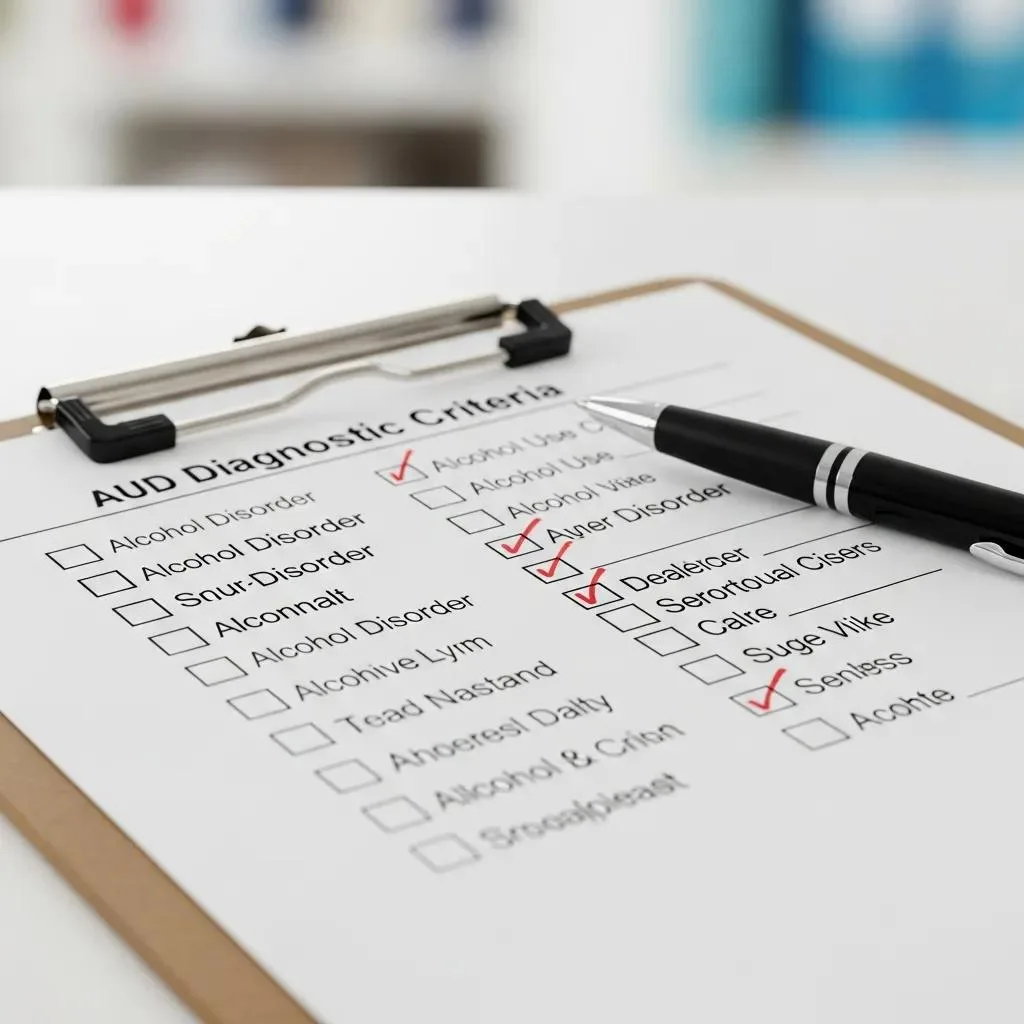
The DSM-5 lists 11 criteria that assess impaired control, social impairment, risky use, and pharmacologic signs; meeting 2–3 criteria indicates mild AUD, 4–5 moderate, and 6 or more severe. The criteria include:
- Drinking more or longer than intended
- Unsuccessful attempts to cut down
- Spending excessive time obtaining/using/recovering from alcohol
- Craving
- Failure to meet role obligations
- Continued use despite social/interpersonal problems
- Abandoning activities
- Hazardous use
- Continued use despite physical/psychological problems
- Tolerance
- Withdrawal
For example, tolerance may present as needing markedly more alcohol to feel effects, while withdrawal can cause tremor, nausea, and anxiety within hours to days after cessation. Clinicians often combine the checklist with medical history, laboratory studies, and an assessment of withdrawal risk to determine appropriate level of care.
Which Screening Tools Help Identify Alcohol Use Disorder?
Validated brief screening tools such as the AUDIT, AUDIT-C, and CAGE questionnaire help detect risky drinking and probable AUD in primary care and community settings, enabling timely referral. The 10-item AUDIT assesses consumption, dependence symptoms, and alcohol-related problems with higher sensitivity for hazardous drinking; AUDIT-C focuses on consumption with three questions for quick use. The CAGE is simple and specific but less sensitive for lower-severity or female presentations, so positive screens on any brief tool should prompt more comprehensive assessment. Scores above established cutoffs warrant further evaluation or referral to addiction medicine, and use of a structured diagnostic interview helps translate screening results into a formal AUD diagnosis and treatment plan.
What Are the Common Symptoms and Signs of Alcohol Use Disorder?
AUD produces a mix of physiological, psychological, and behavioral symptoms that interfere with functioning and increase risk; core features include craving, tolerance, withdrawal, loss of control, and continued use despite harm. Recognizing these signs early—especially patterns like drinking to relieve stress, experiencing blackouts, or progressive role impairment—supports timely intervention and reduces the chance of severe withdrawal complications. Screening and diagnostic steps should follow observed signs so that safety, stabilization, and referral to appropriate levels of care can occur.
Alcohol Use Disorder commonly produces these high-signal symptoms:
- Craving: A strong, often intrusive urge to drink that precedes use or triggers relapse.
- Tolerance: Needing larger amounts for the same effect, indicating physiological adaptation.
- Withdrawal: Autonomic and neuropsychiatric symptoms after cessation, ranging from tremor to seizures.
- Loss of control: Drinking more or longer than intended despite plans to cut down.
- Neglect of duties: Repeated failure to meet work, school, or home responsibilities because of drinking.
- Continued use despite harm: Persisting in drinking despite health, legal, or relationship consequences.
These symptoms cluster into severity levels and guide clinical decisions; clinicians use them to determine whether outpatient support, medication, or medically supervised detox is needed to reduce immediate risk.
How Do Craving, Tolerance, and Withdrawal Manifest in AUD?
Craving reflects neurobiological changes where reward-related circuits become sensitized, producing intense urges that precede relapse; it often co-occurs with cue-triggered craving from places or routines associated with drinking. Tolerance develops through receptor-level and metabolic adaptations, causing individuals to consume higher amounts to achieve desired effects and thereby increasing physical risk. Withdrawal symptoms typically begin within 6–24 hours after the last drink and can progress from mild anxiety and tremor to severe complications such as generalized seizures or delirium tremens within 48–72 hours in high-risk individuals. Any history of severe withdrawal, prior delirium tremens, or seizures indicates the need for medical supervision during detox to reduce morbidity and mortality.
What Behavioral and Social Signs Indicate Alcohol Addiction?
Behavioral indicators include failed attempts to stop, preoccupation with obtaining alcohol, and continued use despite negative consequences; social signs include relationship conflict, absenteeism, and legal problems related to intoxication. Patterns such as binge episodes, social withdrawal, and prioritizing drinking over previously valued activities are common prompts for family intervention or clinical referral. Loved ones often observe mood swings, defensiveness, secrecy around drinking, and financial strain, which can be critical motivators for treatment entry. Identifying these functional impacts helps clinicians assess severity and design interventions that address social supports, occupational reintegration, and behavioral change strategies.
What Are the Health Risks and Long-Term Effects of Excessive Alcohol Consumption?
Excessive alcohol use accelerates damage across organ systems and increases risk of chronic disease, cognitive decline, and premature mortality; long-term effects include progressive liver disease, cardiovascular complications, cancer risk, and neurocognitive impairment. Biological mechanisms include direct hepatotoxicity, oxidative stress, immune suppression, and neuroinflammatory pathways that contribute to organ dysfunction and increased infection risk. The cumulative harms also extend to mental health—worsening mood disorders, anxiety, and cognitive function—and to social domains such as employment instability and legal consequences. Understanding systemic risks informs urgency for intervention and the selection of treatments that mitigate long-term harm.
How Does Alcohol Use Disorder Affect Physical Health?
Alcohol-related physical harms include a progression from fatty liver to alcoholic hepatitis and cirrhosis, elevated blood pressure and cardiomyopathy, increased risk of several cancers (including liver and oropharyngeal cancers), and neurologic damage such as peripheral neuropathy and Wernicke-Korsakoff spectrum disorders. Heavy use impairs immune function, raising susceptibility to infections and complicating recovery from other illnesses. Quantified risk increases with cumulative exposure and pattern of drinking; even after stabilization, some organ damage may be only partially reversible, underscoring the value of early treatment. Monitoring liver function, cardiovascular status, and nutritional deficiencies is a standard part of medical management for patients with AUD.
What Are the Mental Health and Social Consequences of AUD?
AUD frequently co-occurs with depression, anxiety disorders, and other psychiatric conditions in bidirectional relationships where each disorder worsens the other and complicates treatment. Cognitive impairment—ranging from attention deficits to memory loss—can impede therapy engagement and vocational functioning, while social consequences include isolation, family breakdown, and financial hardship. Integrated care that treats substance use and co-occurring mental disorders simultaneously yields better outcomes than sequential approaches. Addressing social determinants—housing, employment, and social support—supports sustained recovery and reduces relapse risk.
What Treatment Options Are Available for Alcohol Use Disorder?

Treatment for AUD typically follows an assessment → stabilization/detox (if needed) → ongoing medication-assisted treatment combined with behavioral therapies → aftercare framework, with level of care matched to severity and medical risk. Evidence-based modalities include medical detoxification for withdrawal management, several FDA-approved medications for relapse prevention, structured behavioral therapies (CBT, motivational interviewing, family therapy), and mutual-help or peer recovery supports. Choosing an effective pathway requires weighing withdrawal risk, co-occurring conditions, patient preferences, and access to services. The table below compares core treatment modalities to help patients and clinicians decide between immediate stabilization and longer-term relapse-prevention strategies.
How Does Medical Detoxification Manage Alcohol Withdrawal Syndrome?
Medical detoxification aims to safely manage acute alcohol withdrawal, prevent complications such as seizures or delirium tremens, and prepare the patient for ongoing treatment; it does not by itself treat addiction but is a necessary first step for many. Standard protocols use long-acting benzodiazepines titrated to symptom severity—often guided by validated scales such as CIWA-Ar—along with supportive care for hydration, electrolytes, and nutrition. Inpatient detox is indicated for patients with prior severe withdrawal, comorbid medical instability, or lack of a safe home environment; lower-risk patients may undergo monitored outpatient detox with close follow-up. After stabilization, clinicians transition patients to psychosocial treatment and consider medication-assisted treatment to reduce relapse risk.
(If you need help locating local treatment resources, national organizations such as the National Institute on Alcohol Abuse and Alcoholism and the Substance Abuse and Mental Health Services Administration offer treatment locators and guidance on levels of care; contacting a local primary care clinician or behavioral health specialist is also a common first step. These resource suggestions are non-branded signposts to help connect patients to evidence-based programs and navigators.)
What Medications Are Used in Medication-Assisted Treatment for AUD?
Medication-assisted treatment for AUD uses FDA-approved agents—naltrexone, acamprosate, and disulfiram—each with distinct mechanisms, administration routes, and benefit profiles; selection depends on patient goals, medical comorbidities, and prior response. Naltrexone (oral or extended-release injectable) reduces rewarding effects of alcohol by blocking opioid receptors, lowering heavy-drinking days. Acamprosate modulates glutamatergic systems to support abstinence maintenance, typically taken orally in divided doses. Disulfiram produces an aversive reaction when alcohol is consumed, supporting abstinence for motivated patients. The table below provides a concise comparison to guide shared decision-making between clinicians and patients.
Summary: Evidence supports the use of these medications alongside behavioral therapy; medication choice should reflect patient preference, safety considerations, and treatment goals.
Which Behavioral Therapies Support Alcohol Addiction Recovery?
Behavioral therapies such as Cognitive Behavioral Therapy (CBT), Motivational Interviewing (MI), and family-based interventions address thinking patterns, motivation, and interpersonal dynamics that sustain AUD. CBT teaches coping skills to avoid high-risk situations, manage cravings, and restructure maladaptive thoughts; MI increases readiness for change and is effective in brief clinical encounters. Family therapy engages social supports to modify dynamics that can enable continued use, while group therapy and contingency management offer peer reinforcement and structured incentives. Integrated approaches that combine medication-assisted treatment with structured therapy produce superior outcomes compared with either modality alone because they address both biological and behavioral drivers of relapse.
What Levels of Care Exist for AUD Treatment?
Selecting a level of care balances clinical need, safety, and the person’s social supports; options range from inpatient/residential care to outpatient counseling with varying intensity and time commitment. Inpatient or residential programs offer 24/7 supervision and are appropriate for severe AUD, unstable living situations, or co-occurring medical issues. Partial hospitalization programs (PHP) and intensive outpatient programs (IOP) provide structured daytime treatment with significant therapy hours while allowing the patient to return home; standard outpatient care offers weekly counseling and medication management for lower-severity cases. The table below compares levels of care to help match patient needs to program intensity.
How Can Support Systems and Relapse Prevention Strategies Aid Recovery?
Support systems and structured relapse-prevention plans reduce the likelihood of return to heavy drinking by addressing triggers, strengthening coping skills, and ensuring rapid response when risk rises; these systems complement clinical treatment. Key elements include identifying personal triggers, developing coping statements and behavioral substitutions, ensuring medication adherence, and establishing emergency steps for high-risk situations such as contacting a clinician or entering a higher level of care. Peer support groups, family involvement, and recovery coaching provide social accountability and practical assistance for housing, employment, and daily structure—factors that strongly predict sustained recovery. Below is a practical checklist to build a relapse-prevention plan that patients and clinicians can personalize.
Relapse-prevention checklist intro:
- Identify high-risk triggers and develop specific coping strategies for each trigger.
- Maintain medication adherence and scheduled therapy appointments with contingency plans for missed sessions.
- Build a support network that includes at least two sober contacts and a clinician to call during crises.
- Use behavioral substitution (exercise, mindfulness, structured activities) to replace drinking routines.
- Plan emergency steps: safe transport, medical attention options, and temporary higher-intensity care if needed.
These steps create a layered defense against relapse that combines personal strategies with clinical supports; the next subsection explains the role of mutual-help groups and how they fit into aftercare planning.
What Role Do Support Groups Play in Sustaining Sobriety?
Mutual-help organizations such as 12-step fellowships and alternative peer groups provide ongoing peer support, social reinforcement of recovery goals, and practical models for sustained sobriety; they complement professional treatment rather than replace it. Programs differ in philosophy and structure—some emphasize abstinence, others offer skills-based self-management—and many patients benefit from sampling different groups to find a cultural fit. Evidence shows participation in mutual-help groups increases abstinence rates and supports long-term engagement when combined with formal treatment. Practical tips for engagement include attending meetings regularly, identifying a sponsor or peer mentor, and integrating group supports into a broader relapse-prevention plan.
(For access to organized support, national directories and local behavioral health teams can help locate peer groups and clinician-recommended meetings; telehealth and online mutual-help options have expanded access, especially for people in rural or underserved areas.)
Which Relapse Prevention Techniques Are Effective for AUD?
Effective relapse-prevention combines behavioral planning, pharmacologic support, and environmental control: identify triggers, schedule high-risk times with structured activities, use medications consistently, and alter environments that cue drinking. Cognitive strategies include developing brief coping statements, practicing urge-surfing, and rehearsing refusal skills; behavioral strategies include stimulus control (removing alcohol from the home) and creating alternative routines. Early warning signs—sleep disruption, increased exposure to drinking peers, missed appointments—should prompt stepped-up supports such as more frequent therapy or temporary higher-intensity care. A coordinated plan that names triggers, lists concrete coping responses, and specifies escalation steps improves rapid response and reduces the duration and severity of lapses.
What Are the Latest Statistics and Trends in Alcohol Use Disorder?
Current (2024) data indicate that alcohol-related harms remain a significant public health burden, with millions meeting criteria for AUD and thousands of deaths annually attributable to excessive drinking; trends show evolving demographic patterns and growing adoption of telehealth for treatment access. Shifts in alcohol use by age, gender, and socioeconomic status affect prevention and treatment planning, and treatment uptake still lags behind need—only a minority of those with AUD receive specialty care. Awareness of these trends helps policymakers and clinicians prioritize screening, expand access to medication-assisted treatment, and invest in digital recovery supports. The following subsection summarizes prevalence and mortality context, while the next subsection covers accessibility and shifting consumption patterns.
What Is the Current Prevalence and Mortality Associated with AUD?
Estimates in 2024 continue to show that a substantial proportion of adults meet criteria for AUD at some point in life, and alcohol-related mortality—ranging from liver disease to accidents—increases with heavy and prolonged use. The public health implications include loss of productive years and increased healthcare utilization; mortality figures and prevalence vary regionally but consistently demonstrate that AUD contributes significantly to preventable death and disability. These patterns underline the importance of screening in primary care, early referral to treatment, and population-level prevention measures such as limiting high-risk drinking environments and improving access to evidence-based care.
How Are Treatment Accessibility and Drinking Patterns Changing?
Treatment accessibility is improving in some domains due to telehealth, online therapy platforms, and broader dissemination of evidence-based medications, yet gaps remain in workforce capacity, insurance coverage, and rural access. Drinking patterns show nuanced shifts—some demographics report declines while others show persistent or rising high-risk drinking—prompting tailored prevention and outreach strategies. Non-alcoholic beverage trends and cultural shifts around moderation offer additional pathways to reduce consumption, but systemic barriers such as stigma and limited specialty services continue to restrict uptake of effective treatment. Increasing integration of AUD care into primary care and the broader behavioral health system is a promising strategy to close the treatment gap and reach more people earlier.
- Increased telehealth access: reduces geographic barriers and supports medication management and therapy continuity.
- Persistent treatment gap: many individuals with AUD do not receive specialty services due to stigma, cost, or limited local availability.
- Changing consumption patterns: targeted prevention must account for demographic shifts and local cultural factors.
These trends suggest that expanding integrated care, promoting evidence-based medications, and leveraging digital recovery tools are key strategies to meet the unmet need for AUD treatment.